Artwork
The Adoration of the Magi
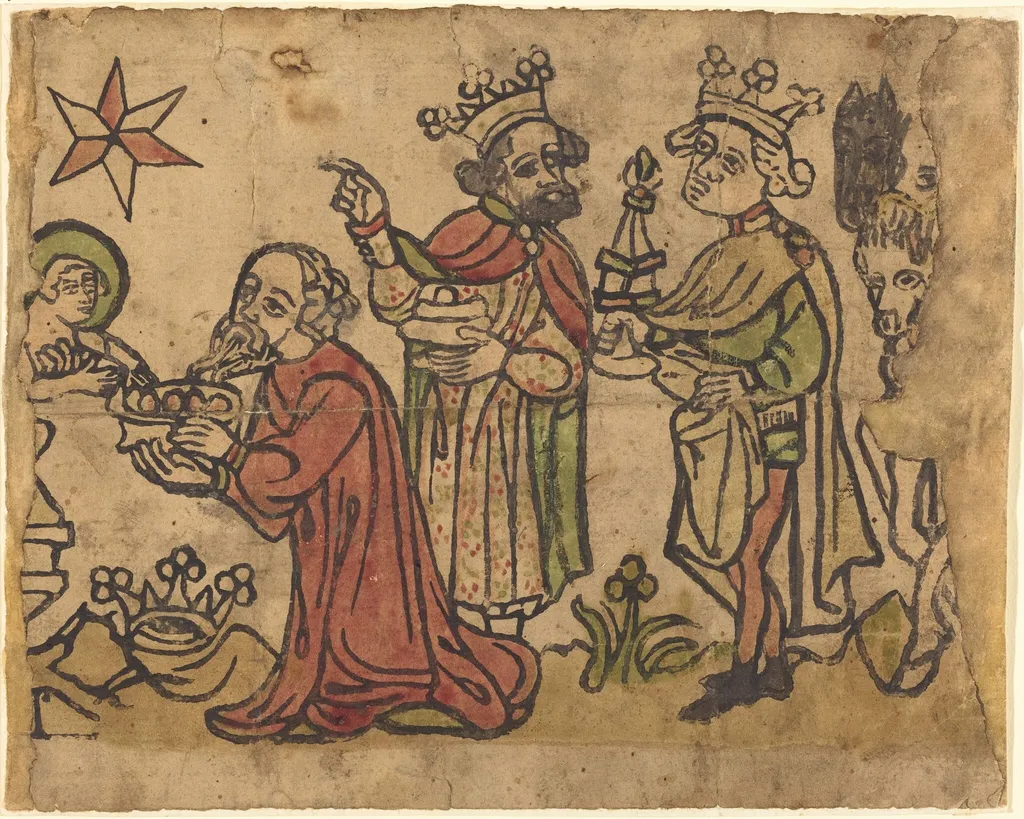
The Adoration of the Magi is an ink print by the Renaissance artist German 15th Century. It dates from 1400 and is held in the collection of the National Gallery of Art. The work is a hand‑colored woodcut depicting the biblical episode of the Magi presenting gifts to the infant Jesus.
About this work
Overview
The work is a hand‑colored woodcut depicting the biblical episode of the Magi presenting gifts to the infant Jesus. Executed in a single sheet, the image combines line engraving with applied pigments in red, green and yellow, creating a modestly vivid illustration of the traditional adoration scene.
Subject & Meaning
The composition centers on three richly attired figures, each bearing a symbolic offering—gold, frankincense and myrrh—to the newborn. Their elaborate garments and the infant’s modest surroundings emphasize the contrast between earthly wealth and divine humility, a common theme in medieval devotional art.
Technique & Style
The print employs the woodcut method, in which a design is carved in relief on a wooden block, inked, and pressed onto paper. After printing, the artist applied color by hand, a relatively novel practice at the time, using limited pigments to highlight details and enhance the visual impact of the scene.
History & Provenance
Created during the early period when hand‑coloring of woodcuts began to emerge, the piece reflects a transitional moment in printmaking. While the exact date and workshop remain uncertain, the work is associated with the broader European tradition of illustrated religious prints circulated among the faithful.
Context
In the late medieval and early Renaissance eras, printed images served both devotional and instructional purposes, reaching audiences beyond the elite. The addition of color made such prints more appealing and accessible, bridging the gap between manuscript illumination and mass‑produced imagery.
Legacy
As one of the earliest known examples of a hand‑colored woodcut, the image illustrates the experimental phase that led to more elaborate color printing techniques. Its influence can be traced in later illustrated books and devotional prints that increasingly employed polychromy to attract viewers.
Artist & collection

Artist
This 15th-century German artist carved vivid religious scenes into metal and wood, then hand-painted them in bright, symbolic colors.

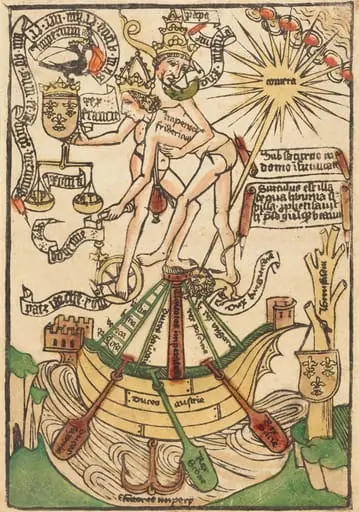 Allegory of the Meeting of Pope Paul II and Emperor Frederick III
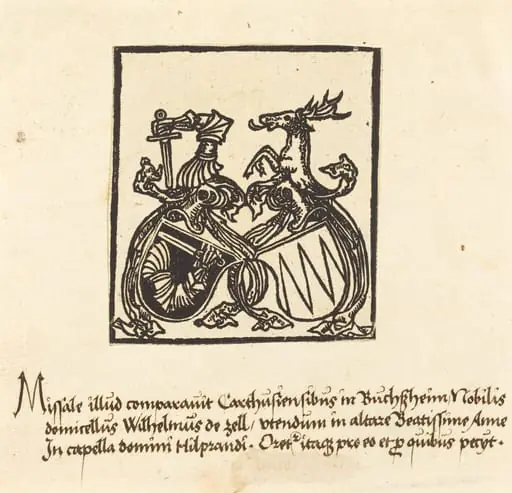 Bookplate of Wilhelm von Zell
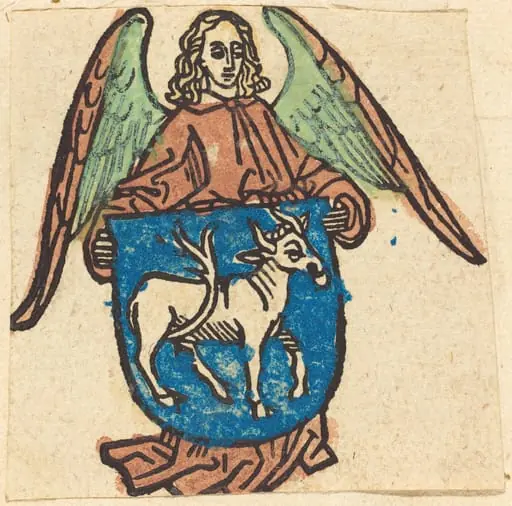 Bookplate of Hilprand Brandenburg of Bibrach
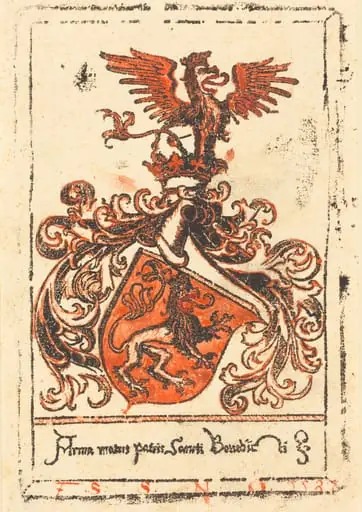 Bookplate of the Abbey of Ottobeuren
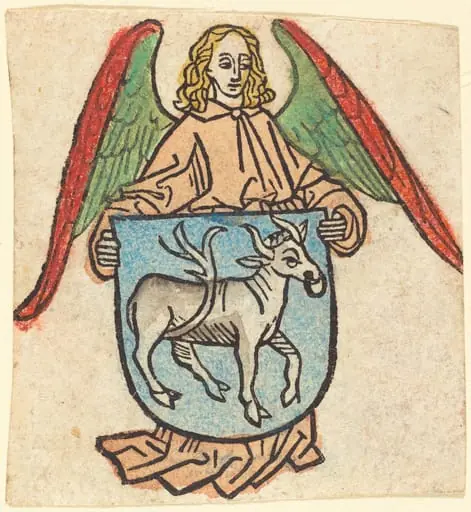 Bookplate of Hilprand Brandenburg of Bibrach
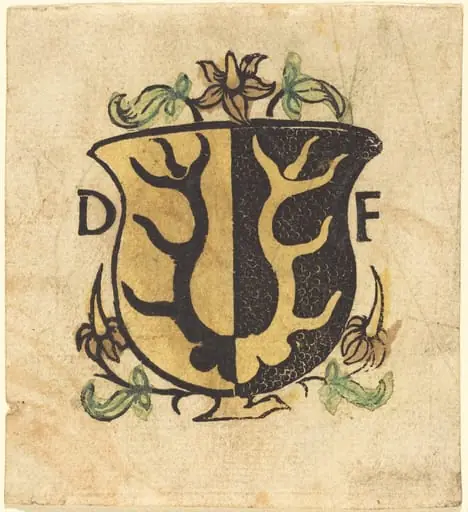 Bookplate of Dominicus Frauenfelder
![Studies for Six Figures (sheet from a model book) [recto], by German 15th Century](https://artifactworldgallery.com/img/german-15th-century--studies-for-six-figures-sheet-from-a-model-book-recto--4837429e0755bc3f-w320.webp) Studies for Six Figures (sheet from a model book) [recto]
Studies for Six Figures (sheet from a model book) [recto]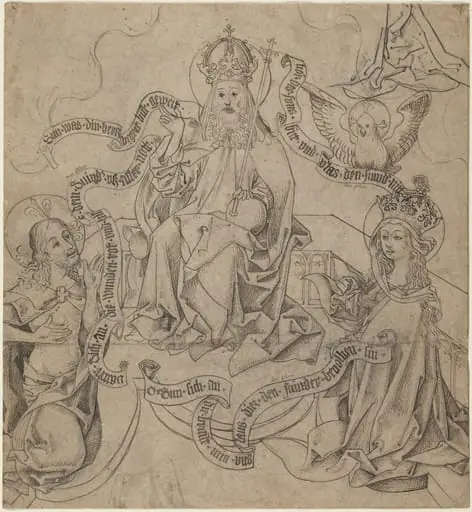 Christ and Mary Interceding with God the Father
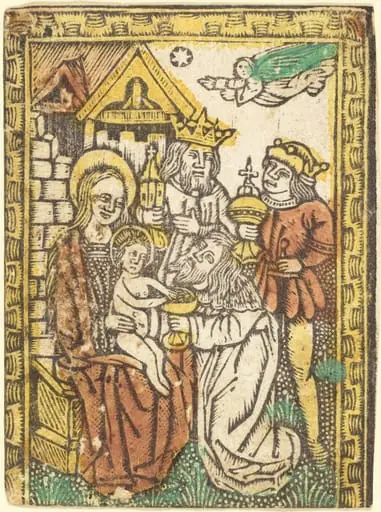 The Adoration of the Magi
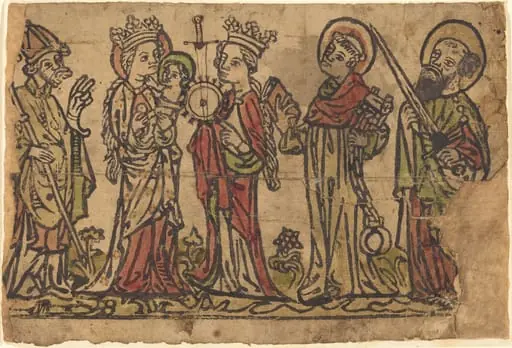 Madonna and Child with Four Saints
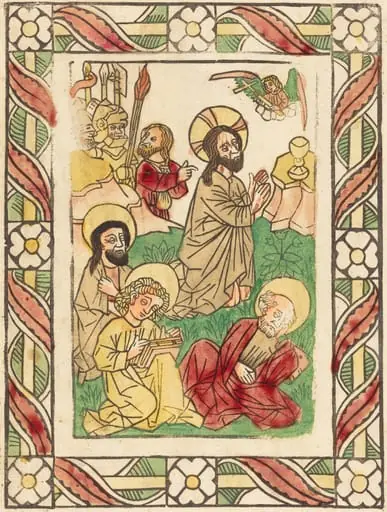 Christ on the Mount of Olives
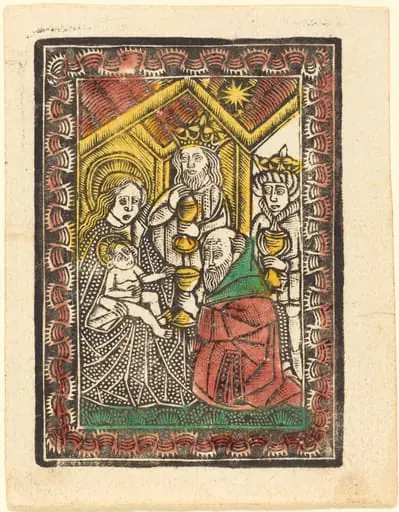 The Adoration of the Magi
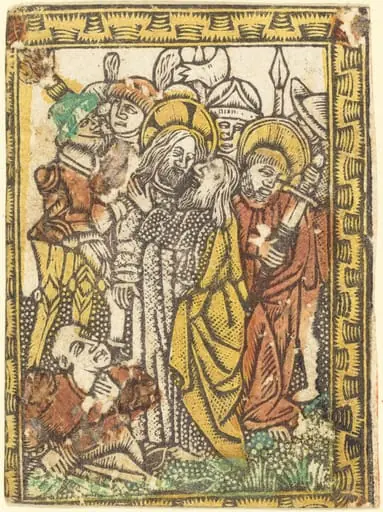 The Betrayal
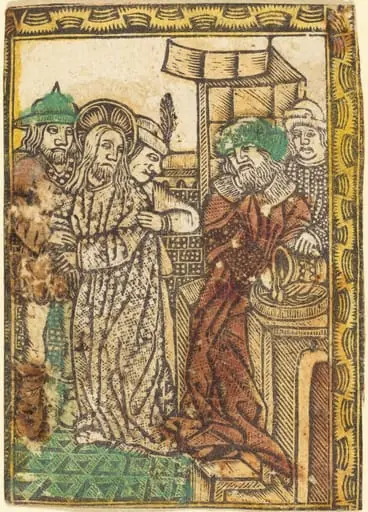 Pilate Washing His Hands
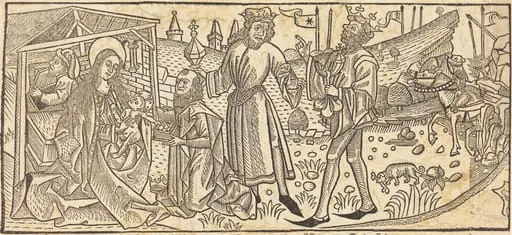 The Adoration of the Magi
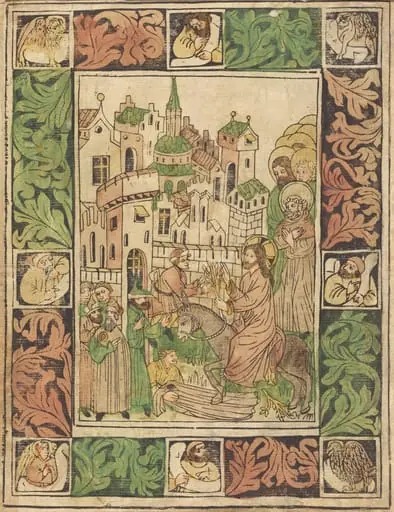 Christ's Entry into Jerusalem
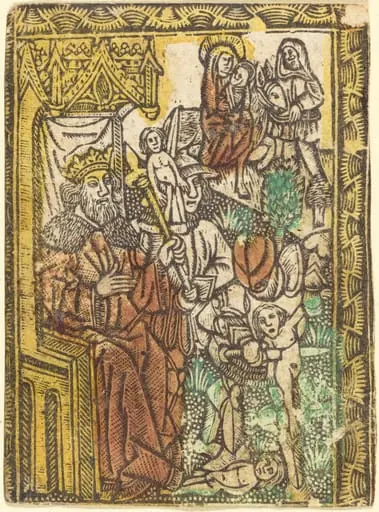 The Massacre of the Innocents
![The Flight into Egypt [recto], by Italian 15th Century](https://artifactworldgallery.com/img/italian-15th-century--the-flight-into-egypt-recto--8f4d5275d7f90f98-w320.webp) The Flight into Egypt [recto]
The Flight into Egypt [recto]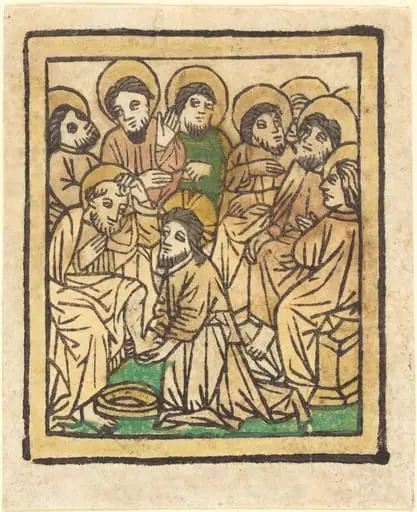 Christ Washing the Apostles' Feet
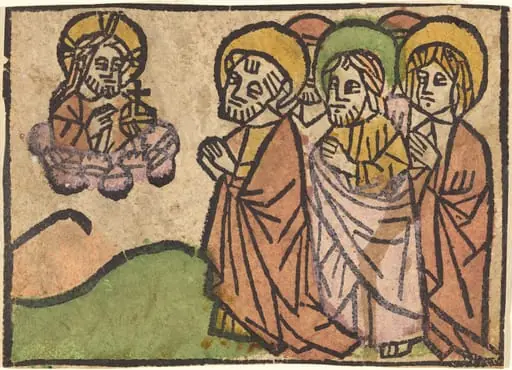 Christ Appearing to the Apostles