Artwork
Three Marys at the Tomb
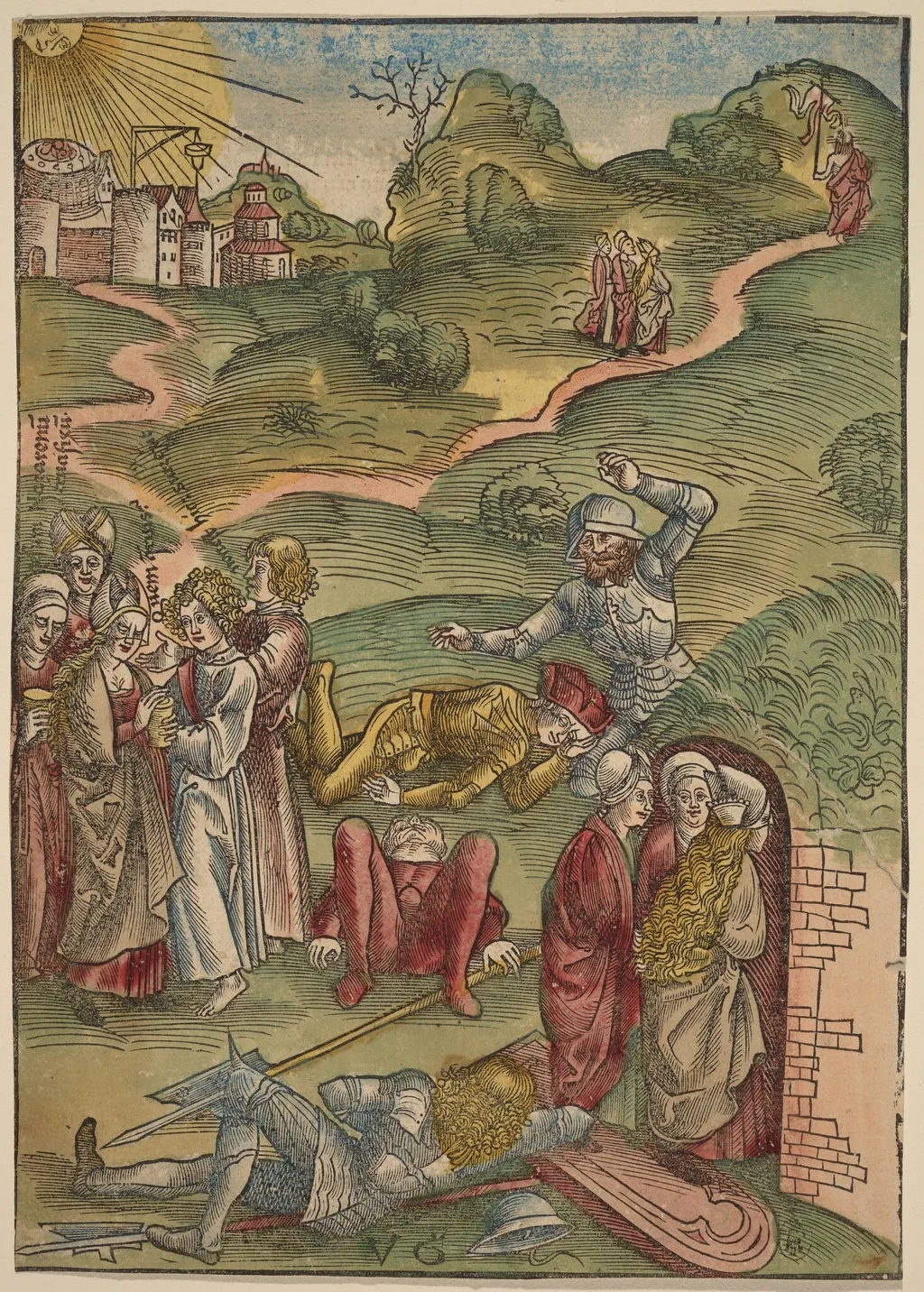
Three Marys at the Tomb is an ink print by the Renaissance artist Urs Graf I. It dates from 1507 and is held in the collection of the National Gallery of Art.
About this work
Overview
Urs Graf I’s hand‑colored woodcut, Three Marys at the Tomb, dates from 1507. The print depicts a crowded tableau surrounding a tomb, with three women in white garments positioned prominently in the foreground. Around them, kneeling and crouching figures express alarm, while a distant hill and a village with a tower frame the scene.
Subject & Meaning
The central figures are the three women traditionally identified as the Virgin Mary, Mary Magdalene, and the other Mary, who have arrived at the tomb early in the morning. Their white attire underscores purity and grief, while the surrounding onlookers’ gestures convey shock and curiosity, suggesting the narrative moment of discovering the empty tomb.
Technique & Style
Executed as a woodcut, the image relies on fine hatching to model light and shadow, creating depth within the limited tonal range. After printing, Graf applied hand‑coloring in muted pinks, greens, and browns, softening the stark black lines and enhancing the atmospheric quality typical of early 16th‑century Northern European prints.
Context
Graf’s work reflects the burgeoning interest in narrative complexity during the Renaissance, where printmakers began to pack scenes with multiple figures and emotive gestures. The inclusion of a distant village and climbing figures on a hill situates the biblical episode within a recognizable landscape, a common device to bridge sacred stories and contemporary viewers.
Artist & collection


 A Soldier Walking with a Camp Follower
 Christ and the Apostles and the Holy Women
![The Madonna with Saint Ulrich and Saint Afra [recto], by Urs Graf I](https://artifactworldgallery.com/img/urs-graf-i--the-madonna-with-saint-ulrich-and-saint-afra-recto--563a13dc2b4b63a3-w320.webp) The Madonna with Saint Ulrich and Saint Afra [recto]
The Madonna with Saint Ulrich and Saint Afra [recto] Two Mercenaries and a Woman
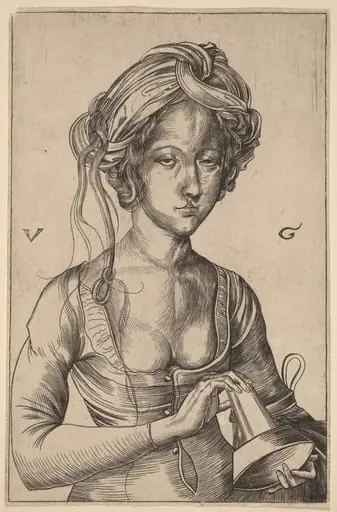 A Bust Figure of a Foolish Virgin Holding Her Inverted Lamp
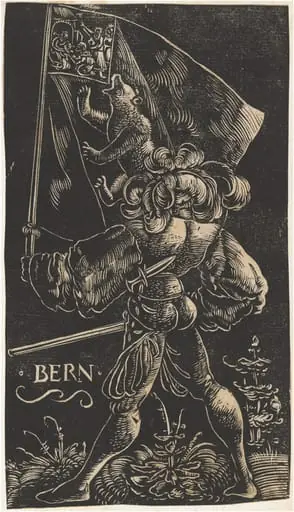 Standard-Bearer for the Canton of Bern
![Title Page for a Missal, with Satyr and Putti Border [verso], by Urs Graf I](https://artifactworldgallery.com/img/urs-graf-i--title-page-for-a-missal-with-satyr-and-putti-border-verso--df26a3e076a25bf5-w320.webp) Title Page for a Missal, with Satyr and Putti Border [verso]
Title Page for a Missal, with Satyr and Putti Border [verso]
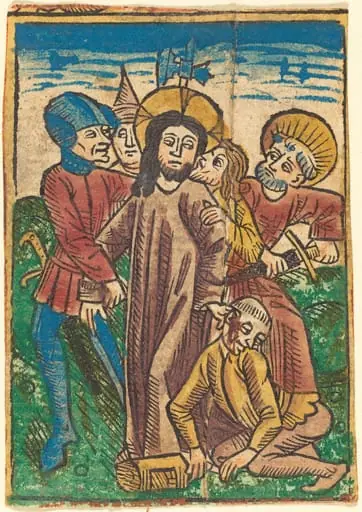 Betrayal
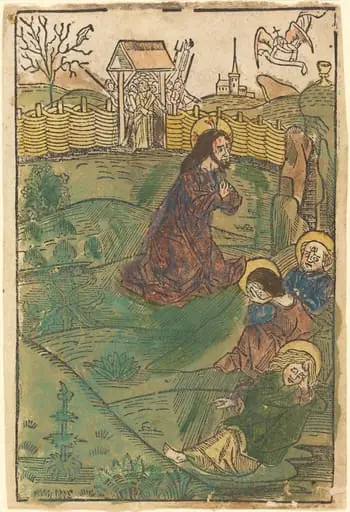 Christ on the Mount of Olives
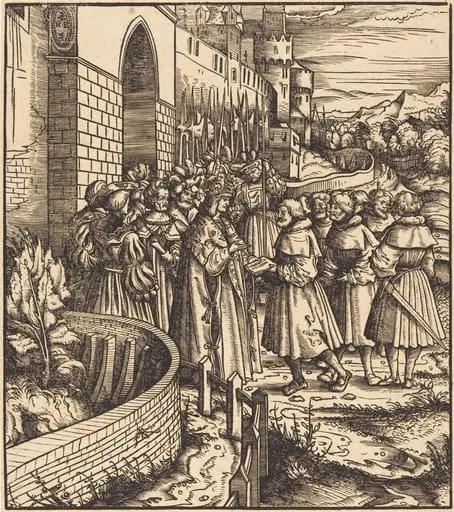 The Swiss Embassy against the Blue King
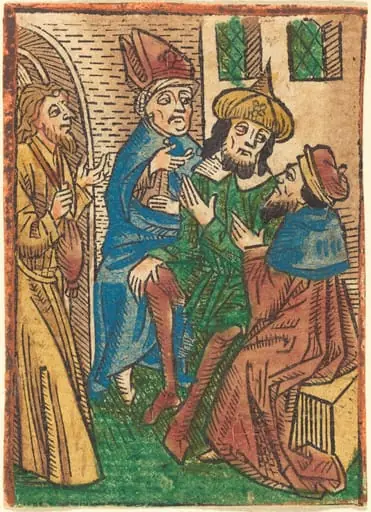 Treason of Judas
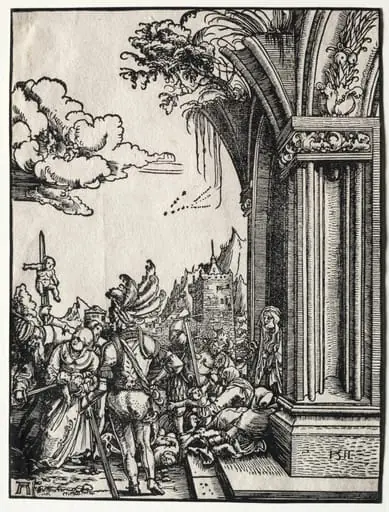 The Massacre of the Innocents
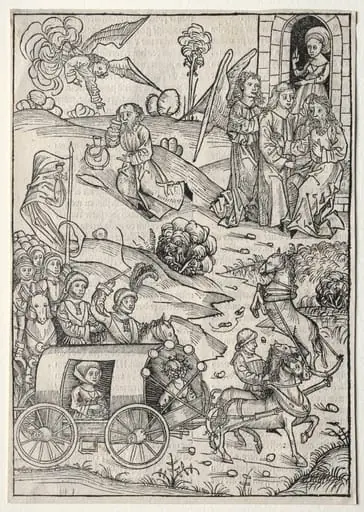 Der Schatzbehalter: The Return of Tobias to Tobit; The Arrival of Tobias' Wife; The Angel Bringing Food and Drink to Elijah in the Desert
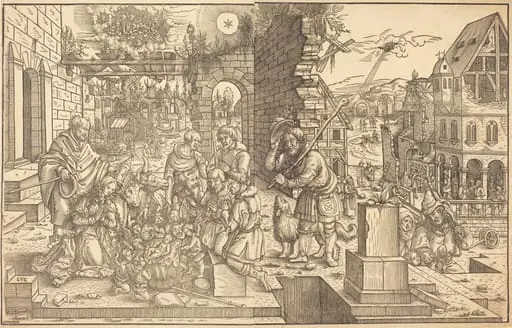 The Adoration of the Shepherds
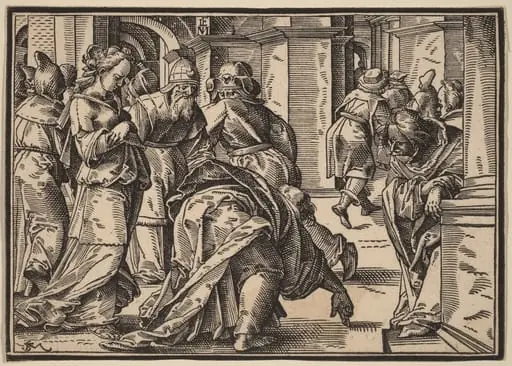 Christ Tells His Disciples of the Last Judgment
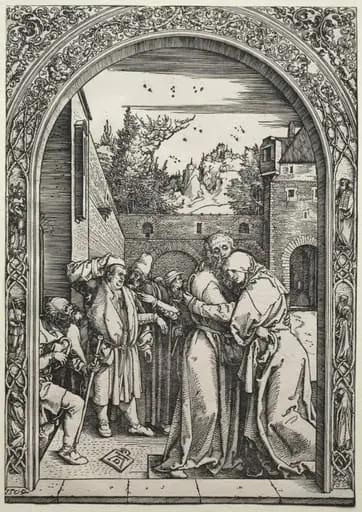 The Meeting of Joachim and Anna at the Golden Gate
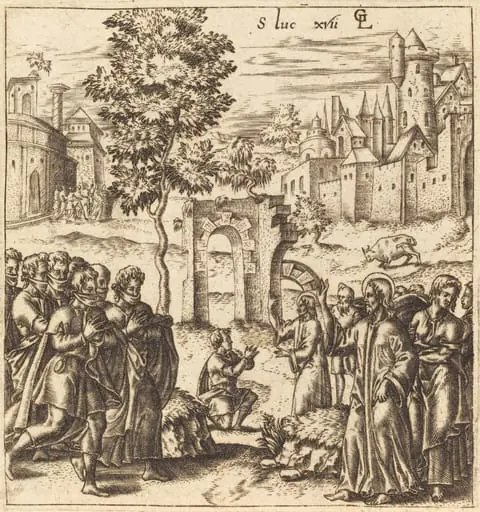 The Ten Lepers are Cleansed
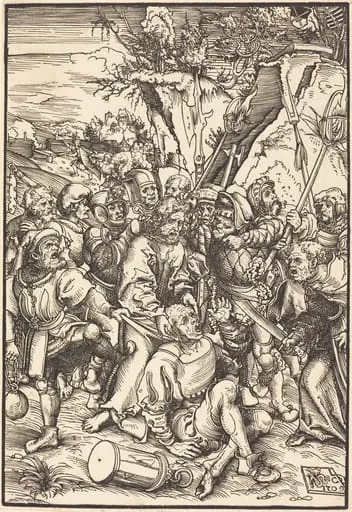 Christ Taken Captive
![Allegory of the Life of a Scholar in a Rich Household [fol. 3 verso / 4 recto], by French 16th Century](https://artifactworldgallery.com/img/french-16th-century--allegory-of-the-life-of-a-scholar-in-a-rich-household-fol-3--52df746155b443e5-w320.webp) Allegory of the Life of a Scholar in a Rich Household [fol. 3 verso / 4 recto]
Allegory of the Life of a Scholar in a Rich Household [fol. 3 verso / 4 recto]