Artwork
Arctic Tern
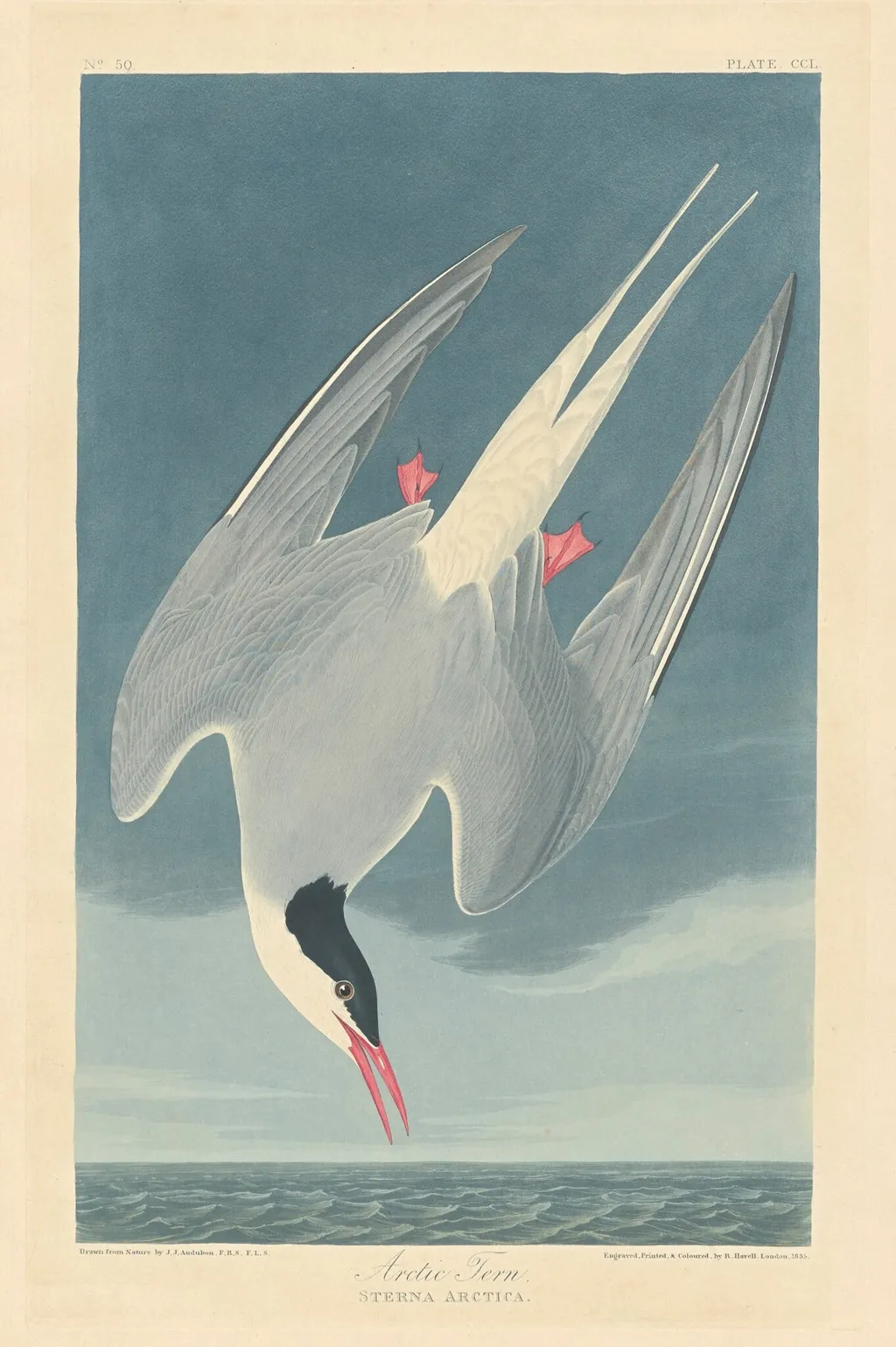
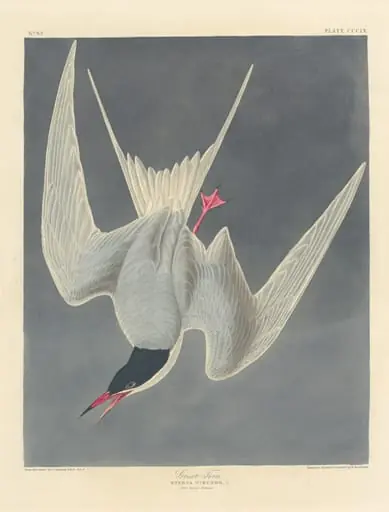
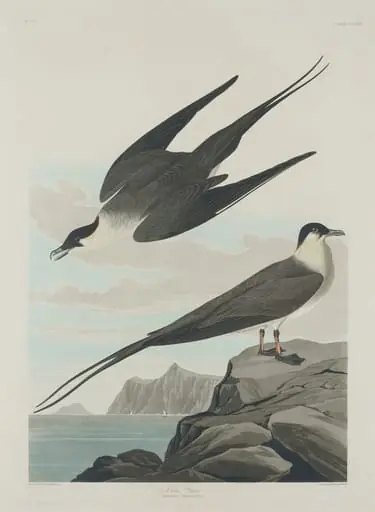
Arctic Tern is an ink print by the Romanticist artist Robert Havell Jr.. It dates from 1835 and is held in the collection of the National Gallery of Art.
About this work
Overview
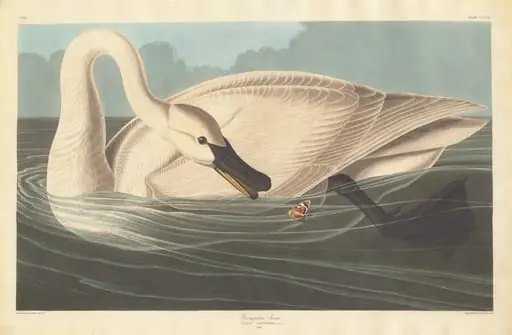
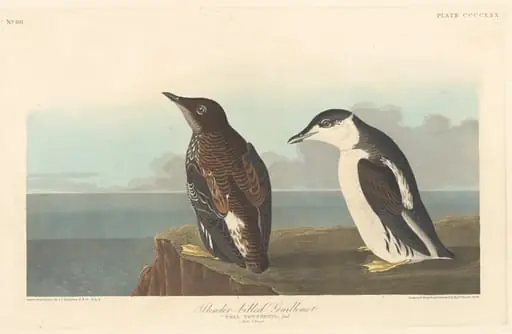
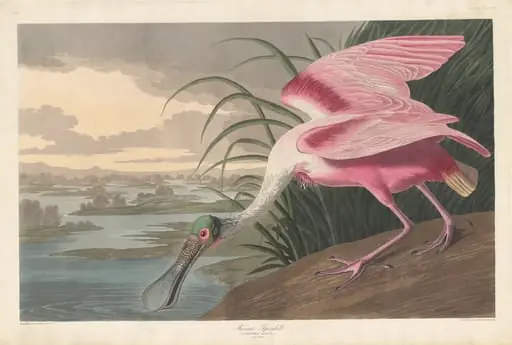
Arctic Tern is a hand-colored engraving and aquatint print on Whatman wove paper, created by Robert Havell Jr. in 1835. It showcases the artist's technical skill within a family lineage of engraving and aquatint expertise.
Subject & Meaning
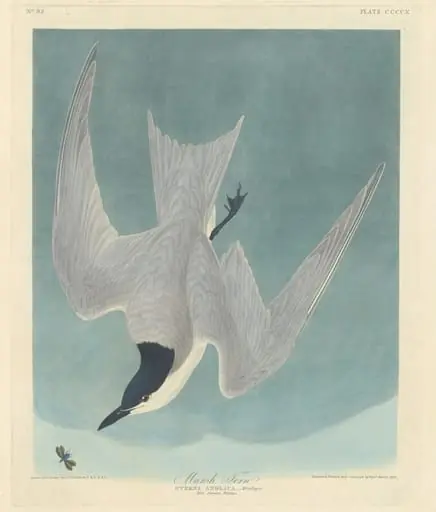
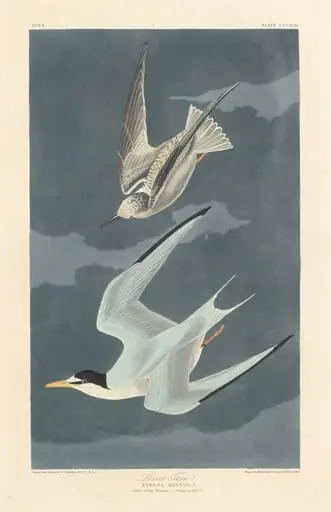
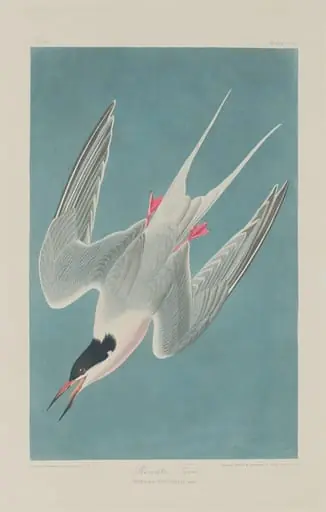
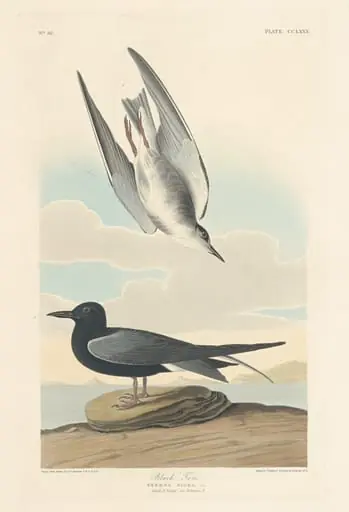
The print depicts an Arctic Tern in mid-flight over a dynamic ocean, highlighting its migratory nature—the species undertakes the longest annual migration of any animal. The detailed representation suggests the bird was drawn from direct observation of nature.
Technique & Style
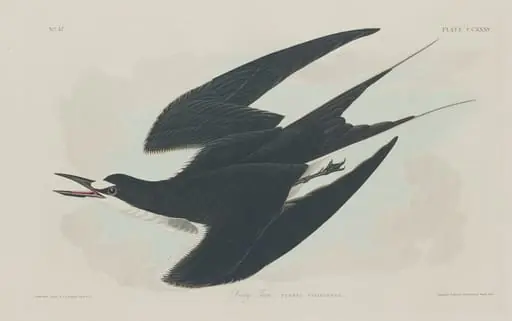
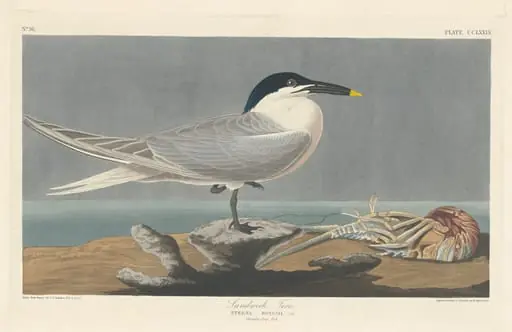
The work combines intricate linework from engraving with the tonal subtleties of aquatint, evident in the bird's finely detailed feathers, the gradated sky, and the textured ocean waves. The color palette is characterized by muted tones with accents of bright red for the beak and feet.
History & Provenance
Part of the Havell family's artistic output, known for their proficiency in engraving and aquatint, with documented connections to Indian art. Specific provenance details for *Arctic Tern* are not provided.
Context
Created in 1835, the piece reflects 19th-century interests in natural history and the artistic techniques of the time. The Havells' involvement with Indian art may also imply a broader colonial-era cultural exchange, though *Arctic Tern* itself focuses on a European subject.
Legacy
While specific legacy details for *Arctic Tern* are not provided, it contributes to the broader recognition of the Havell family's contributions to the development and popularization of engraving and aquatint techniques in the 19th century.
Artist & collection

Artist
The Havell family of Reading, Berkshire, England, included a number of notable engravers, etchers and painters, as well as writers, publishers, educators, and musicians.