Artwork
Lesser Tern
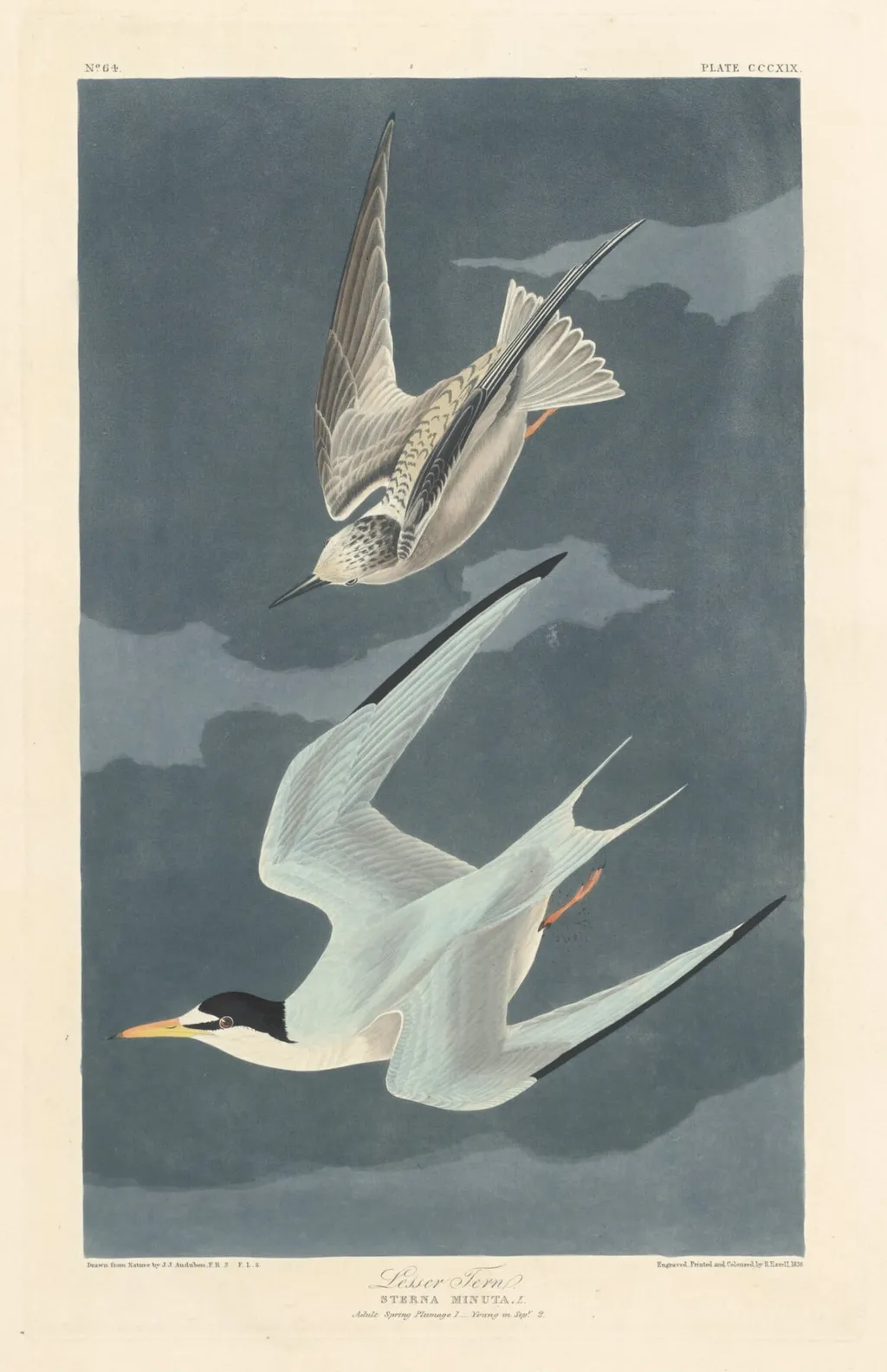
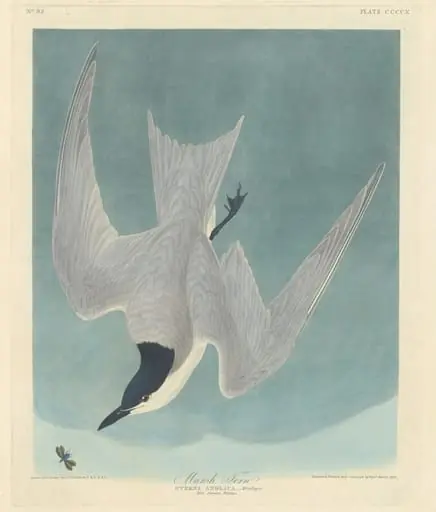
Lesser Tern is an ink print by the Romanticist artist Robert Havell Jr.. It dates from 1836 and is held in the collection of the National Gallery of Art.
About this work
Overview
Their workshop in London was known for precise tonal rendering, particularly in depictions of avian subjects for scientific and aesthetic audiences.
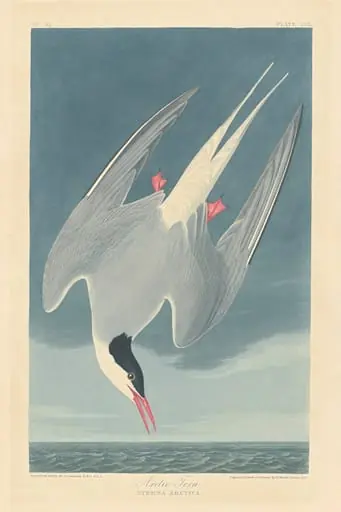
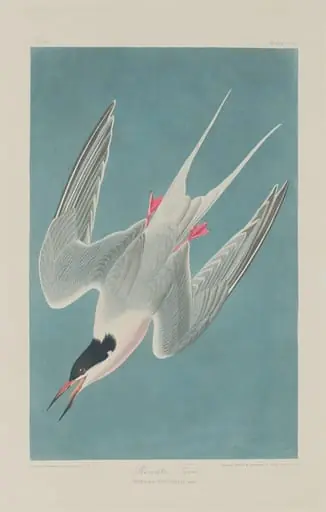
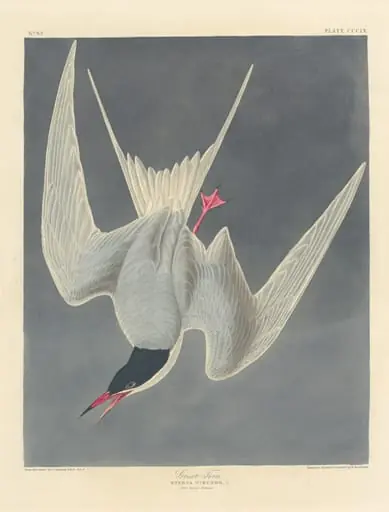
Created in 1836 by Robert Havell Jr., this hand-colored engraving and aquatint on Whatman wove paper portrays two lesser terns in mid-flight. Part of a broader tradition of natural history illustration, the work exemplifies the Havell family’s technical mastery in printmaking. Their workshop in London was known for precise tonal rendering, particularly in depictions of avian subjects for scientific and aesthetic audiences.
Subject & Meaning
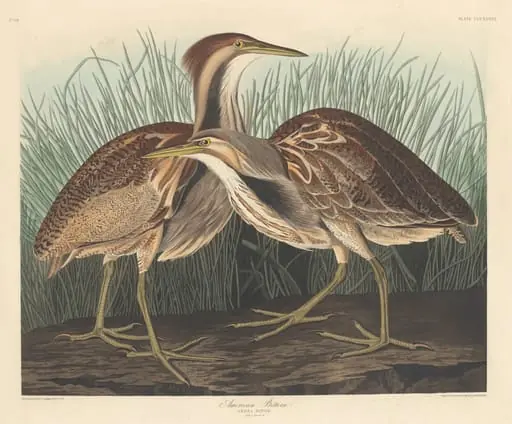
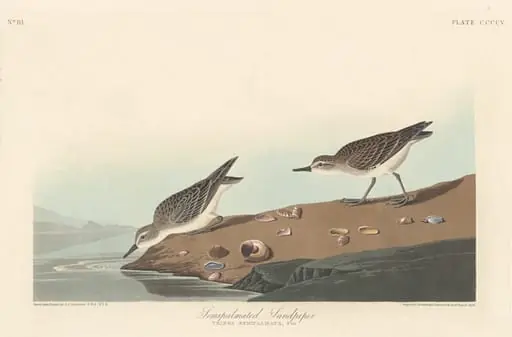
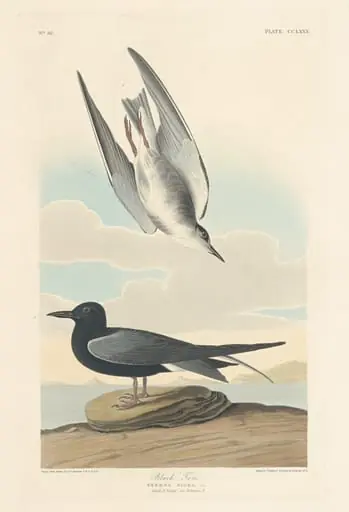
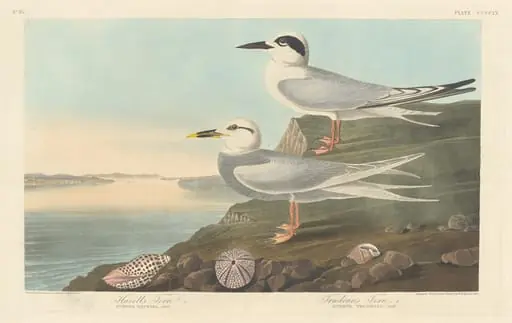
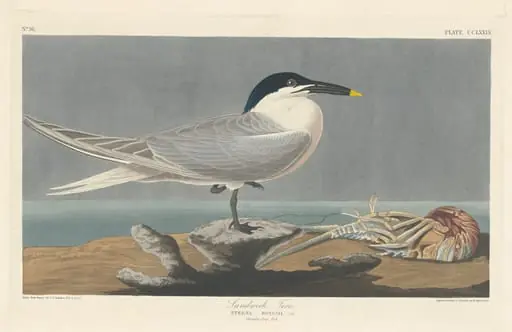
The image captures two lesser terns, a species of small seabird, in dynamic aerial motion. One bird displays white plumage with dark wing markings; the other, lower in composition, has a black cap and yellow beak. Their flight poses suggest movement and grace, emphasizing the bird’s agility over water. The composition avoids anthropomorphism, focusing instead on anatomical accuracy and natural behavior, aligning with 19th-century naturalist ideals.
Technique & Style
Havell employed aquatint to achieve subtle gradations of tone, particularly in the sky and feather textures, then added hand-coloring to enhance realism. The deep blue background, lightly textured with cloud forms, provides contrast to the birds’ pale bodies. Fine lines from engraving define wing contours, while the aquatint’s soft washes mimic atmospheric depth. This hybrid method was favored for its ability to balance detail with tonal richness.
History & Provenance
Robert Havell Jr. was part of a multi-generational family of engravers based in Reading and London, active from the late 18th through mid-19th centuries. His work on ornithological prints often supported scientific publications, including those linked to John James Audubon’s projects. This print likely originated as a plate in a natural history series, circulated among collectors and institutions interested in ornithology during the period’s surge in natural science documentation.
Context
In the 1830s, detailed bird illustrations were in high demand as natural history expanded beyond elite circles. Aquatint, with its capacity for nuanced shading, became a preferred medium for reproducing wildlife. The Havells’ prints contributed to this trend, bridging scientific observation and artistic representation. Though Romanticism influenced aesthetic sensibilities, this work prioritizes precision over emotional dramatization.
Legacy
Havell’s prints remain valued for their technical refinement and contribution to ornithological documentation. While not widely known outside specialist circles, his work helped standardize visual records of bird species for scientific use. The family’s output influenced later natural history illustrators and preserved visual data now critical for ecological and historical study.
Artist & collection

Artist
The Havell family of Reading, Berkshire, England, included a number of notable engravers, etchers and painters, as well as writers, publishers, educators, and musicians.