Artwork
Sooty Tern
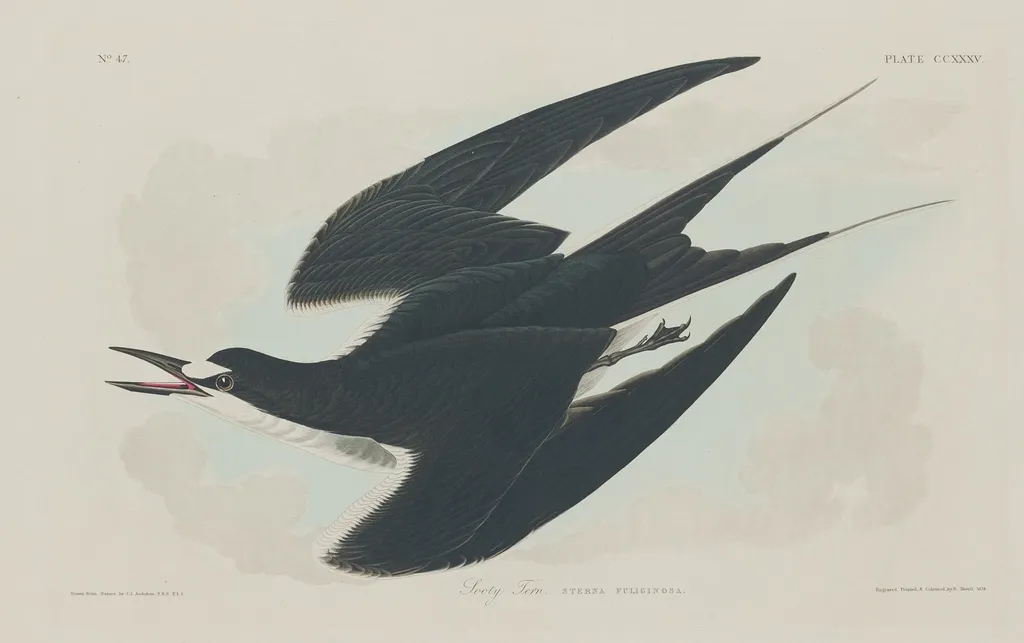
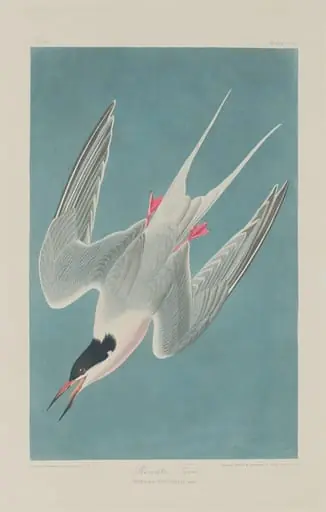
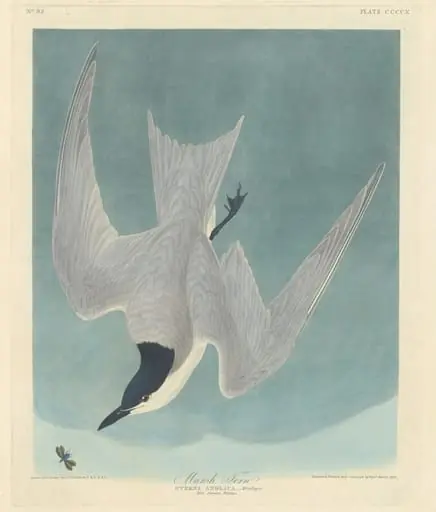
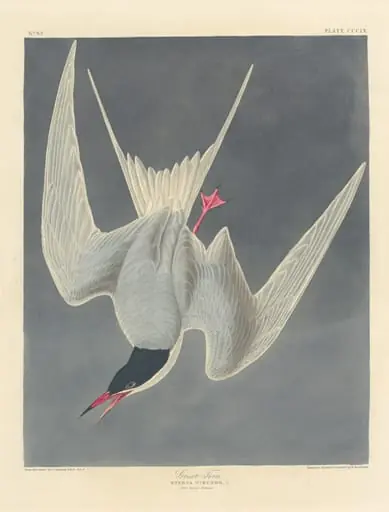
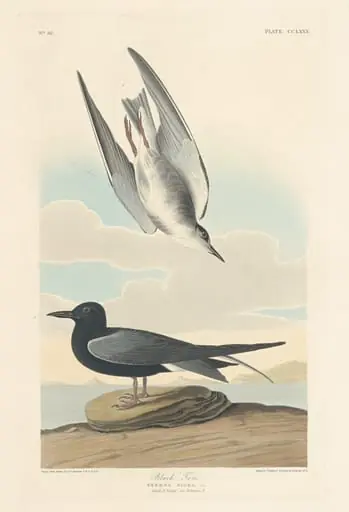
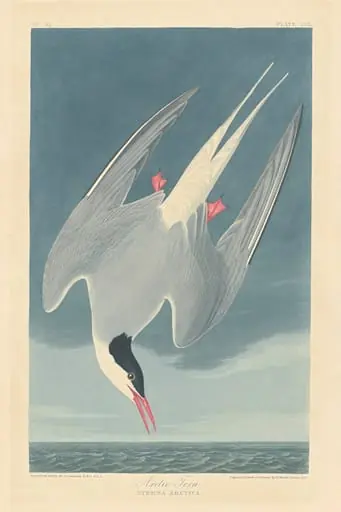
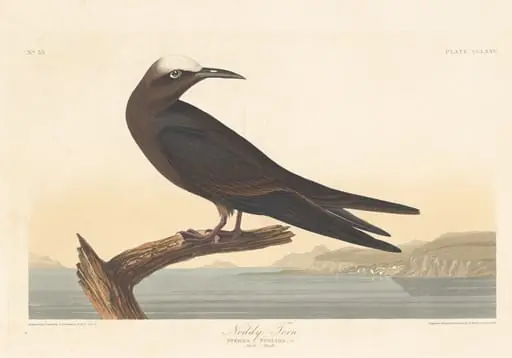
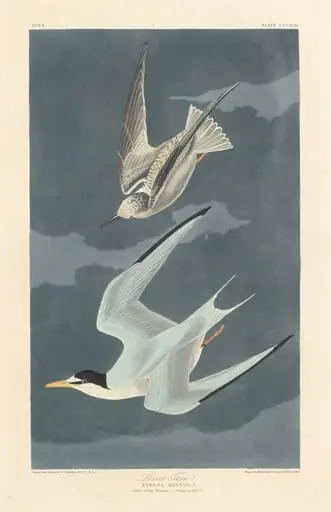
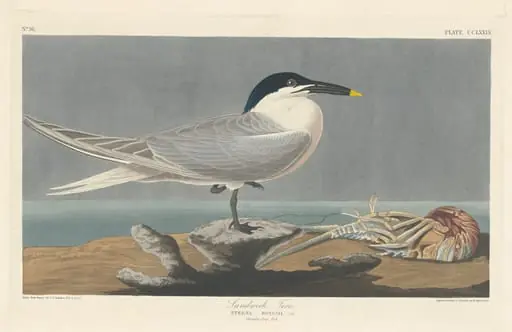
Sooty Tern is an ink print by the Romanticist artist Robert Havell Jr.. It dates from 1834 and is held in the collection of the National Gallery of Art.
About this work
Overview
The work was produced as part of a larger project documenting avian species, reflecting the 19th-century interest in systematic natural observation.
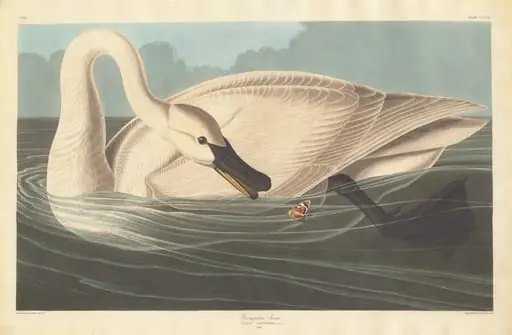
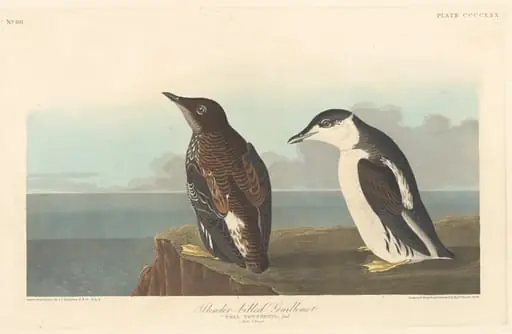
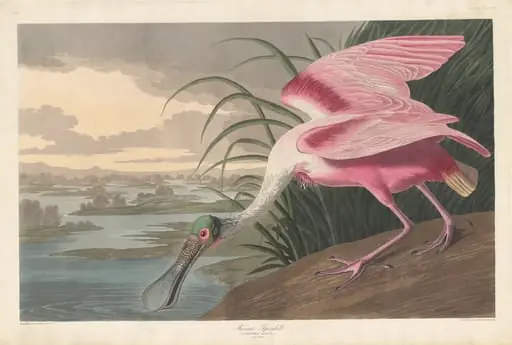
Created in 1834 by Robert Havell Jr., this hand-colored engraving and aquatint depicts a sooty tern on Whatman wove paper. Havell, part of a multi-generational English family of printmakers, specialized in natural history illustrations. The work was produced as part of a larger project documenting avian species, reflecting the 19th-century interest in systematic natural observation. Its delicate coloring and precise line work align with the standards of scientific illustration of the period.
Subject & Meaning
The sooty tern, a pelagic seabird, is shown in mid-flight with wings extended and slightly angled. Its dark upper plumage contrasts sharply with pale underwings and a faintly marked face, emphasizing its adaptation to life over open oceans. The minimal background—soft sky with indistinct clouds—focuses attention on the bird’s form. The red beak, though small, draws the eye, reinforcing anatomical accuracy. The image serves as a record of species rather than a symbolic or decorative piece.
Technique & Style
Havell employed aquatint to achieve subtle tonal transitions across the bird’s feathers, while fine engraving defined structural details like wing joints and feather edges. Hand-coloring was applied with precision to match observed plumage, avoiding exaggeration. The use of Whatman wove paper, known for its smooth texture, allowed for crisp ink transfer and delicate washes. The technique reflects a commitment to fidelity over artistic embellishment, typical of scientific prints of the era.
History & Provenance
The print originated in a multi-volume natural history publication, likely commissioned by a scientific society or publisher. Robert Havell Jr. was the principal engraver for John James Audubon’s *The Birds of America*, though this piece may belong to a separate, lesser-known series. Its production in England, rather than America, reflects the transatlantic exchange of naturalist knowledge and printmaking expertise during the 1830s.
Context
In the early 19th century, advances in print technology enabled detailed reproduction of natural specimens for scholarly and public audiences. Artists like Havell worked at the intersection of science and art, translating field observations into precise visual records. The emphasis on anatomical accuracy and neutral backgrounds mirrored contemporary botanical and zoological illustration practices, distinguishing them from ornamental natural history art.
Legacy
Though not widely exhibited today, works like this contributed to the foundation of modern ornithological documentation. Havell’s prints remain referenced in studies of 19th-century scientific illustration for their technical discipline and observational rigor. They represent a moment when printmaking served as a vital tool for disseminating biological knowledge before the advent of photography.
Artist & collection

Artist
The Havell family of Reading, Berkshire, England, included a number of notable engravers, etchers and painters, as well as writers, publishers, educators, and musicians.