Artwork
Columbian Humming Bird
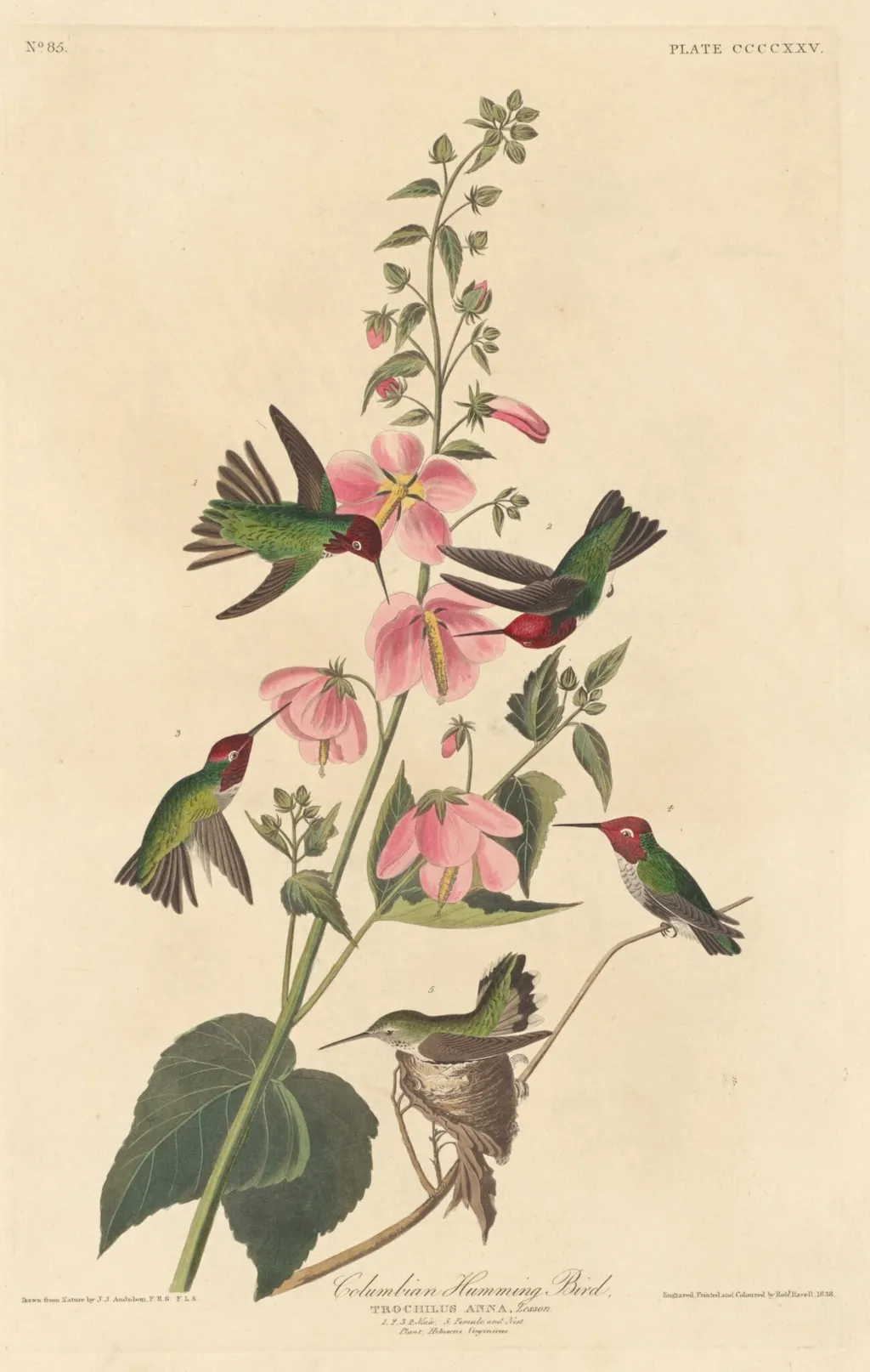
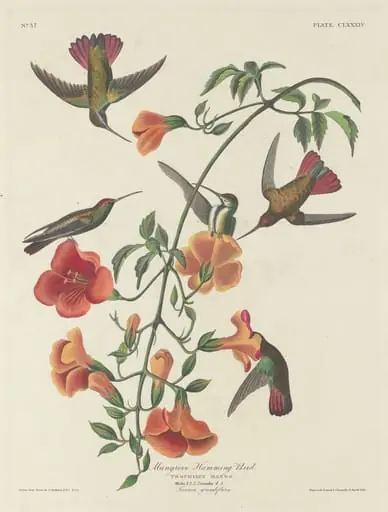
Columbian Humming Bird is an ink print by the Romanticist artist Robert Havell Jr.. It dates from 1838 and is held in the collection of the National Gallery of Art.
About this work
Overview
It belongs to a series of ornithological illustrations produced during the early 19th century, reflecting the era’s scientific interest in natural history.
Created in 1838 by Robert Havell Jr., this print is a hand-colored engraving and aquatint on Whatman wove paper. It belongs to a series of ornithological illustrations produced during the early 19th century, reflecting the era’s scientific interest in natural history. Havell, part of a family of English printmakers, specialized in detailed reproductive techniques that combined precision with delicate tonal gradations.
Subject & Meaning
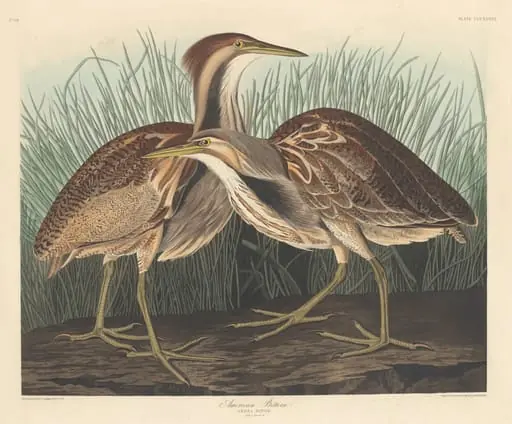
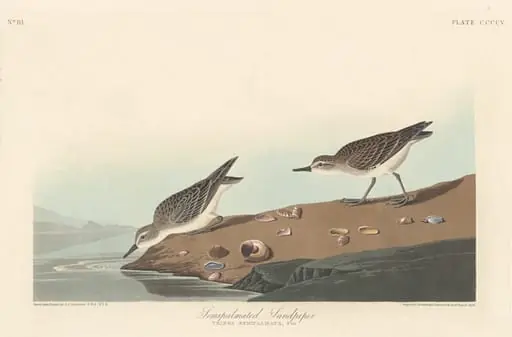
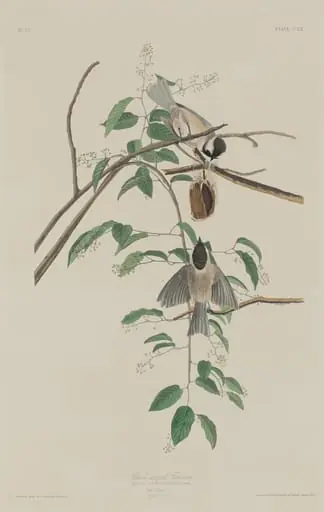
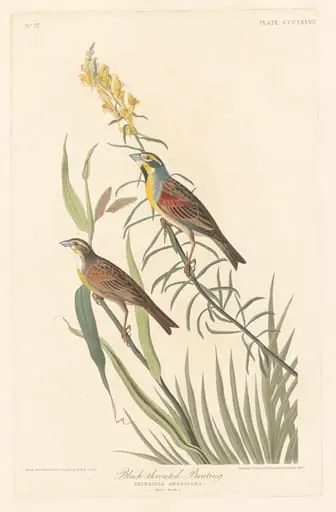
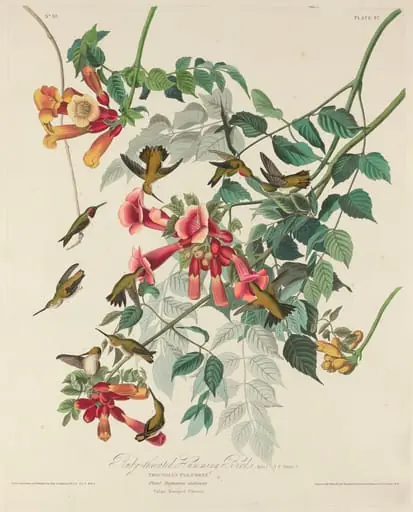
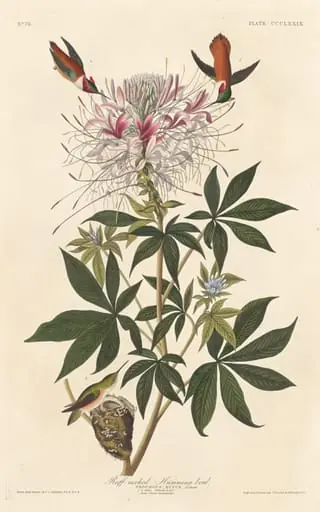
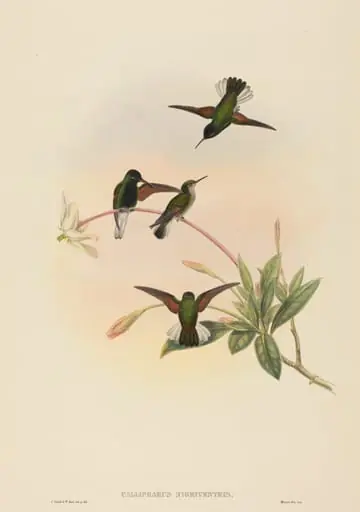
The image portrays a Columbian hummingbird in its natural habitat, surrounded by a flowering plant with pink blooms and green foliage. Four birds are depicted in varying poses—hovering, perched, or in flight—each rendered with anatomical accuracy. The composition emphasizes the bird’s vitality and its ecological relationship with the flora, aligning with contemporary naturalist goals to document species with both scientific and aesthetic intent.
Technique & Style
Havell employed engraving for fine linear detail and aquatint to achieve subtle gradations of tone, particularly in the birds’ plumage and flower petals. Hand-coloring was applied with care, enhancing the natural hues without obscuring the underlying etched lines. The use of Whatman paper, known for its smooth, absorbent surface, allowed for precise ink retention and delicate washes, contributing to the print’s lifelike texture.
History & Provenance
Robert Havell Jr. was the principal engraver for John James Audubon’s *Birds of America*, and this print likely originated from that project or a related publication. His workshop in London was renowned for reproducing naturalist illustrations with high fidelity. The work reflects the transatlantic exchange of scientific imagery, with specimens collected in the Americas interpreted through European printmaking traditions.
Context
In the 1830s, natural history illustration was a vital bridge between science and public curiosity. Advances in print technology enabled wider dissemination of detailed images of exotic species. Havell’s work emerged amid growing interest in biodiversity, supported by colonial exploration and museum collections. His prints served both scholarly audiences and the educated public seeking visual access to distant ecosystems.
Legacy
Havell’s prints remain valued for their technical refinement and fidelity to observed specimens. While later photographic methods replaced hand-coloring, his work preserved a moment when art and science converged in meticulous documentation. The *Columbian Humming Bird* exemplifies the enduring influence of 19th-century printmaking in shaping how natural history was visually understood and transmitted.
Artist & collection

Artist
The Havell family of Reading, Berkshire, England, included a number of notable engravers, etchers and painters, as well as writers, publishers, educators, and musicians.