Artwork
Ruff-necked Humming-bird
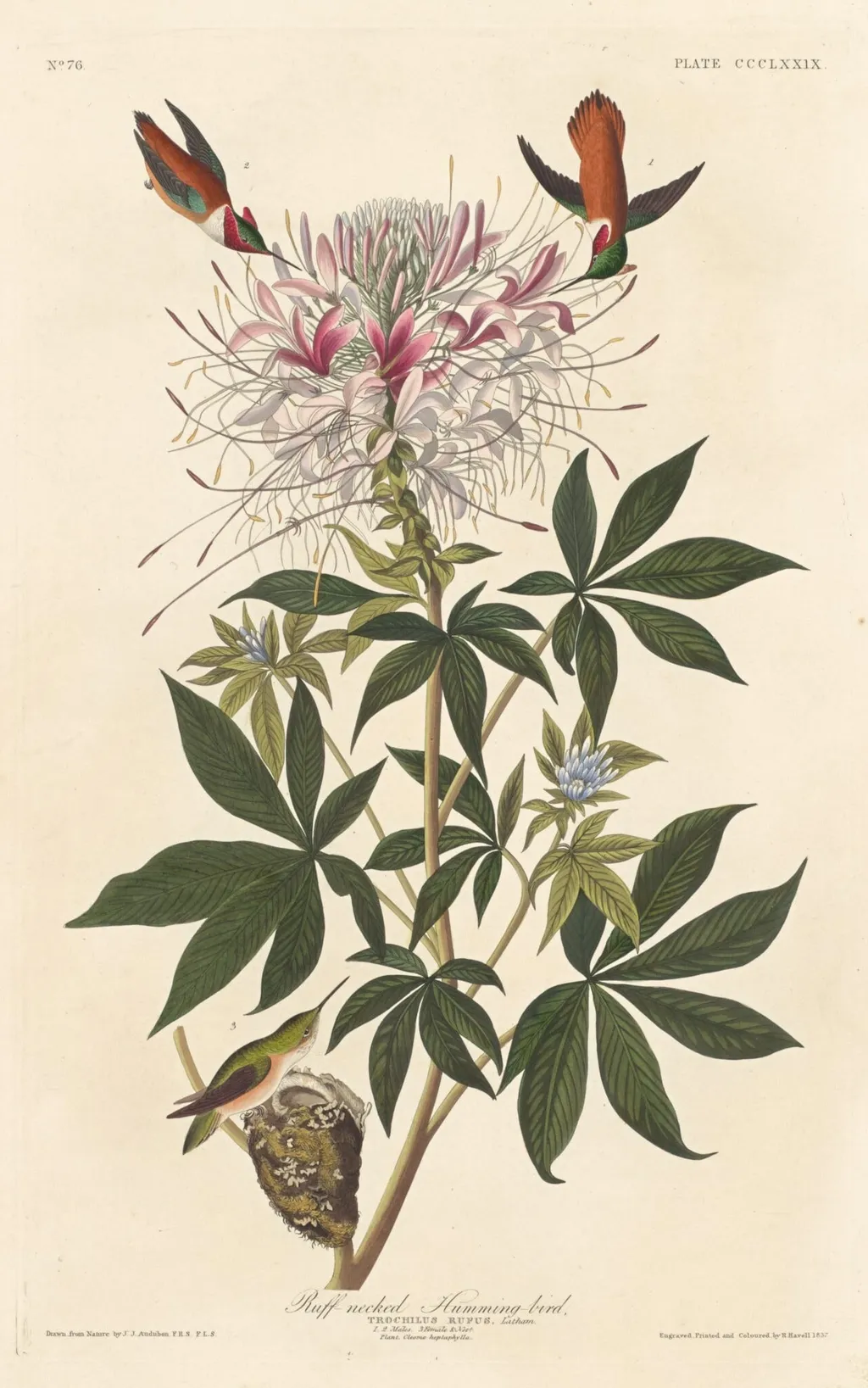
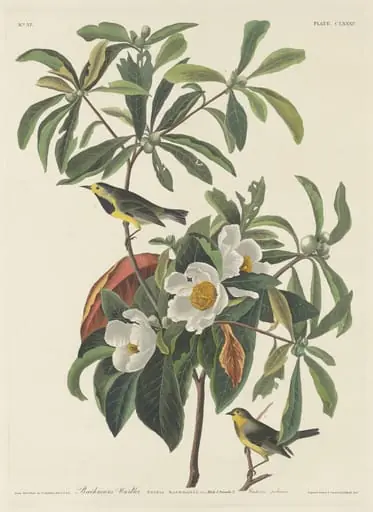
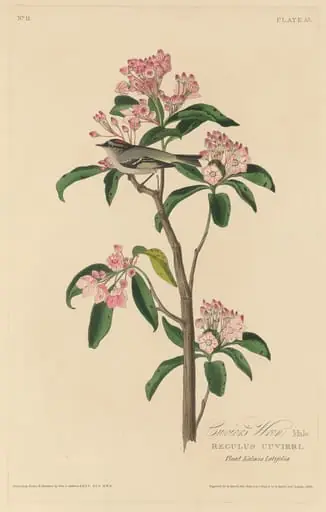
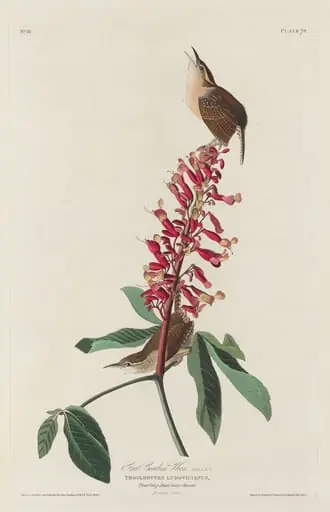
Ruff-necked Humming-bird is an ink print by the Romanticist artist Robert Havell Jr.. It dates from 1837 and is held in the collection of the National Gallery of Art. Created in 1837, the print titled *Ruff‑necked Humming‑bird* combines hand‑colored engraving with aquatint on a sheet of Whatman wove paper.
About this work
Overview
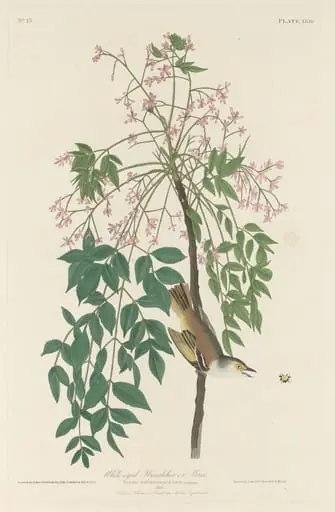
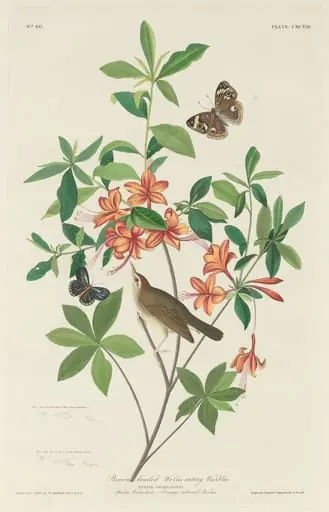
The image presents a hummingbird with a distinctive ruffled neck, perched amid a tall, bright‑green plant bearing clusters of pink, bell‑shaped flowers.
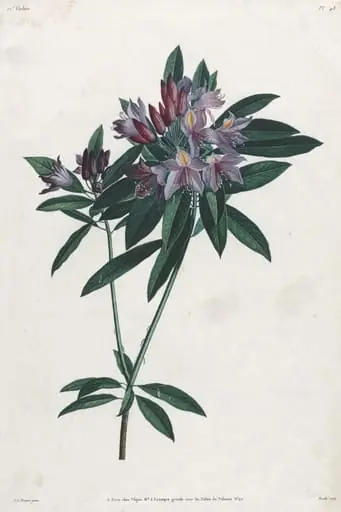
Created in 1837, the print titled *Ruff‑necked Humming‑bird* combines hand‑colored engraving with aquatint on a sheet of Whatman wove paper. The image presents a hummingbird with a distinctive ruffled neck, perched amid a tall, bright‑green plant bearing clusters of pink, bell‑shaped flowers. Scientific nomenclature appears beneath the illustration, indicating its purpose as a natural‑history reference.
Subject & Meaning
The composition focuses on two hummingbirds hovering near the blossoms; one displays a rust‑colored neck, the other a green back. Detailed foliage and sharply rendered beaks emphasize the accuracy of the depiction, aligning the work with 19th‑century efforts to document and educate viewers about exotic species.
Technique & Style
Havell employed a combination of fine engraving lines and aquatint washes, then applied hand‑applied colour to enhance the natural tones. Cross‑hatching creates texture in the leaves, while the aquatint provides subtle tonal gradations, allowing the delicate feathers and flower petals to emerge with depth and realism.
History & Provenance
Robert Havell Jr., a member of the Reading‑based Havell family of engravers, produced the print as part of the family’s long tradition of aquatint work. The Havells, including his father Robert Havell Sr. and uncle Luke Havell, were known for their engagement with Indian subjects and natural‑history illustration, and this piece continues that lineage.
Context
Issued during a period of heightened European interest in Indian flora and fauna, the print reflects both scientific curiosity and the aesthetic tastes of the era. Such illustrated plates were commonly included in natural‑history publications intended for scholars and educated amateurs.
Artist & collection

Artist
The Havell family of Reading, Berkshire, England, included a number of notable engravers, etchers and painters, as well as writers, publishers, educators, and musicians.