Artwork
Mangrove Cuckoo
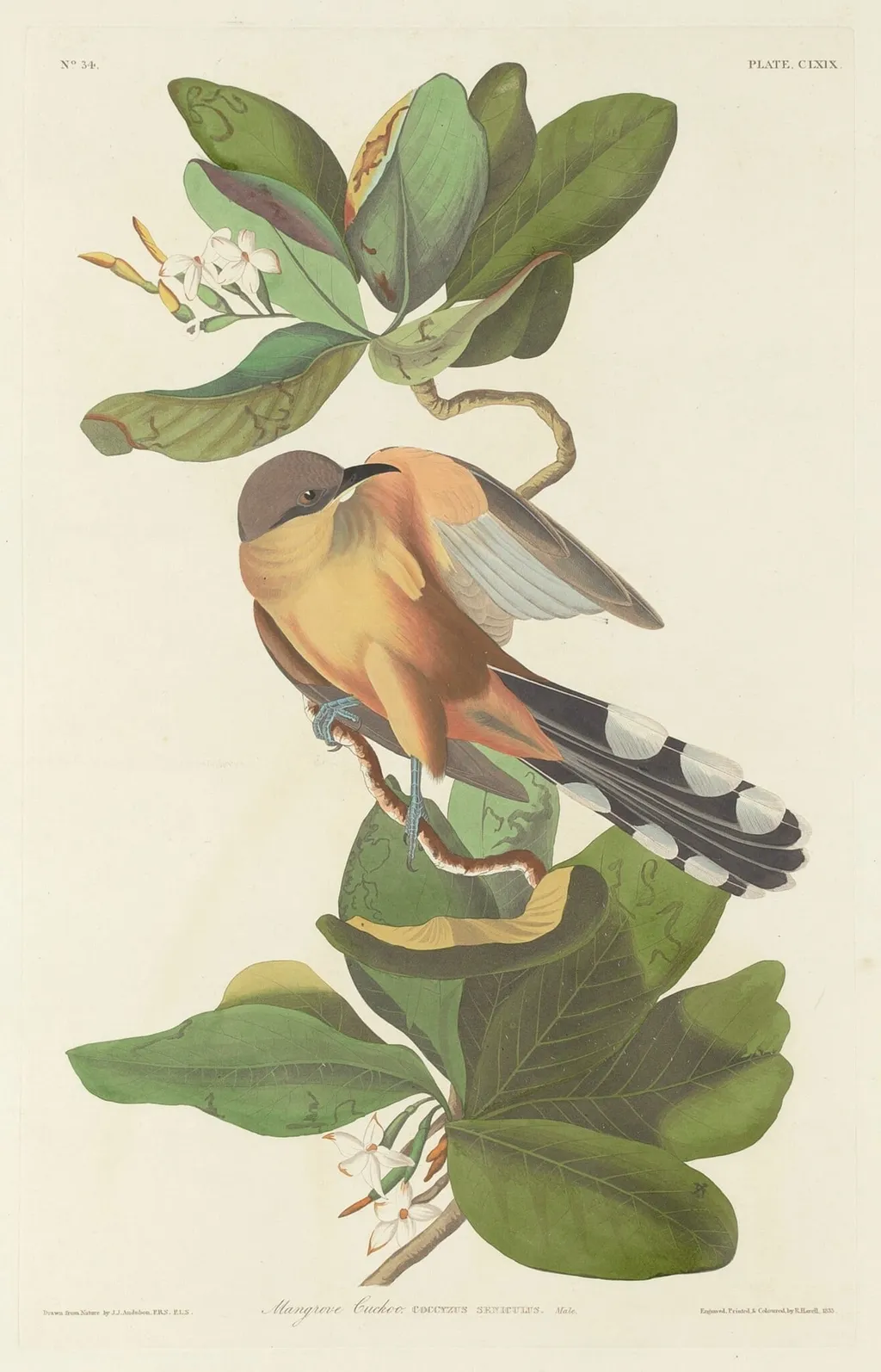
Mangrove Cuckoo is an ink print by the Romanticist artist Robert Havell Jr.. It dates from 1833 and is held in the collection of the National Gallery of Art.
About this work
Overview
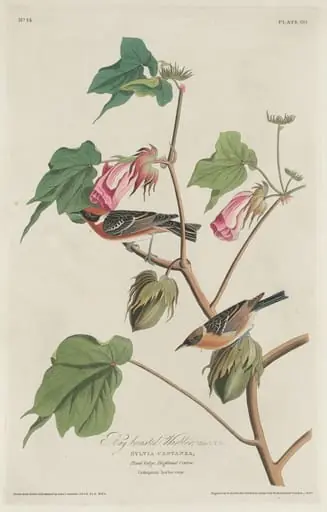
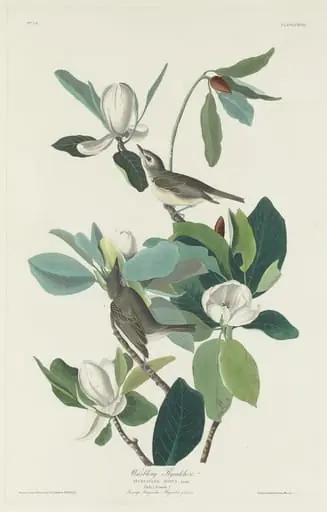
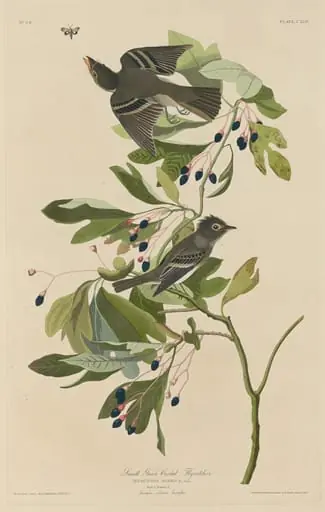
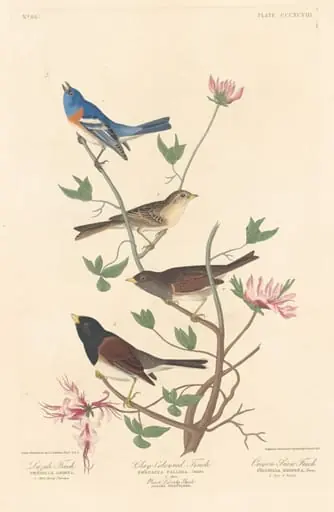
Robert Havell Jr. produced the print *Mangrove Cuckoo* in 1833. Executed with a hand‑coloured engraving combined with aquatint on fine Whatman wove paper, the work exemplifies the technical skill of early nineteenth‑century British printmaking.
Subject & Meaning
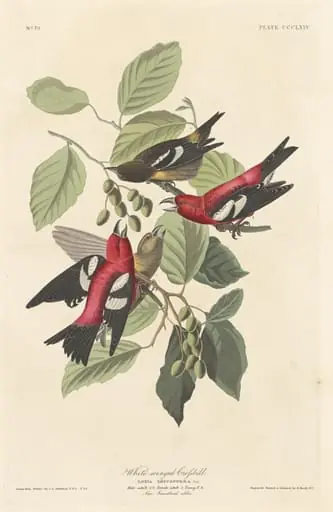
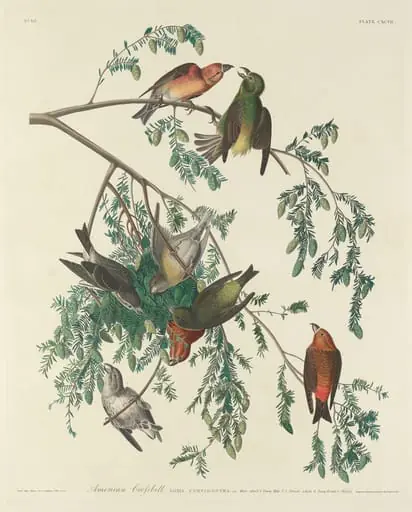
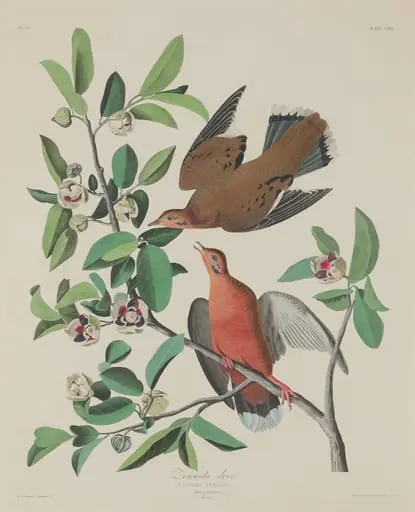
The image presents a solitary bird perched on a branch amid verdant foliage. Its plumage blends bright yellows, oranges and earthy browns, while the beak and legs are rendered in stark black. The bird’s wings are fanned, revealing a contrasting pattern of white and black feathers, and the surrounding branch is dotted with white blossoms, creating a tranquil natural tableau.
Technique & Style
Havell employed a dual process: a line engraving to define form, followed by aquatint to achieve tonal washes, then applied hand‑applied colour to enhance detail. The use of Whatman wove paper provides a smooth, uniform surface that supports both the fine line work and the subtle gradations characteristic of aquatint.
Context
The Havell family were prominent engravers and publishers, with Robert’s father and uncle establishing a reputation for aquatint work and for producing images related to Indian art and culture. This lineage situates *Mangrove Cuckoo* within a broader tradition of cross‑cultural visual exchange during the British colonial period.
Artist & collection

Artist
The Havell family of Reading, Berkshire, England, included a number of notable engravers, etchers and painters, as well as writers, publishers, educators, and musicians.