Artwork
White-winged Crossbill
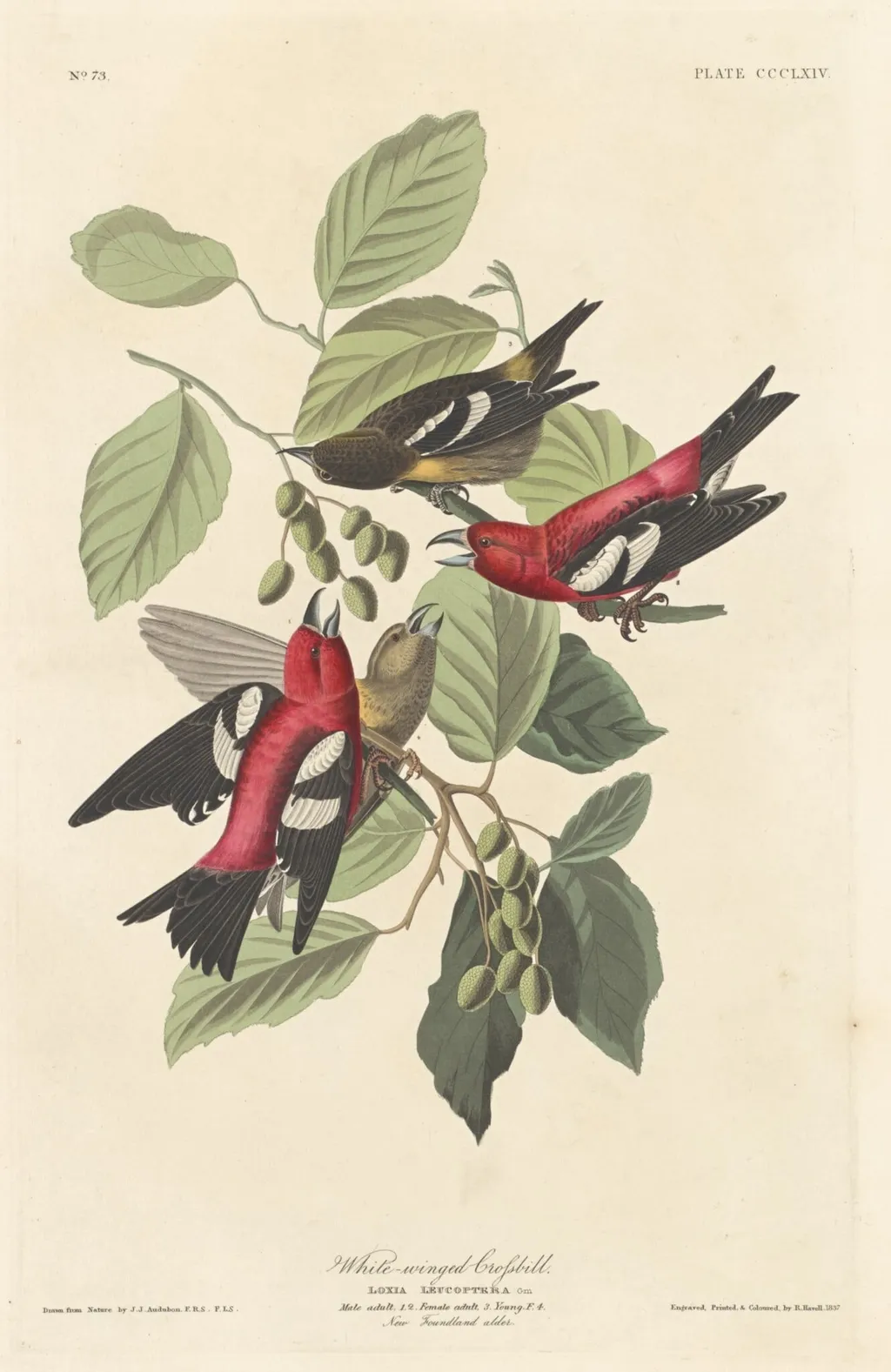
White-winged Crossbill is an ink print by the Romanticist artist Robert Havell Jr.. It dates from 1837 and is held in the collection of the National Gallery of Art.
About this work
Overview
Robert Havell Jr. produced the print titled *White‑winged Crossbill* in 1837. Executed on Whatman wove paper, the image combines hand‑coloring with engraving and aquatint, techniques for which the Havell family were renowned. The work portrays three finches perched on a leafy branch, focusing attention on their plumage and distinctive beaks.
Subject & Meaning
The central figure is a white‑winged crossbill, a finch noted for its uniquely notched beak adapted to extracting seeds from conifer cones. Two of the birds appear bright red with black wings and white wing patches, while a smaller, brown bird sits nearby. The label on the print identifies the species, indicating the image derives from direct observation rather than imagination.
Technique & Style
Havell employed a combination of line engraving and aquatint to render fine details and tonal variation, then applied hand‑applied watercolor to enhance the birds’ colors. The plain background isolates the subjects, a common compositional choice in natural history prints that emphasizes anatomical accuracy.
History & Provenance
The Havell workshop, active in the early nineteenth century, was celebrated for its contributions to scientific illustration and for connections to Indian artistic circles. *White‑winged Crossbill* reflects this lineage, embodying the family’s expertise in printmaking methods that were widely used for documenting flora and fauna during the period.
Artist & collection

Artist
The Havell family of Reading, Berkshire, England, included a number of notable engravers, etchers and painters, as well as writers, publishers, educators, and musicians.

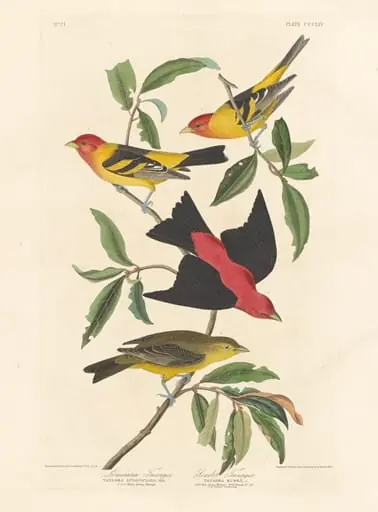 Louisiana Tanager and Scarlet Tanager
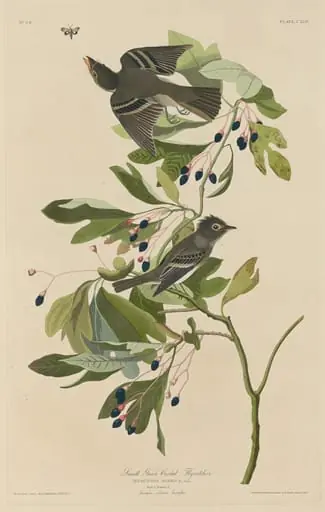 Small Green-Crested Flycatcher
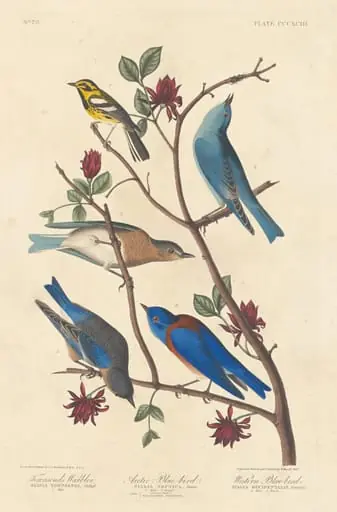 Townsend's Warbler, Arctic Blue Bird and Western Blue Bird
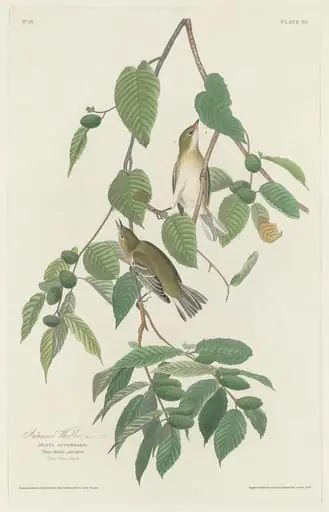 Autumnal Warbler
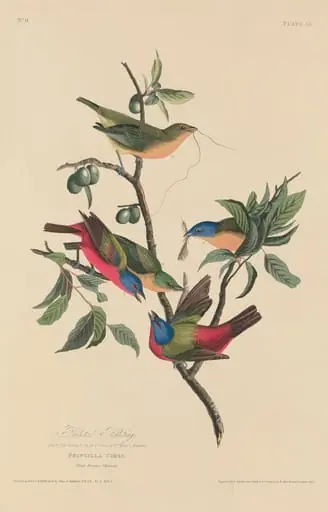 Painted Bunting
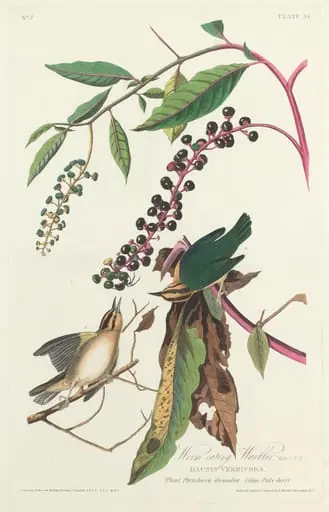 Worm-eating Warbler
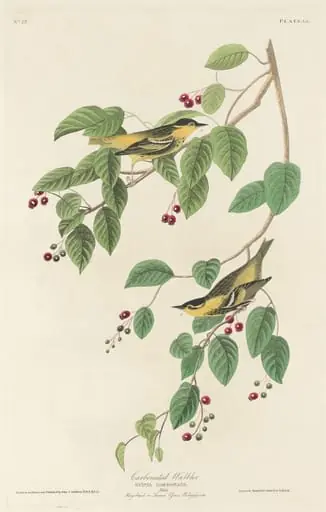 Carbonated Warbler
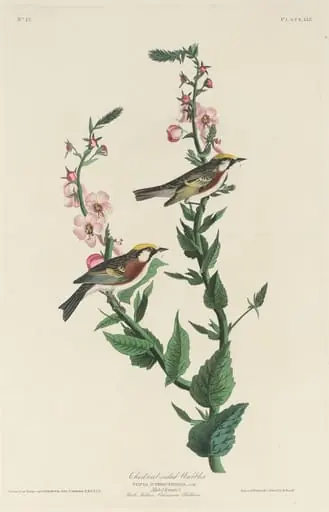 Chestnut-sided Warbler
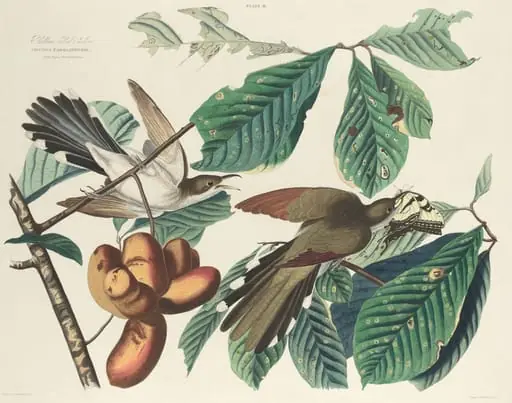 Yellow-billed Cuckoo
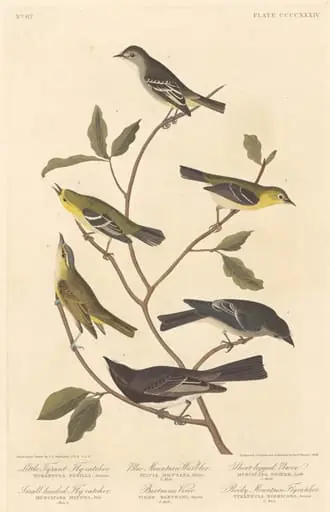 Little Tyrant Flycatcher, Small-Headed Flycatcher, Blue Mountain Warbler, Bartram's Vireo, Short-Legged Pewee, and Rocky Mountain Flycatcher
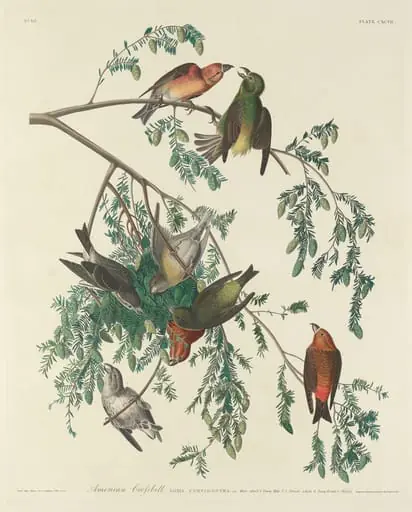 American Crossbill
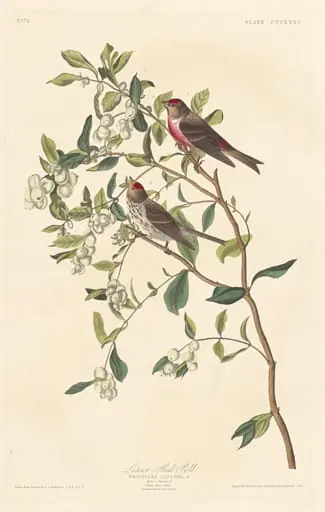 Lesser Red-poll