Artwork
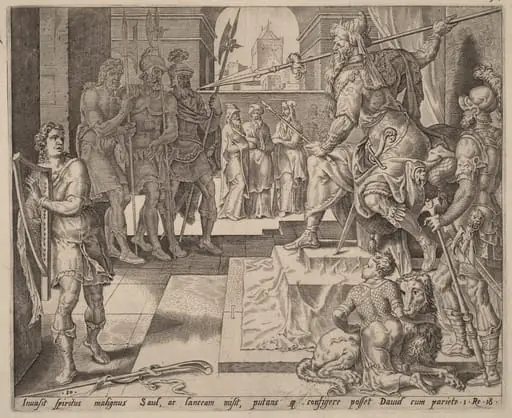
David is Welcomed after Killing Goliath, and Saul's Jealousy
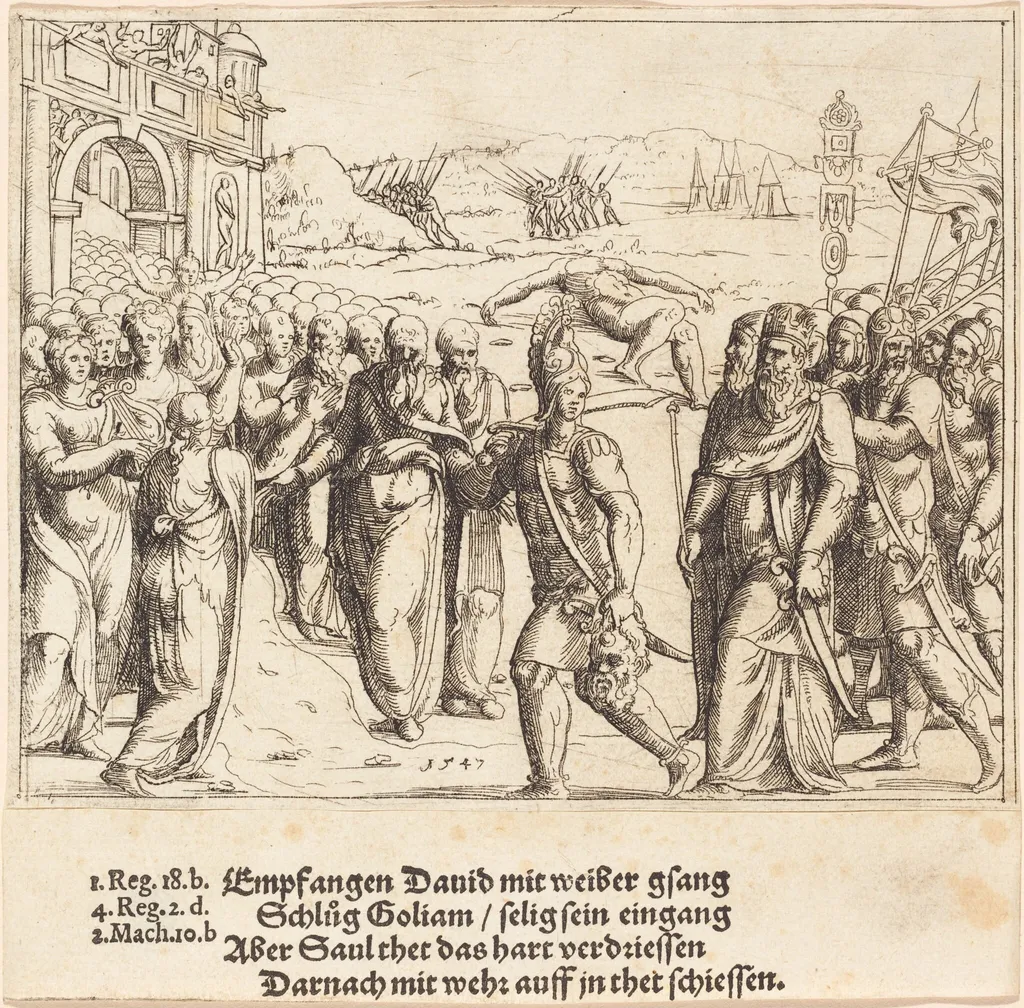
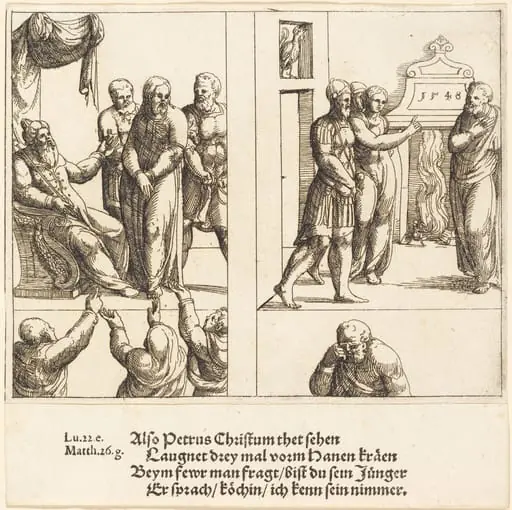
David is Welcomed after Killing Goliath, and Saul's Jealousy is an ink print by the Renaissance artist Augustin Hirschvogel. It dates from 1547 and is held in the collection of the National Gallery of Art.
About this work
Overview
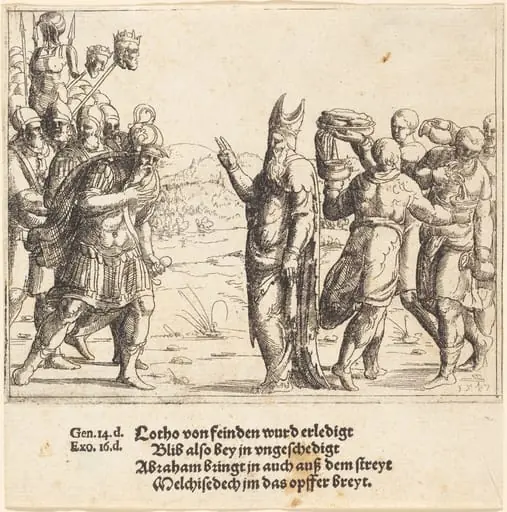
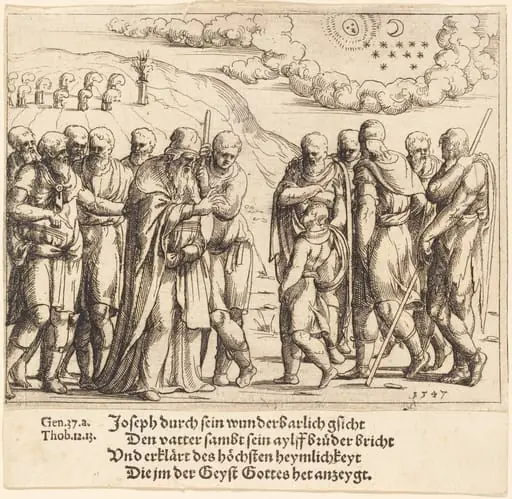
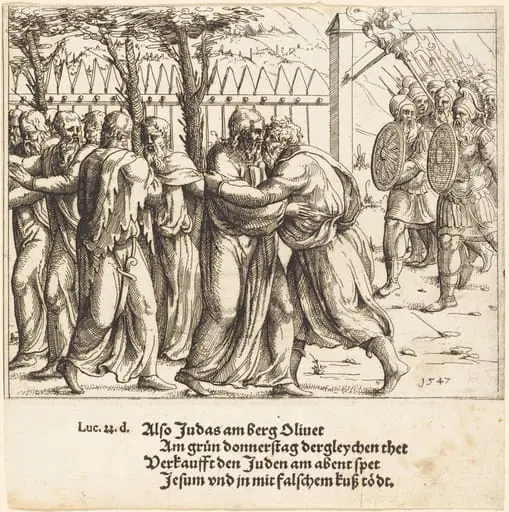
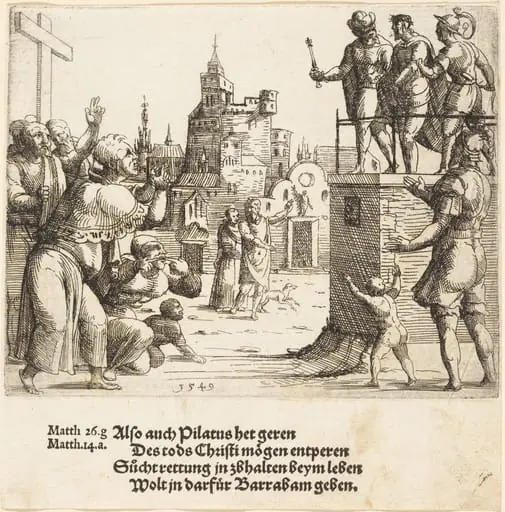
Created in 1547, this etching by Augustin Hirschvogel presents the biblical moment when David returns triumphant after defeating Goliath, while King Saul watches with envy. The print, executed in a compact format, combines a crowded foreground of onlookers with a distant cityscape, framing the narrative within a detailed, narrative-driven composition.
Subject & Meaning
The work visualizes the tension between youthful heroism and royal jealousy: David, sword in hand, is greeted by a group of celebrants, whereas Saul’s presence in the background signals his resentment toward the young warrior’s acclaim. The juxtaposition underscores themes of loyalty, rivalry, and the political consequences of divine favor in the biblical story.
Technique & Style
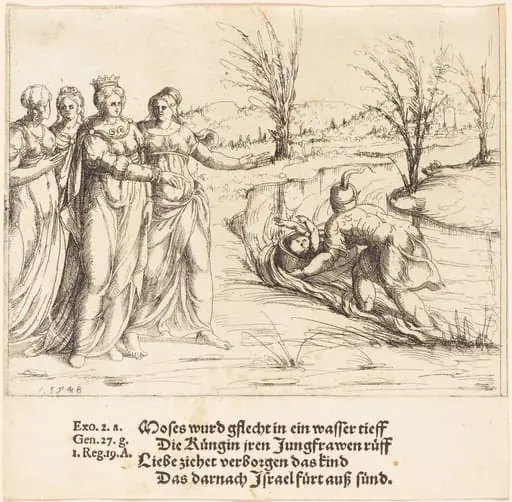
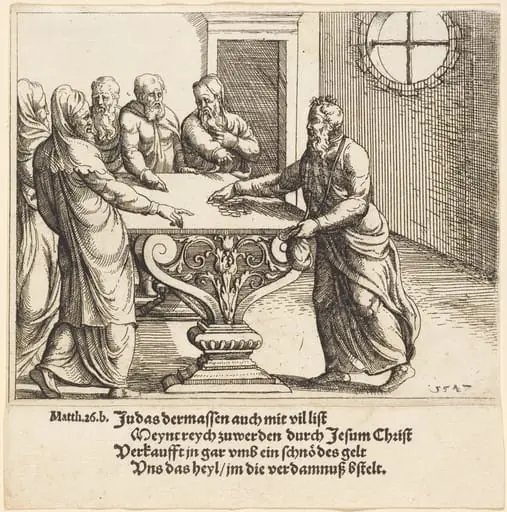
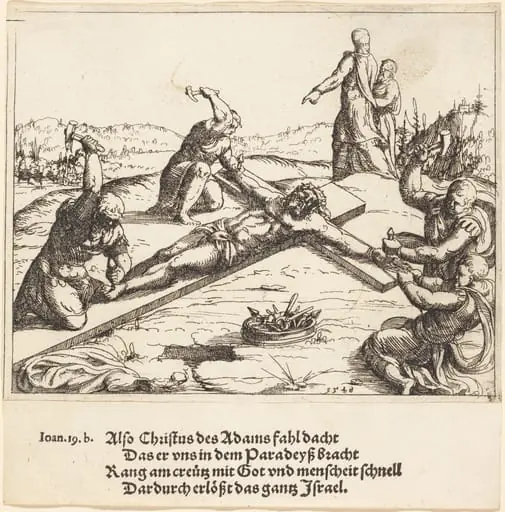
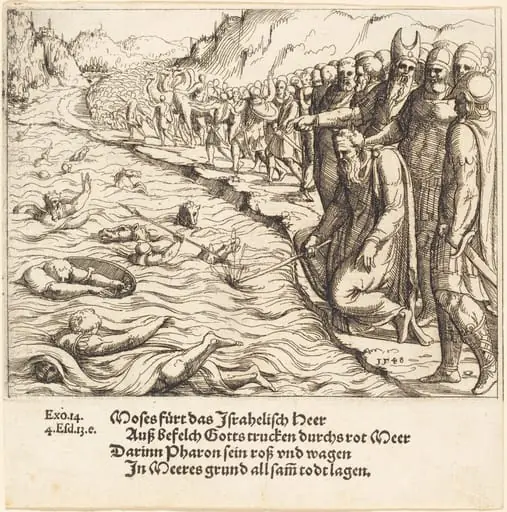
Hirschvogel employs fine line work and cross‑hatching to render texture, from the folds of clothing to the stone of the city gates. The intricate arrangement of figures and architectural elements reflects the meticulous approach of the Danube School, emphasizing naturalistic detail and a balanced spatial depth typical of mid‑16th‑century printmaking.
History & Provenance
The etching belongs to a series of thirty‑five small landscape prints Hirschvogel produced between 1545 and 1549, a period when he was active as a mathematician and cartographer as well as an artist. Though originally circulated among collectors of the time, the print now resides in museum collections that document the crossover of scientific and artistic practices in Renaissance Germany.
Artist & collection
Artist
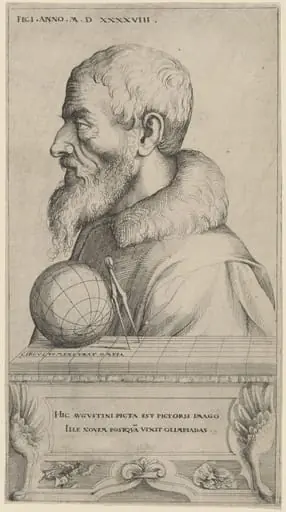
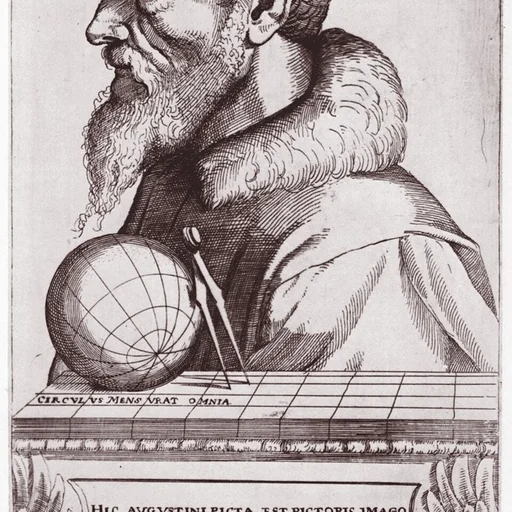
Augustin Hirschvogel (1503 – February 1553) was a German artist, mathematician, and cartographer known primarily for his etchings.