Artwork
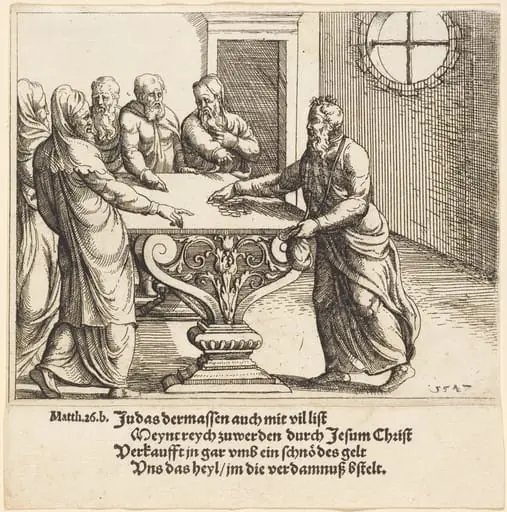
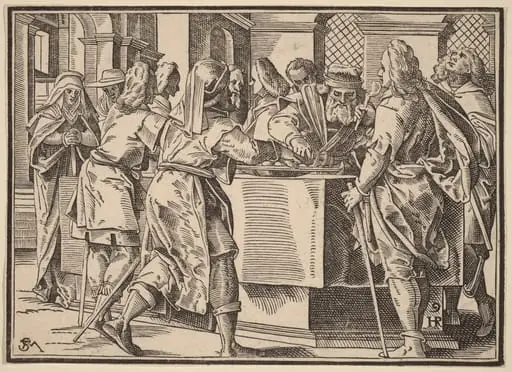
The Payment of Judas
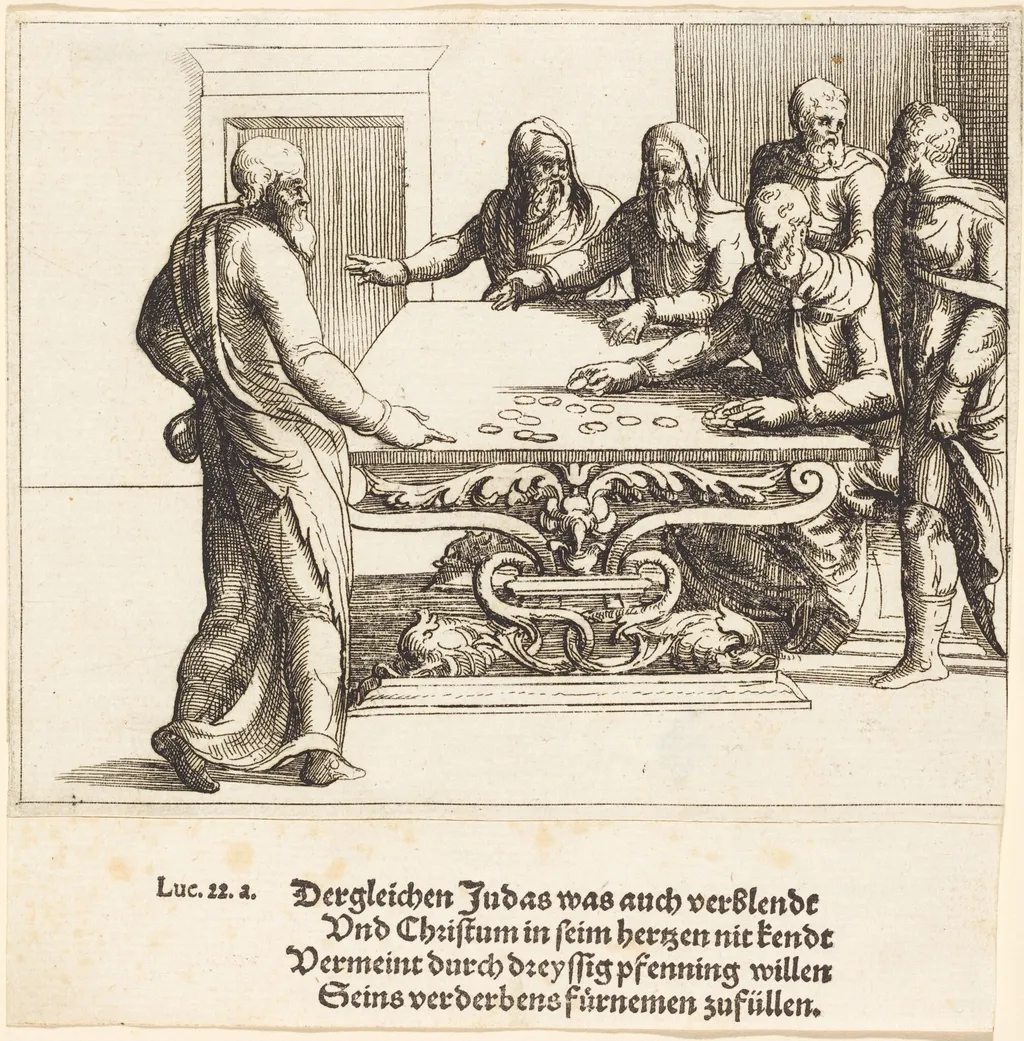
The Payment of Judas is an ink print by the Renaissance artist Augustin Hirschvogel. It dates from 1528 and is held in the collection of the National Gallery of Art.
About this work
Overview
The Payment of Judas is an etching created by Augustin Hirschvogel in 1528. It is a representative work of the Danube School, a group of 16th-century artists active in Bavaria and Austria.
Subject & Meaning
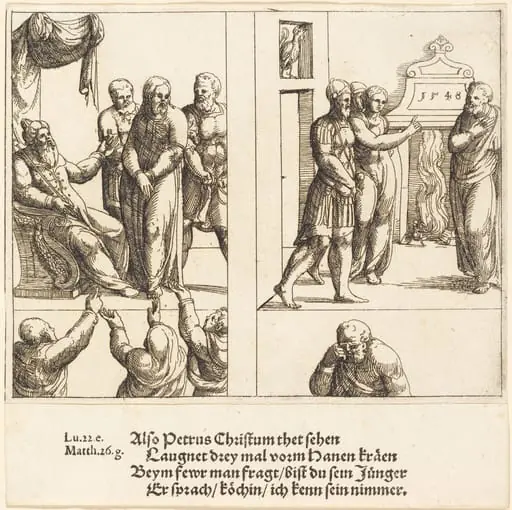
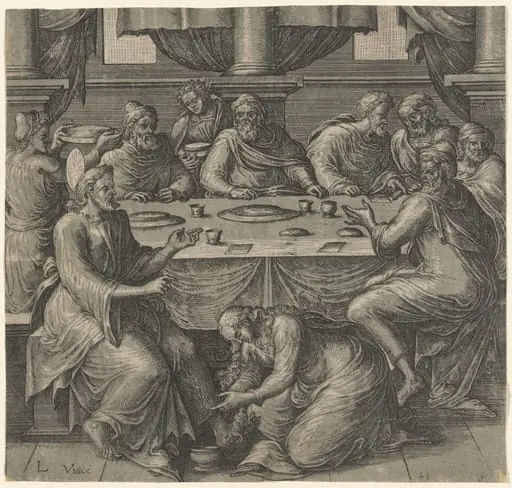
The etching depicts a biblical scene: six men, dressed in robes, gather around a table with intricate carvings. One figure receives coins from another, referencing the betrayal of Jesus by Judas.
Technique & Style
Hirschvogel's work is characterized by detailed realism, evident in the rendering of textures and shading. The use of chiaroscuro creates depth and volume, engaging the viewer.
History & Provenance
Hirschvogel, a German artist with expertise in mathematics and cartography, produced The Payment of Judas early in his career, before his notable landscape etchings from 1545-1549.
Artist & collection
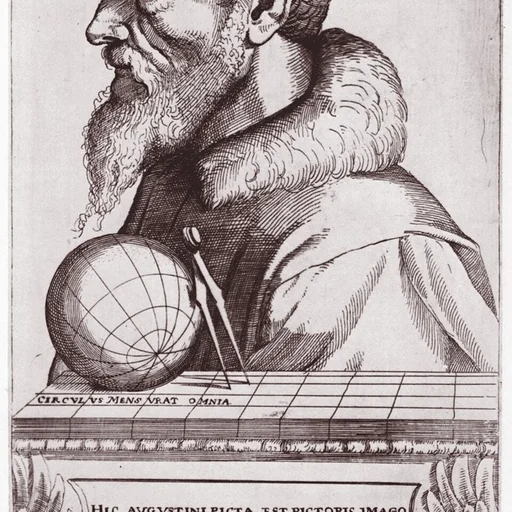
Artist
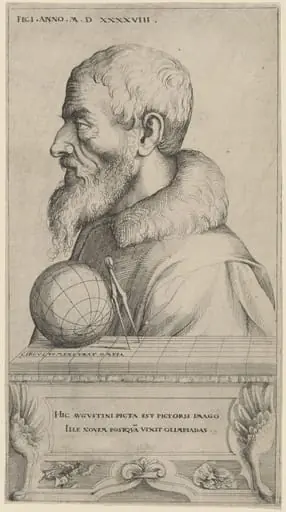
Augustin Hirschvogel (1503 – February 1553) was a German artist, mathematician, and cartographer known primarily for his etchings.