Artwork
The Resurrection
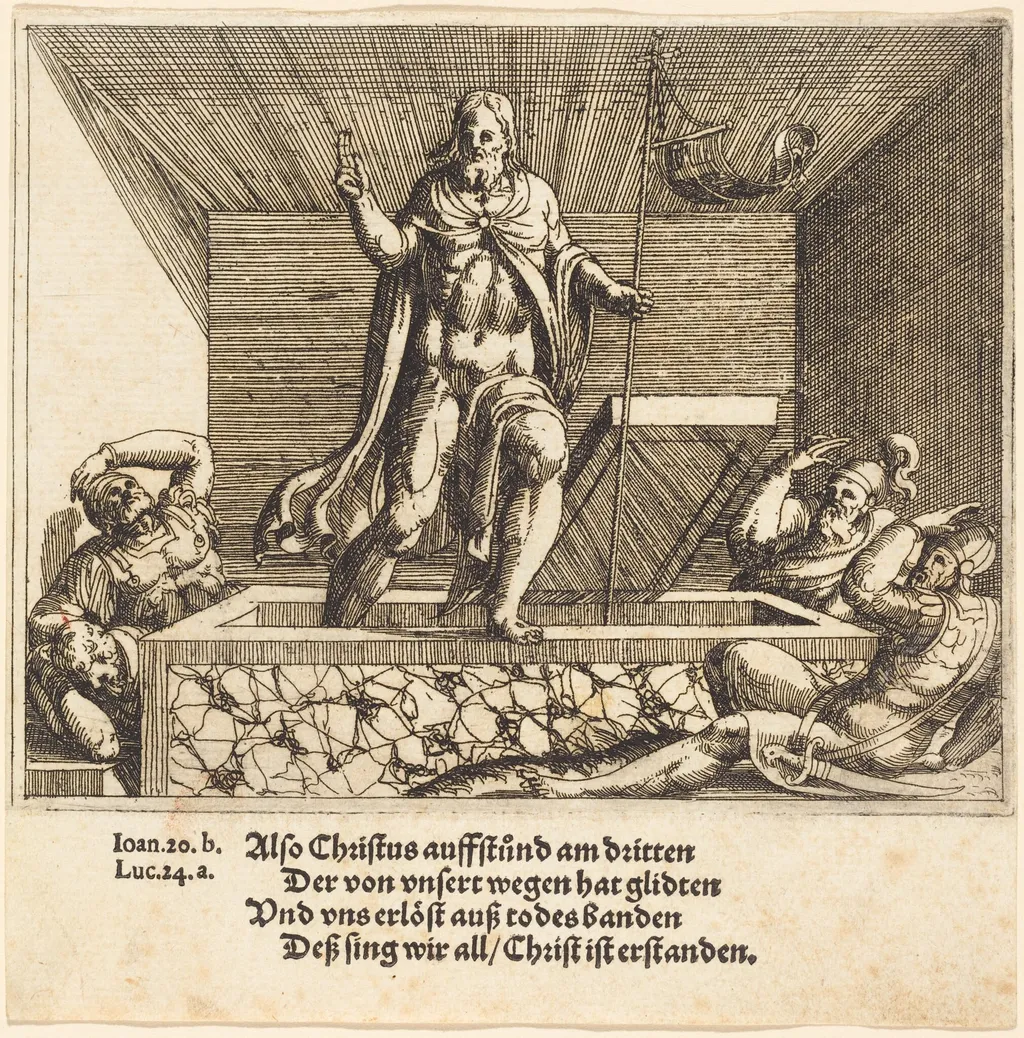
The Resurrection is an ink print by the Renaissance artist Augustin Hirschvogel. It dates from 1528 and is held in the collection of the National Gallery of Art.
About this work
Overview
This work exemplifies his early mastery of the medium, predating his later landscape series that linked him to the Danube School.
Augustin Hirschvogel, a German artist active in the early 16th century, produced *The Resurrection* in 1528 as an etching. Known for his precision in printmaking, he also contributed to mathematics and cartography. This work exemplifies his early mastery of the medium, predating his later landscape series that linked him to the Danube School. The print captures a biblical moment with intense graphic clarity and structural rigor.
Subject & Meaning
The image depicts Christ rising from the tomb, depicted as a powerful, bearded figure holding a staff and gesturing toward heaven. Beneath him, the shattered sarcophagus signals triumph over death. Around the tomb, figures lie in deep slumber, their relaxed postures contrasting with Christ’s dynamic stance. The accompanying German inscription cites scripture, reinforcing the theological theme of resurrection as divine victory and awakening.
Technique & Style
Hirschvogel employed fine, controlled etching lines to model muscular anatomy and dramatic shadows. The contrast between dense black areas and sharp, clean contours heightens the sense of movement and weight. His use of cross-hatching defines form without relying on tone alone, showcasing the potential of etching to convey both physical presence and spiritual intensity. The composition is tightly focused, directing attention to the central figure’s upward gesture.
History & Provenance
Created in 1528, *The Resurrection* belongs to Hirschvogel’s early period, before his well-known landscape etchings of the mid-1540s. While his later works are often associated with the Danube School, this print reflects his engagement with religious themes during the Reformation era. Its survival in multiple collections suggests early circulation among collectors and religious institutions interested in devotional imagery.
Context
In 1528, religious imagery in print form was widely disseminated across German-speaking regions, serving both devotional and educational roles. Hirschvogel’s etching aligns with a broader trend of artists translating biblical narratives into accessible visual formats. His technical precision reflects the growing sophistication of printmaking, which allowed for wider distribution of religious and intellectual ideas during the Reformation.
Legacy
Though Hirschvogel is now more frequently noted for his landscapes, *The Resurrection* remains a significant example of his early religious work. It demonstrates how etching could convey complex theological narratives with clarity and emotional force. His approach influenced later printmakers interested in combining anatomical precision with spiritual subject matter, contributing to the evolution of Northern Renaissance print culture.
Artist & collection
Artist
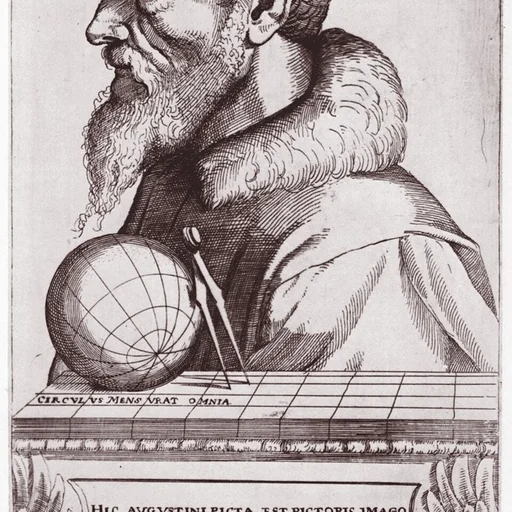
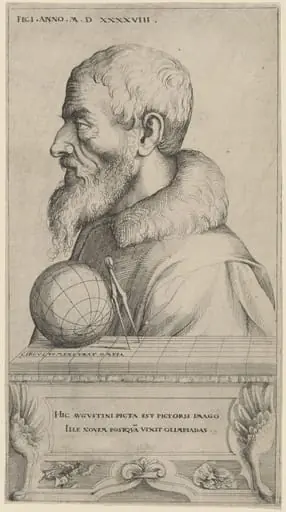
Augustin Hirschvogel (1503 – February 1553) was a German artist, mathematician, and cartographer known primarily for his etchings.

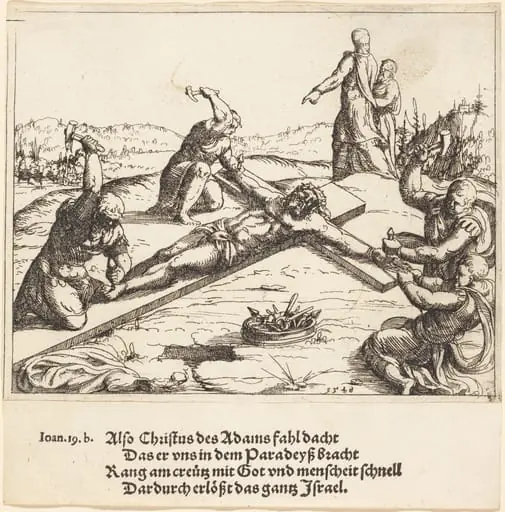
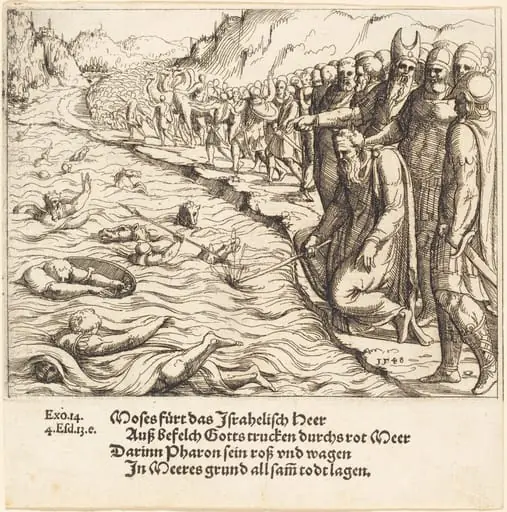
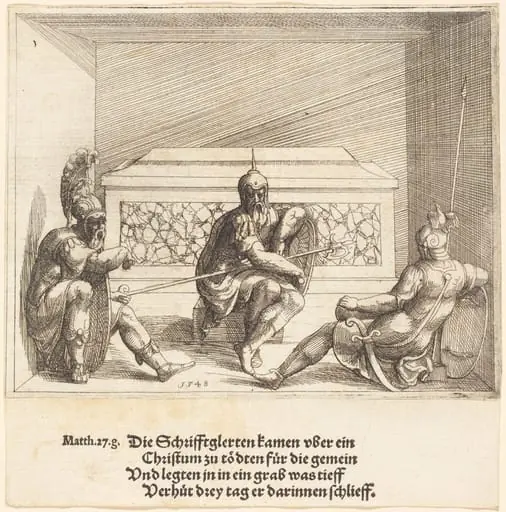 Christ in the Tomb
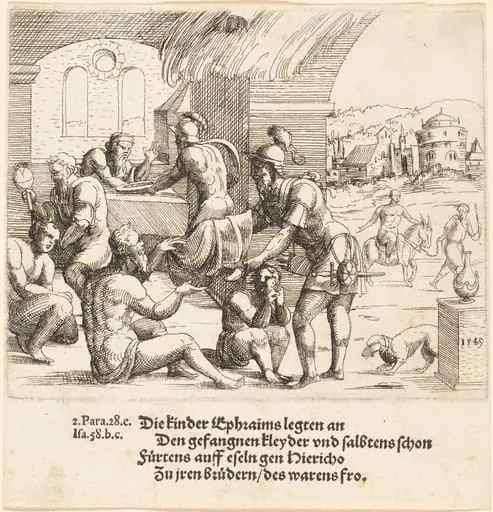 The Men of Ephraim Care for their Captives and Return Them to Jerico
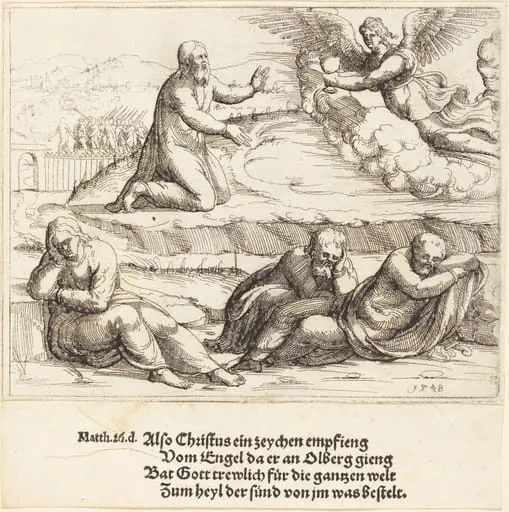 The Agony in the Garden
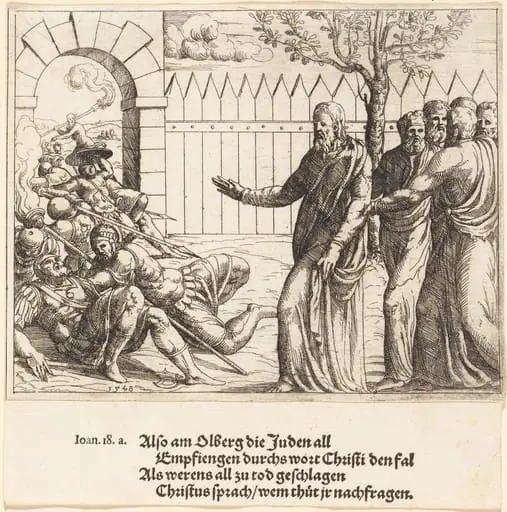 Jesus Identifies Himself before the Arrest
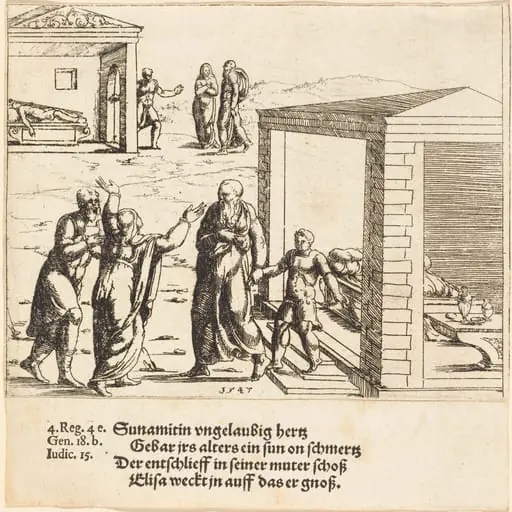 Elisha Raises the Son of the Shunammite
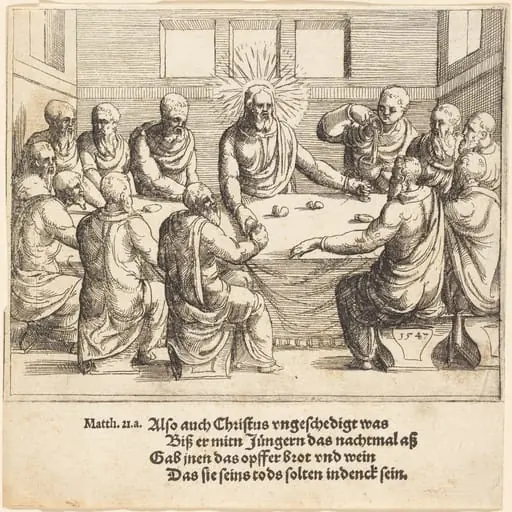 The Last Supper
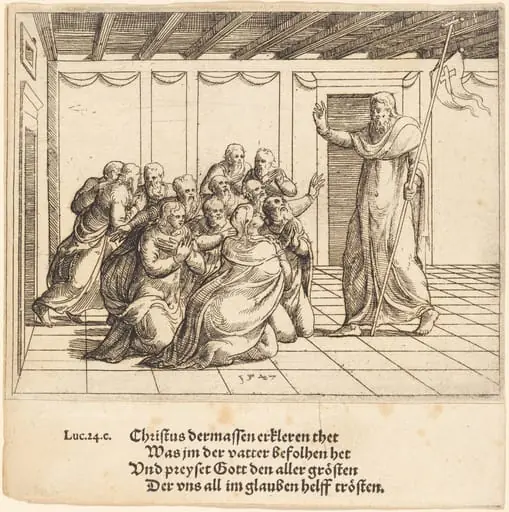 Christ Appears to the Apostles
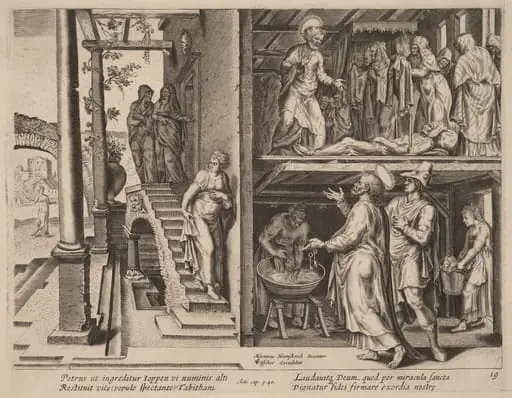 The Raising of Tabitha
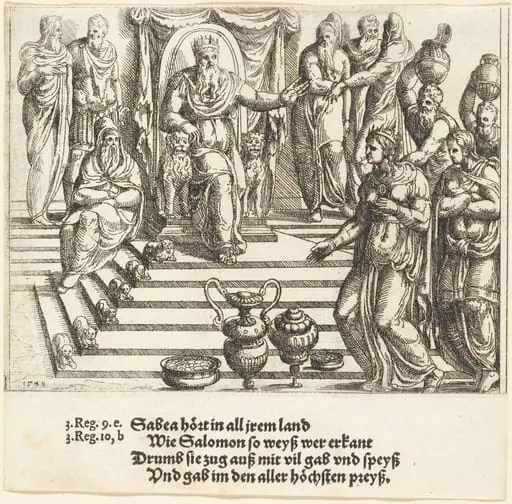 Queen of Sheba's Visit to Solomon
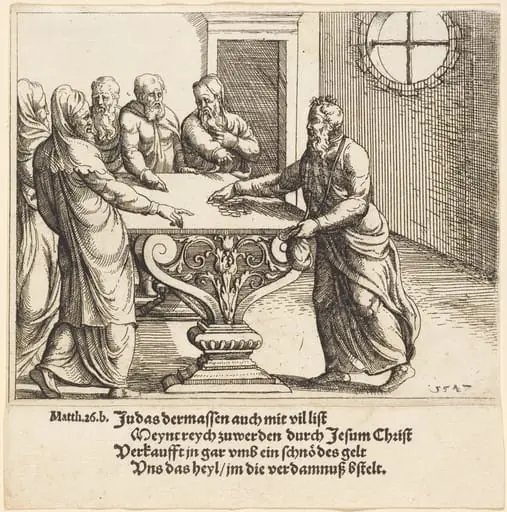
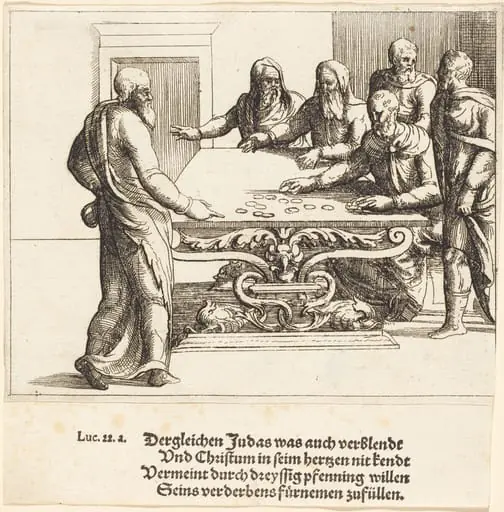 The Payment of Judas
 Christ is Given Vinegar to Drink