Artwork
Epileptics Walking to the Right
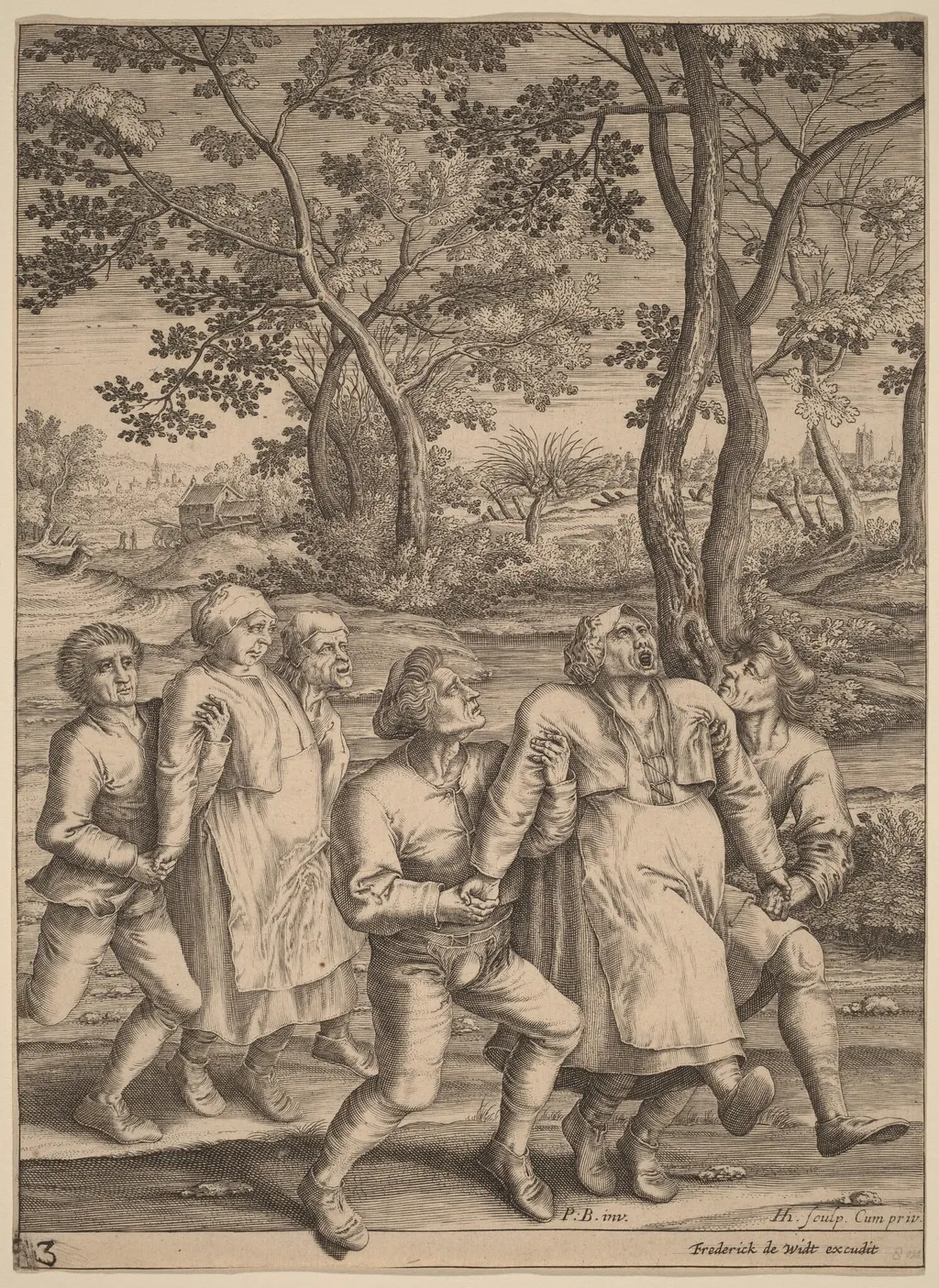
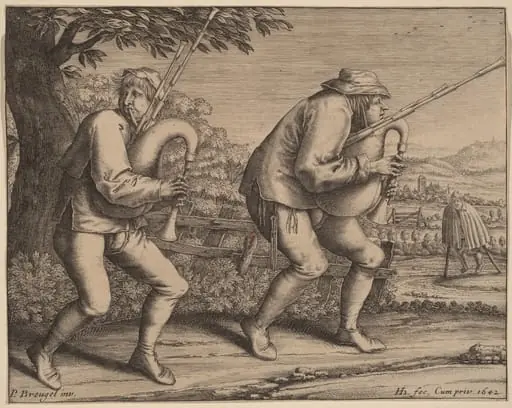
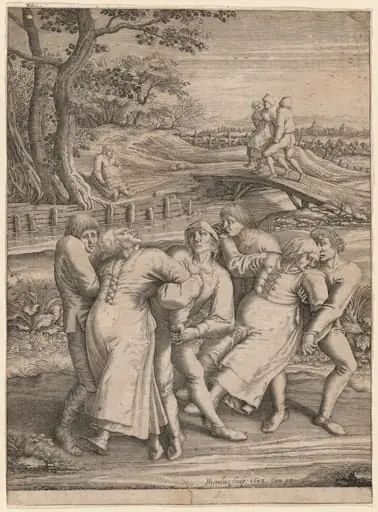
Epileptics Walking to the Right is an ink print by the Baroque artist Hendrik Hondius I. It dates from 1642 and is held in the collection of the National Gallery of Art.
About this work
Overview
Hendrik Hondius I’s 1642 engraving titled Epileptics Walking to the Right presents a procession of five figures moving in single file across a rural setting.
Hendrik Hondius I’s 1642 engraving titled Epileptics Walking to the Right presents a procession of five figures moving in single file across a rural setting. The men are attired in period costume, their expressions strained and postures uneasy, suggesting a collective affliction. Behind them a wooded landscape unfolds, punctuated by foliage and a distant settlement, framing the scene with a sense of depth.
Subject & Meaning
The work depicts individuals identified by the period’s terminology as “epileptics,” a reference to sufferers of seizure disorders. Their gestures—hands grasping heads, bodies leaning forward—convey the physical turmoil associated with such episodes. By arranging the figures in a line, Hondura may be commenting on the social visibility of illness and the shared experience of vulnerability within a community.
Technique & Style
Executed as an engraving, the image relies on incised lines to render texture and volume. Hondius employs cross‑hatching to model the fabric of the clothing and the bark of trees, creating tonal variation without the use of color. The crispness of the line work yields a precise, almost clinical representation, characteristic of early‑modern Dutch printmaking.
History & Provenance
Created in the mid‑seventeenth century, the print reflects contemporary medical and moral attitudes toward neurological disorders. It was likely circulated among collectors of anatomical and genre subjects, though specific ownership records are scarce. The engraving survives in several museum and library collections, attesting to its continued relevance for scholars of early modern visual culture.
Artist & collection


 Diogenes and His Cup
 Diogenes Casting Away His Bowl
 Peasants Fighting
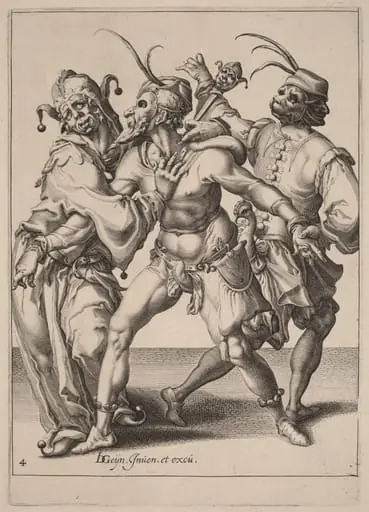 Three Dancing Mummers, Including a Jester
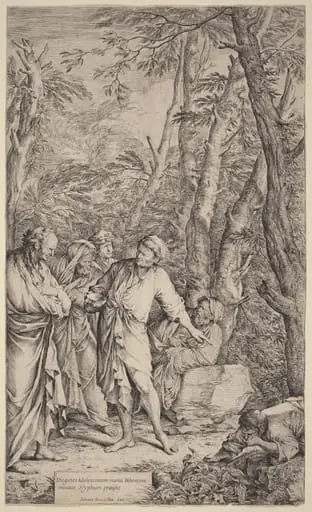 Diogenes Casting away his Bowl
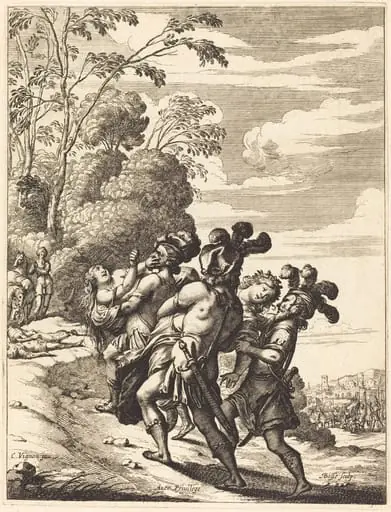 Illustration to Jean Desmarets' "L'Ariane"
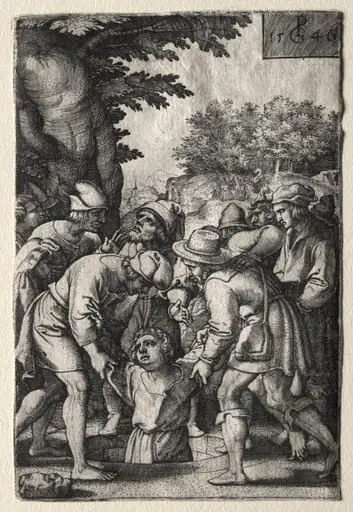 Joseph Lowered into a Well
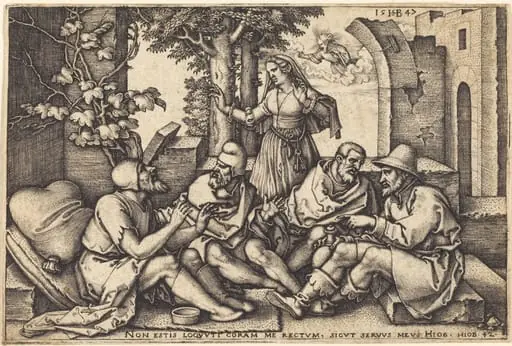 Job Conversing with His Friends
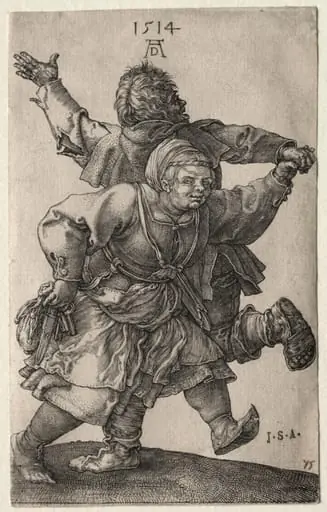 Peasant Couple Dancing
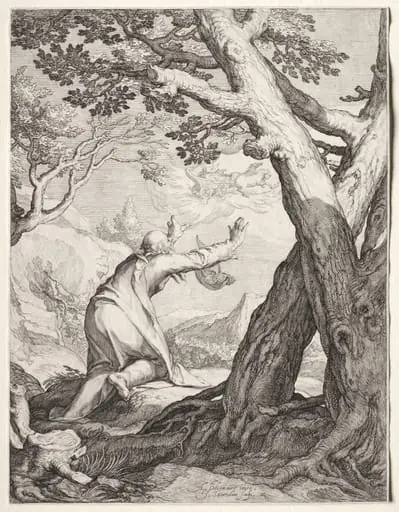 Elisha and Elijah's Chariot of Fire
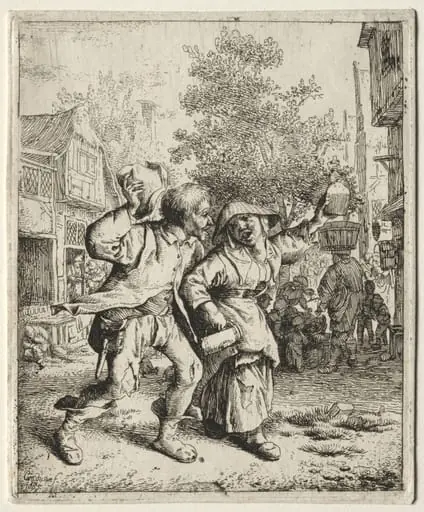 The Drunken Couple
 Epileptics Walking to the Left