Artwork
The Catiline Conspiracy
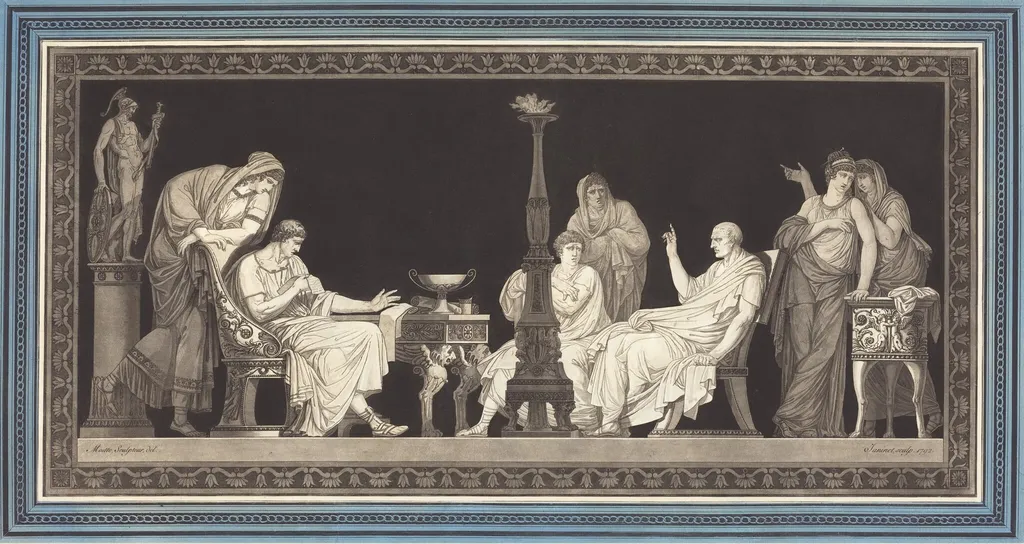
The Catiline Conspiracy is an ink print by the Romanticist artist Jean-François Janinet. It dates from 1792 and is held in the collection of the National Gallery of Art.
About this work
Overview
Jean‑François Janinet’s 1792 print titled The Catiline Conspiracy presents a compact, chiaroscuro composition of seven figures gathered around a seated man. The group is arranged on a darkened stage, their flowing robes and gestural poses conveying a moment of urgent discourse. A statue looms in the background, adding a formal, almost theatrical backdrop to the scene.
Subject & Meaning
The work depicts a dramatic episode from the historical conspiracy of Lucius Sergius Catilina, though the narrative is rendered in a timeless, allegorical manner. The central figure’s animated gesture suggests a speech or accusation, while the surrounding listeners—one clutching a child, another raising a hand—embody varied reactions ranging from concern to alarm, hinting at the political tension of the event.
Technique & Style
Janinet combined etching, dry‑point, and punchwork to achieve a finely layered surface. Delicate incised lines generate subtle shading, while the punched marks create textural contrast that defines the folds of the robes and the statue’s surface. The interplay of line and tone produces a sense of depth despite the print’s limited palette, emphasizing the emotional charge of the gathering.
History & Provenance
Created in the revolutionary period of 1792, the print reflects contemporary interest in classical republican themes. Janinet, a noted French printmaker, produced the image for a market of politically engaged collectors. Surviving copies have appeared in several 19th‑century auction catalogues, confirming its circulation among connoisseurs of historical and allegorical prints.
Artist & collection

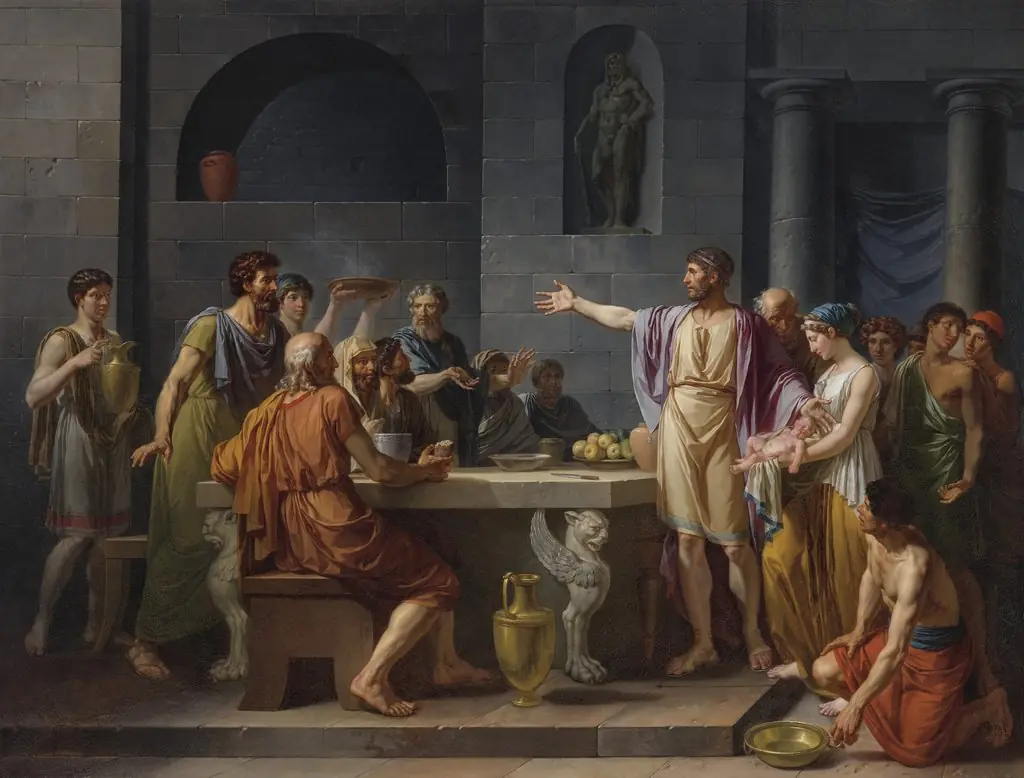 The Magnanimity of Lycurgus
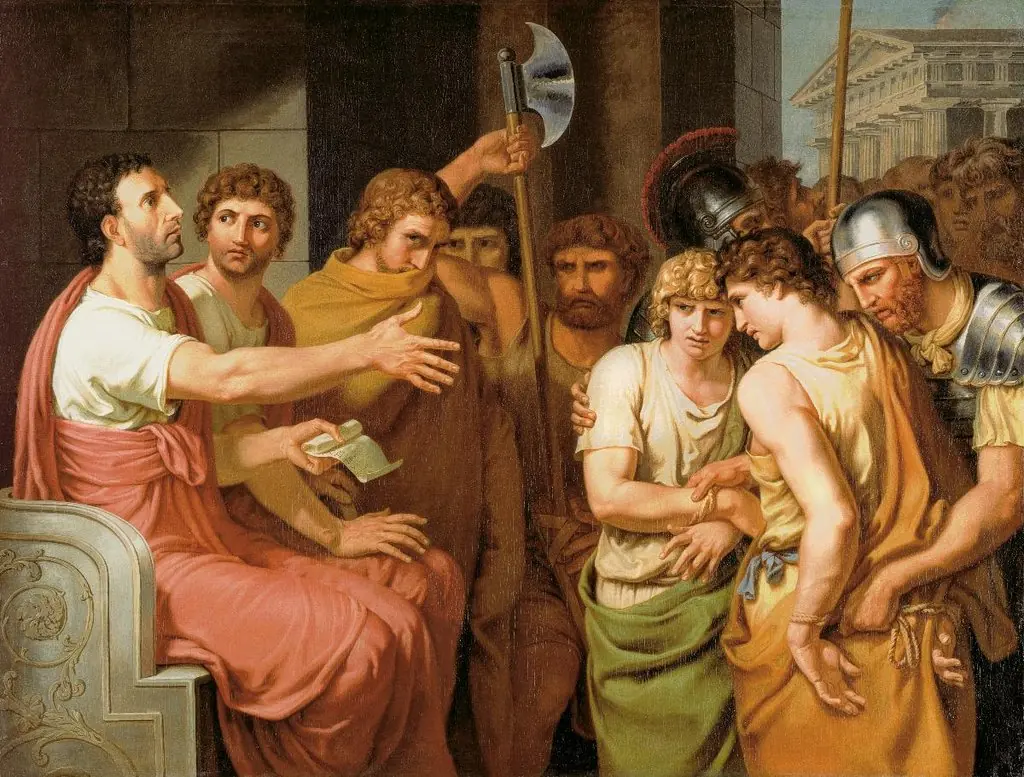 Brutus entdeckt die Namen seiner Söhne auf der Liste der Verschwörer und verurteilt sie zum Tode
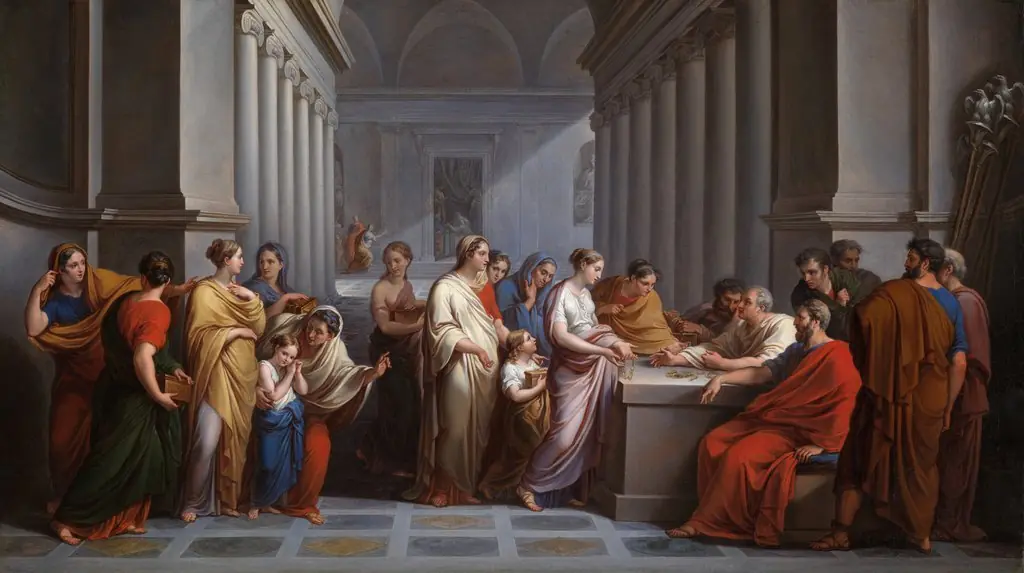 Roman Women Offering Their Jewellery in Defence of the State
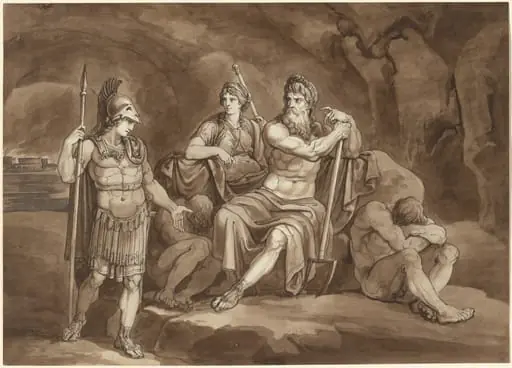 Telemachus Requests Permission from Pluto to Seek His Father in the Underworld
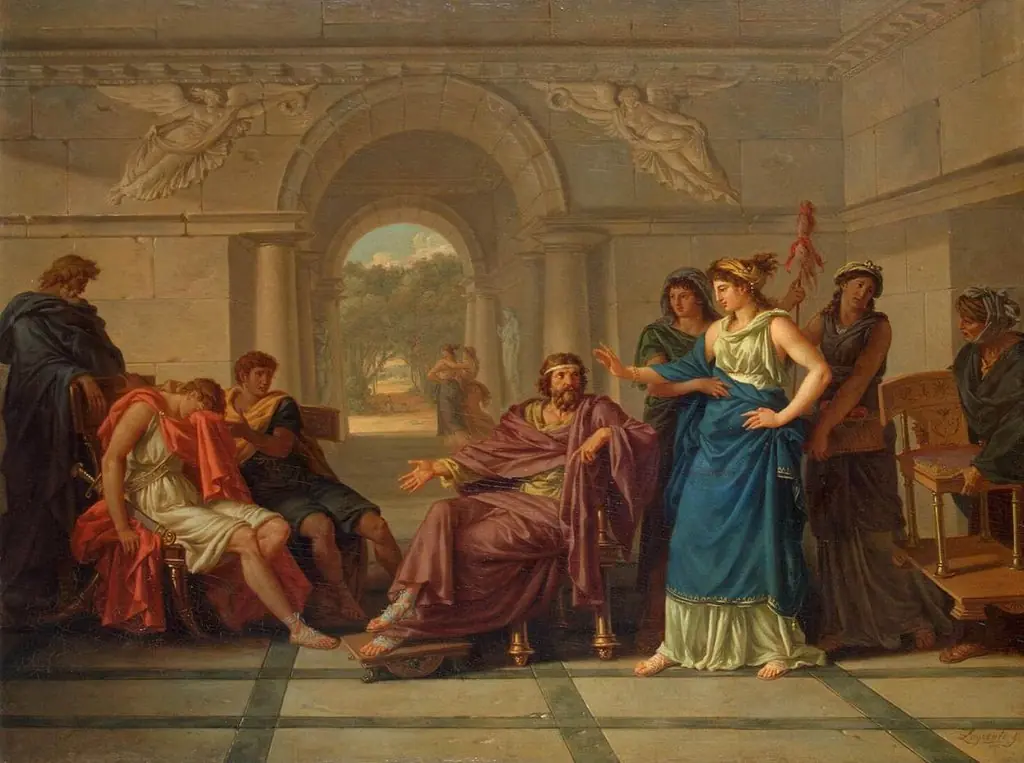 Helen Recognising Telemachus, Son of Odysseus
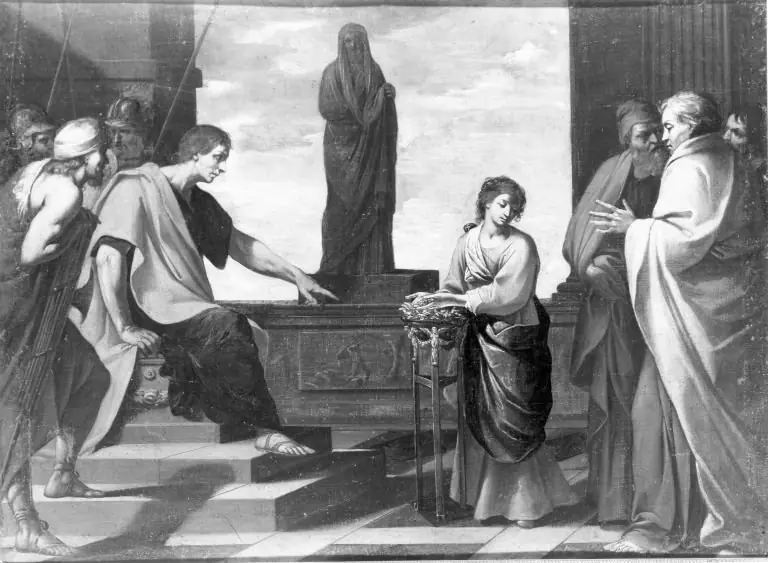 Feuerprobe (zugeschrieben)
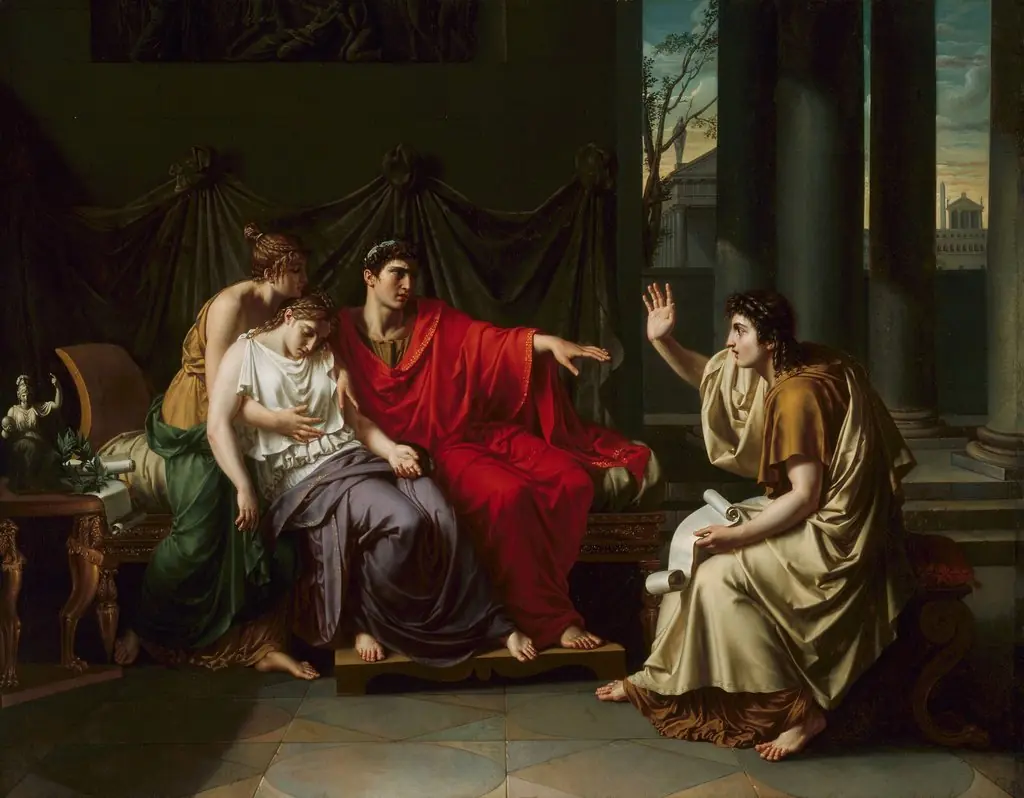 Virgil Reading the "Aeneid" to Augustus, Octavia, and Livia
 Virgil Reading the "Aeneid" to Augustus, Octavia, and Livia
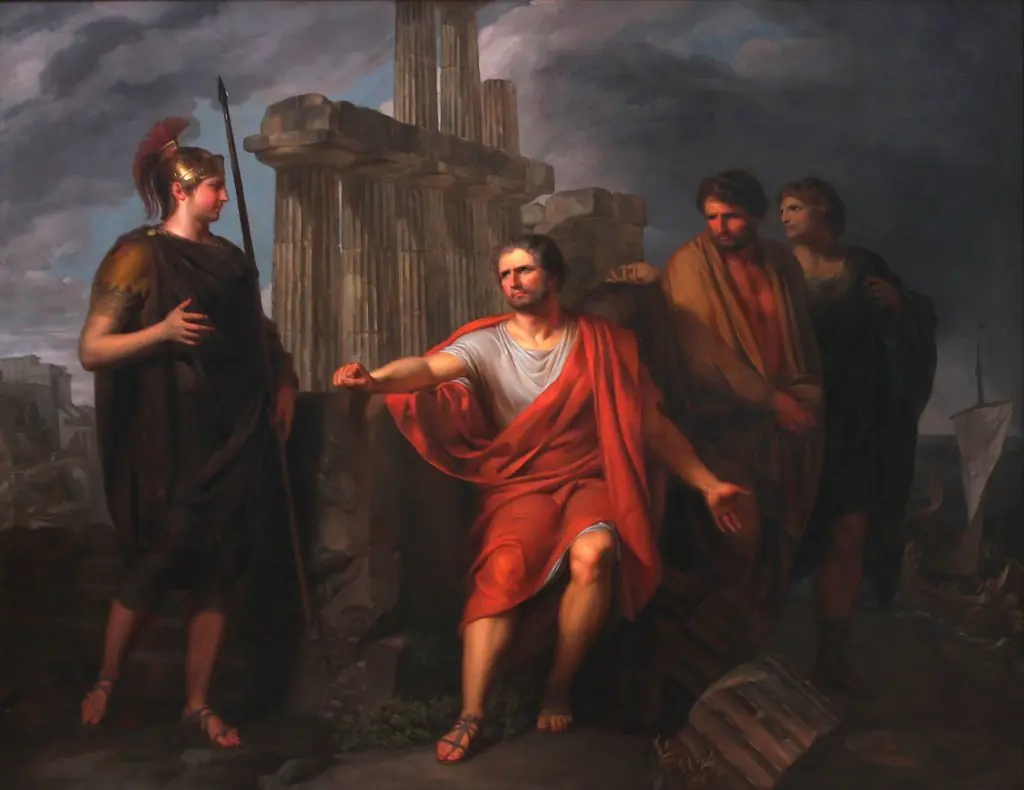 Marius on the ruins of Carthage
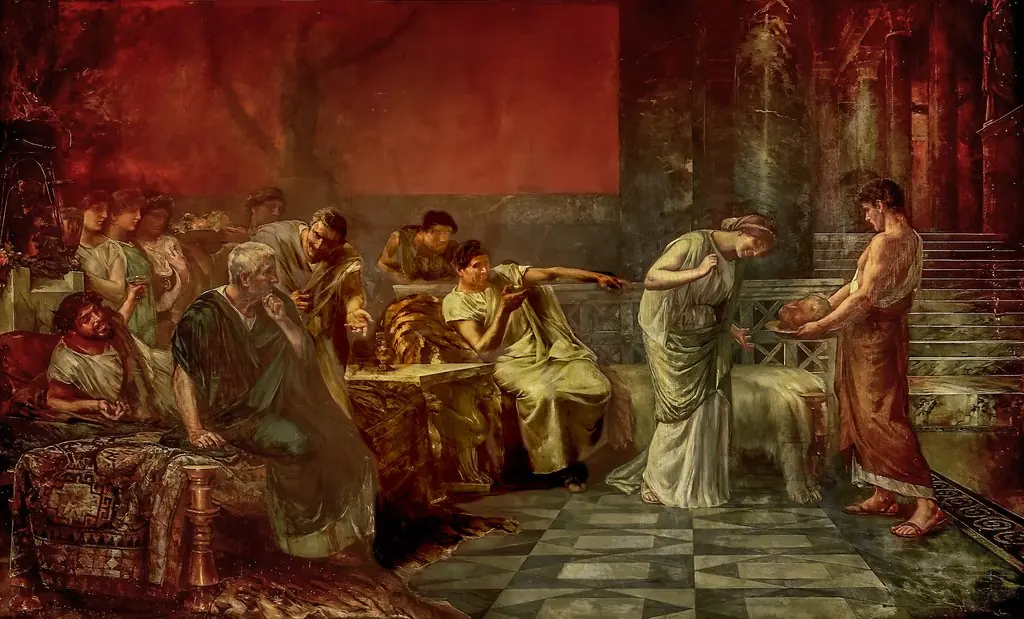 Fulvia y Marco Antonio o La venganza de Fulvia
 Țăranul de la Dunăre
 Cupid and Psyche: Psyche and Juno