Artwork
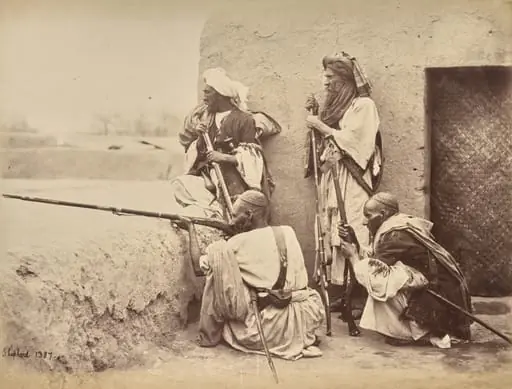
Afridi Picket near Jumrood
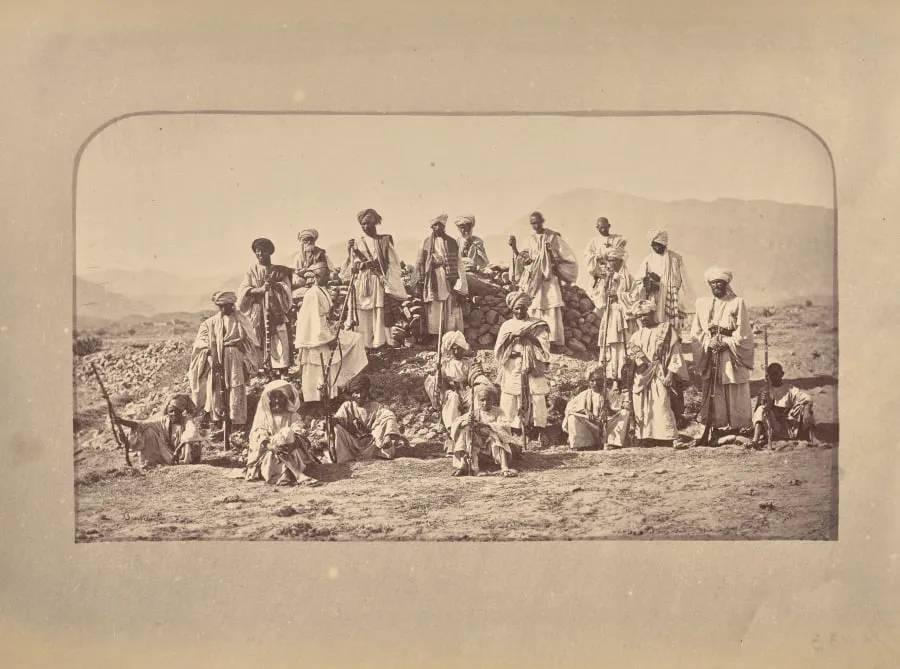
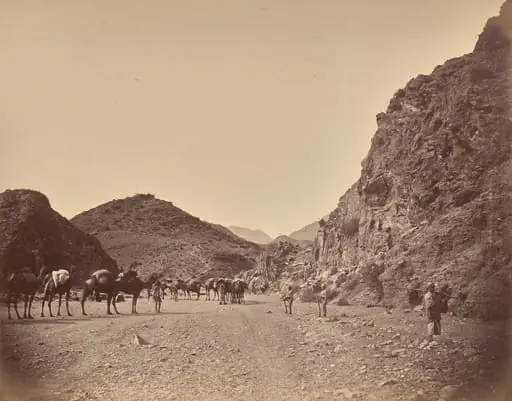
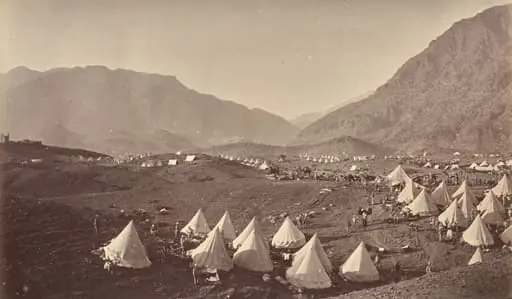
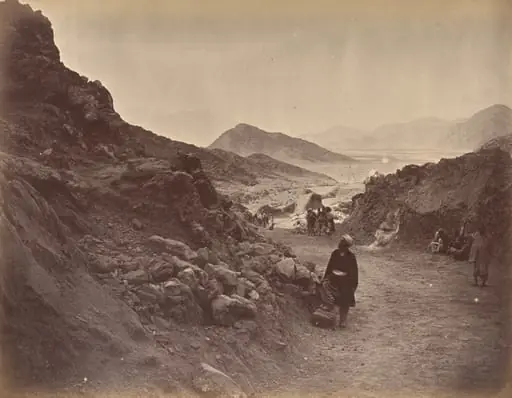
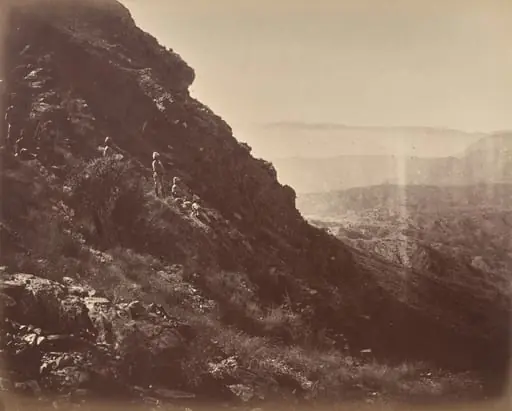
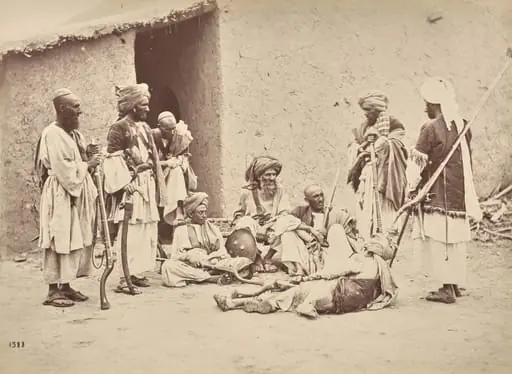
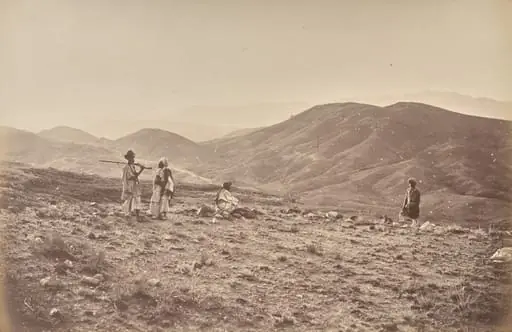
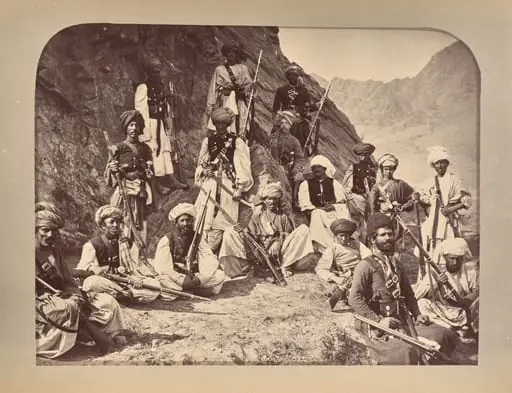
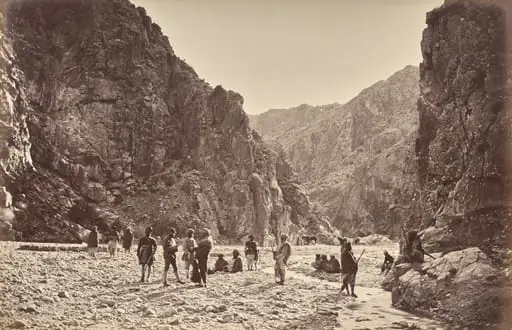
Afridi Picket near Jumrood is a photography by the Impressionist artist John Burke. It dates from 1879 and is held in the collection of the Cleveland Museum of Art. This photograph, taken during the Second Anglo-Afghan War (1878–1880), captures a quiet moment at a strategic outpost near Jumrood.
About this work
Overview
This photograph, taken during the Second Anglo-Afghan War (1878–1880), captures a quiet moment at a strategic outpost near Jumrood.
This photograph, taken during the Second Anglo-Afghan War (1878–1880), captures a quiet moment at a strategic outpost near Jumrood. It was made by John Burke, the most active photographer documenting the conflict. Due to the limitations of 19th-century photographic technology, Burke could not record combat; instead, he focused on static scenes of terrain, military installations, and the daily presence of troops in contested regions.
Subject & Meaning
The image shows a wooden guard post perched on a rocky hillside, with soldiers resting nearby in loose uniforms. Though the scene appears tranquil, the location was a critical point controlling access to Afghanistan’s interior. The photograph conveys the tension between routine observation and strategic importance, revealing how war depended on the occupation of geography rather than just battlefield action.
Technique & Style
Burke used heavy glass plate negatives and a portable darkroom tent, requiring lengthy setup times and limiting mobility. This technical constraint shaped his approach: compositions are deliberate, often centered on landscape features or stationary figures. The lighting is natural, the focus sharp, and the mood subdued—emphasizing endurance over drama, presence over action.
History & Provenance
The photograph was part of a larger collection assembled by Burke during his travels with British forces. He was among the first to systematically document the war’s geography and personnel. The image likely originated from his personal archive, later dispersed into institutional holdings, where it remains as a primary visual record of British military operations in the region.
Context
Photography in 19th-century warfare was constrained by equipment and logistics. Unlike later conflicts, no motion or combat scenes were possible. Instead, images like this served as evidence of territorial control and military presence. The hilltop post at Jumrood was one of many such points used to monitor movement along the frontier, reflecting the war’s emphasis on positioning rather than large-scale engagements.
Legacy
Burke’s photographs remain among the earliest visual records of Afghanistan’s terrain and its occupation by foreign forces. His work established a template for conflict photography that prioritized place and personnel over action. These images continue to inform historical understanding of the war’s spatial and human dimensions, offering a sober counterpoint to romanticized narratives of empire.
Artist & collection