Artwork
Safed Sang Camp from 51st Camp

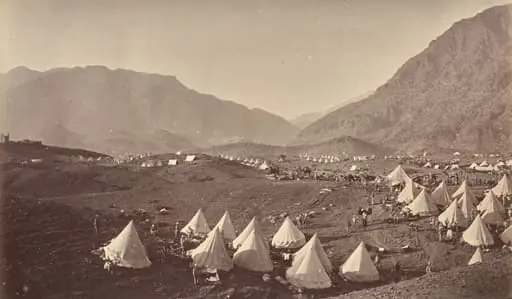
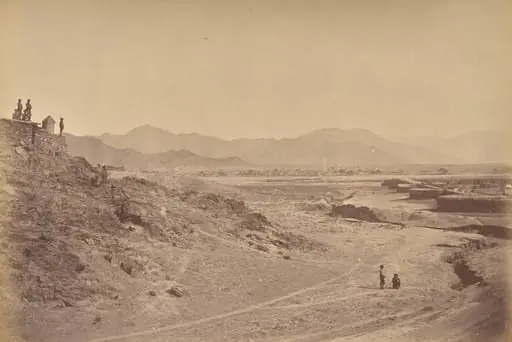
Safed Sang Camp from 51st Camp is a photography by the Impressionist artist John Burke. It dates from 1879 and is held in the collection of the Cleveland Museum of Art. The image captures a British military encampment in Afghanistan during the Second Anglo‑Afghan War (1878‑1880).
About this work
You see a black-and-white photo of a British army camp in Afghanistan: white tents, soldiers lounging, and a few horses tied to a line.
You see a black-and-white photo of a British army camp in Afghanistan: white tents, soldiers lounging, and a few horses tied to a line.
This isn’t a battle scene—it’s what war looked like when cameras were too slow for action. John Burke was one of the first to photograph the conflict, so these quiet moments are all we have. The photo feels ordinary, but it’s rare: few images from this war exist.
If you like this, look up more work by John Burke (Irish, 1845–1915).
Overview
The image captures a British military encampment in Afghanistan during the Second Anglo‑Afghan War (1878‑1880). Photographed by John Burke, one of the earliest photographers to work extensively in the region, the picture shows the ordinary layout of a field camp: rows of white canvas tents, soldiers at leisure, and a few horses tethered nearby.
Subject & Meaning
Rather than depicting combat, the photograph documents the everyday environment of an army operating far from home. It illustrates how the war was experienced in its logistical and domestic dimensions, offering a visual record of the living conditions and routine activities of British troops in a remote theater.
Technique & Style
Taken with the slow‑exposure wet‑plate collodion process typical of the 1880s, the image is rendered in black and white and lacks any action. The photographer relied on static compositions—landscapes, camp views, and portraiture—because the technology could not capture rapid movement, a common constraint of early conflict photography.
History & Provenance
John Burke (1845‑1915), an Irish photographer, was the principal visual chronicler of the Second Anglo‑Afghan War. His work constitutes one of the few photographic archives from that conflict, as few cameras were deployed and few images survived the harsh conditions of the campaign.
Context
The Second Anglo‑Afghan War was part of Britain’s strategic effort to secure its Indian frontier against Russian influence. Military camps like the one shown were essential nodes for supply, communication, and troop morale, reflecting the logistical complexity of imperial warfare in the late nineteenth century.
Legacy
Burke’s photographs remain valuable primary sources for historians of colonial warfare, providing rare visual evidence of the material culture of a campaign largely documented through written reports. The scarcity of such images heightens their importance for understanding the visual dimension of the war.
Artist & collection

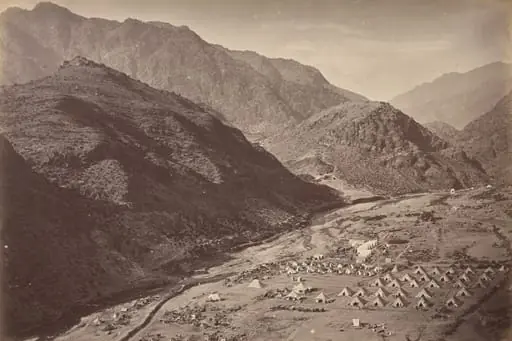 Ali Musjid and Camp from Sultan Tarra
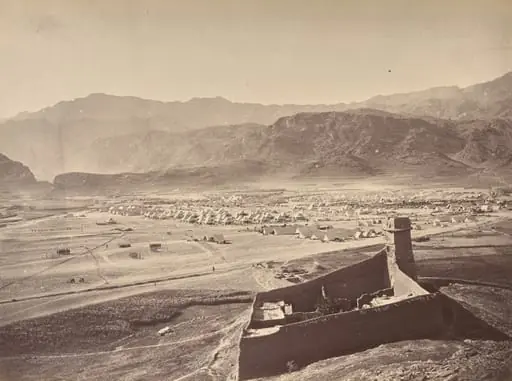
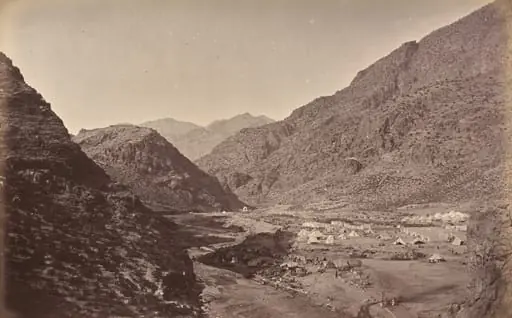 Ali Musjid and Camp
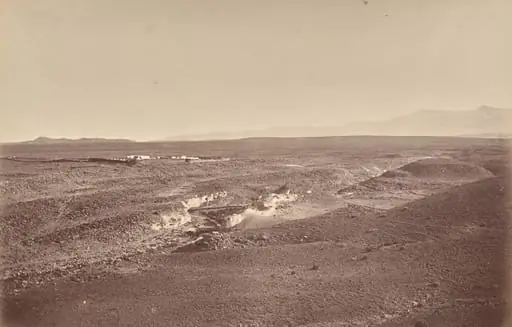 Fort Battye and Plains of Futtiabad
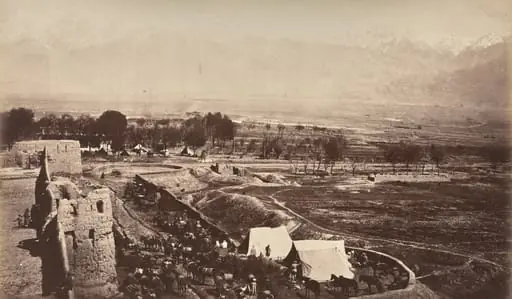 Landi Kotal, The Camp, Looking South
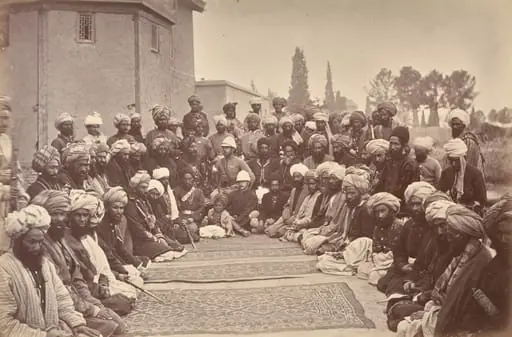
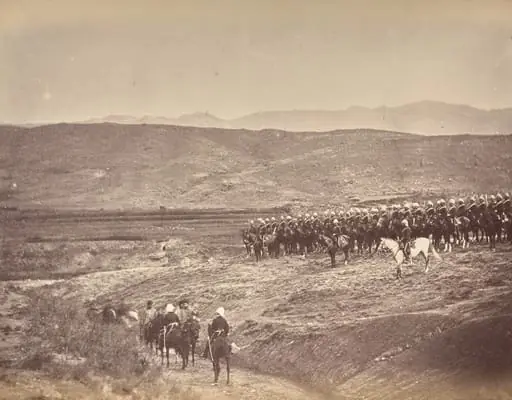 The Amir Yakub Khan. The First Meeting with Major Cavagnari and Mr. Jenkins, 7 Miles from Safed Sang
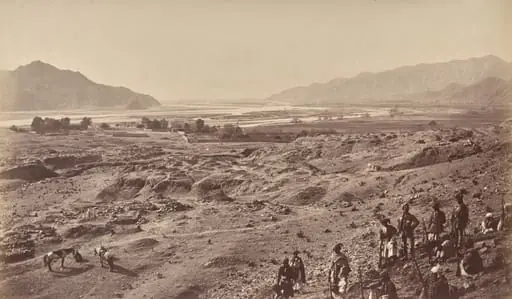 River Gorge Above Lalpura
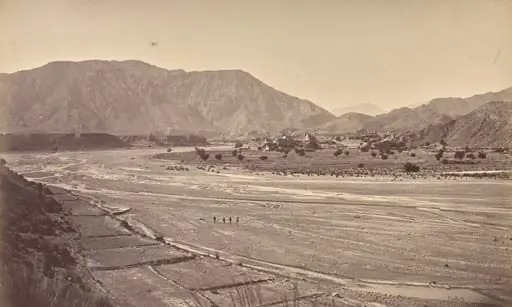 Kadm Villages and Pass, Left of Jumrood
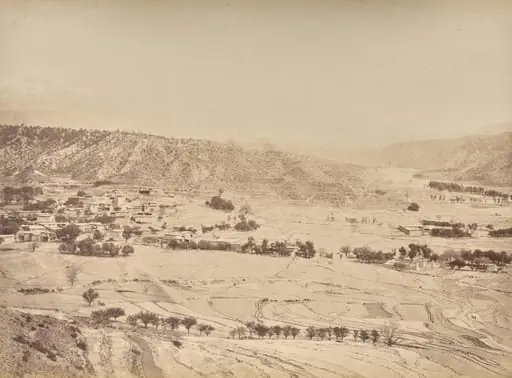 Ali Keyl, Pewar Kotal
 Dakka Fort and Lalpura