Artwork
Untitled
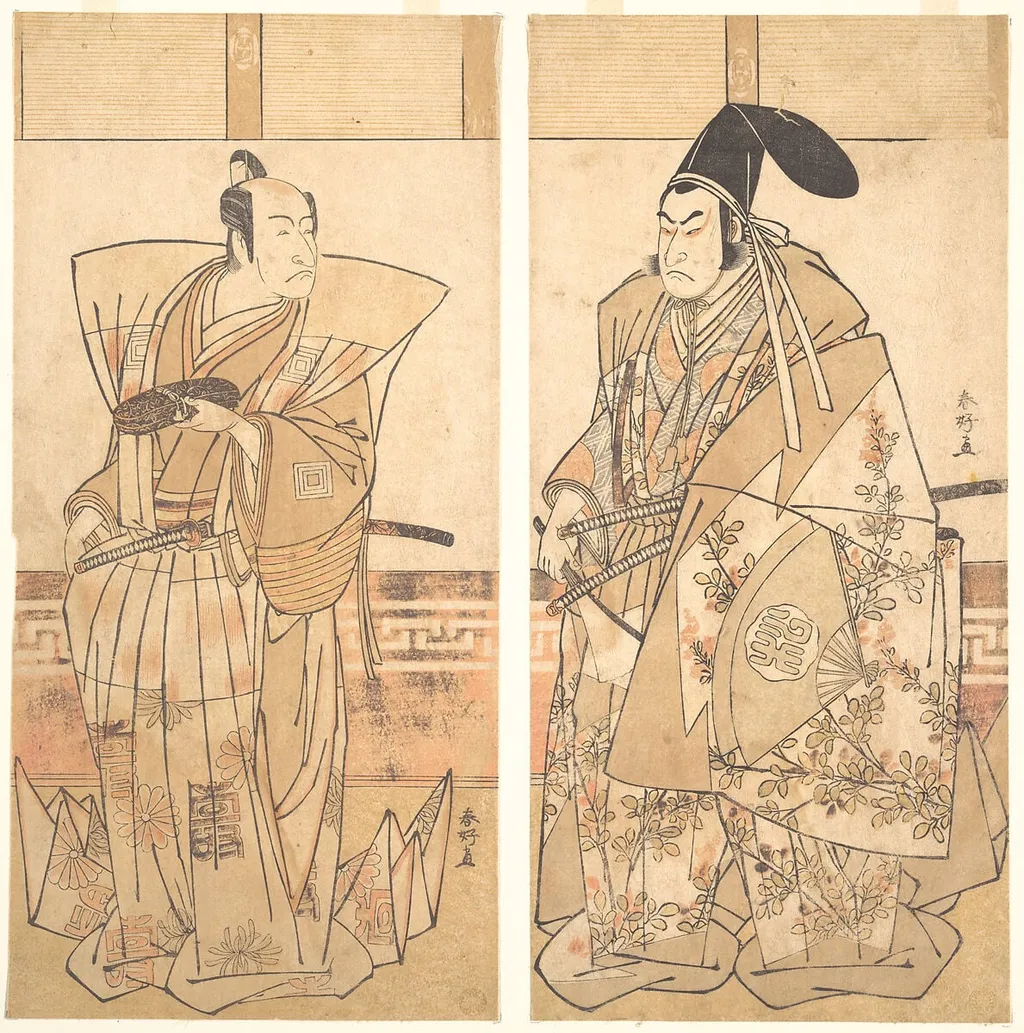
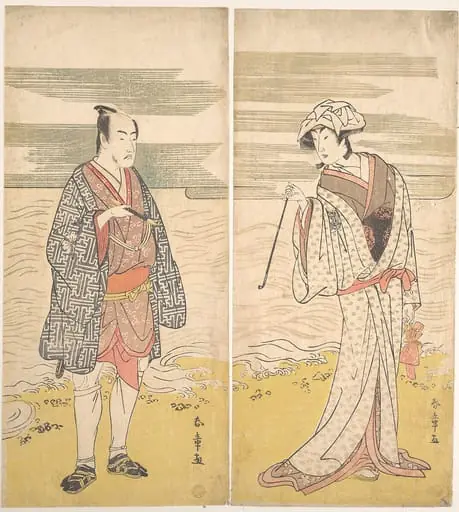
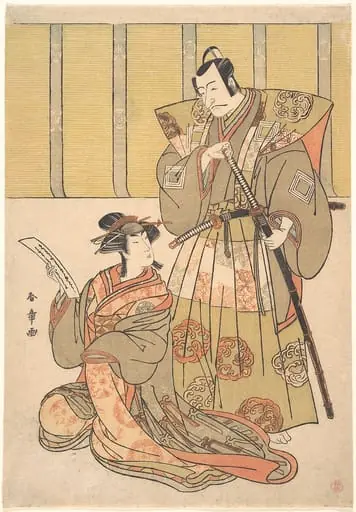
Untitled is an ink print by the Romanticist artist Katsukawa Shunkō. It dates from 1787 and is held in the collection of the Metropolitan Museum of Art.
About this work
Overview
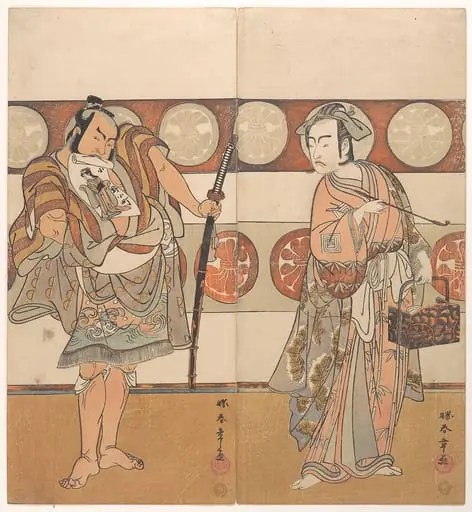
This diptych, created around 1787 by Katsukawa Shunkō, consists of two woodblock prints on paper, rendered in ink and subtle color.
This diptych, created around 1787 by Katsukawa Shunkō, consists of two woodblock prints on paper, rendered in ink and subtle color. Each panel depicts a man in traditional Japanese attire, standing side by side on a plain wooden surface. The composition is restrained, emphasizing posture and attire over elaborate scenery. The work is part of the collection at The Metropolitan Museum of Art, where it represents the ukiyo-e tradition of depicting contemporary figures with quiet dignity.
Subject & Meaning
The two figures are likely samurai or men of status, identified by their swords and formal garments. Their calm, alert expressions and upright stances suggest a moment of quiet vigilance rather than action. The absence of narrative context invites contemplation of personal honor and readiness, common themes in late Edo-period portraiture. The matching format of the diptych reinforces a sense of symmetry and balance, possibly reflecting ideals of discipline and composure.
Technique & Style
Shunkō employed precise woodblock carving to produce bold, clean outlines and restrained tonal gradations. Subtle shading, achieved through controlled ink application and light cross-hatching, gives volume to the figures without overwhelming the flatness characteristic of ukiyo-e. Patterns on the clothing are rendered with fine lines, while the background remains minimal, focusing attention on the subjects. The palette is limited, relying on muted colors to enhance the somber, composed mood.
History & Provenance
Created during the late 18th century, the diptych reflects the popularity of actor and warrior portraiture in Edo-period print culture. While specific early ownership records are not documented, the work entered The Metropolitan Museum of Art’s collection through established acquisition channels typical of Japanese prints collected in the early 20th century. Its preservation in good condition supports its status as a representative example of Shunkō’s output during his mature period.
Context
Shunkō worked within the Katsukawa school, known for its emphasis on realistic portraiture and dynamic composition. During the 1780s, prints of warriors and samurai were in demand, often commissioned by patrons interested in martial ideals. Unlike theatrical actor prints, this work avoids theatricality, aligning instead with a quieter, more introspective trend in portraiture that valued restraint and dignity over spectacle.
Legacy
Though less widely known than some of his contemporaries, Shunkō’s work contributes to the broader understanding of Edo-period printmaking beyond actor and courtesan subjects. This diptych exemplifies how woodblock artists adapted traditional techniques to convey psychological presence in non-narrative scenes. Its inclusion in major collections underscores its value as a quiet but significant artifact of late 18th-century Japanese visual culture.
Artist & collection

Artist
Katsukawa Shunkō spent his life in Edo, where crowded theaters and teahouses buzzed around him.

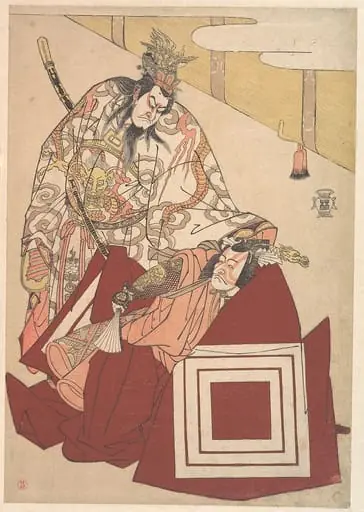 Untitled
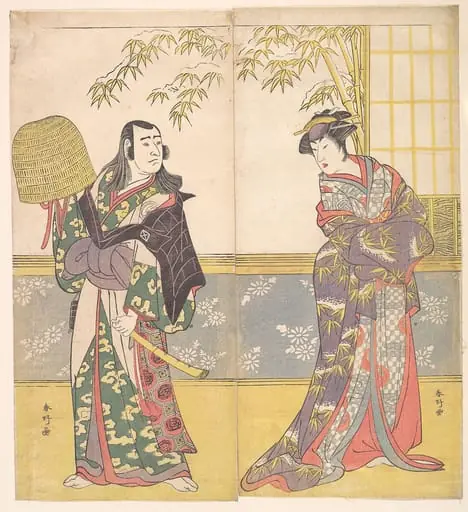 勝川春好画 三代目澤村宗十郎 三代目佐野川市松 |Kabuki Actors Sawamura Sōjūrō III and Sanogawa Ichimatsu III in "A Courtesan’s Mirror for the Eastern Provinces" (Keisei Azuma kagami)
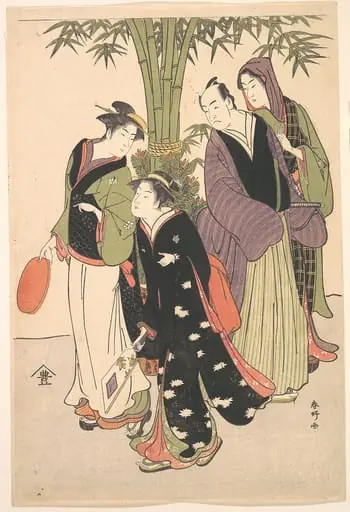 勝川春好画 三代目瀬川菊之丞・二代目市川門之助|Kabuki Actors Segawa Kikunojō III and Ichikawa Monnosuke II and Two Courtesans Celebrating the New Year
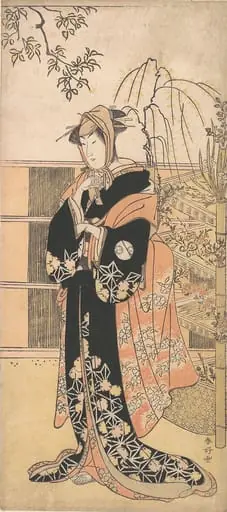 勝川春好画 三代目瀬川菊之丞|Kabuki Actor Segawa Kikunojō III in a Woman’s Role
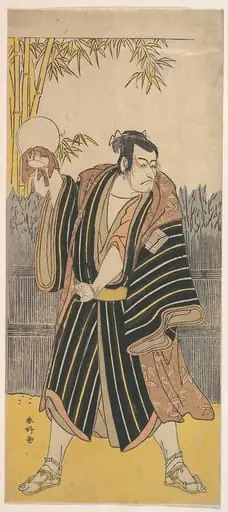 勝川春好画 七代目片岡仁左衛門 五代目市川團十郎|Kabuki Actor Ichikawa Danjūrō V
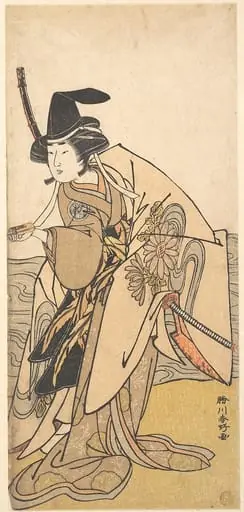 Untitled
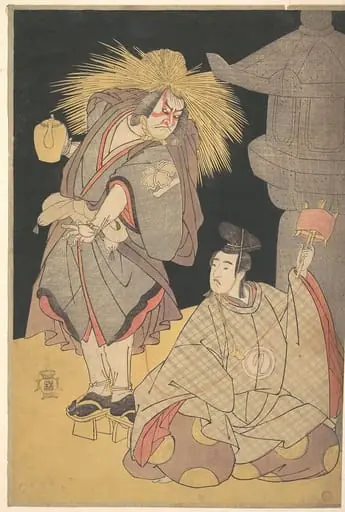 Untitled
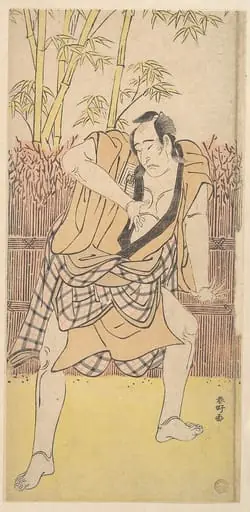 Untitled
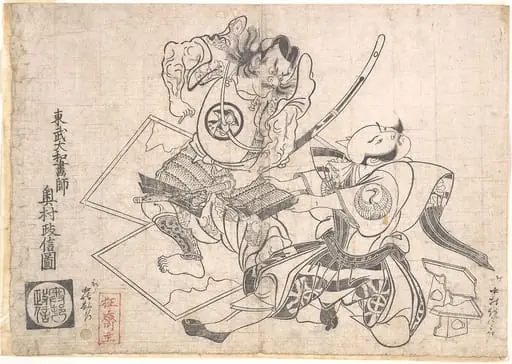 Untitled
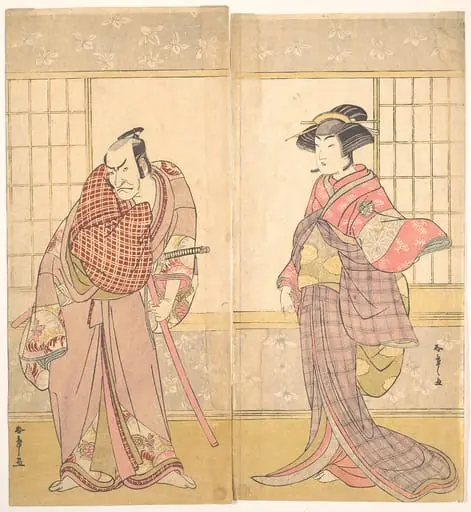 Untitled
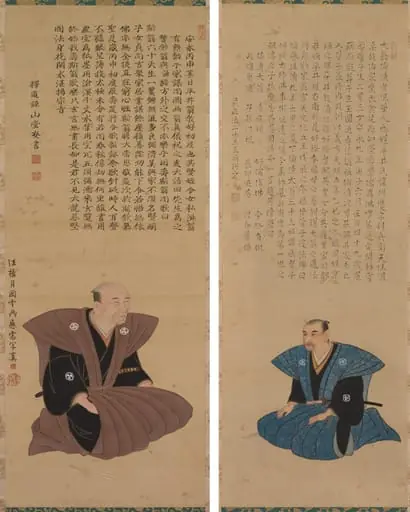 Pair of Portraits of Samurai-Officials: Hirai Kyosei and Hirai Rinsei
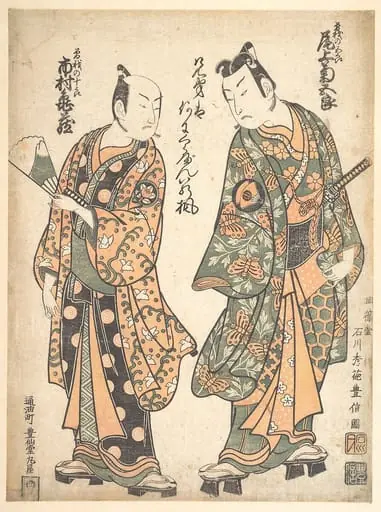 Untitled
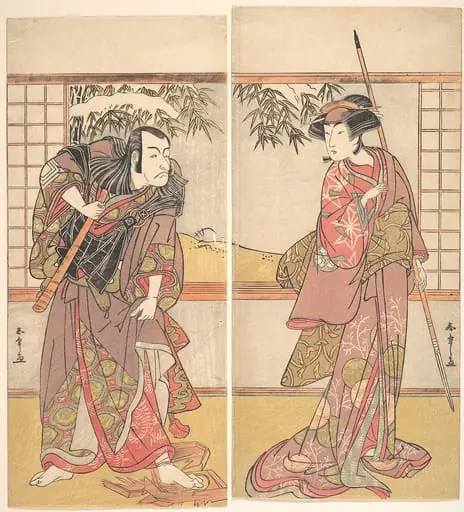 勝川春章画 二代目小佐川常世・五代目市川団十郎|Kabuki Actors Osagawa Tsuneyo II and Ichikawa Danjūrō V
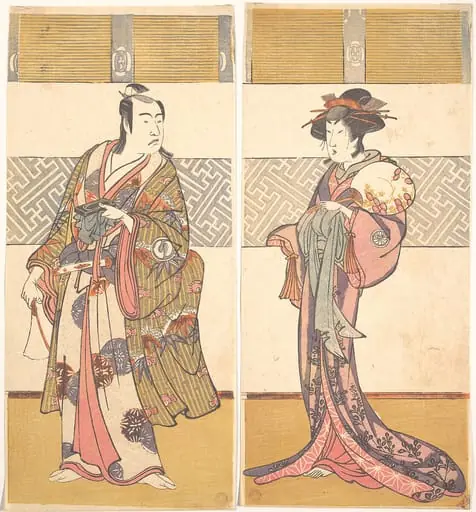 勝川春章画 三代目澤村宗十郎と三代目瀬川菊之丞|Kabuki Actors Sawamura Sōjūrō III and Segawa Kikunojō III
 Untitled
 Untitled
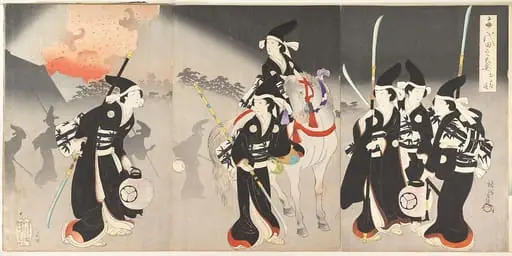 楊洲周延画 「千代田之大奥 おたち退」|“Evacuation of the Ladies,” from the series The Inner Precincts of Chiyoda Castle (Chiyoda no Ōoku, Otachinoki)
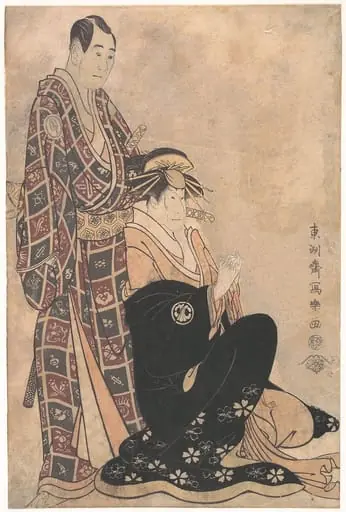 Untitled
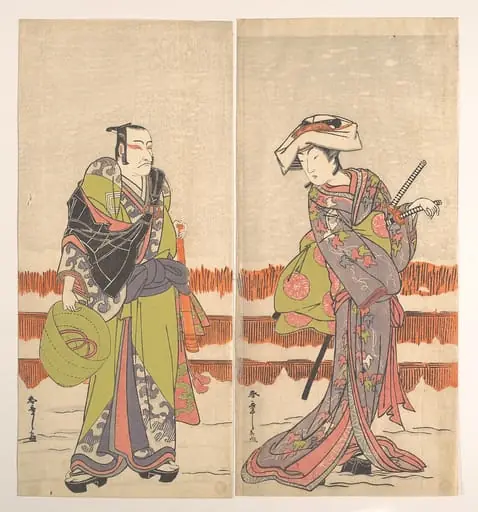 Untitled
 Untitled