Artwork
The Abbess
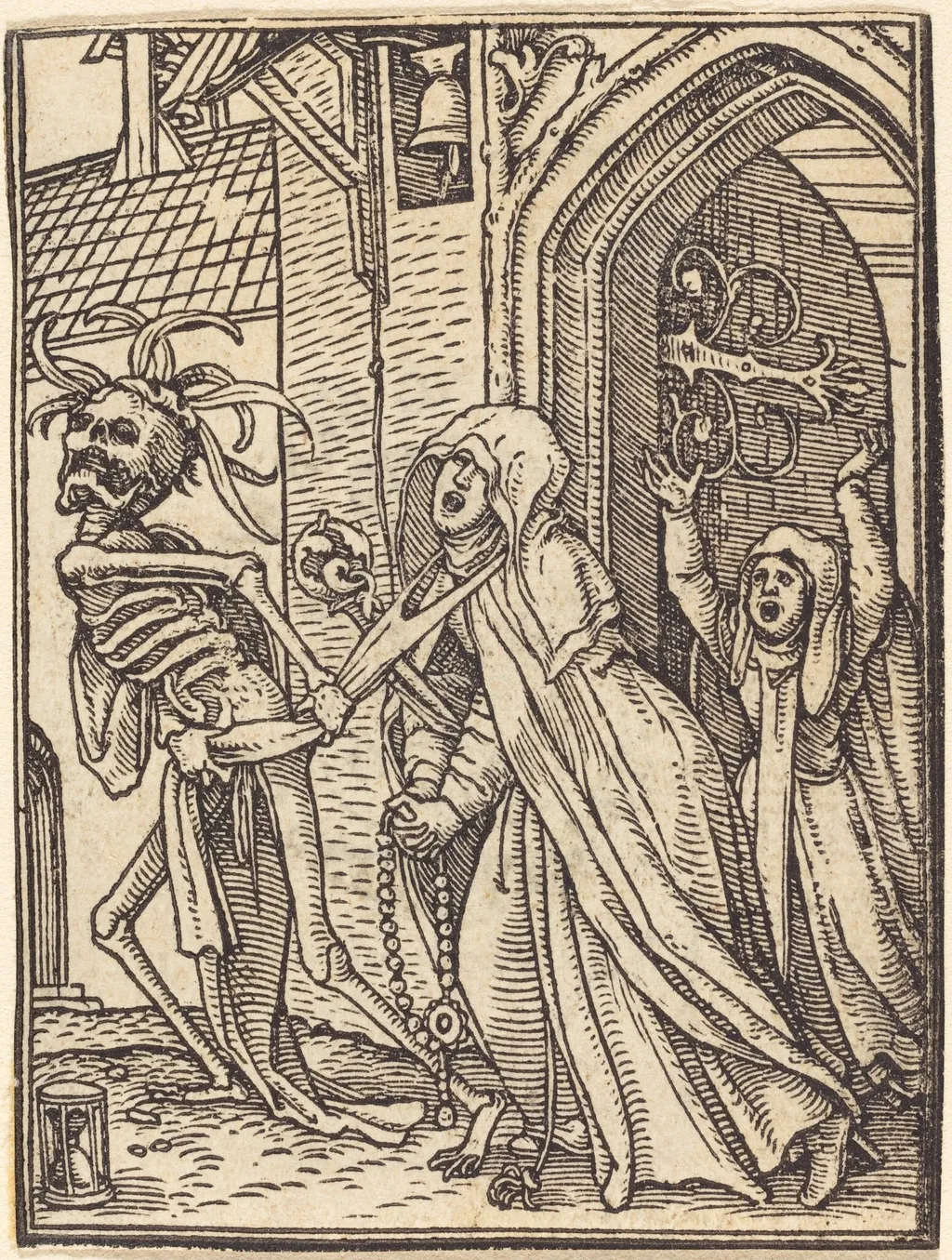
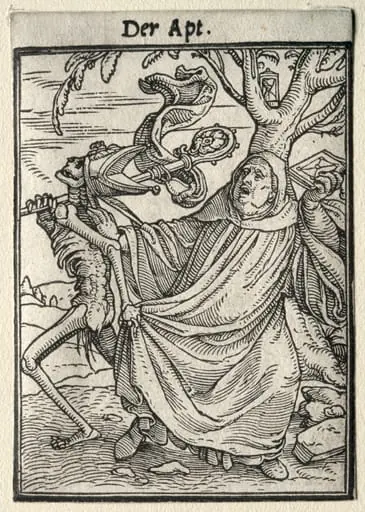
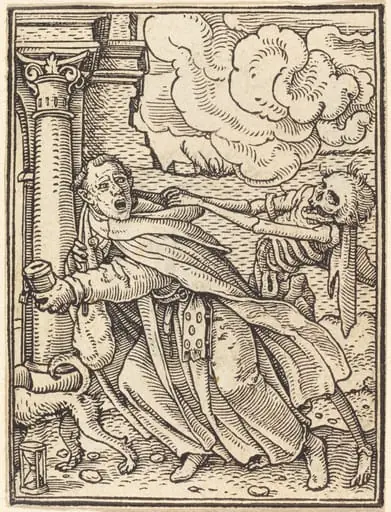
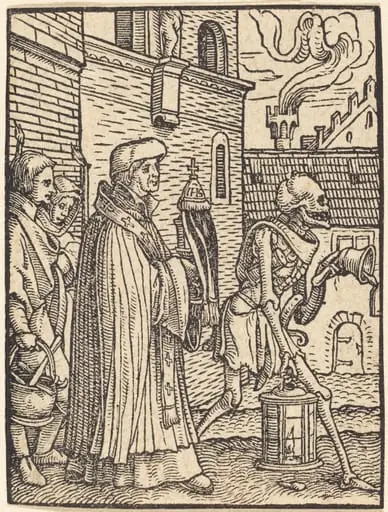
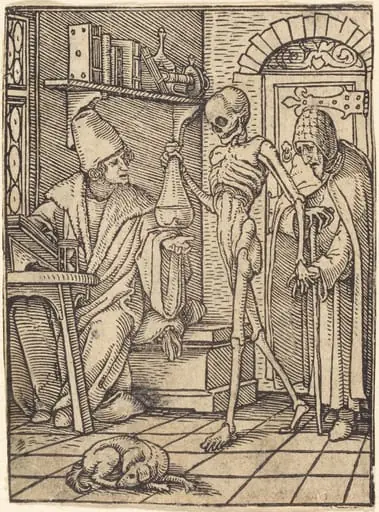
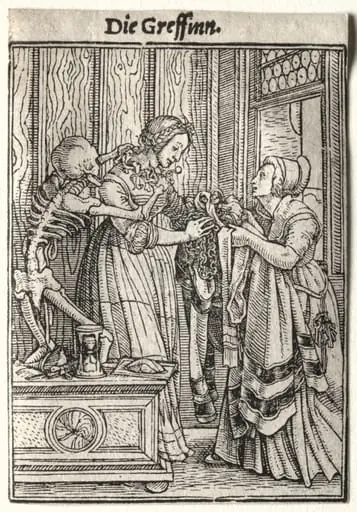
The Abbess is an ink print by the Renaissance artist Hans Lützelburger. It dates from 1526 and is held in the collection of the National Gallery of Art.
About this work
Overview
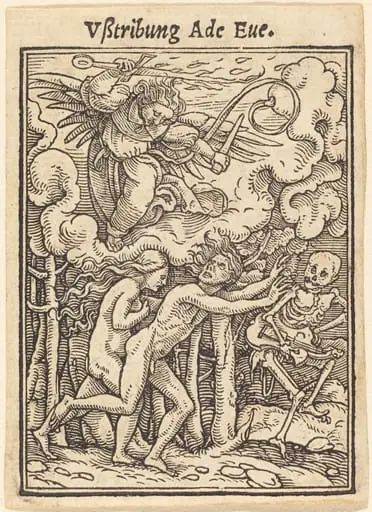
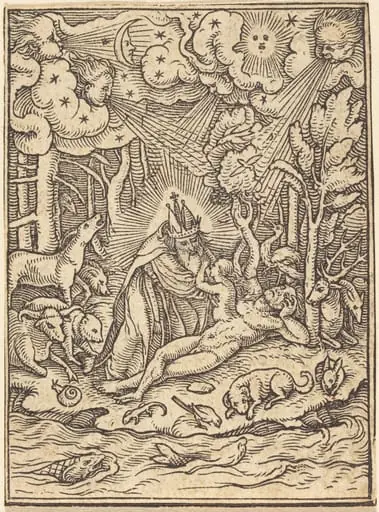
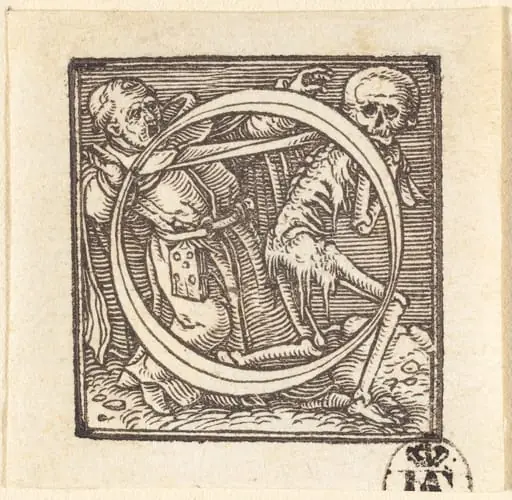
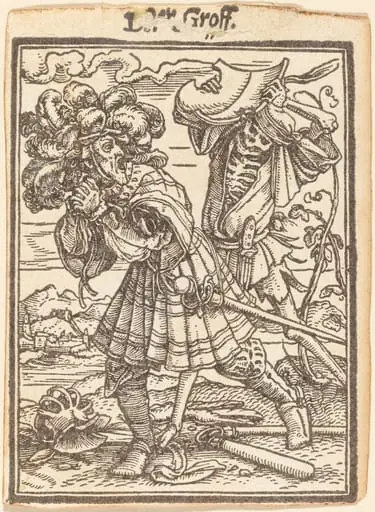
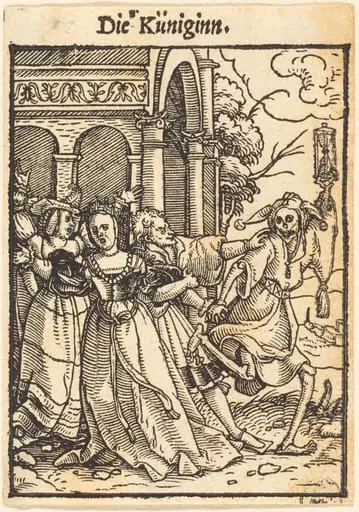
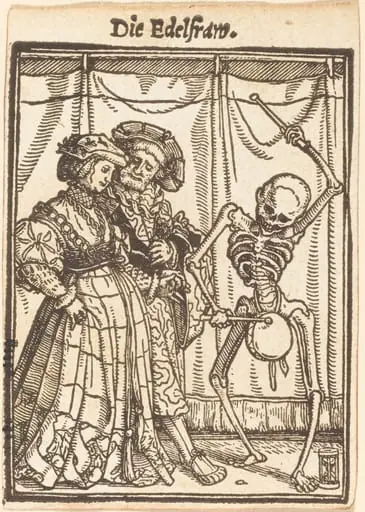
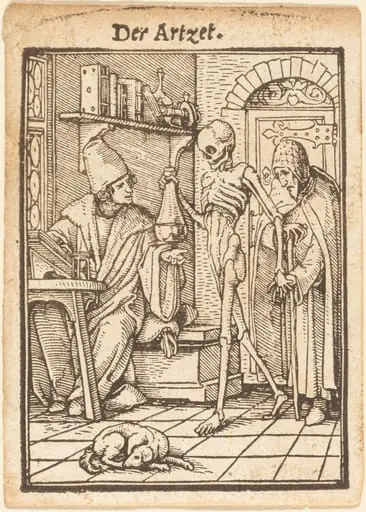
Created circa 1526, The Abbess is a black‑ink woodcut attributed to Hans Lützelburger, a leading German blockcutter of the early sixteenth century. The print presents a densely composed scene of robed figures whose bodies intertwine in a dramatic, almost chaotic arrangement, rendered with sharp lines and deep cross‑hatching that convey both movement and the weight of their garments.
Subject & Meaning
The central figure wears the habit of an abbess, situating the work within the religious visual culture of the period. The surrounding tangled group, with some figures reaching upward and others kneeling or collapsing, suggests a narrative of spiritual tension or collective supplication, reflecting contemporary concerns about ecclesiastical authority and devotion.
Technique & Style
Lützelburger employed the traditional woodcut method, carving the image in relief on a single block and printing it with black ink on paper. The composition relies on dense hatching and varied line weight to model folds in the cloth and convey facial strain, achieving a sense of depth and motion without any color.
History & Provenance
Active in Augsburg from around 1516, Lützelburger collaborated with fellow cutter Jost de Negker and is best known for cutting the blocks for Hans Holbein the Younger’s Dance of Death series. He died in June 1526, leaving The Abbess among his final independent works, which later entered collections of Northern Renaissance prints.
Context
The print emerges from a period when German workshops produced highly detailed religious imagery for a growing market of devotional prints. Its emphasis on dramatic composition and meticulous carving reflects the broader artistic currents of early Reformation Germany, where print media played a crucial role in disseminating theological ideas.
Artist & collection

Artist
Hans Lützelburger (died June 1526), also known as Hans Franck, was a German blockcutter ("formschneider") for woodcuts, regarded as one of the finest of his day.