Artwork
The Ghat of Dasaswa Medh, Bénarès
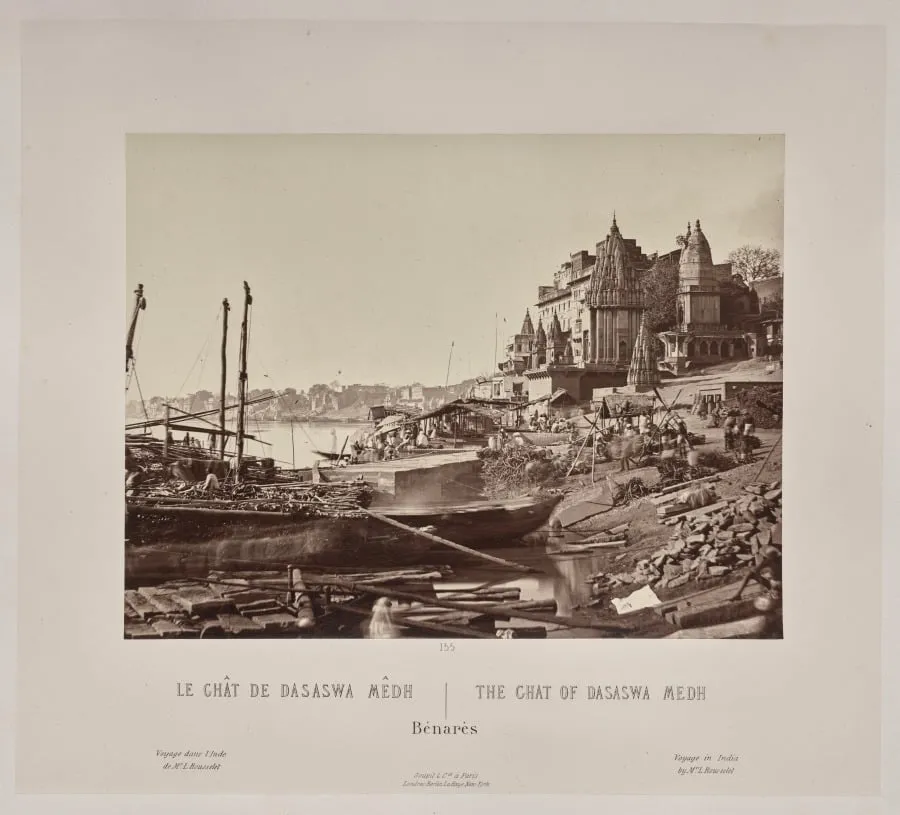
The Ghat of Dasaswa Medh, Bénarès is a photography by the Impressionist artist Louis-Théophile Marie Rousselet. It dates from 1866 and is held in the collection of the Cleveland Museum of Art.
About this work
Overview
Rousselet’s technical adaptation to the medium was rapid and decisive, marking a personal turning point in his artistic practice.
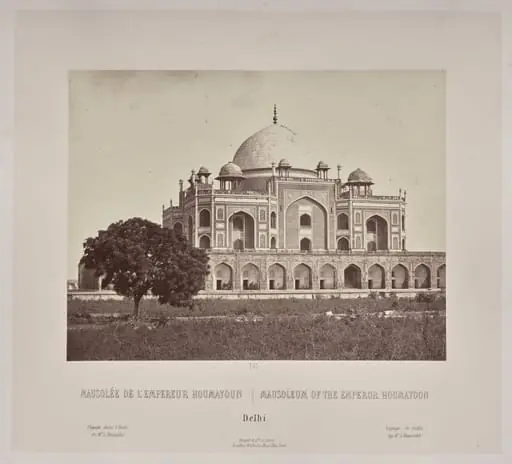
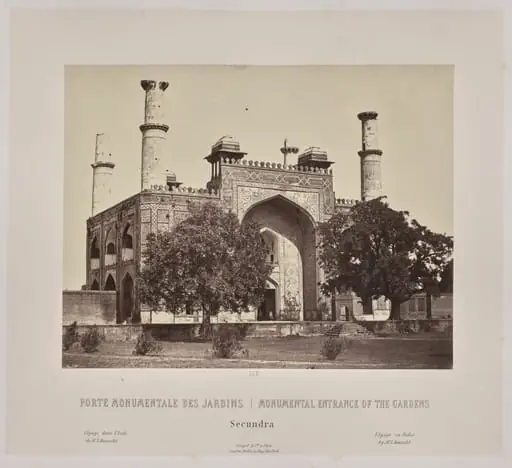
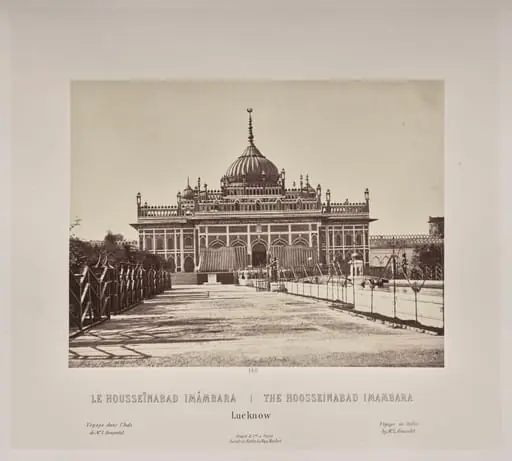
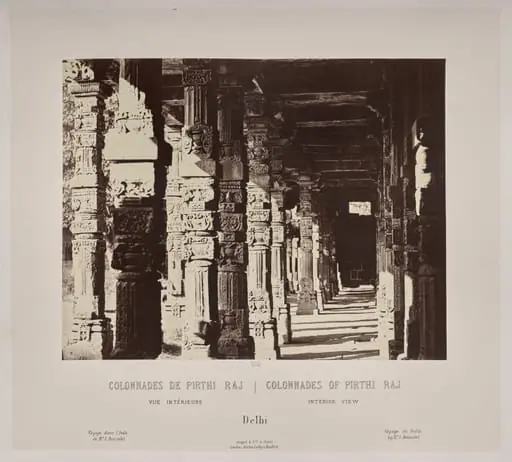
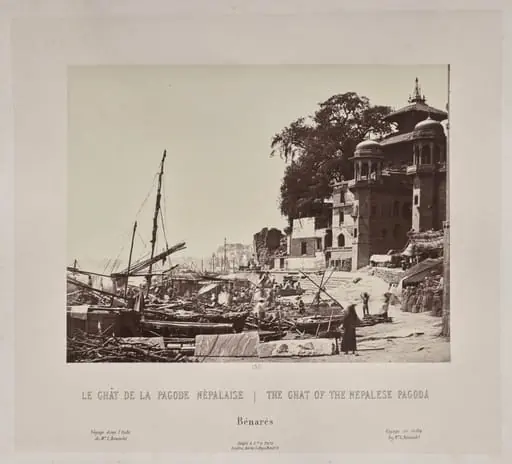
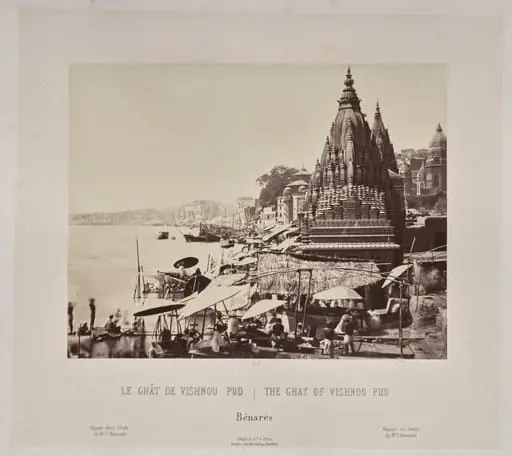
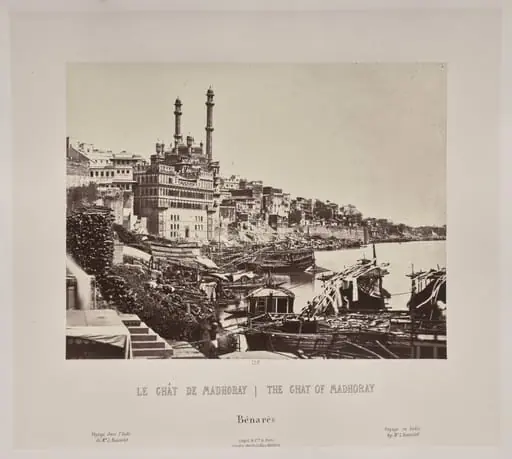
Taken during a journey through northern India in the 1860s, this photograph captures the Dasaswa Medh ghat in Varanasi, a site of deep religious significance along the Ganges. The image reflects the artist’s shift from drawing to photography, motivated by a desire to more accurately record the visual richness of Indian architecture and daily life. Rousselet’s technical adaptation to the medium was rapid and decisive, marking a personal turning point in his artistic practice.
Subject & Meaning
The photograph depicts a bustling riverside stepscape where pilgrims bathe, pray, and converse. The layered human activity underscores the ghat’s role as both a sacred space and a center of communal life. Unlike idealized drawings, the image preserves unposed moments—clothing, gestures, and spatial density—conveying the lived reality of Varanasi without romanticization or stylization.
Technique & Style
Rousselet employed early photographic methods to capture fine detail and tonal contrast, particularly in the stone steps and the play of light on water and fabric. His framing is deliberate, guiding the viewer’s eye down the steps toward the river while balancing figures across the composition. The image avoids theatricality, favoring observational clarity over dramatic effect.
History & Provenance
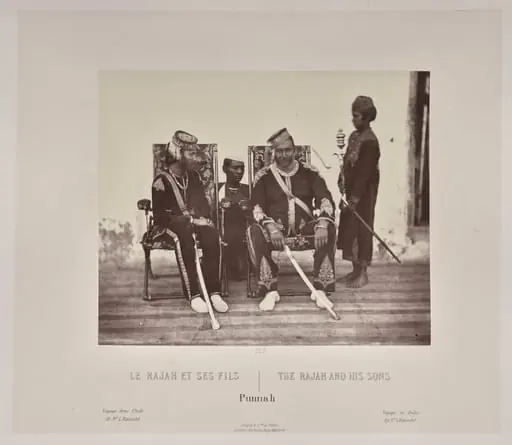
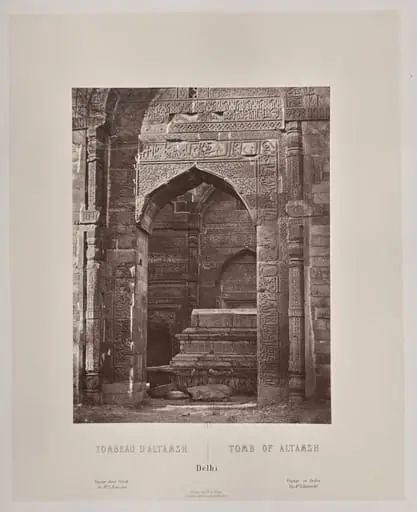
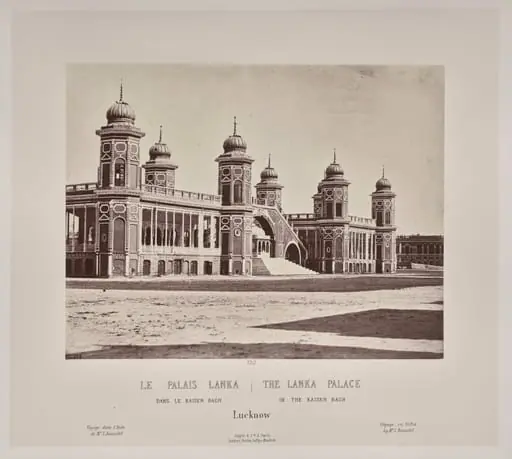
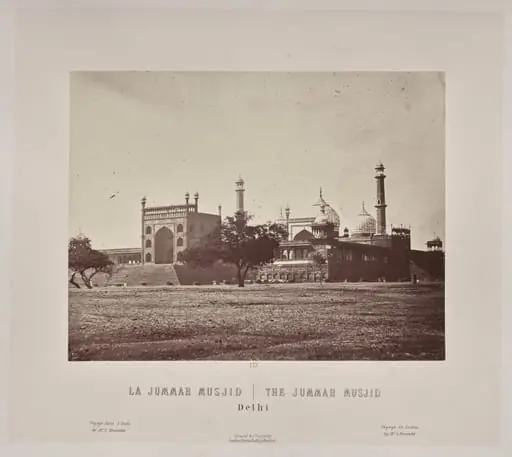
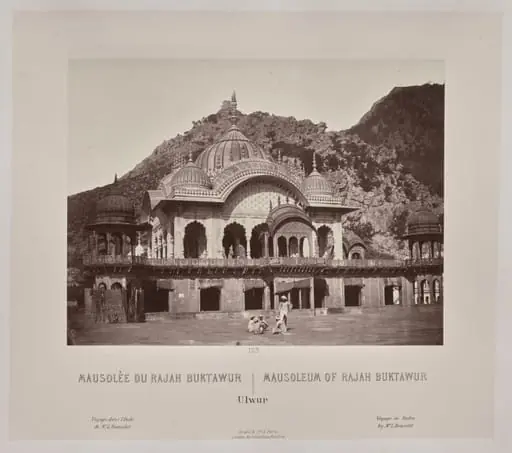
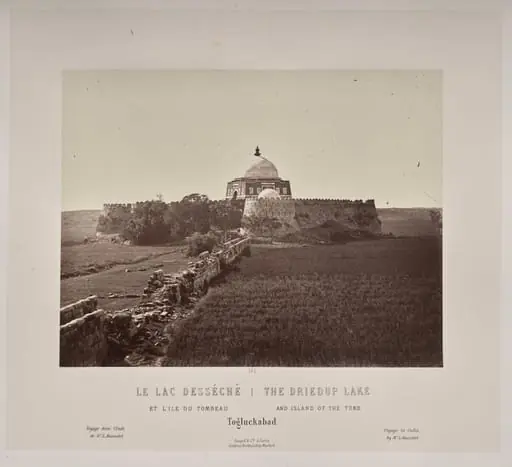
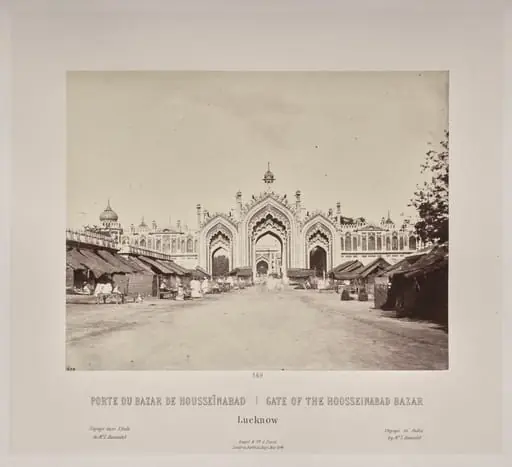
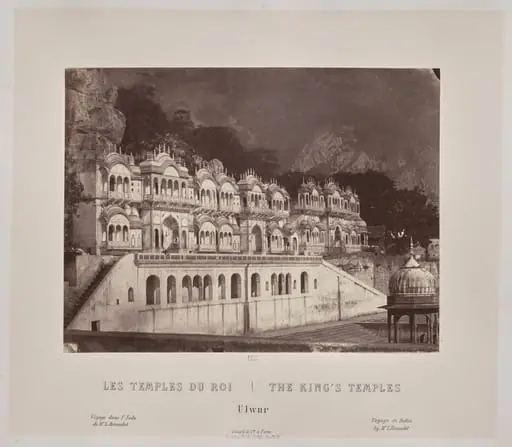
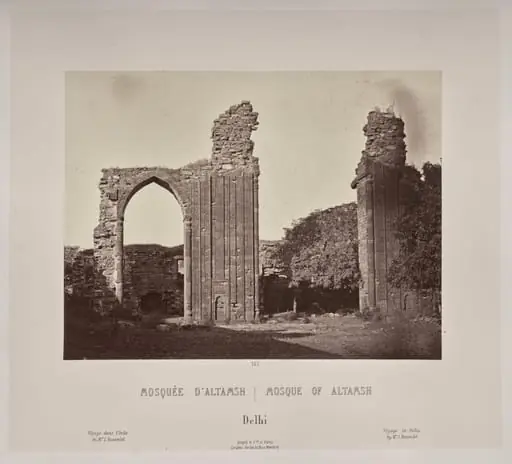
The photograph was made during Rousselet’s extended travels in India, where he documented sites associated with Sultanate, Rajput, and Mughal heritage. It was later included in a published album of his work, which combined his photographic and drawn records. The image remains part of a broader 19th-century effort to systematically record India’s cultural landscapes through emerging photographic technology.
Context
In the 1860s, photography was still a novel tool for ethnographic and architectural documentation in colonial India. Rousselet’s use of the medium aligned with broader European interests in recording indigenous sites, yet his approach stood out for its attention to everyday human presence rather than purely monumental forms. His work reflects a transitional moment in visual culture, where photography began to supplement and challenge traditional illustration.
Legacy
Rousselet’s photographs contributed to a growing archive of Indian scenes that influenced both Western perceptions and later Indian artists. His decision to adopt photography mid-journey signaled a shift in how travelers engaged with visual documentation. The image remains a quiet but significant example of early documentary photography in South Asia, valued for its unembellished record of place and practice.
Artist & collection
Artist
Louis-Théophile Marie Rousselet
Louis-Théophile Marie Rousselet (1845–1929) was a French artist.