Artwork
The Ghat of Madhoray, Bénarès
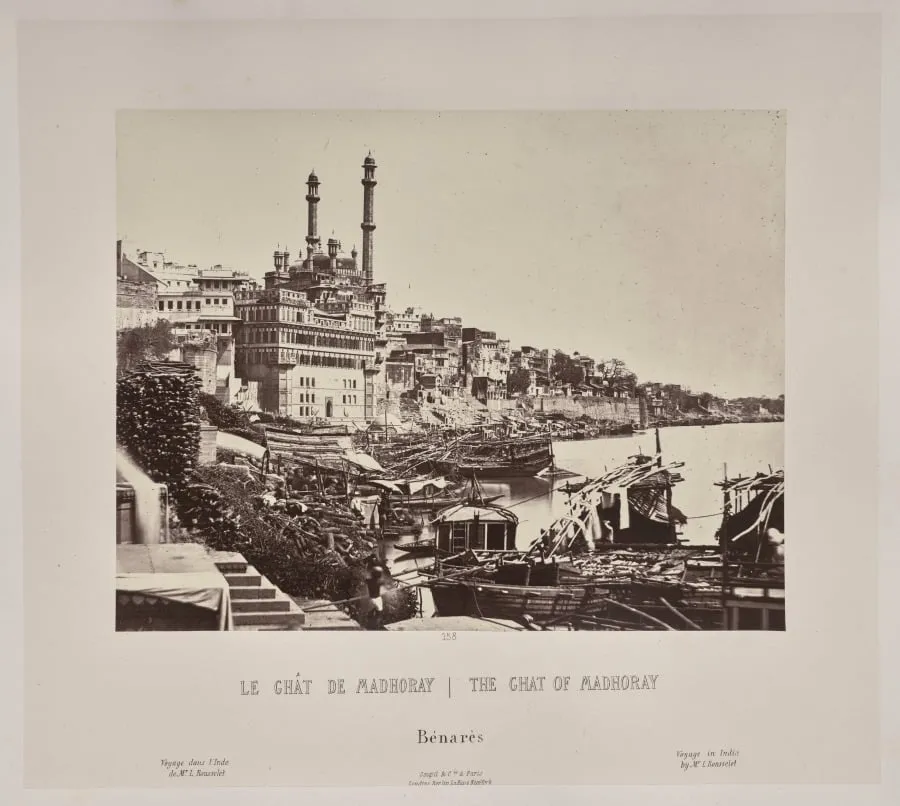
The Ghat of Madhoray, Bénarès is a photography by the Impressionist artist Louis-Théophile Marie Rousselet. It dates from 1866 and is held in the collection of the Cleveland Museum of Art. Taken in Varanasi during the 1860s, this photograph by Charles Rousselet captures the ghats along the Ganges River.
About this work
Overview
Taken in Varanasi during the 1860s, this photograph by Charles Rousselet captures the ghats along the Ganges River. Rousselet, initially a draftsman, turned to photography after finding sketches inadequate to convey the scale and atmosphere of India’s sacred sites. His use of the medium was self-taught and deliberate, reflecting a shift from artistic interpretation to documentary precision.
Subject & Meaning
The image shows a crowded riverside steps where daily rituals unfold: bathing, washing, prayer, and rest. The brown waters of the Ganges, golden light, and weathered architecture convey a sense of timelessness. Rather than idealizing the scene, Rousselet presents it with quiet observation, emphasizing the interplay between human activity and sacred geography without overt sentiment.
Technique & Style
Rousselet employed early photographic processes that required long exposures, resulting in soft edges and muted contrasts. The composition balances vertical steps with horizontal water and sky, drawing the eye along the river’s flow. The grainy texture and tonal gradations echo the atmospheric effects found in sfumato painting, lending the image a contemplative, hazy quality.
History & Provenance
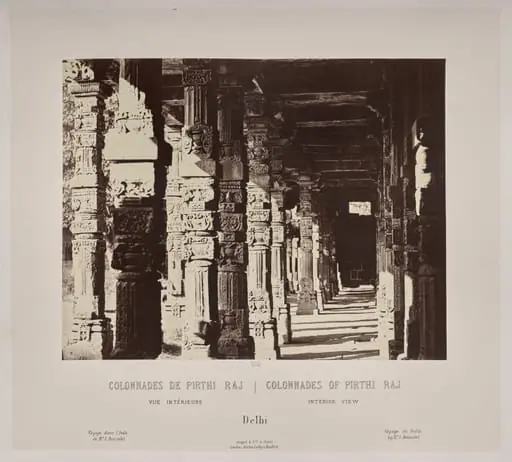
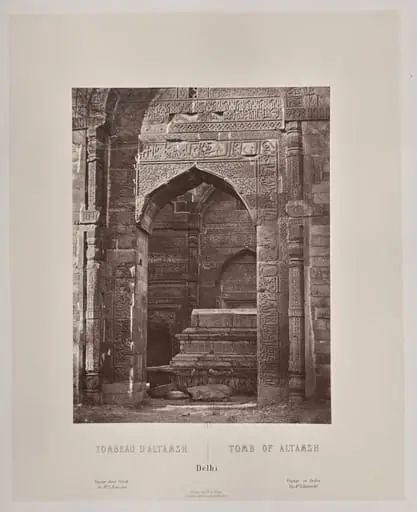
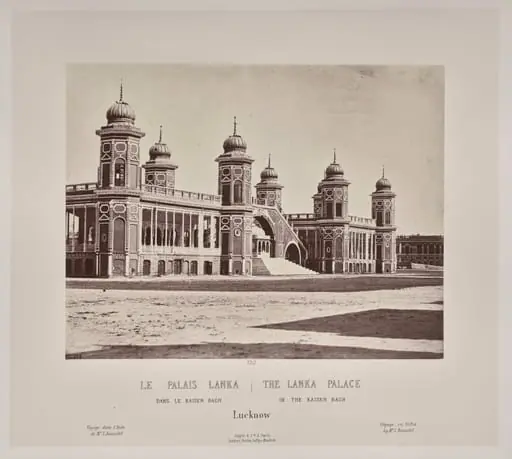
Rousselet produced this photograph during a multi-year journey across northern India, documenting sites tied to Sultanate, Rajput, and Mughal histories.
Rousselet produced this photograph during a multi-year journey across northern India, documenting sites tied to Sultanate, Rajput, and Mughal histories. The image was later included in a published album that combined his photographs with his original drawings. The work reflects a transitional moment in visual culture, as photography began to supplement—and sometimes replace—traditional illustration in ethnographic records.
Context
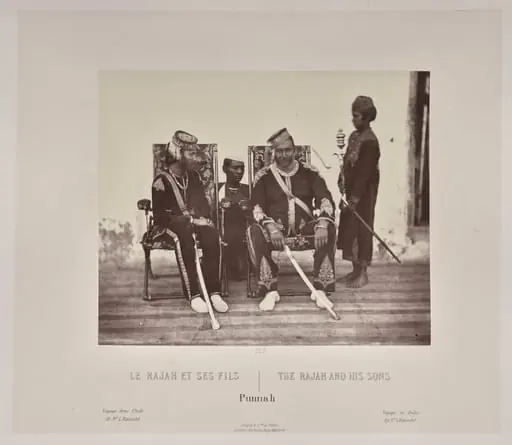
In mid-19th century India, photography was still a novel and technically demanding practice, especially in remote or humid regions. Rousselet’s decision to learn it on-site, amid limited resources, was unusual. His images contributed to European understandings of Indian architecture and daily life, though they avoided exoticism by focusing on routine, unembellished moments.
Legacy
Rousselet’s photographs remain valuable as early visual records of India’s religious and architectural heritage before widespread modernization. His integration of photographic technique with a draftsman’s eye influenced later travelers and ethnographers. The work stands as a quiet testament to the shift from artistic representation to mechanical documentation in colonial-era visual culture.
Artist & collection
Artist
Louis-Théophile Marie Rousselet
Louis-Théophile Marie Rousselet (1845–1929) was a French artist.

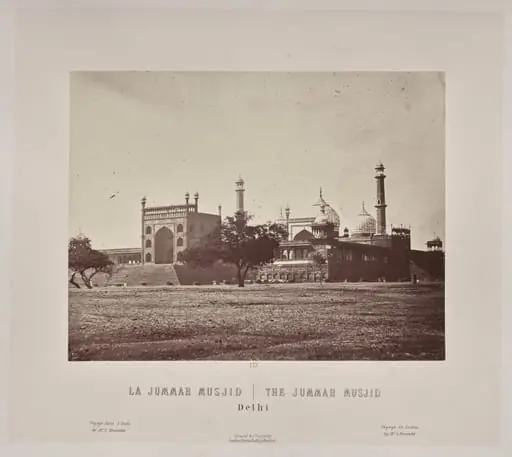
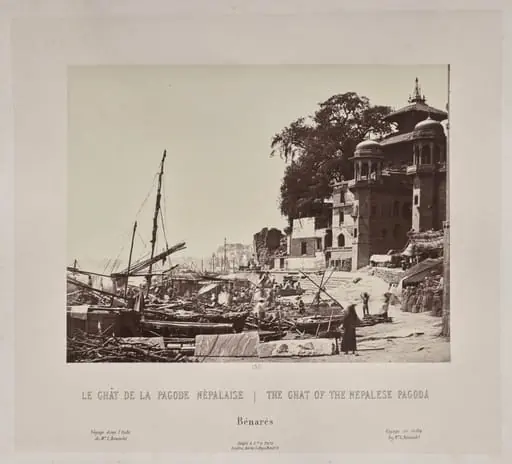 The Ghat of the Nepalese Pagoda, Bénarès
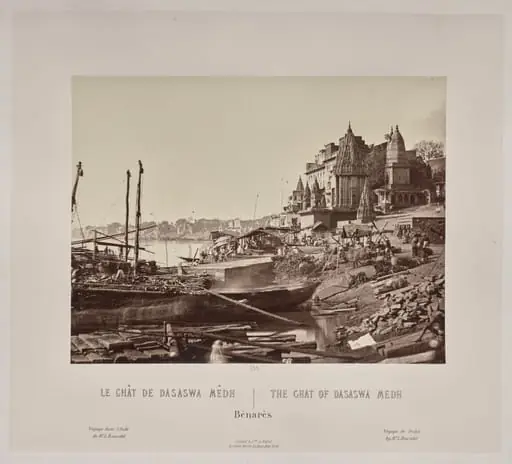 The Ghat of Dasaswa Medh, Bénarès
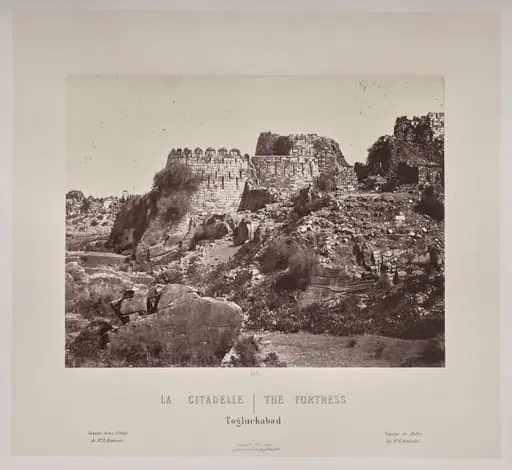 The Fortress, Togluckabad
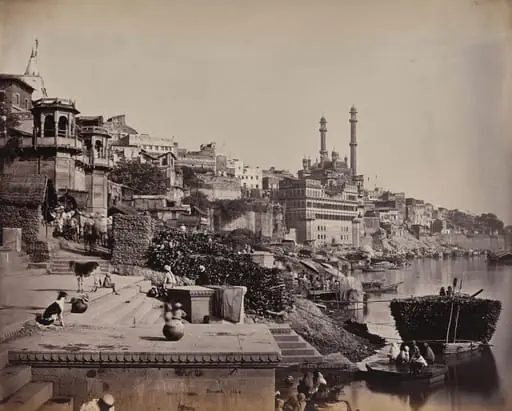 The City of Benares, on the Ganges, View of the Great Mosque of A (?) and Adjoining Landing Places
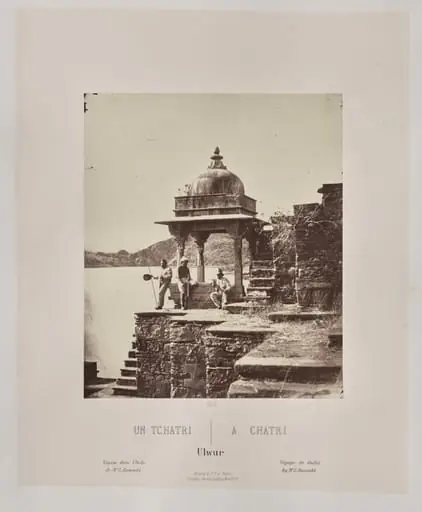 A Chatri, Ulwur
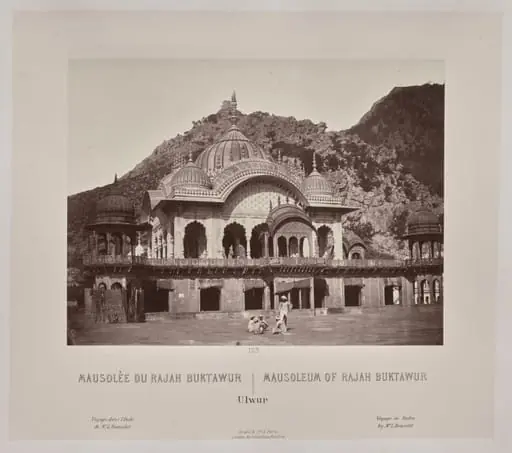 Mausoleum of Rajah Buktawur, Ulwur
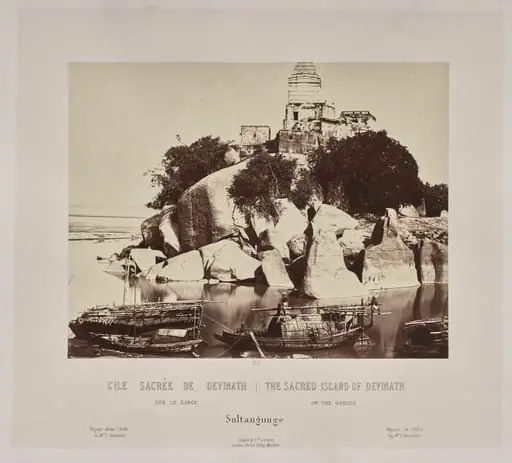 The Sacred Island of Devinath on the Ganges, Sultangunge
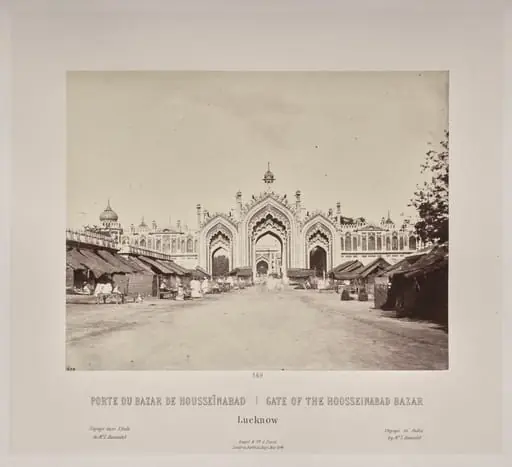 Gate of the Hoosseinabad Bazar, Lucknow
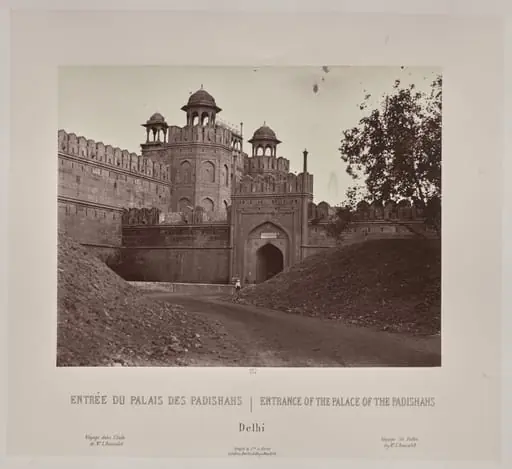 Entrance of the Palace of the Padishahs, Delhi