Artwork
Temperantia (Temperance)
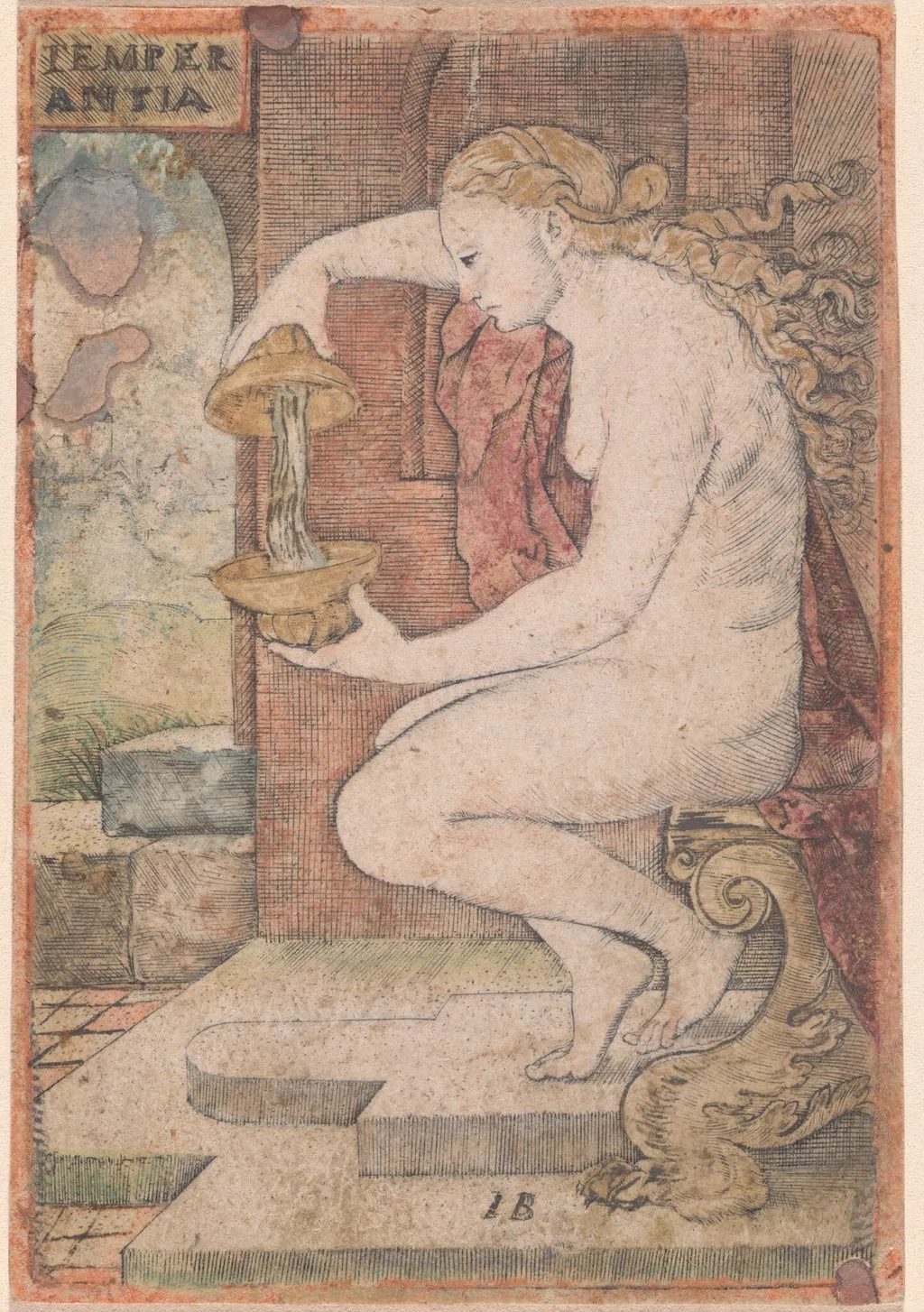
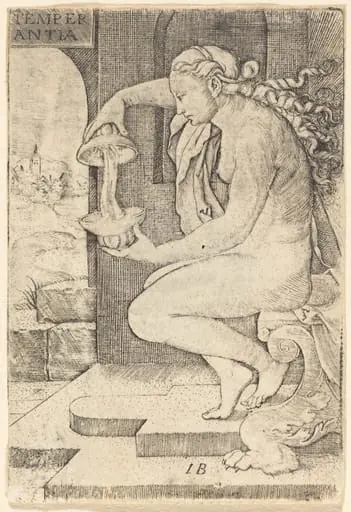
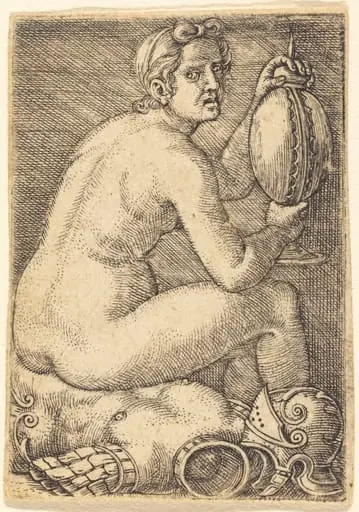
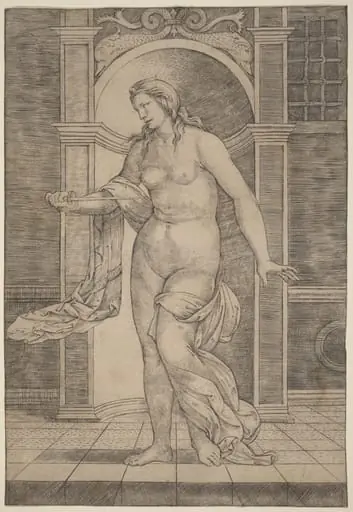
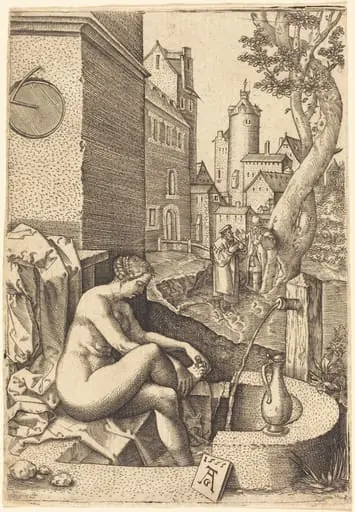
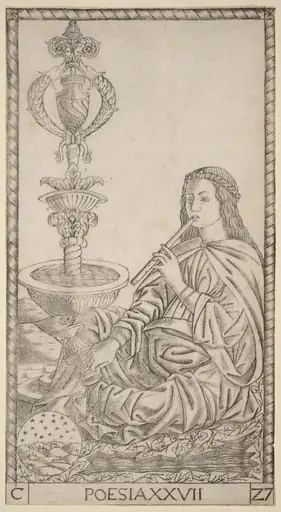
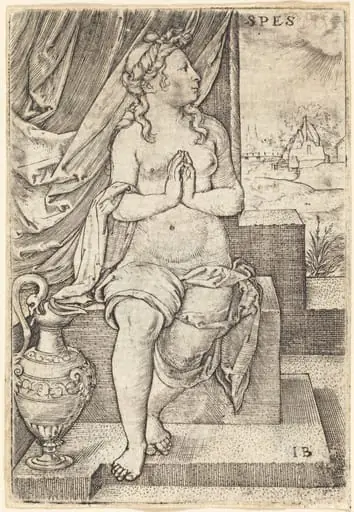
Temperantia (Temperance) is an ink print by the Renaissance artist Master IB. It dates from 1525 and is held in the collection of the National Gallery of Art.
About this work
Overview
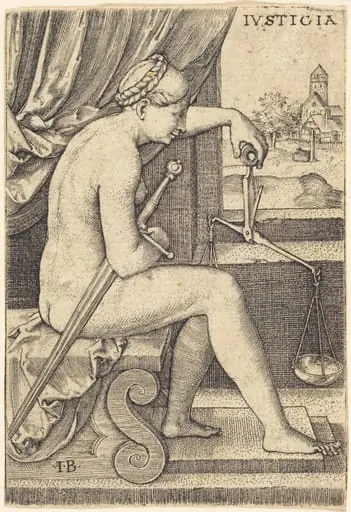
Temperantia, a hand‑colored engraving on laid paper attributed to the anonymous Master IB, dates to around 1525. The print presents a solitary female figure engaged in the act of transferring water from one vessel to another within a modest interior. The composition is restrained, emphasizing a quiet, contemplative atmosphere.
Subject & Meaning
The central figure embodies the allegorical virtue of temperance, a theme that resonated strongly in the early sixteenth century as societies emphasized moderation and moral balance. By depicting the measured pouring of water, the image conveys the controlled flow of desire and the pursuit of equilibrium in personal conduct.
Technique & Style
Executed as a fine line engraving, the work was later enhanced with hand‑applied color, a common practice to enrich the visual impact of prints on laid paper. The artist’s delicate hatching and clear delineation of forms create a sense of depth while maintaining the flatness typical of early Renaissance graphic art.
Context
Temperance was one of the cardinal virtues frequently illustrated in religious and moral instruction during the period. Prints such as this served both didactic and decorative purposes, circulating widely among educated audiences who valued visual representations of ethical ideals.
Artist & collection