Artwork
The Seven Sorrows of Mary
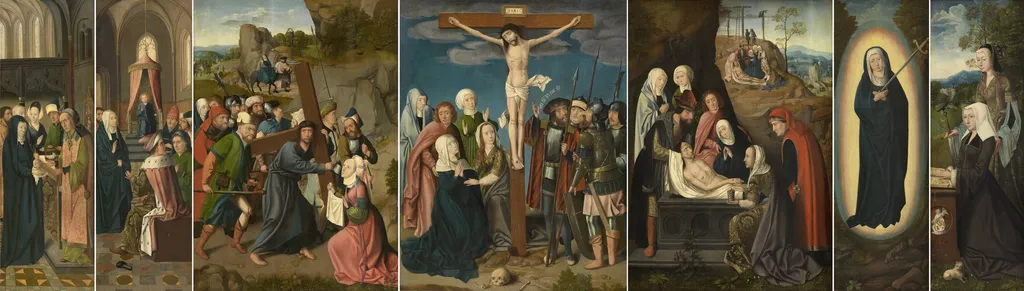
The Seven Sorrows of Mary is an oil painting by the Northern Renaissance artist Master of Hoogstraeten. It dates from 1440 and is held in the collection of the Royal Museum of Fine Arts Antwerp. Created circa 1440, this oil-on-panel work presents the traditional Seven Sorrows of the Virgin Mary in a sequential format.
About this work
Overview
Created circa 1440, this oil-on-panel work presents the traditional Seven Sorrows of the Virgin Mary in a sequential format.
Created circa 1440, this oil-on-panel work presents the traditional Seven Sorrows of the Virgin Mary in a sequential format. Seven distinct episodes unfold from left to right, each set in its own architectural or landscape space, with Mary centrally positioned and often accompanied by attendant figures. The painting’s compact composition invites contemplation of each sorrow as part of a unified devotional narrative.
Subject & Meaning
The panels depict the pivotal moments of grief associated with Mary: the prophecy of Simeon, the flight into Egypt, the loss of the child Jesus in the temple, the meeting with the crucified Christ, and the other five sorrows traditionally recognized in medieval piety. By arranging them in chronological order, the work underscores the continuity of Mary's suffering and her role as a model of steadfast faith.
Technique & Style
Executed in oil, the artist employs a vivid palette and careful modeling of light and shadow to achieve a subtle chiaroscuro effect, lending three‑dimensionality to figures and interiors. Fine detailing of textiles, architecture, and landscape elements reflects the Northern Renaissance’s emphasis on realism, while the overall composition retains a decorative quality characteristic of early Antwerp Mannerist tendencies.
History & Provenance
The painting is attributed to the so‑called Master of Hoogstraeten, a notname assigned to an anonymous Flemish painter or workshop active in Antwerp during the early sixteenth century. Documentation of its early ownership is scarce, but the work has been associated with devotional contexts in the Low Countries and entered museum collections through 19th‑century acquisitions of Netherlandish religious art.
Context
Emerging at a time when devotional imagery was central to private and communal worship, the piece reflects the Northern European focus on personal meditation on Christ’s and Mary’s passion. Its stylistic links to the Antwerp Mannerists place it within a transitional phase between late Gothic ornamentation and the more naturalistic approaches that would dominate later Renaissance painting in the region.
Artist & collection
Artist
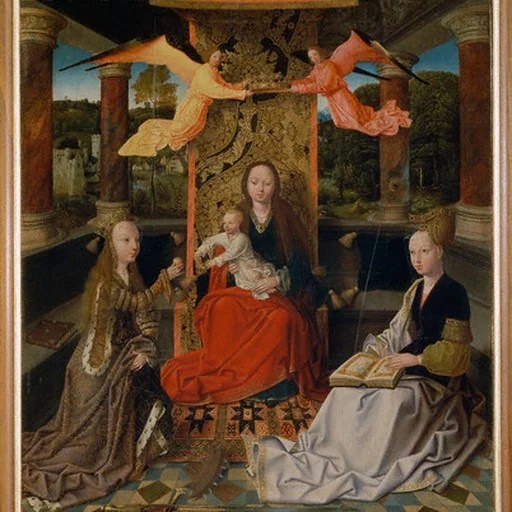
The Master of Hoogstraeten (c. 1475 – c. 1530) is the Notname given to a Flemish painter or a collective of painters active in Antwerp in the early 16th century. The master created principally religious paintings and is…

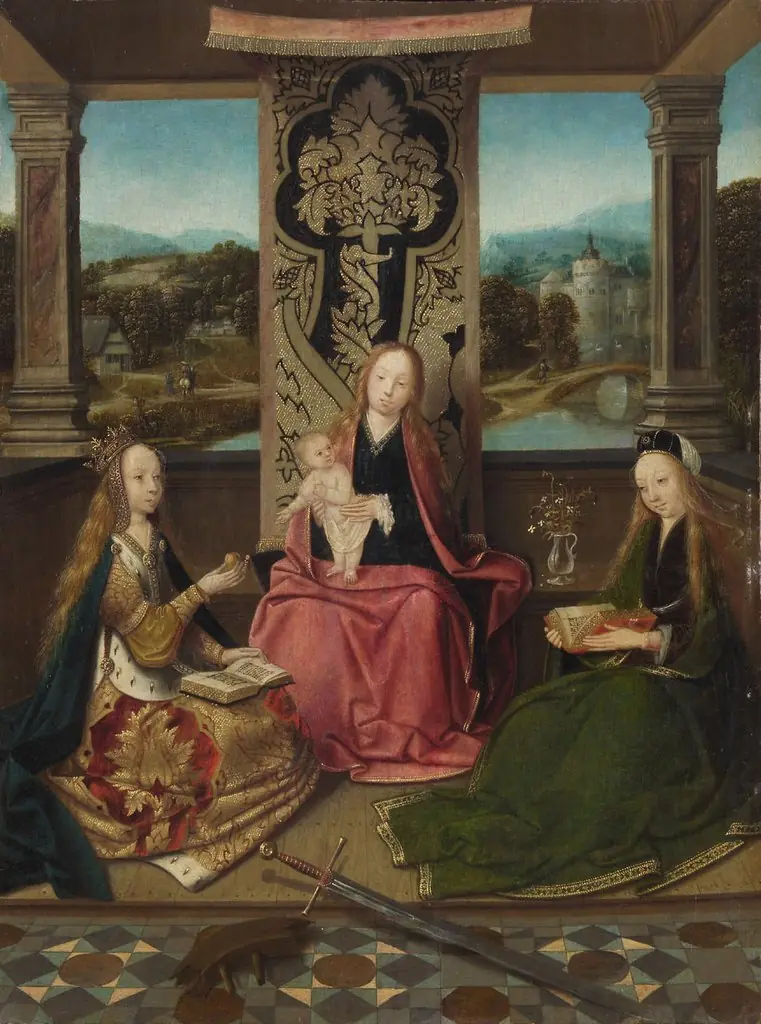 Madonna and Child with Saints Catherine and Barbara
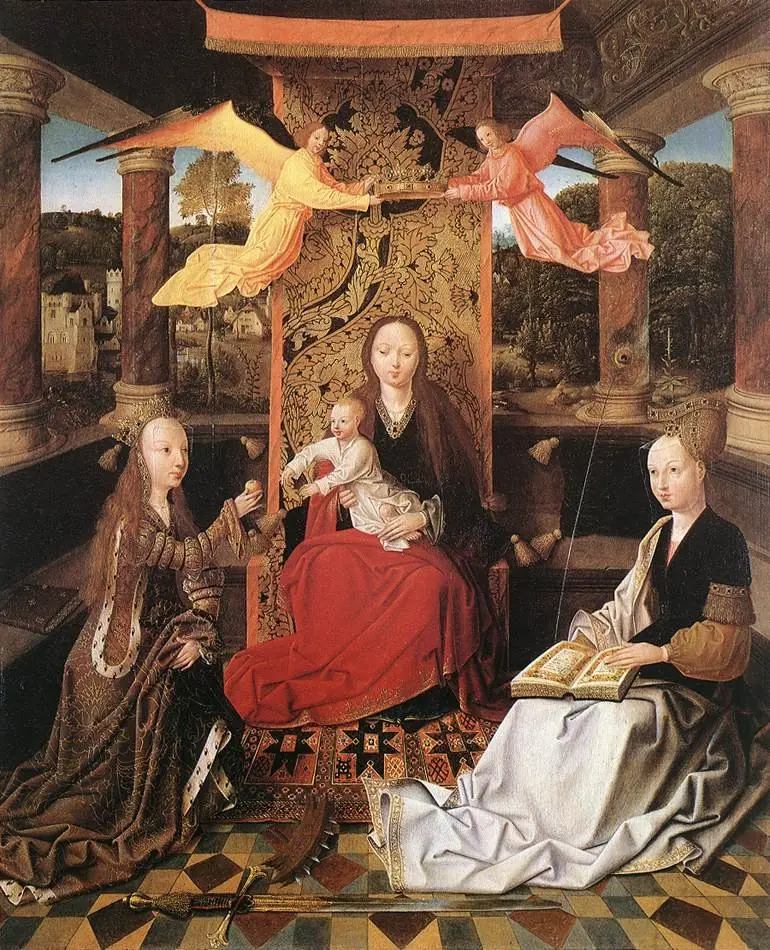 Madonna and Child with Sts Catherine and Barbara
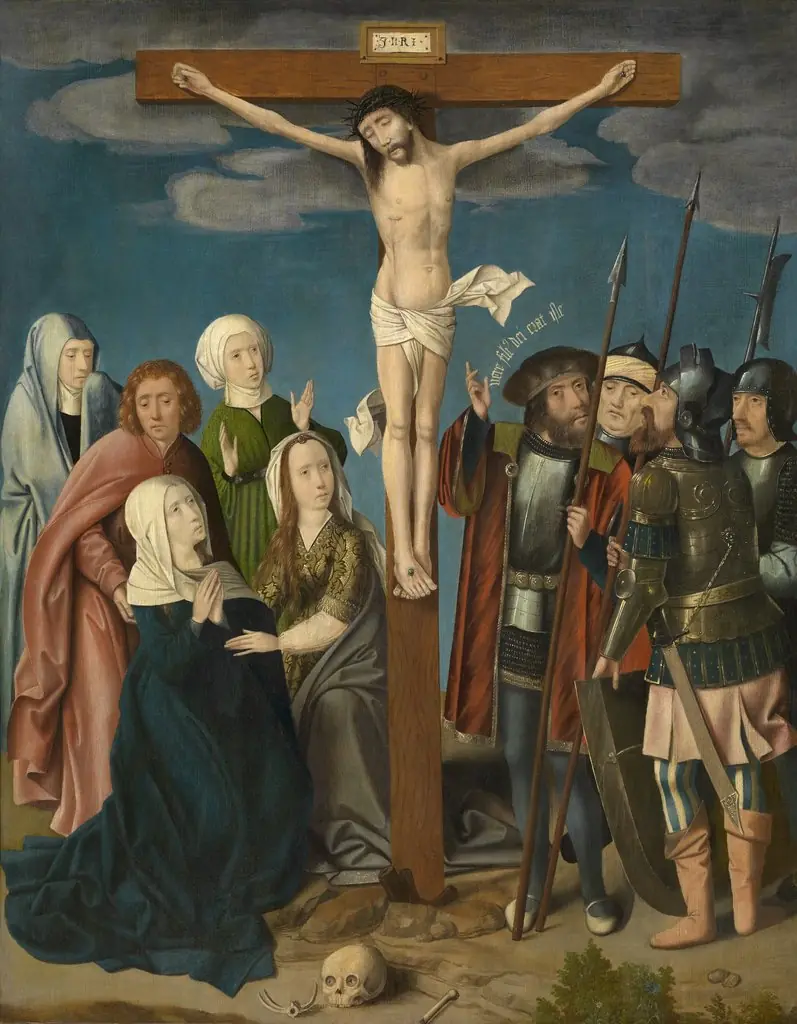 Calvary
![Altarpiece showing scenes from the Infancy of Christ: The Adoration of the Magi [center]; The Annunciation; The Presentation of Christ in the Temple; The Flight into Egypt; The Nativity [clockwise from upper left], by Master of Hoogstraeten](https://artifactworldgallery.com/img/master-of-hoogstraeten--altarpiece-showing-scenes-from-the-infancy-of-christ-the-ado--6a236bfea3373486-w320.webp) Altarpiece showing scenes from the Infancy of Christ: The Adoration of the Magi [center]; The Annunciation; The Presentation of Christ in the Temple; The Flight into Egypt; The Nativity [clockwise from upper left]
Altarpiece showing scenes from the Infancy of Christ: The Adoration of the Magi [center]; The Annunciation; The Presentation of Christ in the Temple; The Flight into Egypt; The Nativity [clockwise from upper left]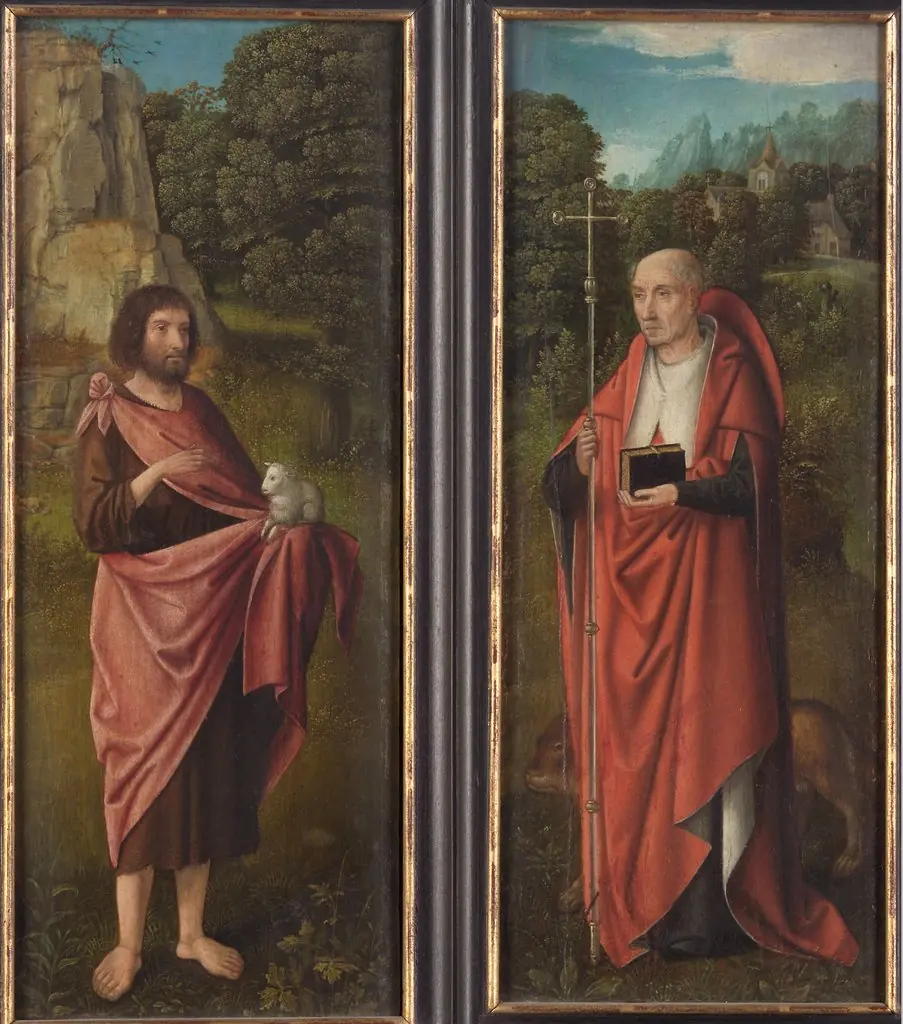 Saint John the Baptist and Saint Jerome
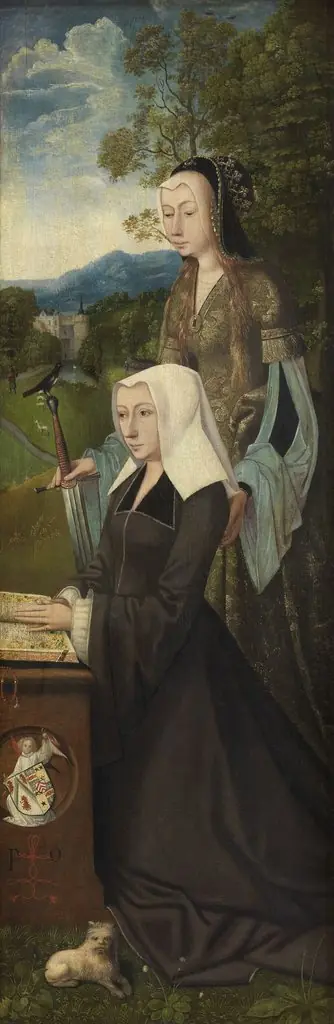 Oda Stecke
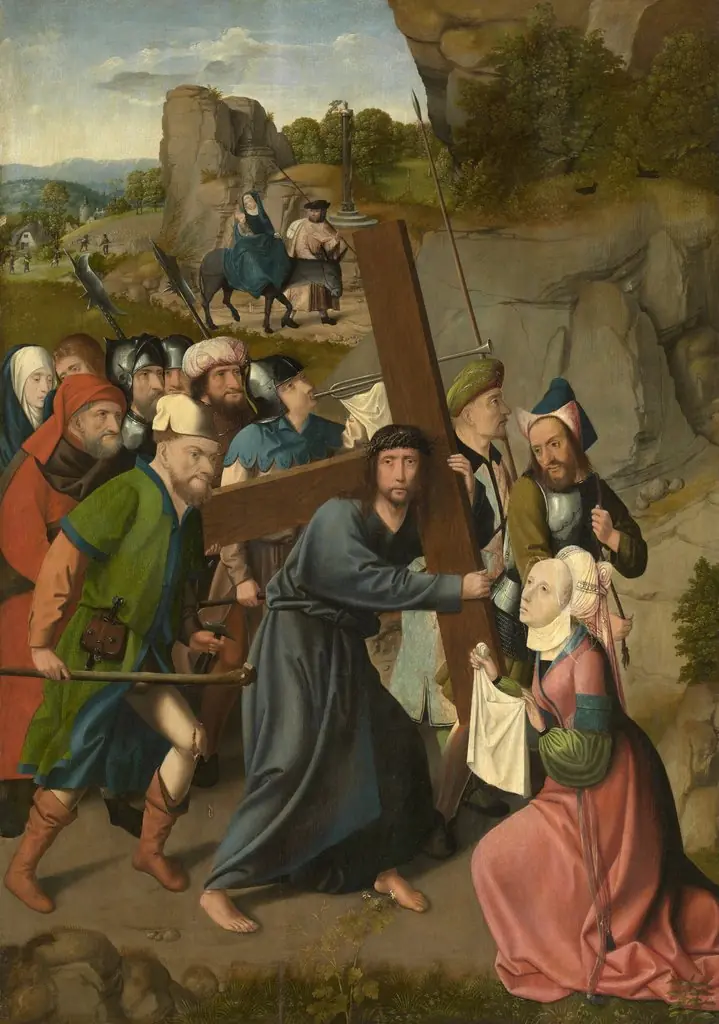 The Bearing of the Cross and the Flight into Egypt
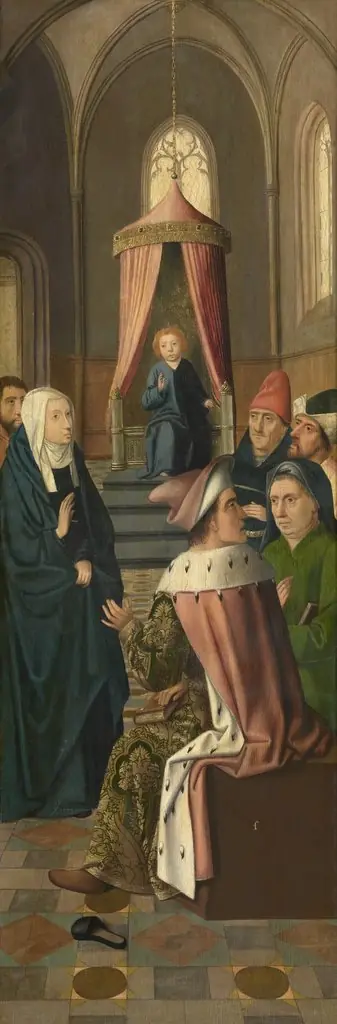 Christ's Dispute with the Doctors
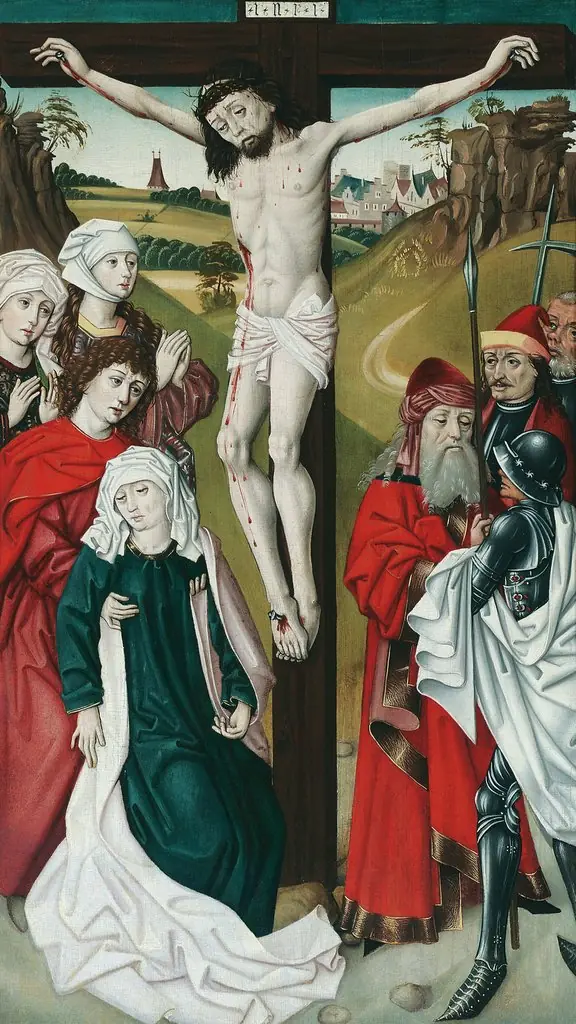 Kreuzigung Christi
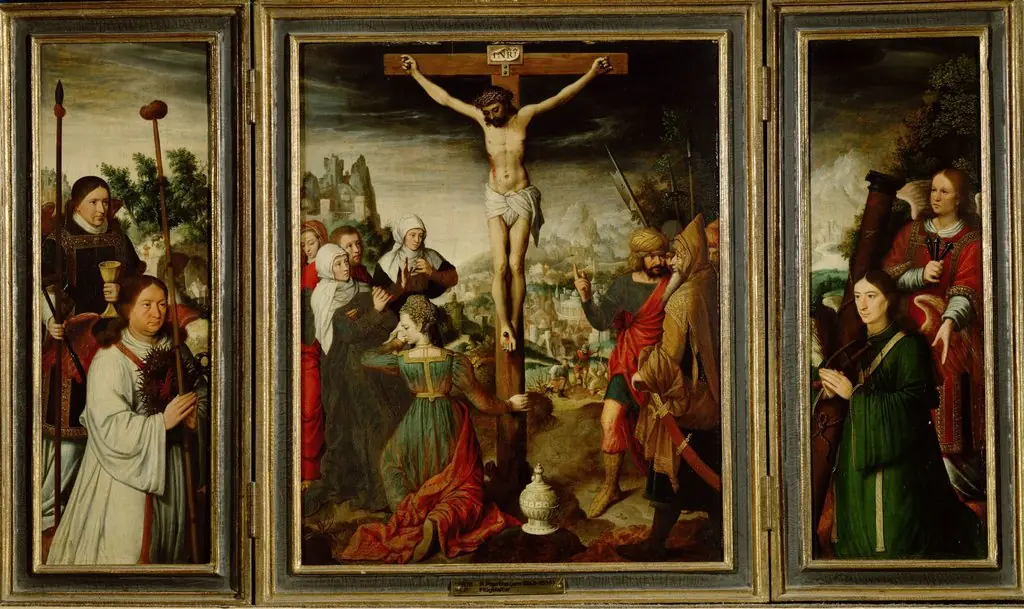 Kreuzigungstriptychon
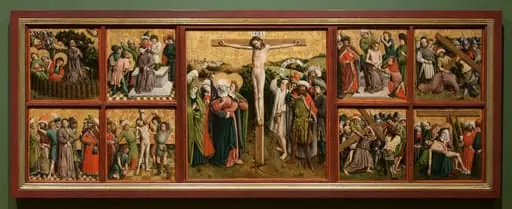 Altarpiece with The Passion of Christ
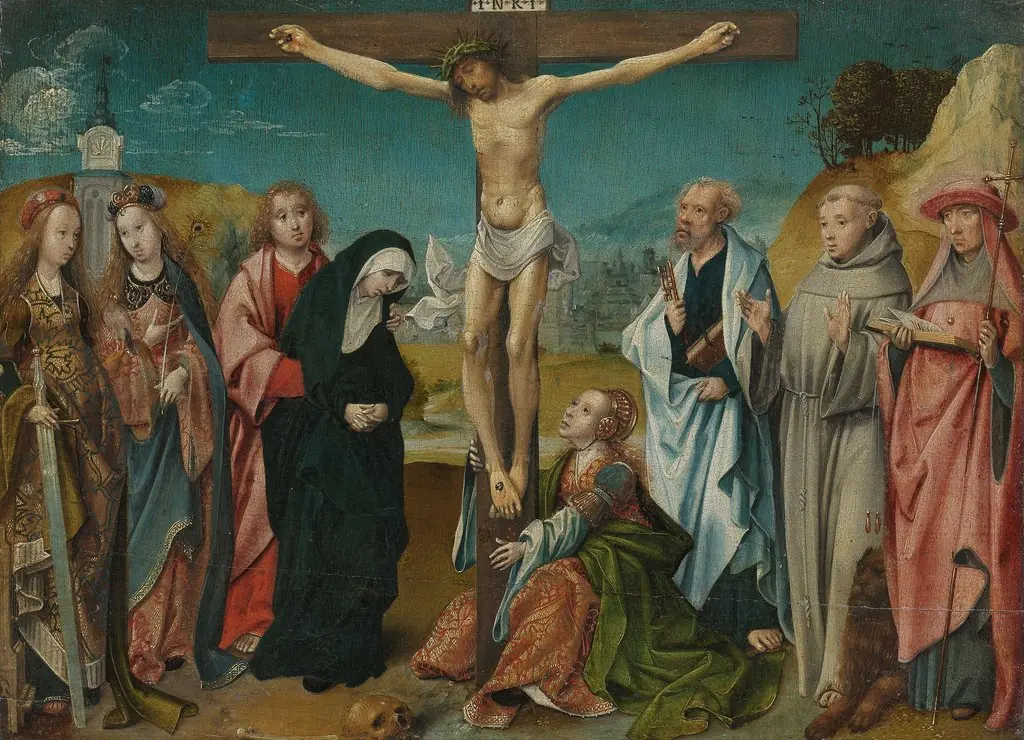 Christ on the cross with the Virgin, St John the Evangelist, Mary Magdalen, and Sts Cecilia and Barbara (left), and Sts Peter, Francis and Jerome (right)
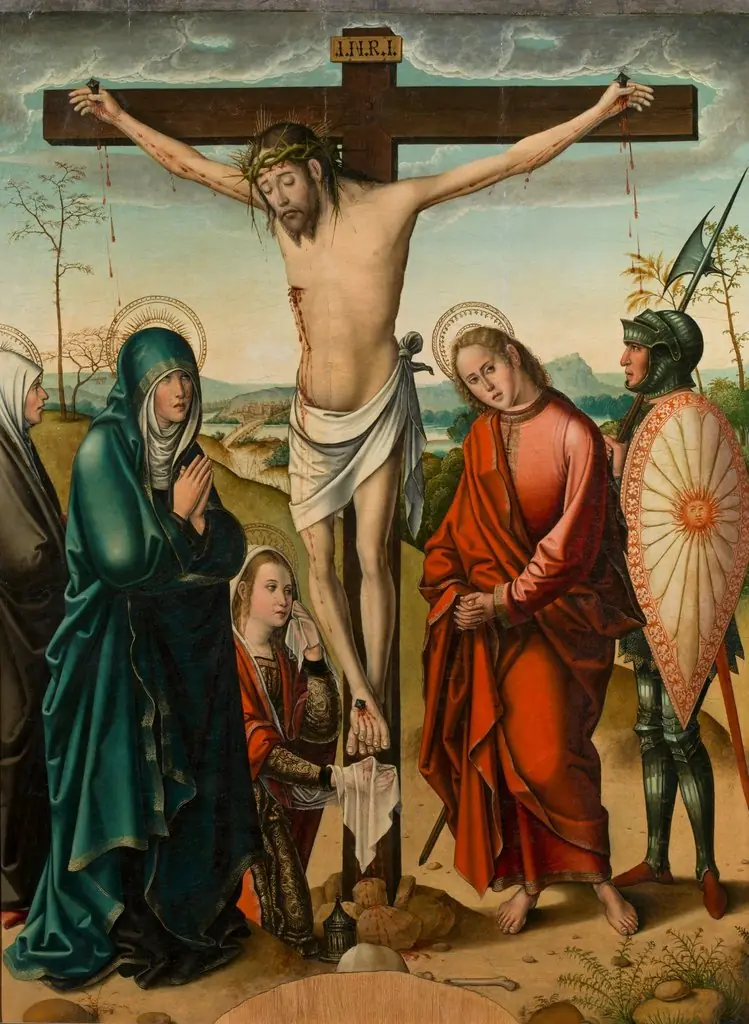 Crucifixión
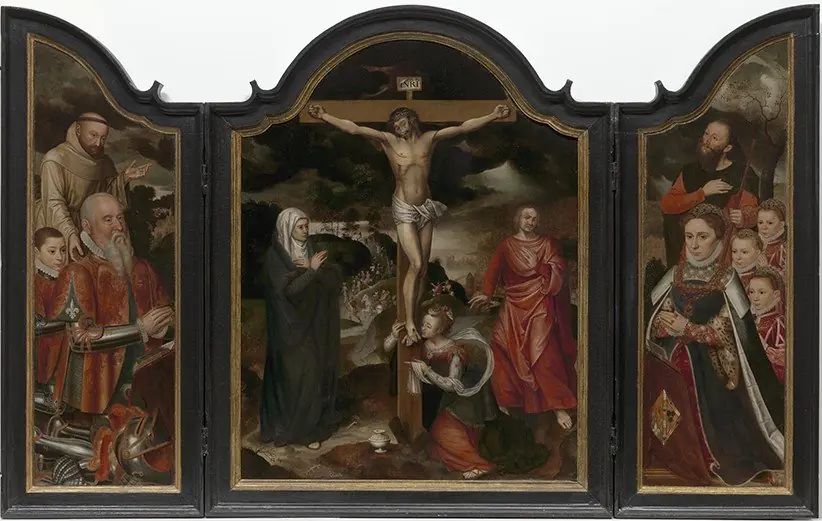 Crucified Christ with Mary, John and Mary Magdalene
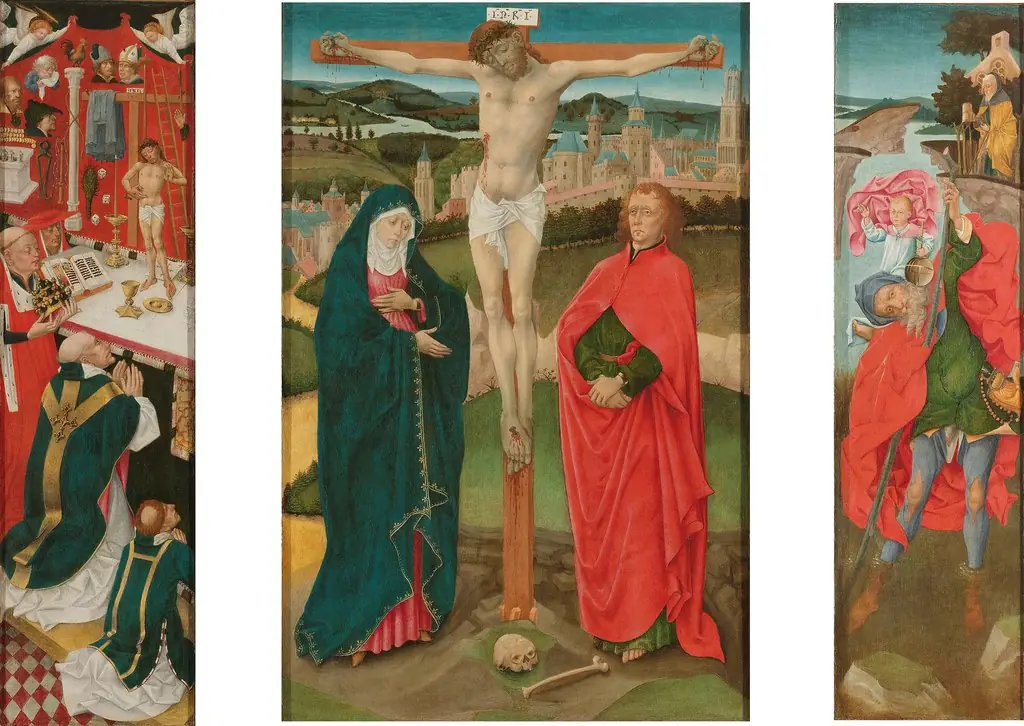 Triptych with the Crucifixion
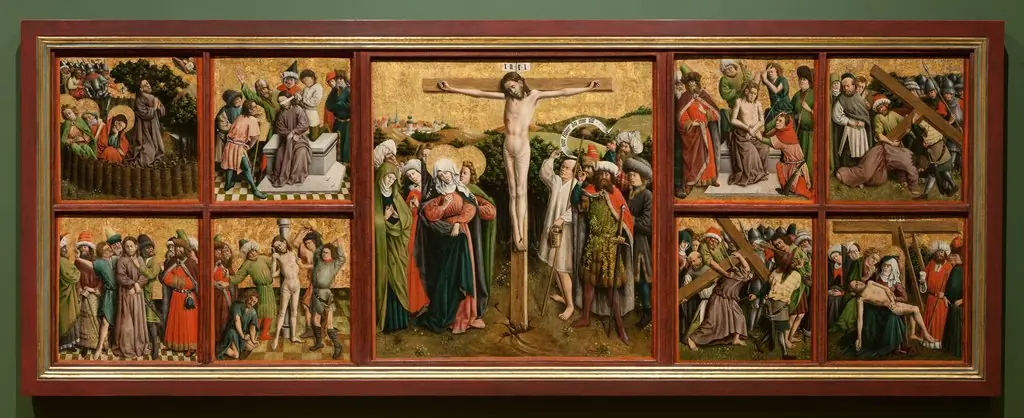 Altarpiece with The Passion of Christ
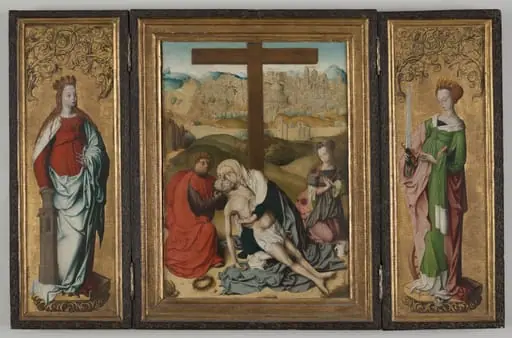 Triptych with The Lamentation of Christ (center), St. Barbara (left wing), St. Catherine of Alexandria (right wing), The Annunciation (reverse wings)
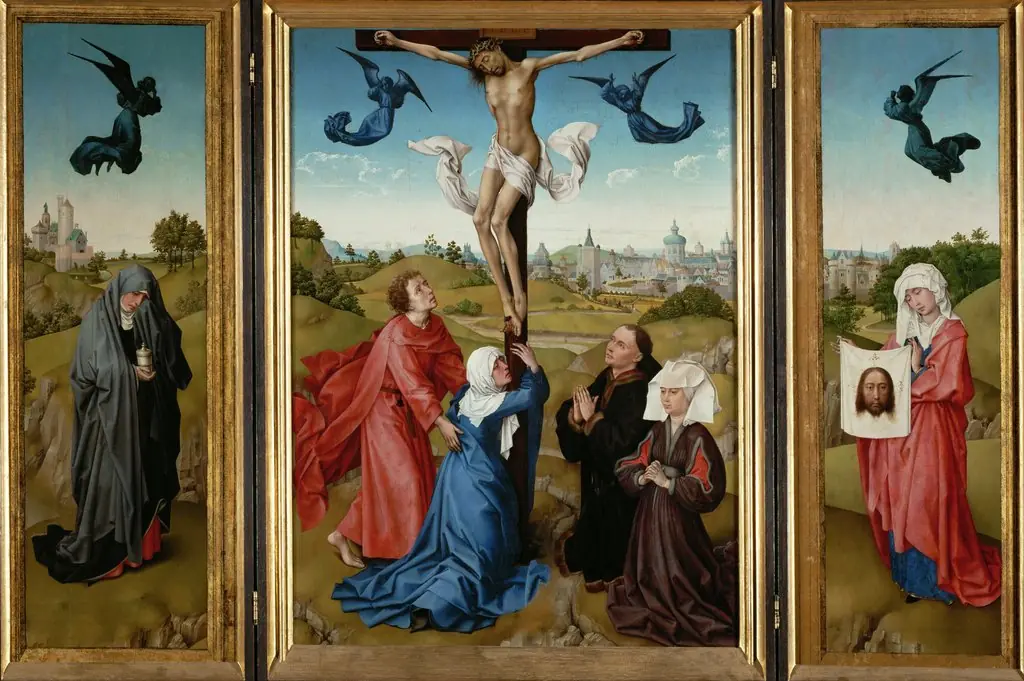 Crucifixion Triptych
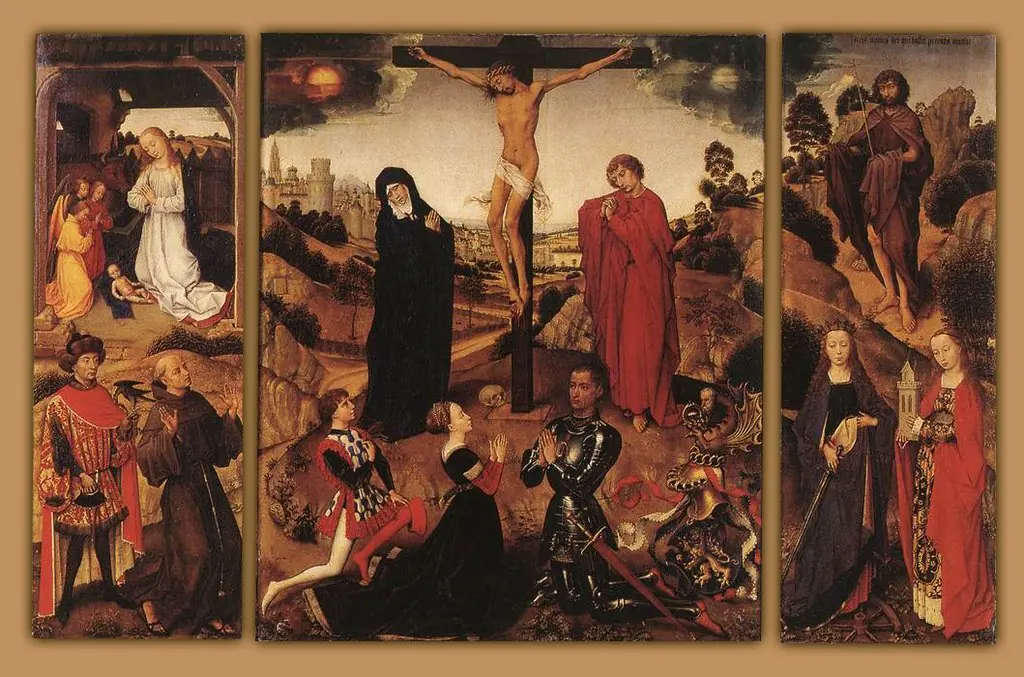 Sforza Triptych