Artwork
Small Flowers of Saint Francis
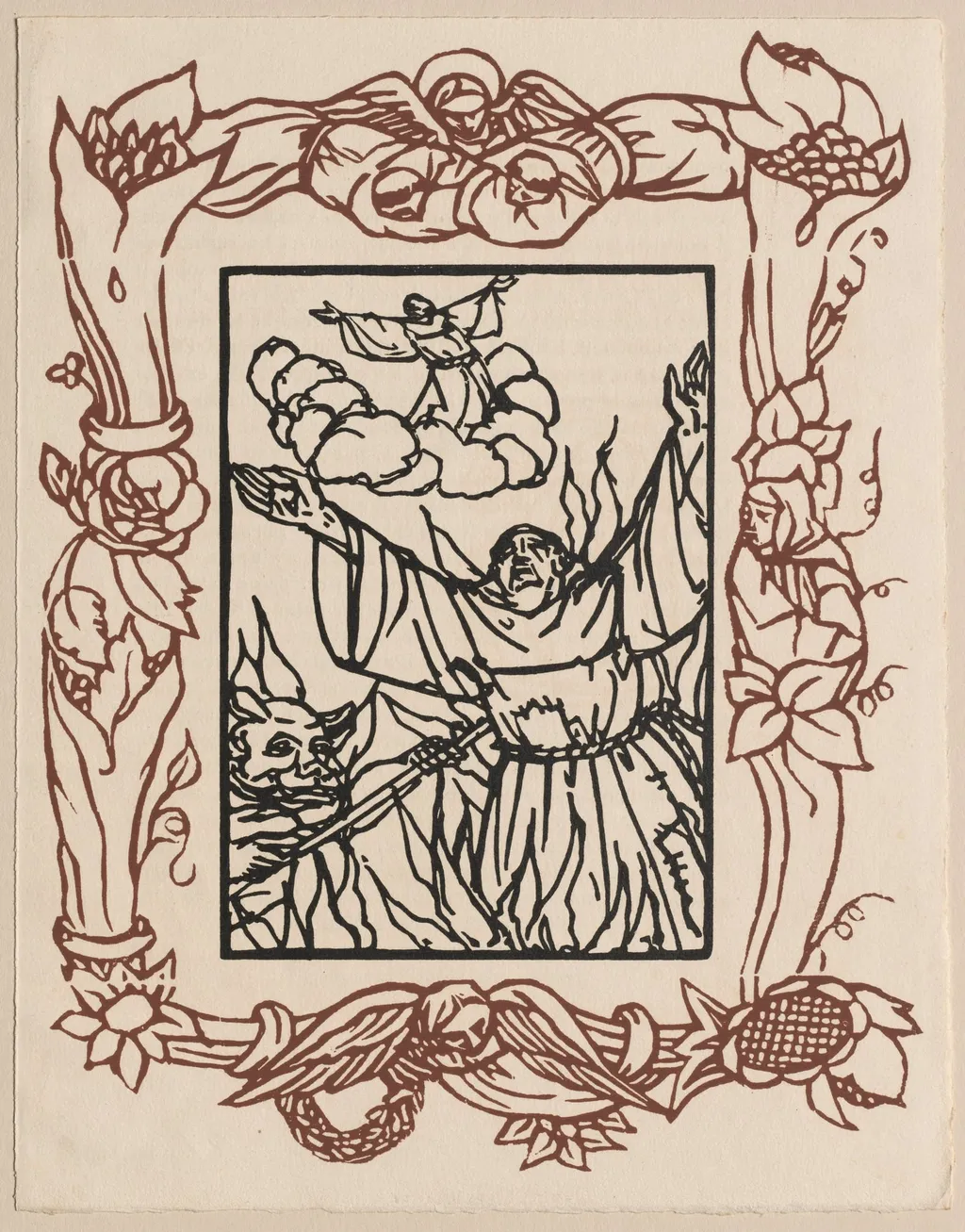
Small Flowers of Saint Francis is a print by Émile Bernard. It dates from 1928 and is held in the collection of the Cleveland Museum of Art.
About this work
Overview
Though best known for his role in developing Cloisonnism and Synthetism in the 1880s, Bernard returned to spiritual subjects in his later years.
Created in 1928 by French artist Émile Bernard, *Small Flowers of Saint Francis* is a monochromatic print that reflects his later engagement with religious themes. Though best known for his role in developing Cloisonnism and Synthetism in the 1880s, Bernard returned to spiritual subjects in his later years. This work, held by The Cleveland Museum of Art, combines decorative patterning with narrative restraint, using minimal color and simplified forms to evoke contemplation.
Subject & Meaning
The scene depicts a group of figures gathered around a central individual, likely Saint Francis of Assisi, in a moment of quiet reverence. The figures, rendered with sparse, flowing lines, suggest a communal ritual rather than a dramatic event. The absence of facial detail and the formal arrangement imply a symbolic rather than literal representation, emphasizing spiritual unity over individual identity. The surrounding floral border may allude to the natural world Francis revered.
Technique & Style
Bernard employed a two-color palette—black and reddish-brown—on a light ground to create strong visual contrast. Forms are flattened and outlined with bold, unmodulated lines, echoing his earlier Synthetist principles. The border features dense, rhythmic vines and blossoms, rendered with the same stylized economy as the central figures. This deliberate reduction of detail prioritizes pattern and symbolic harmony over naturalism, aligning with his interest in medieval and non-Western art traditions.
History & Provenance
The print was produced late in Bernard’s career, after decades of artistic evolution from avant-garde innovator to more introspective creator. It entered the collection of The Cleveland Museum of Art in the 20th century, likely through acquisition or donation. Its preservation reflects institutional recognition of Bernard’s sustained contribution to modern printmaking, particularly his ability to merge devotional content with formal experimentation.
Context
By 1928, Bernard had moved away from the radical circles of his youth, including his associations with Gauguin and van Gogh. He increasingly turned to religious and historical subjects, influenced by his Catholic faith and a growing interest in archaic art forms. This work aligns with a broader trend among early 20th-century artists who sought spiritual meaning through simplified, symbolic imagery, distancing themselves from modernist fragmentation.
Legacy
Though less widely known than his 1880s works, *Small Flowers of Saint Francis* exemplifies Bernard’s enduring commitment to expressive reduction. Its quiet intensity and decorative discipline influenced later generations of artists exploring the intersection of spirituality and formal abstraction. The print remains a quiet testament to his lifelong search for harmony between sacred narrative and visual economy.
Artist & collection
Artist
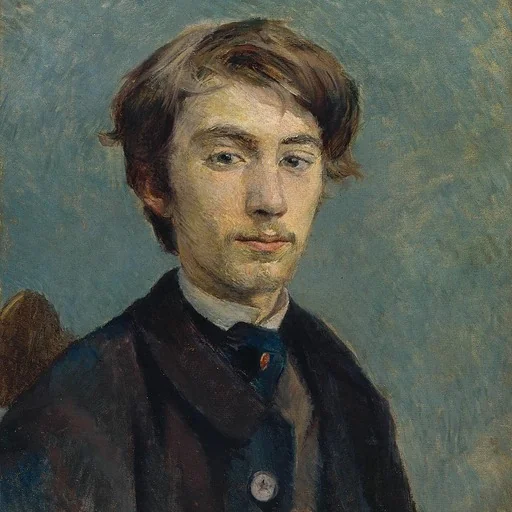
Émile Henri Bernard (French pronunciation: ; 28 April 1868 – 16 April 1941) was a French Post-Impressionist painter and writer, who had artistic friendships with Vincent van Gogh, Paul Gauguin and Eugène Boch, and at a later time, Paul…

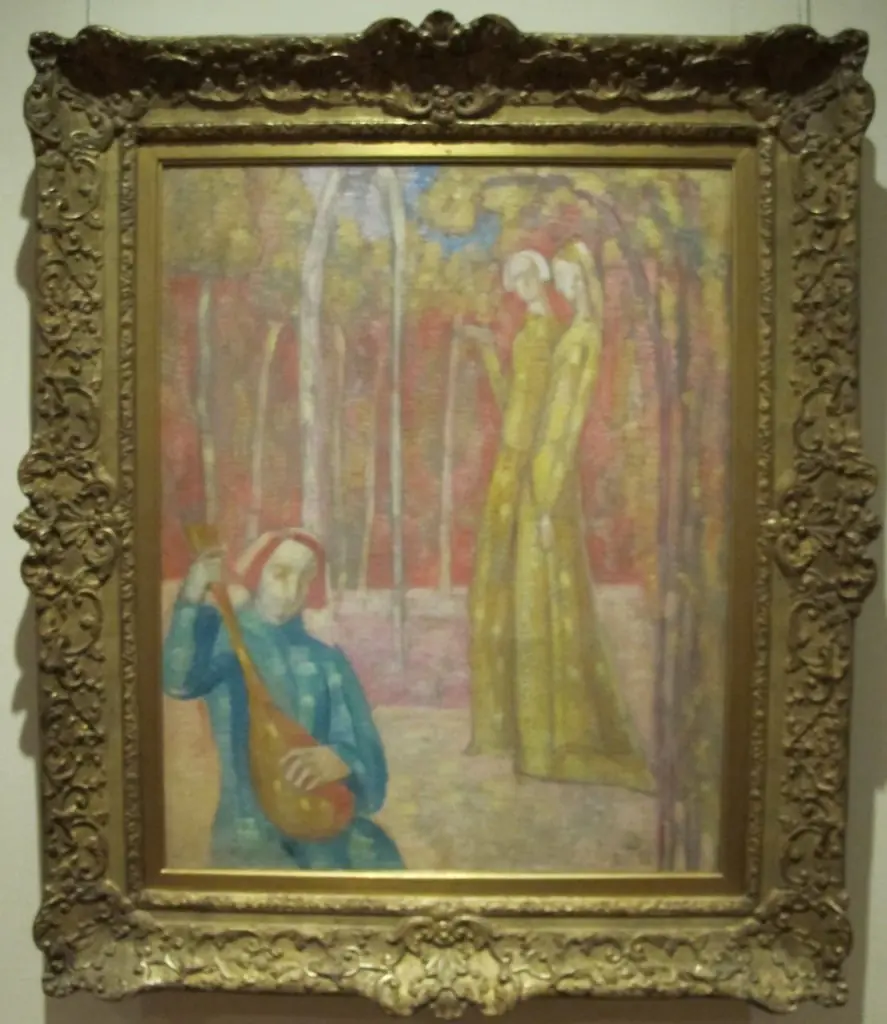
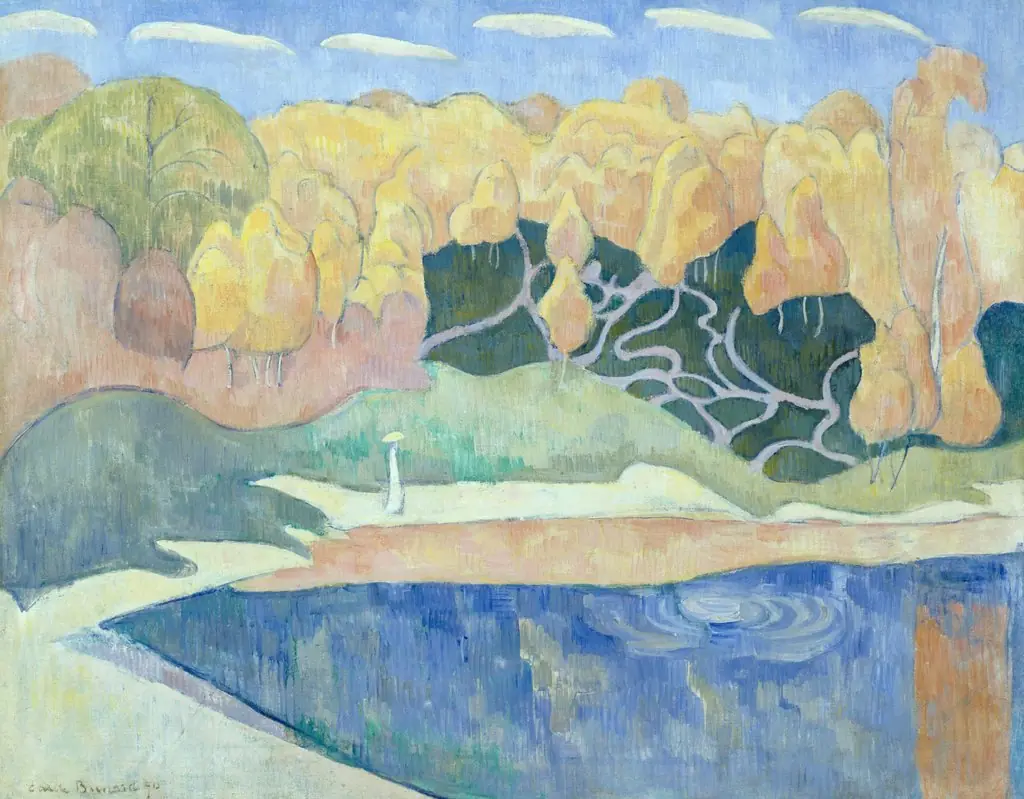
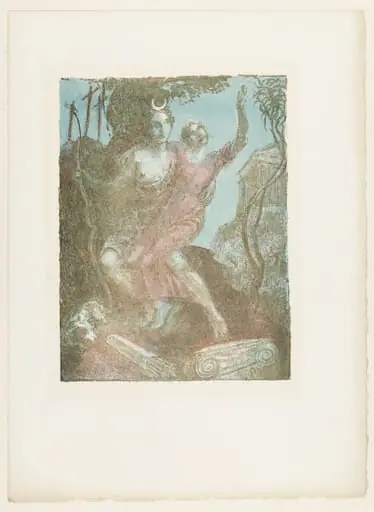 Untitled
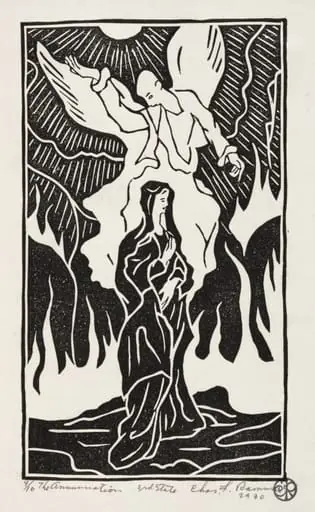 The Annunciation, Christmas Card for 1929
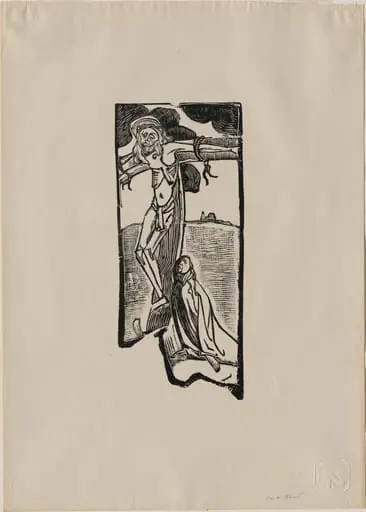 Christ
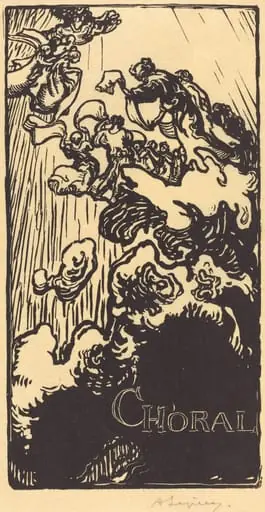 Choral
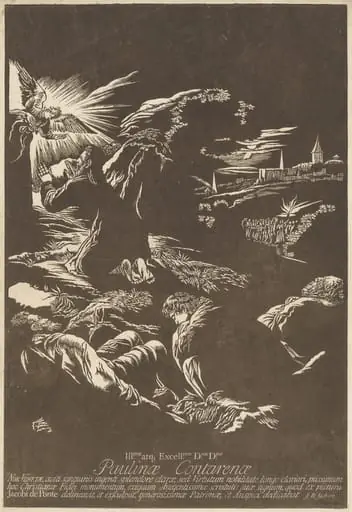 Christ on the Mount of Olives
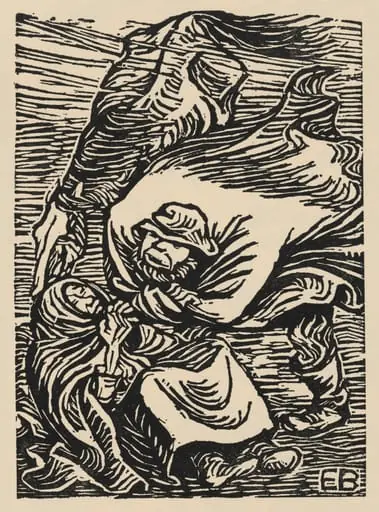 Gruppe im Sturm (Couple in a Storm) from Deutsche Graphiker der Gegenwart (German Printmakers of Our Time)
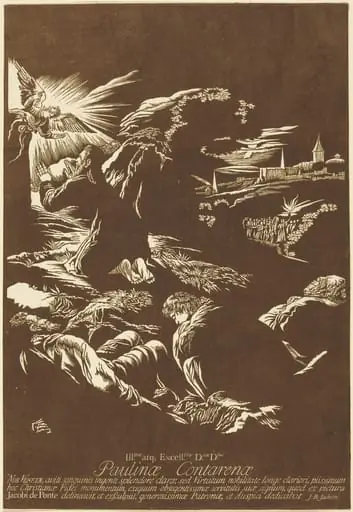 Christ on the Mount of Olives
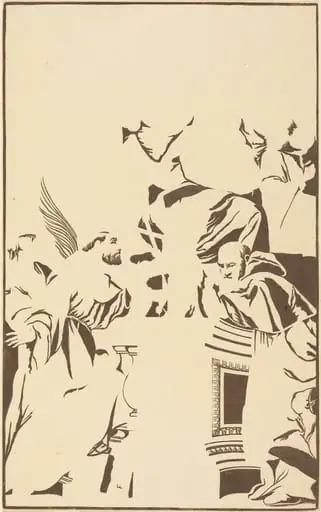 Holy Family and Four Saints
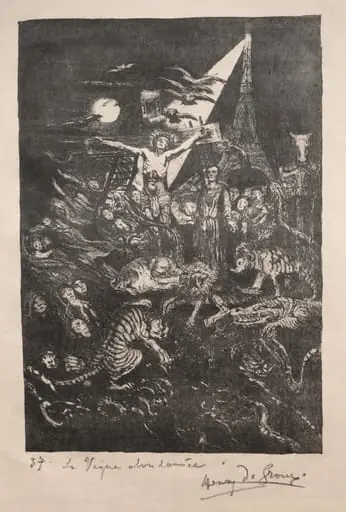 The Vintages!: The Abandoned Vine
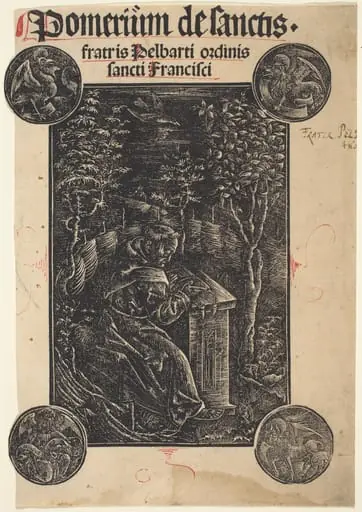 Franciscan, Pelbartus of Temesvar, in a Garden
 Faust
Faust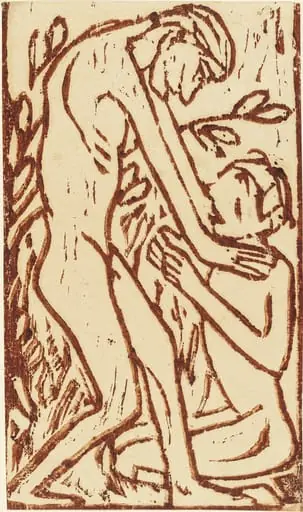 Untitled