Artwork
Joachim Patinir
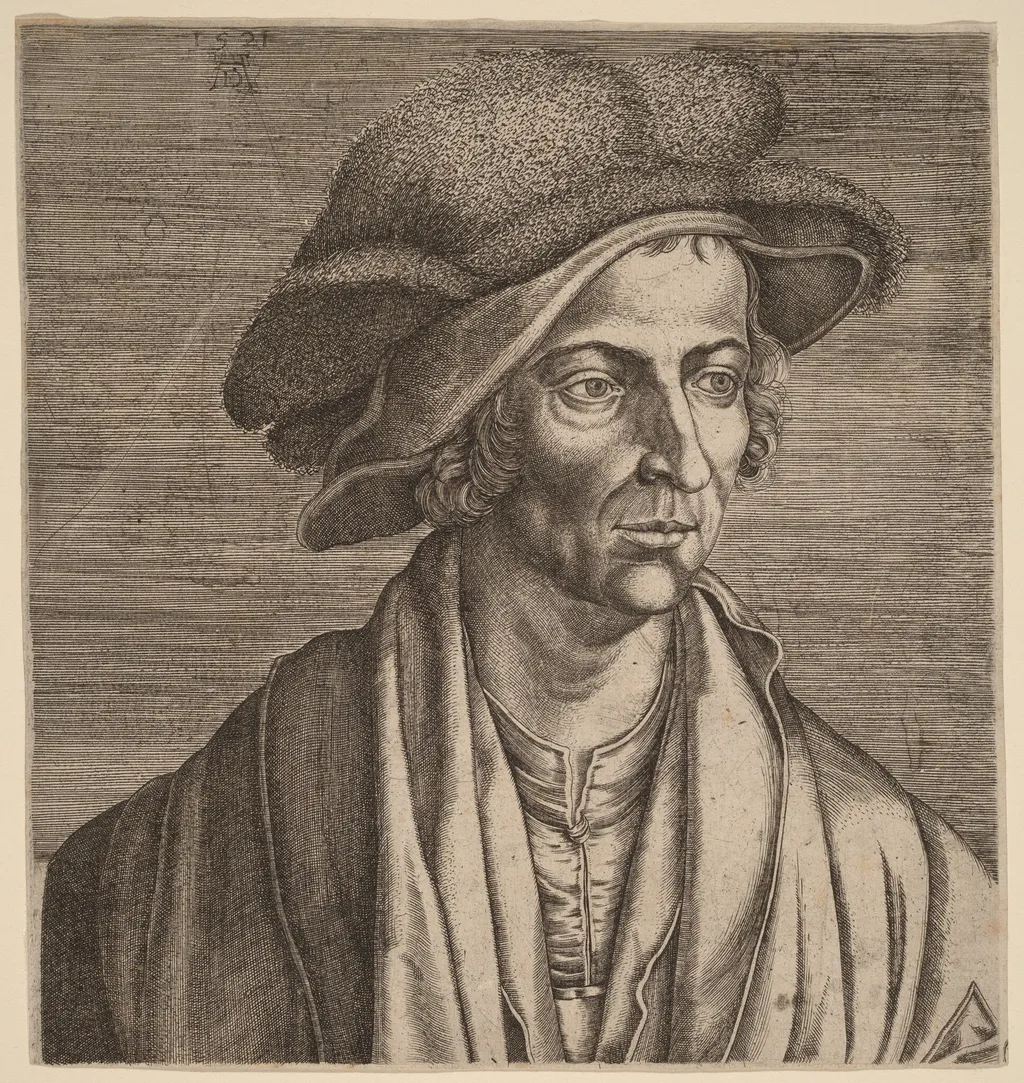
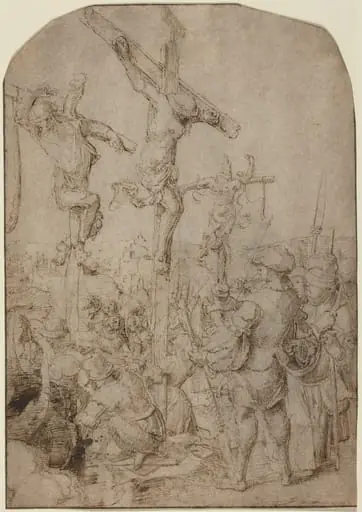
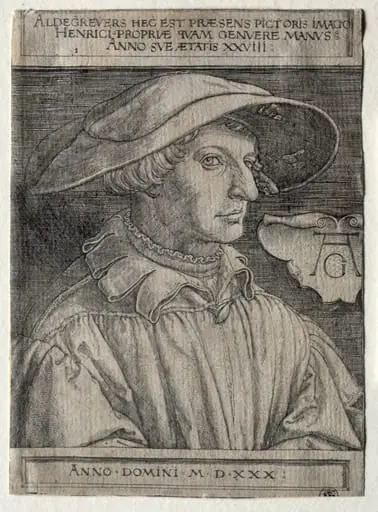
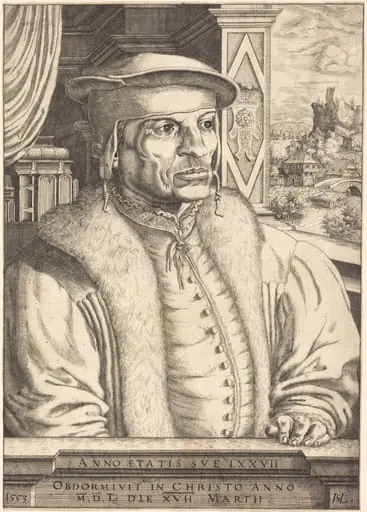
Joachim Patinir is an ink print by the Renaissance artist Netherlandish 16th Century. It dates from 1501 and is held in the collection of the National Gallery of Art.
About this work
Overview
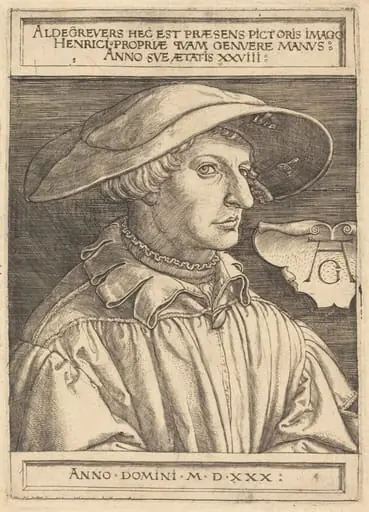
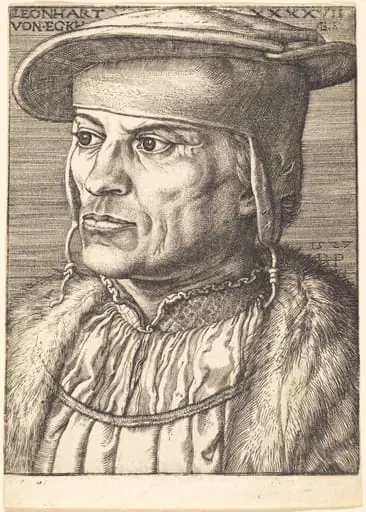
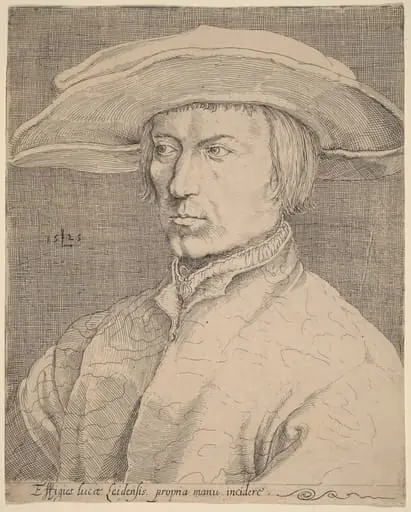
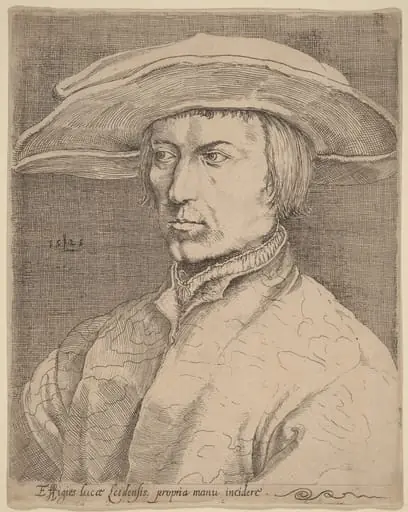
Joachim Patinir's engraving is a black-and-white portrait of a man in profile, characterized by meticulous details and shading techniques to achieve depth.
Subject & Meaning
The subject, a man with a serious expression, wears a wide-brimmed hat and a high-collared, ruffled shirt, suggesting a figure of dignity or formality, though specific identity or symbolism is not immediately discernible from the provided details.
Technique & Style
The engraving utilizes fine lines and nuanced shading, particularly around the eyes, mouth, hair, and fabric folds, to create a three-dimensional effect, typical of techniques employed to enhance depth in printmaking during this period.
Context
Created using common engraving practices of its time, this work reflects the artistic conventions for achieving realism and detail in prints, inviting comparison with the broader engraving techniques of the era (as suggested by the reference to explore 'engraving' for detailed print-making processes).
Legacy
While the engraving showcases Patinir's skill in capturing detail and depth, the absence of specific historical or provenance details in the provided information limits a detailed assessment of its broader impact or legacy within Patinir's oeuvre or the history of printmaking.
Artist & collection

Artist
This artist carved scenes with fine lines, mostly religious and mythological ones.