Artwork
A hopeful
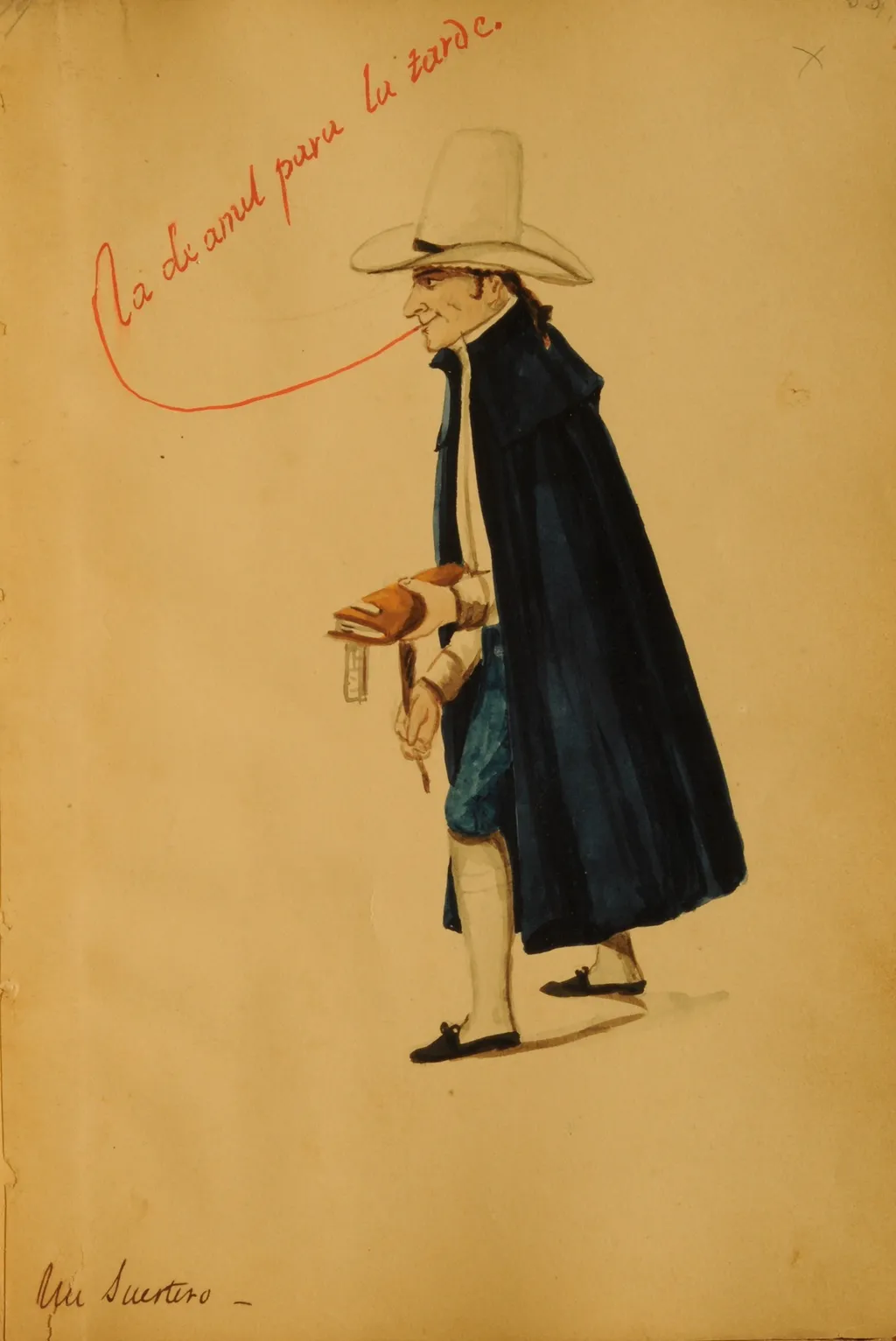
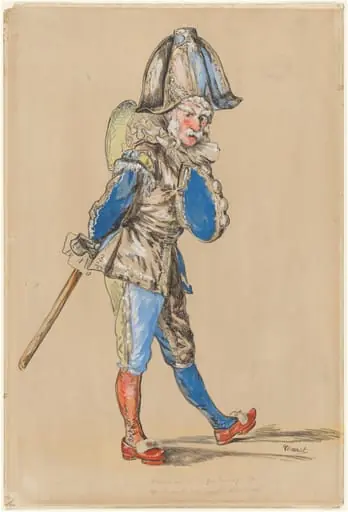
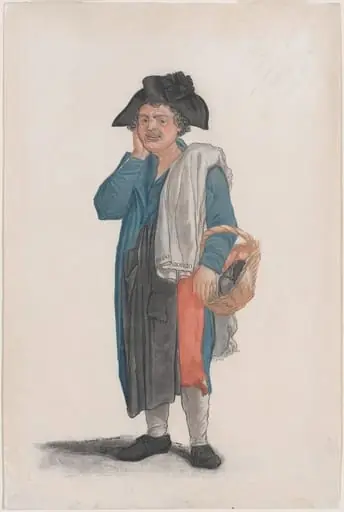
A hopeful is an unspecified painting by Pancho Fierro. It dates from 1850 and is held in the collection of the National Museum of Fine Arts, Argentina.
About this work
Overview
The work is now held in the National Museum of Fine Arts in Buenos Aires, reflecting its regional significance beyond Peru’s borders.
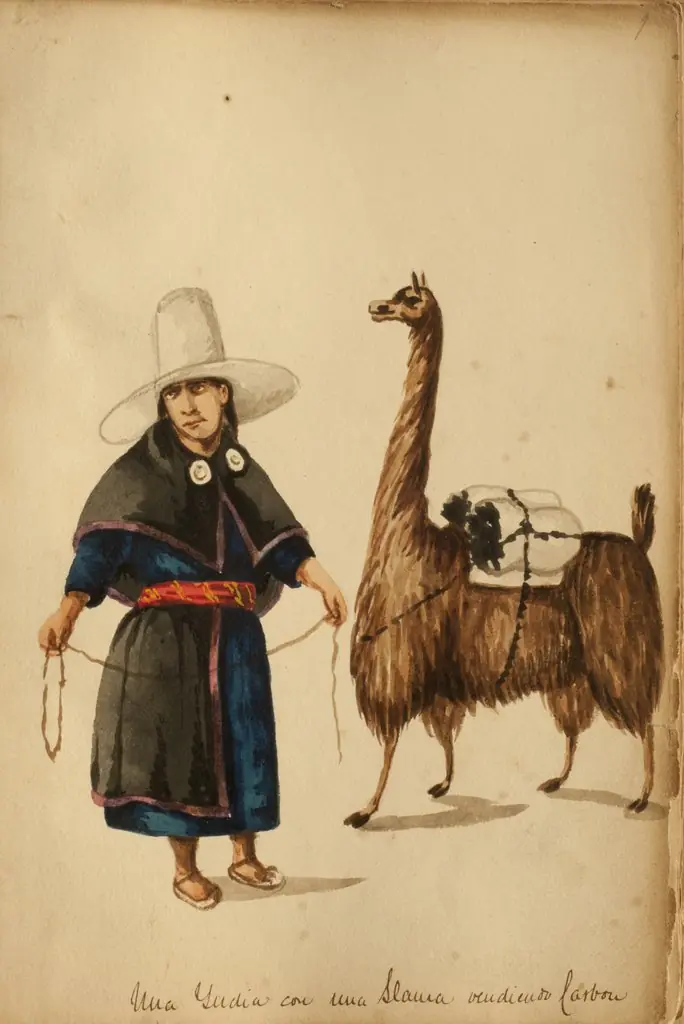
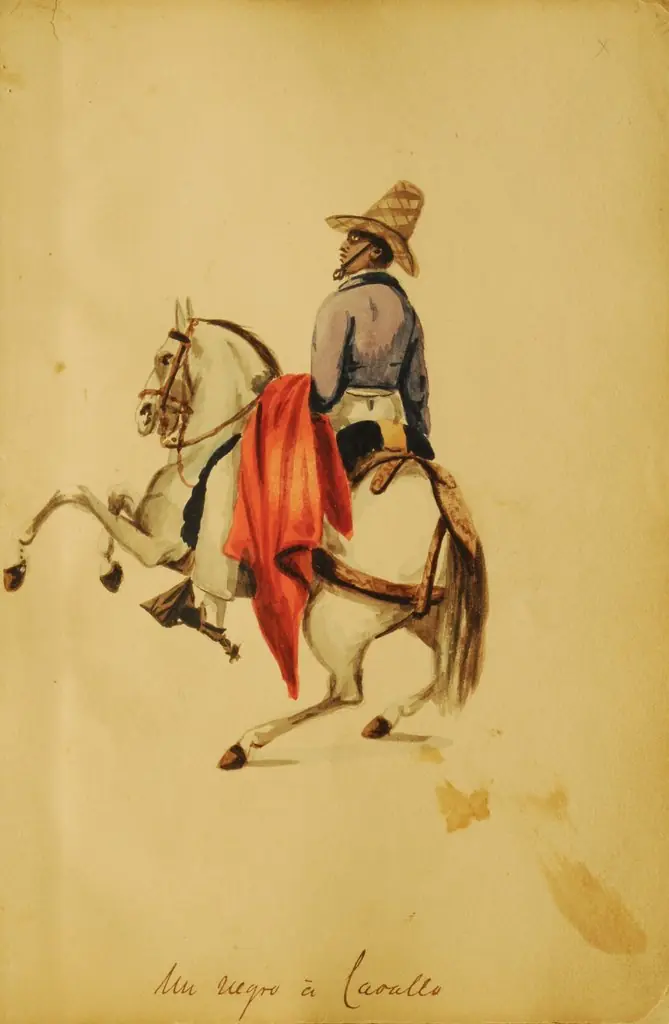
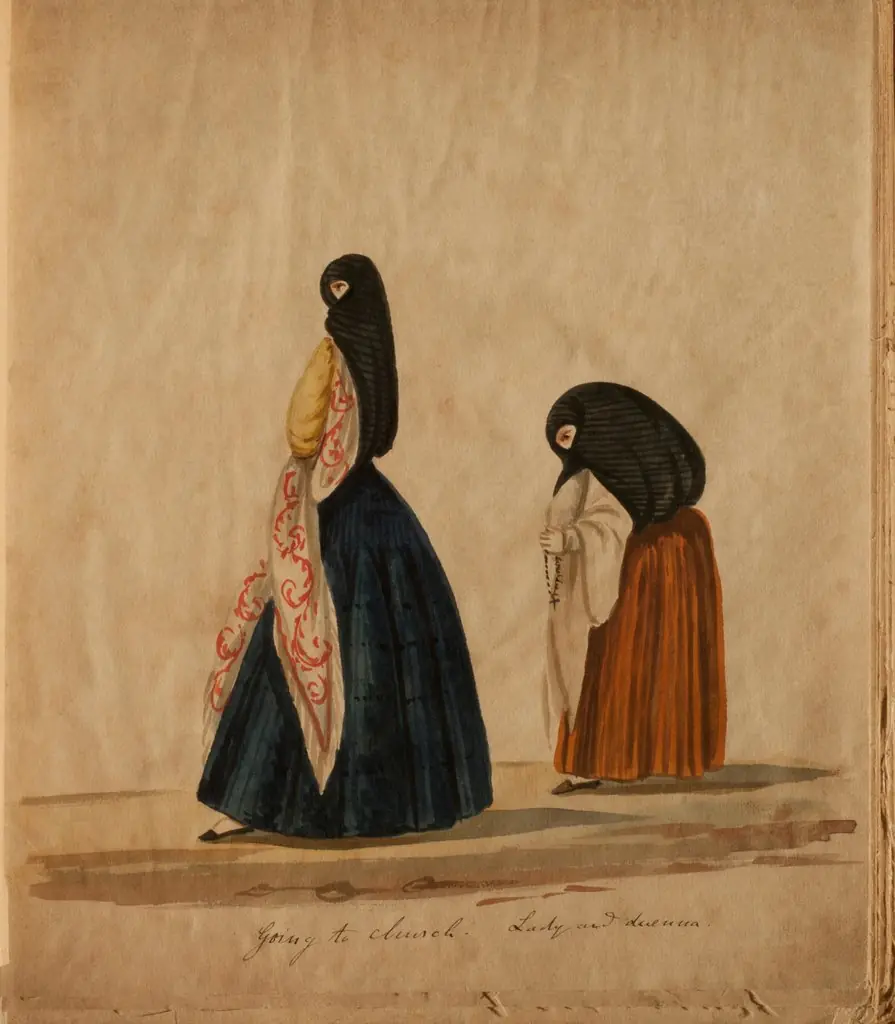
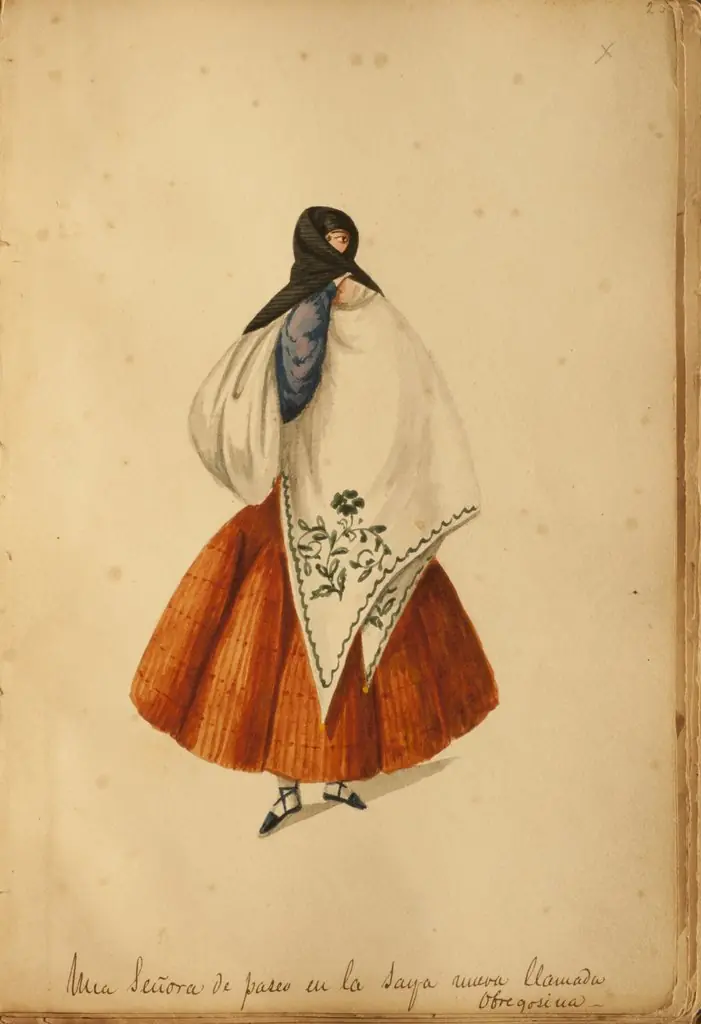
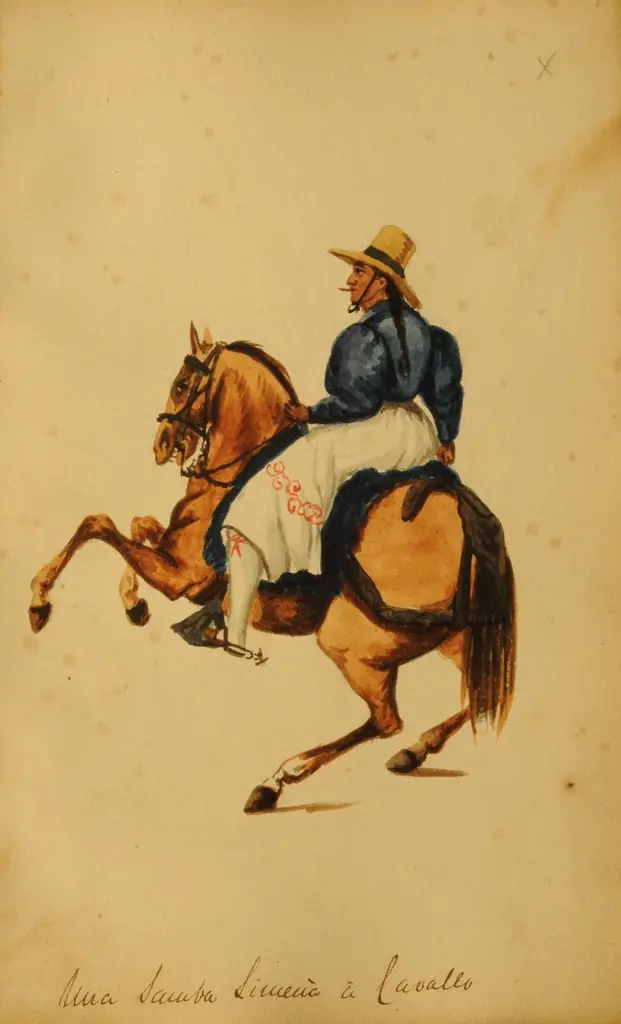
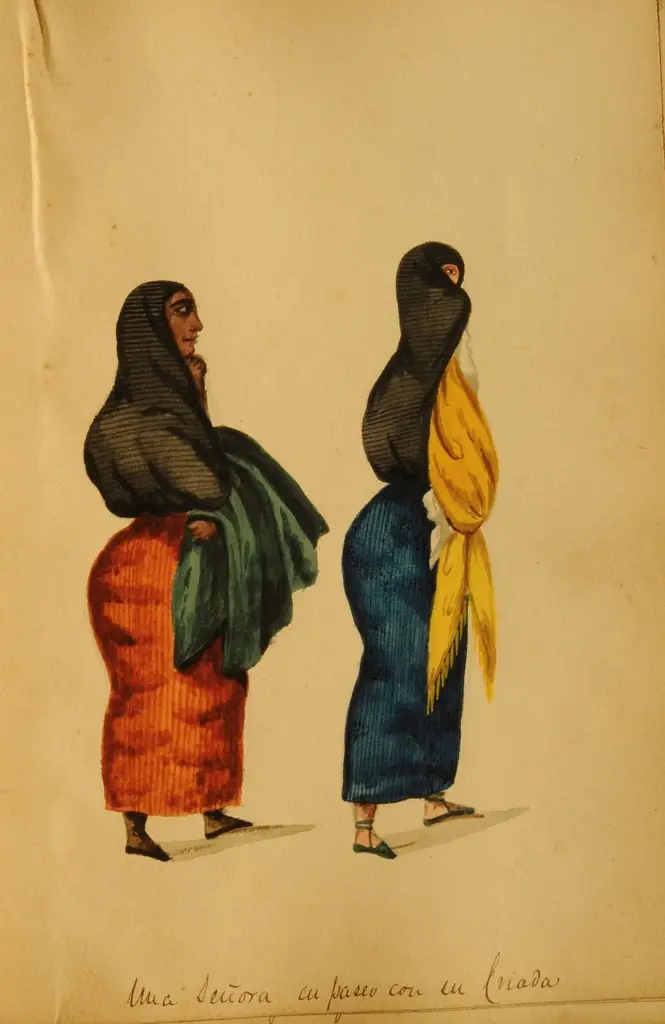
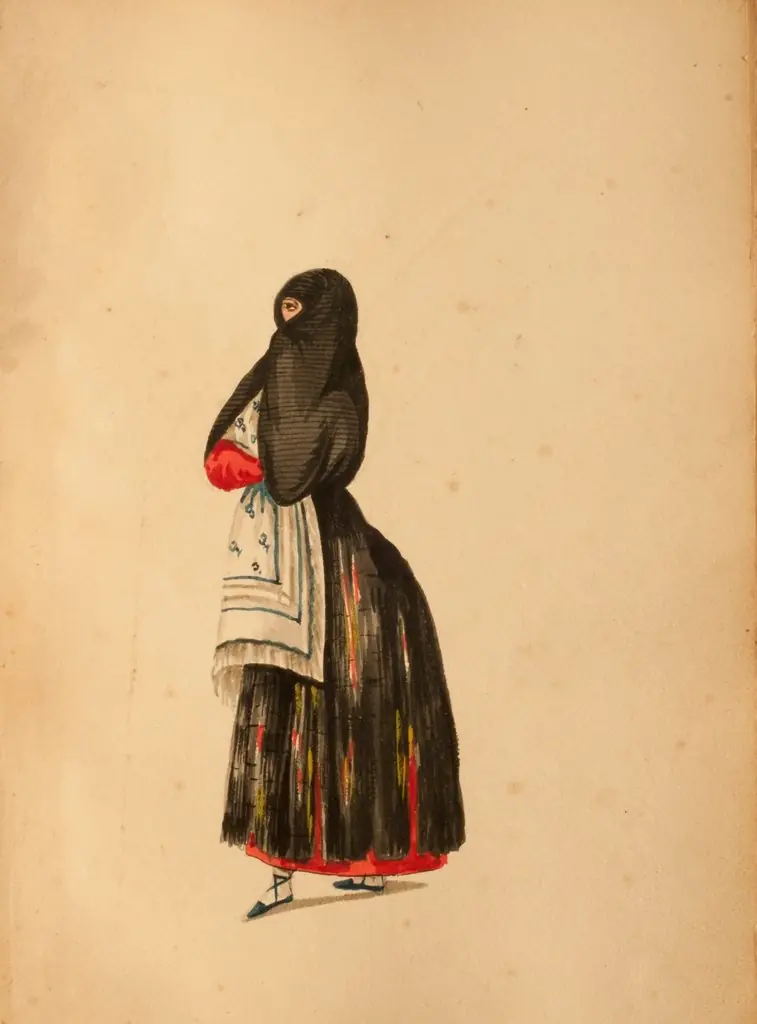
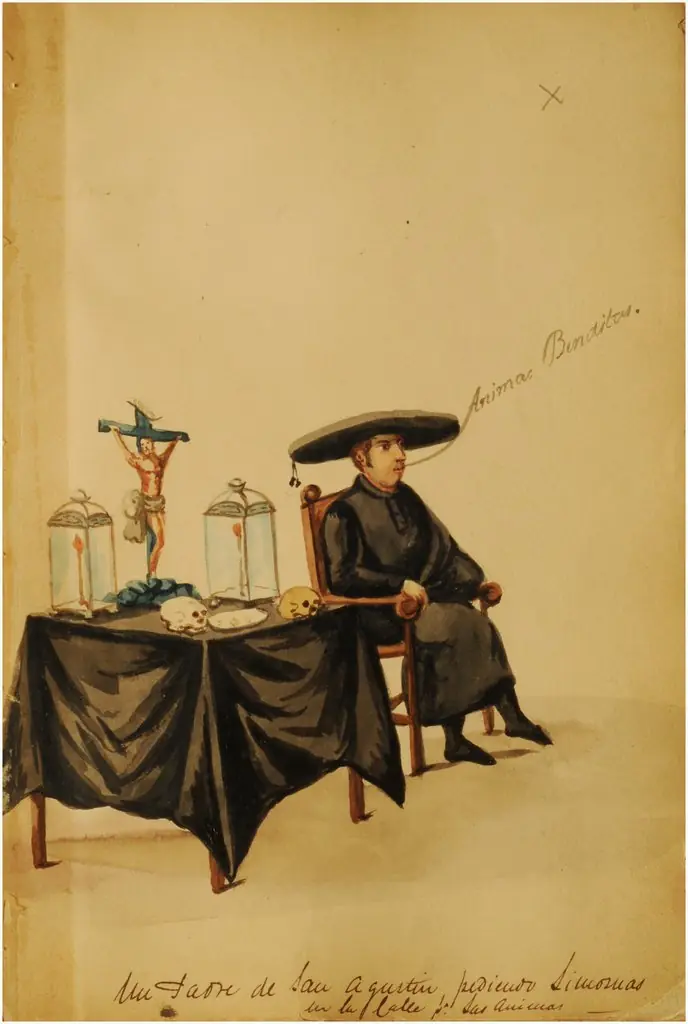
Created around 1850 by Peruvian artist Pancho Fierro, this watercolor depicts a solitary male figure in formal attire. Fierro, known for his keen observations of Lima’s social fabric, captured this portrait as part of a broader series documenting urban life in mid-19th-century Peru. The work is now held in the National Museum of Fine Arts in Buenos Aires, reflecting its regional significance beyond Peru’s borders.
Subject & Meaning
The figure, dressed in a dark blue coat, white shirt, and tall white hat, holds a book with quiet composure. His posture and attire suggest a man of education or professional standing, possibly a lawyer, teacher, or civil servant. The absence of context or narrative detail invites contemplation of individual dignity within a rapidly changing society, emphasizing personal identity over social spectacle.
Technique & Style
Fierro employed transparent watercolor on paper, using restrained washes to define form and texture. His brushwork is precise yet fluid, capturing the crispness of fabric and the softness of skin with minimal detail. The light brown background, likely the paper’s natural tone, focuses attention on the figure, reinforcing the costumbrista tradition of isolating subjects to highlight cultural types.
History & Provenance
The painting entered the collection of the National Museum of Fine Arts in Buenos Aires in the 20th century, though its exact path from Lima to Argentina remains undocumented. Fierro’s works were widely circulated in his lifetime through prints and private commissions, and this piece likely traveled as part of that broader dissemination of Peruvian visual culture in the region.
Context
In mid-19th-century Peru, the rise of a literate middle class coincided with efforts to define national identity after independence. Fierro’s portraits, including this one, reflect the aspirations of newly visible social groups. Unlike grand historical paintings, his works offered intimate, unidealized glimpses into daily life, making them valuable records of social transition.
Legacy
Fierro’s watercolors, including this portrait, remain key references for understanding Peru’s costumbrista movement. His ability to convey character through subtle detail influenced later generations of Latin American artists interested in social realism. Though not widely exhibited internationally, his oeuvre is studied for its quiet documentation of class, dress, and demeanor in post-colonial society.
Artist & collection
Artist
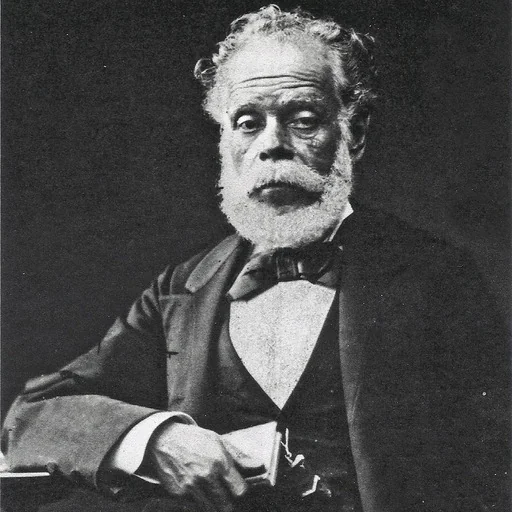
Francisco Fierro Palas, called "Pancho" Fierro (c. 1807/1809 – 28 July 1879), was a Peruvian painter, known primarily for his costumbrista watercolors, which depict his country's life and customs.

Museum
National Museum of Fine Arts, Argentina
Continue through works from the same source collection.