Artwork
Samuel Bernard
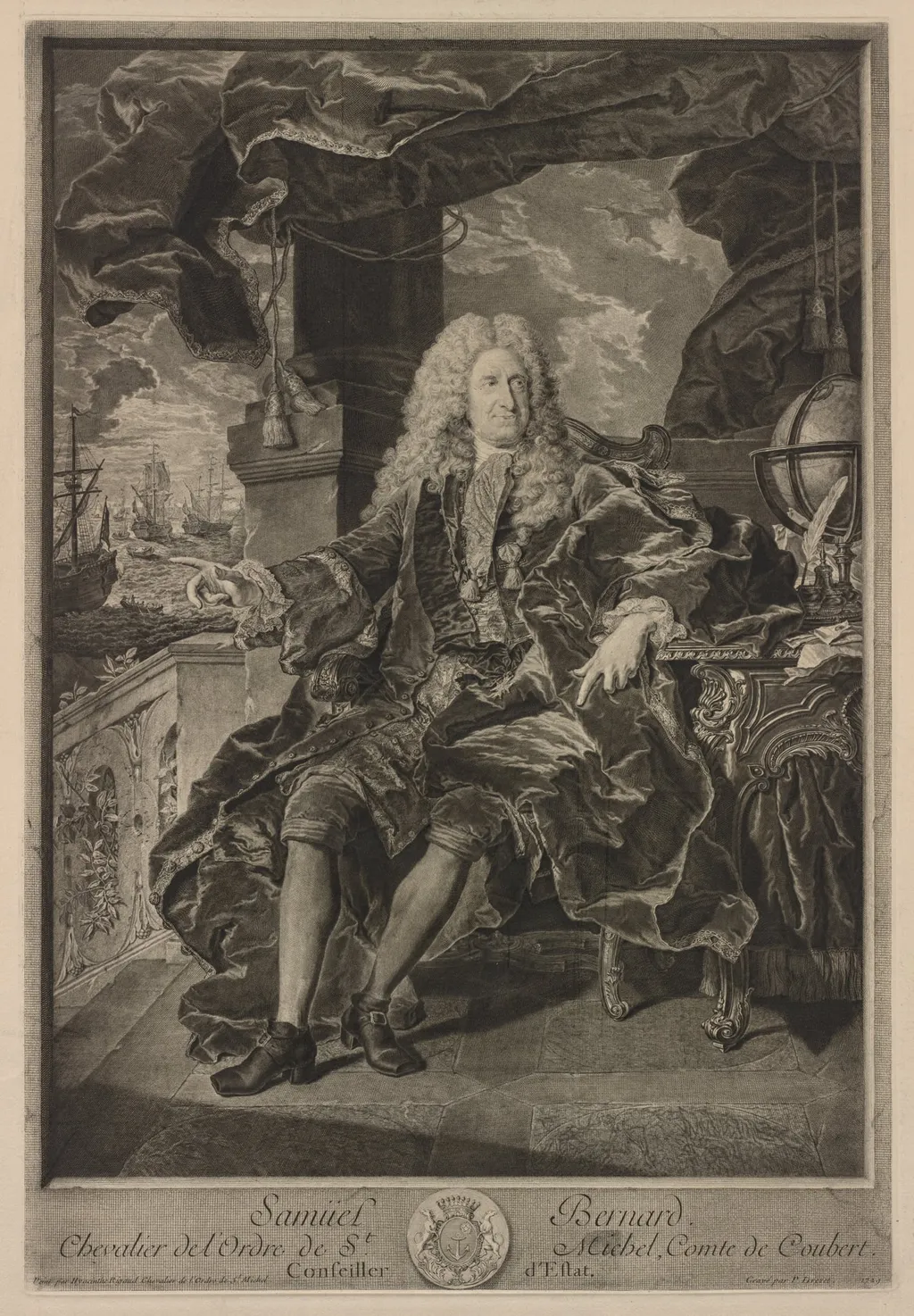
Samuel Bernard is a print by the Baroque artist Pierre Drevet. It dates from 1729 and is held in the collection of the Cleveland Museum of Art.
About this work
Overview
This 1729 engraving by Pierre Drevet depicts Samuel Bernard, a French financier and public official. Rendered in fine line work, the portrait captures Bernard in formal attire, seated with composed dignity. The image is part of a tradition of engraved portraiture used to convey status and intellectual refinement. It is currently held in the collection of The Cleveland Museum of Art.
Subject & Meaning
These elements collectively frame him as a figure of influence in early 18th-century France.
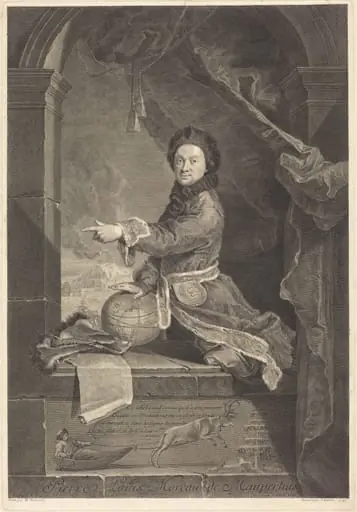
Samuel Bernard is portrayed as a man of wealth and cultivated interests. His attire—wig, sash, and long coat—signals his social standing. The telescope and globe on the table suggest engagement with science and global commerce, while the distant ships and cave landscape imply connections to trade and exploration. These elements collectively frame him as a figure of influence in early 18th-century France.
Technique & Style
Drevet employed meticulous stippling and fine hatching to model form and texture, characteristic of French engraving at the time. The contrast between the detailed figure and the atmospheric background creates depth without color. The composition is balanced, with Bernard centered and the landscape elements framing him subtly. The precision of the lines reflects the technical mastery expected in portrait engravings of the period.
History & Provenance
Created in 1729, the engraving was likely commissioned to commemorate Bernard’s prominence in financial and civic life. It circulated among elite circles as a printed portrait, a common medium for disseminating likenesses before photography. The work entered The Cleveland Museum of Art’s collection through established acquisition channels, preserving its historical and artistic value.
Context
In early 18th-century France, engraved portraits served as tools of social representation for the bourgeoisie and nobility. Artists like Drevet, trained in the royal printmaking tradition, translated painted portraits into reproducible images. Bernard’s depiction aligns with this practice, merging personal identity with symbols of knowledge and economic power prevalent in Enlightenment-era portraiture.
Legacy
Pierre Drevet’s body of work helped define the standard for French portrait engraving in the 1700s. His renderings of prominent figures, including Bernard, remain valuable for understanding how status was visually constructed in pre-revolutionary France. This print endures as a document of both individual identity and the cultural values of its time.
Artist & collection
Artist
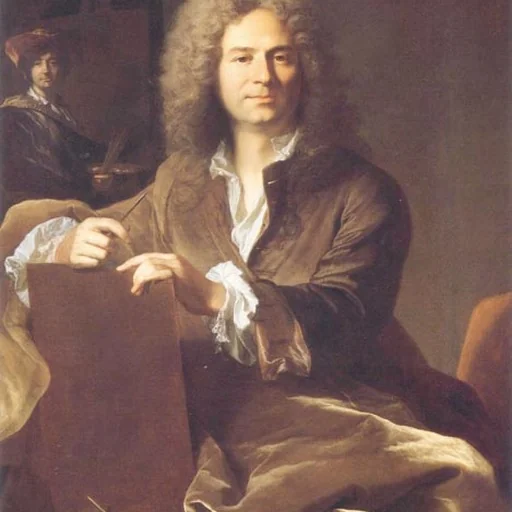
The Drevet Family were leading portrait engravers of France for over a hundred years. Their fame began with Pierre, and was sustained by his son, Pierre-Imbert, and by his nephew, Claude.

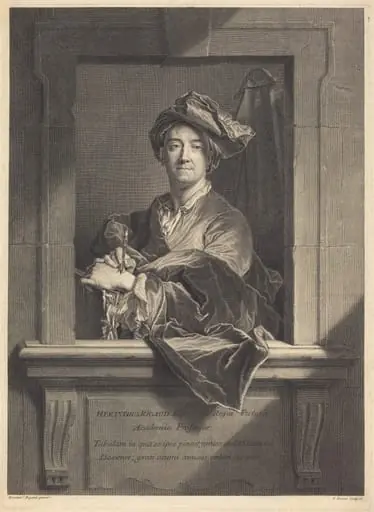
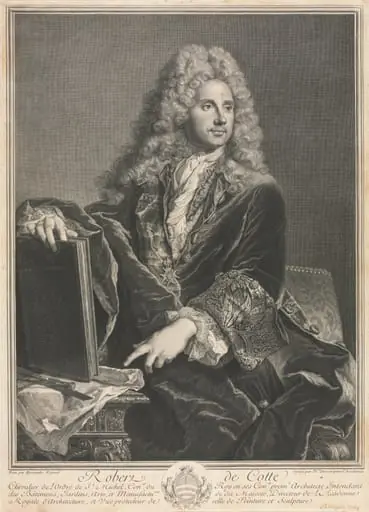 Portrait of Robert de Cotte
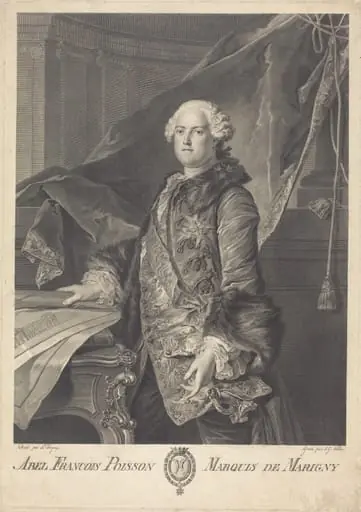 Abel Francois Poisson, Marquis de Marigny
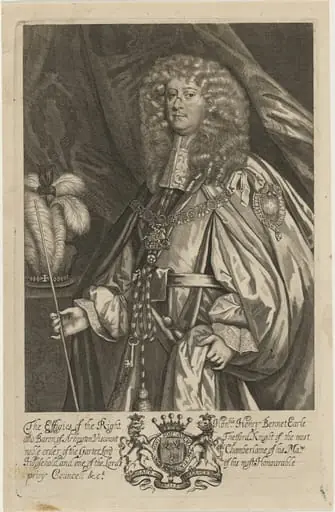 Henry Bennett, Earl of Arlington
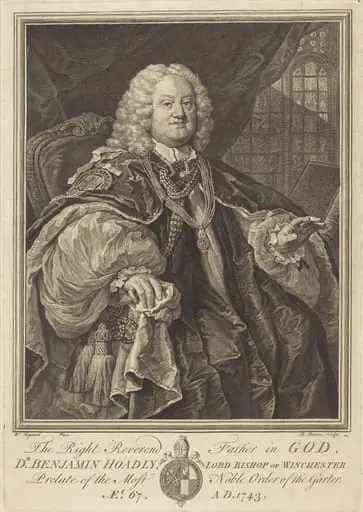 Bishop Hoadly
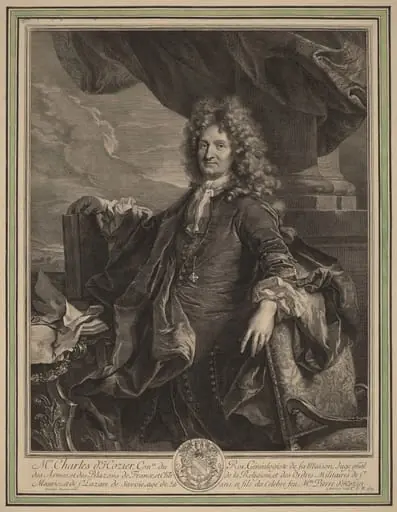 Charles-Rene d'Hozier
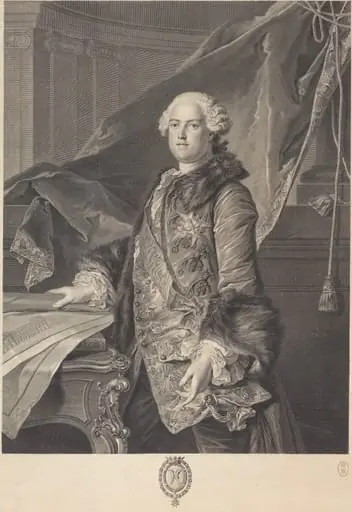 Marquis de Marigny
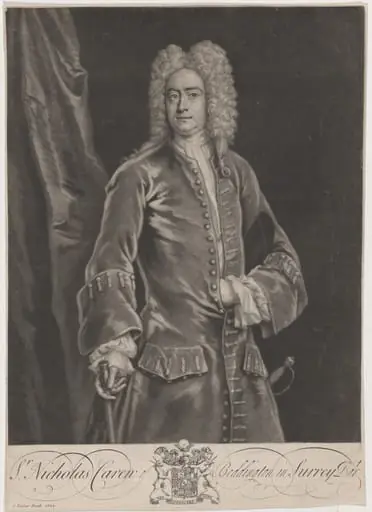 Sir Nicholas Caren of Beddington
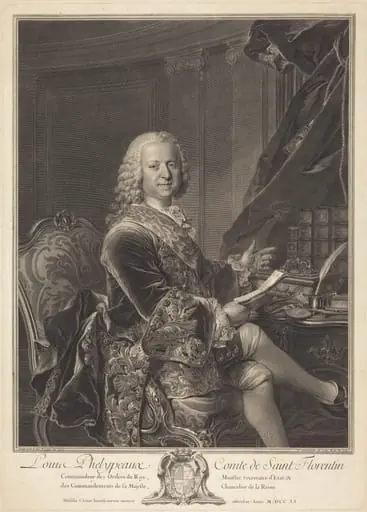 Louis Phelypeaux, comte de Saint Florentin
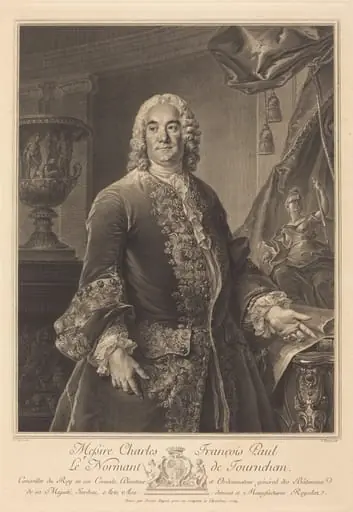 Charles Francois Paul Le Normant de Tournehem
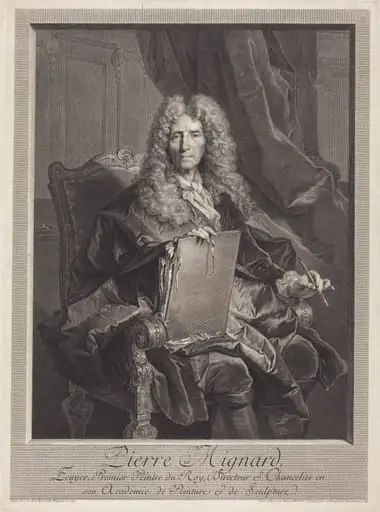 Pierre Mignard
 Pierre Louis Moreau de Maupertuis
 Portrait of Samuel Lovell