Artwork
Liber Veritatis: No. 68, A Landscape at Sunset with Fishermen Drawing a Net
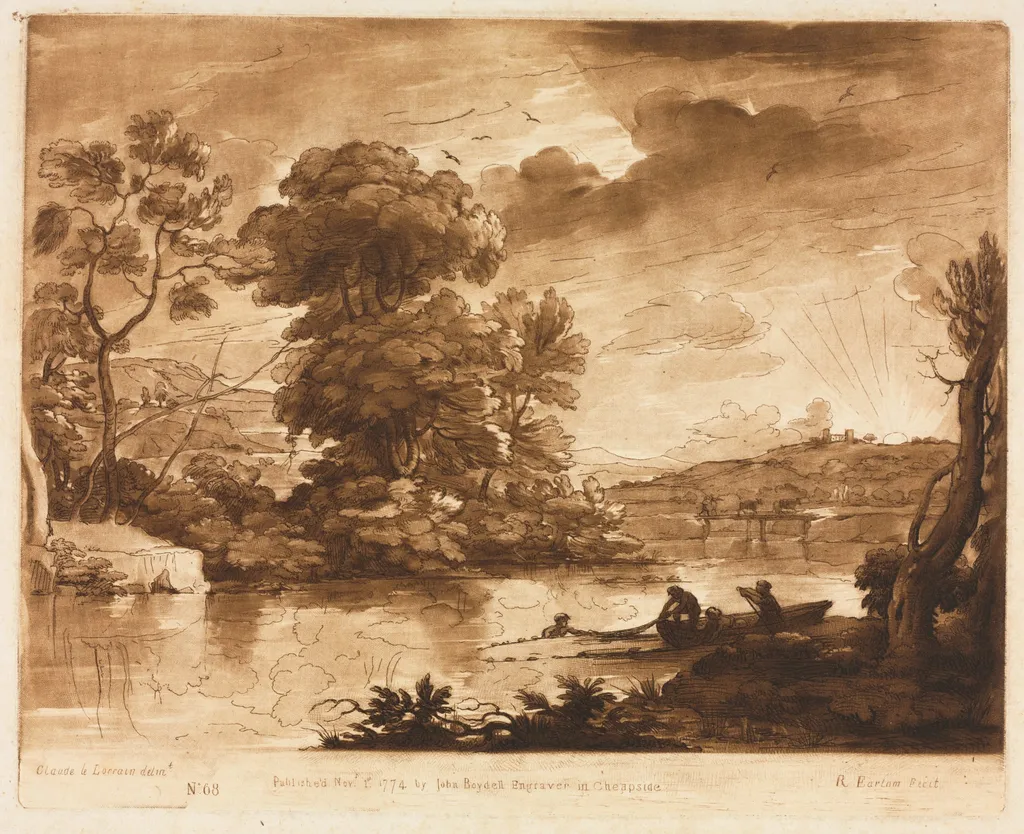
Liber Veritatis: No. 68, A Landscape at Sunset with Fishermen Drawing a Net is a print by the Romanticist artist Richard Earlom. It dates from 1774 and is held in the collection of the Cleveland Museum of Art.
About this work
The print was made in 1774 by an engraver named Richard Earlom, who copied a design by Claude Lorrain—a famous artist known for peaceful landscapes.
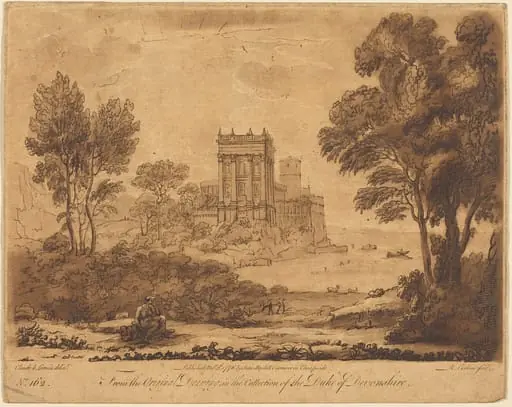
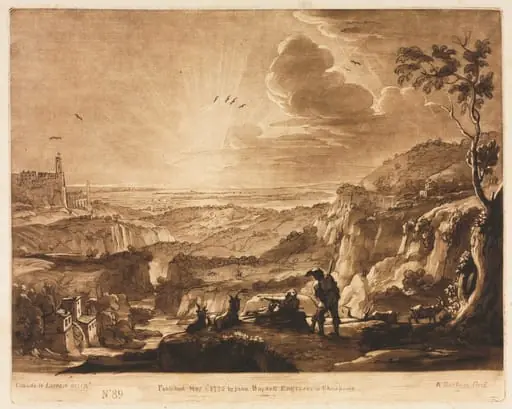
This print shows a quiet sunset over water, with two fishermen pulling a net near the shore. Tall trees and rolling hills frame the scene, while boats float in the calm bay. The sky is soft with wispy clouds, and the whole image feels warm and gentle.
The print was made in 1774 by an engraver named Richard Earlom, who copied a design by Claude Lorrain—a famous artist known for peaceful landscapes.
Check out The Cleveland Museum of Art to see this print in person.
Overview
This print, created in 1774 by Richard Earlom, is the sixty-eighth entry in his series Liber Veritatis. It reproduces a composition originally painted by Claude Lorrain, translating the artist’s oil sketch into a monochrome etching and aquatint. The work is part of a larger project to document Lorrain’s landscapes, preserving their composition for collectors and artists who could not access the originals.
Subject & Meaning
The scene depicts a tranquil coastal moment at dusk, with two fishermen hauling a net along a shallow shore. Behind them, rolling hills and dense trees frame the horizon, while small boats rest on calm water. The quiet labor of the figures and the subdued light suggest harmony between human activity and nature, reflecting classical ideals of pastoral peace common in Lorrain’s work.
Technique & Style
Earlom employed etching and aquatint to achieve subtle tonal gradations, mimicking the soft atmospheric effects of Lorrain’s paintings. The sky is rendered with delicate washes of gray, while the water and foliage are defined by fine, controlled lines. The absence of color enhances the sense of serenity, emphasizing light, texture, and spatial depth over chromatic vibrancy.
History & Provenance
The print was produced as part of Earlom’s commissioned project to reproduce Claude Lorrain’s drawings for the Duke of Devonshire. Completed between 1774 and 1777, the Liber Veritatis series served both as a record and a commercial endeavor. This particular plate entered the Cleveland Museum of Art’s collection through established acquisition channels in the 20th century.
Context
In the 18th century, there was growing interest in Claude Lorrain’s landscapes among British collectors and artists. Earlom’s prints made these compositions widely accessible, influencing landscape aesthetics and print culture. The Liber Veritatis series was one of the most ambitious attempts to disseminate the work of a foreign Old Master through reproductive engraving.
Legacy
Earlom’s Liber Veritatis remains a key resource for understanding Lorrain’s compositional methods and 18th-century printmaking standards. The series helped solidify Lorrain’s reputation in Britain and informed later generations of landscape artists. Today, the prints are studied for their technical precision and their role in shaping artistic taste across Europe.
Artist & collection

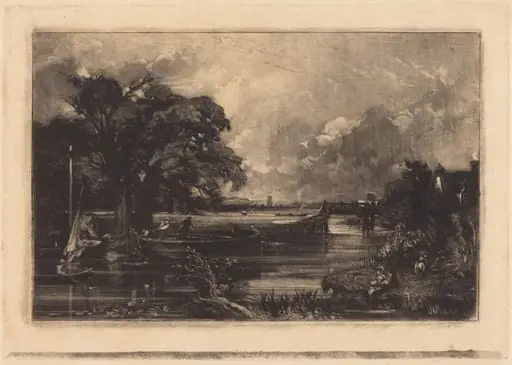 River Stour, Suffolk
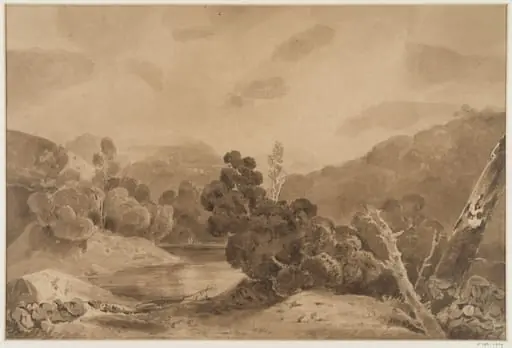 River scene with a temple or palace in the clouds
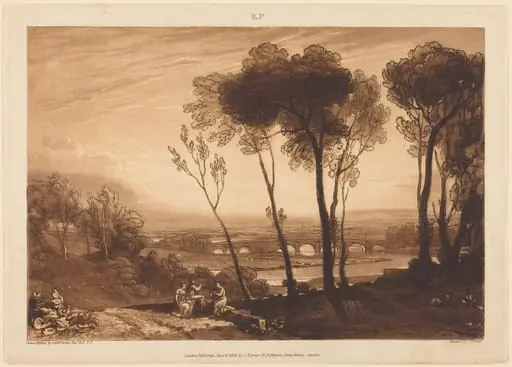 The Bridge in Middle Distance
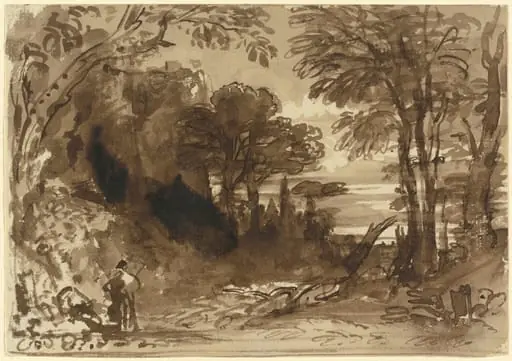 A Clearing in a Forest
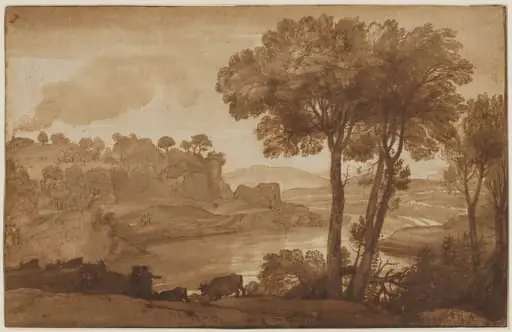 View of the Acqua Acetosa (recto)
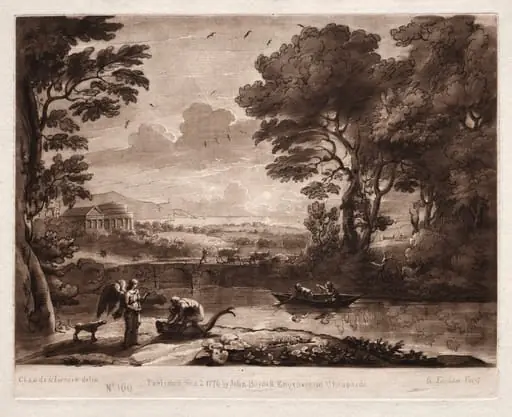 Liber Veritatis: No. 160, Tobias and the Angel
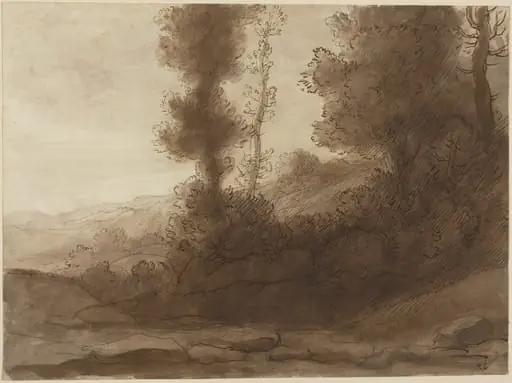 At the Foot of the Hill
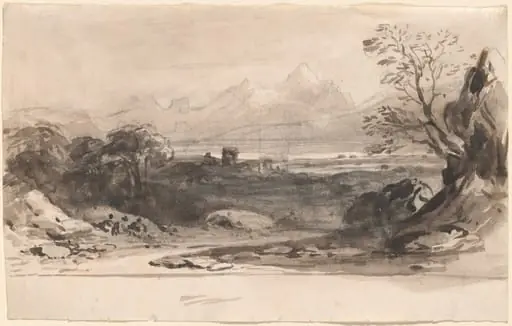 Landscape with Ruins
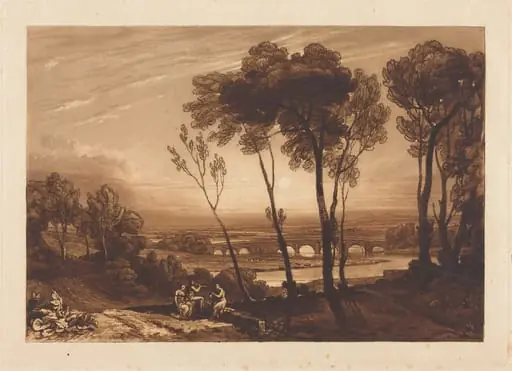 The Bridge in Middle Distance
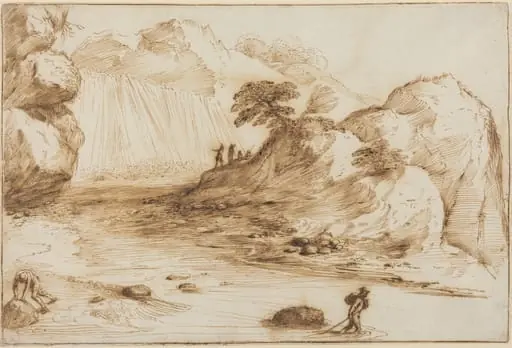 Landscape with a Waterfall
 Liber Veritatis: No. 89, View of a Mountainous Extended Country