Artwork
Richard Bassett
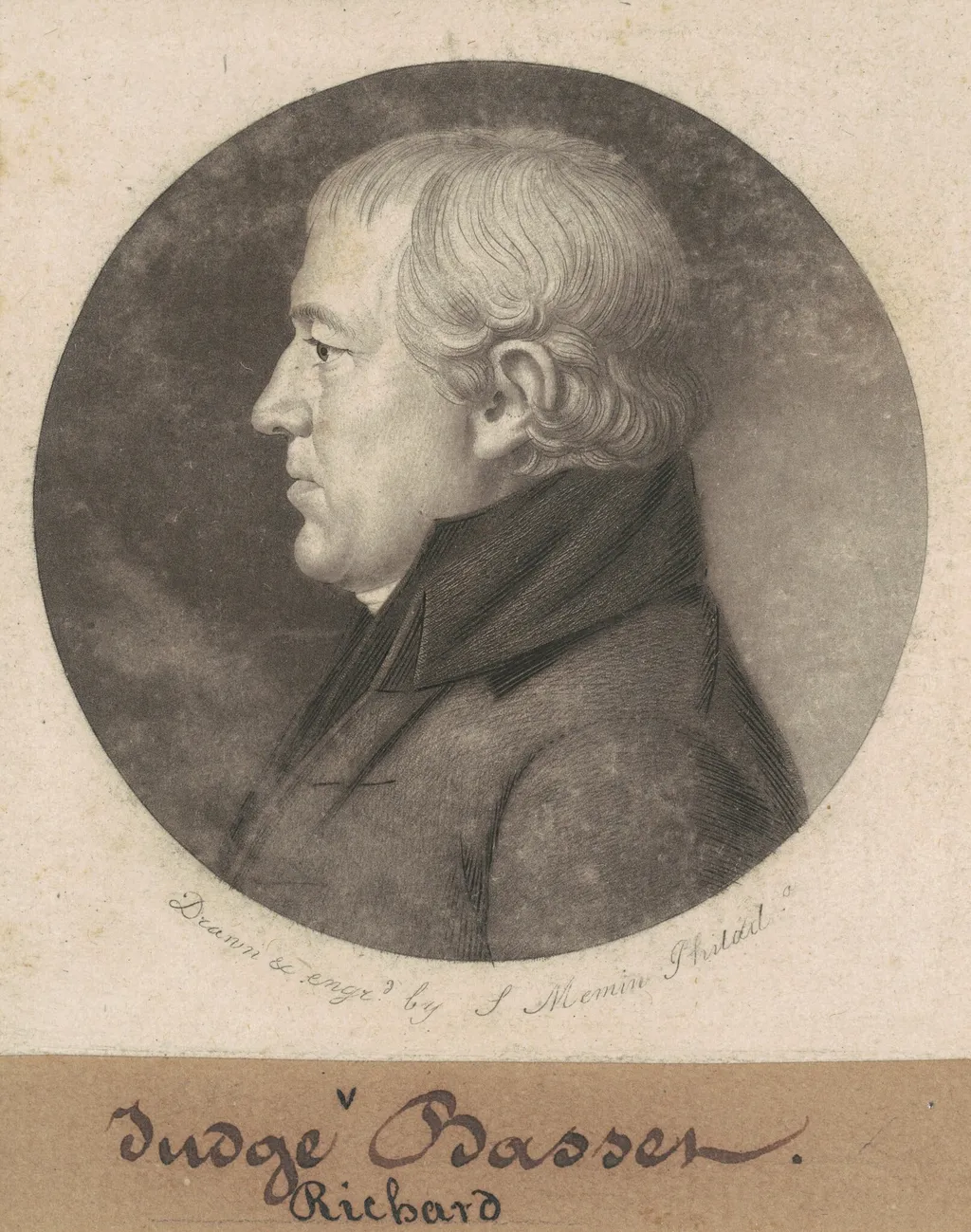
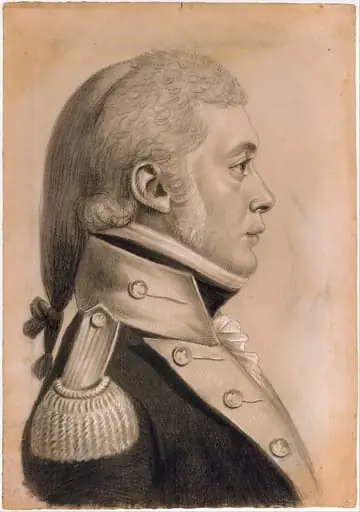
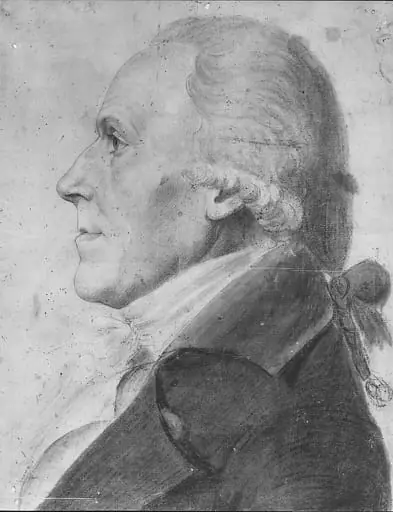
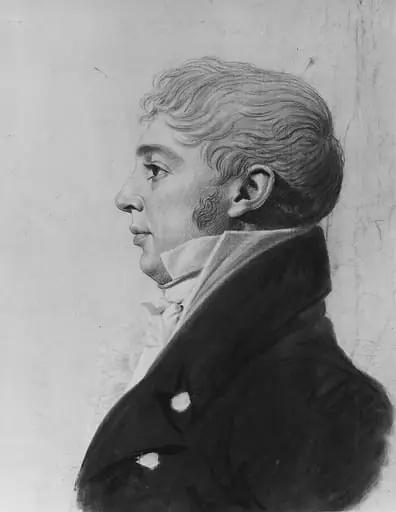
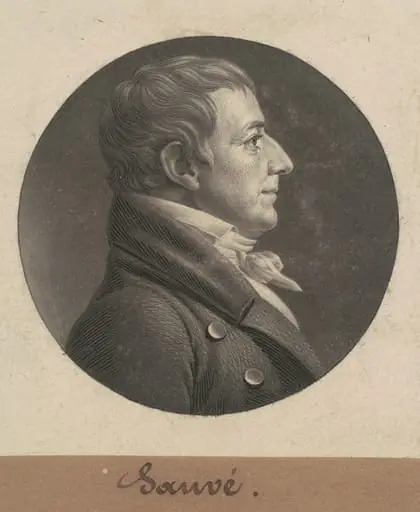
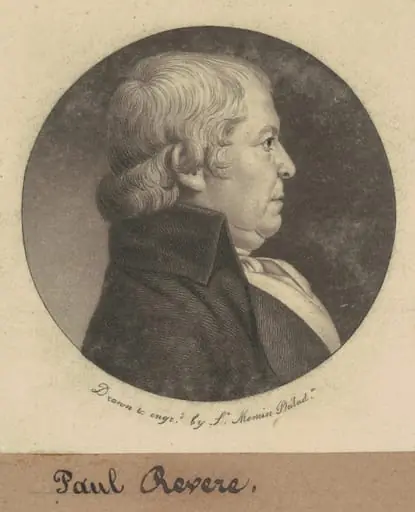
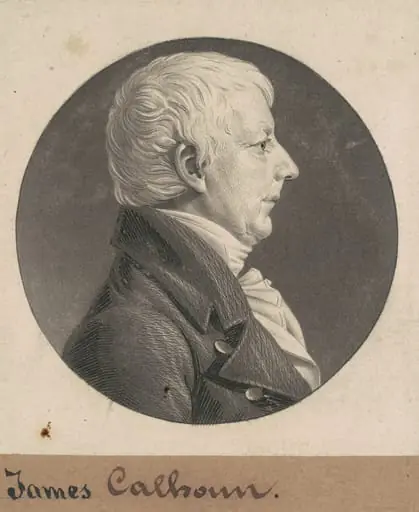
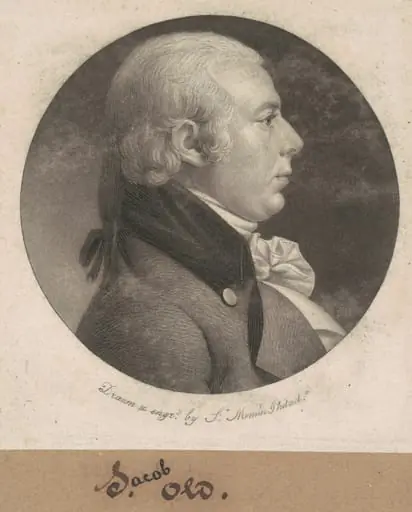
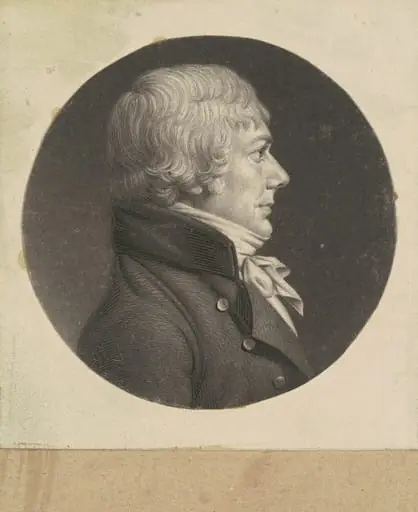
Richard Bassett is an ink print by the Romanticist artist Charles Balthazar Julien Févret de Saint-Mémin. It dates from 1802 and is held in the collection of the National Gallery of Art.
About this work
Overview
The technique, combining the tonal richness of mezzotint with the precision of engraving, was favored for portrait reproduction in early American printmaking.
This 1802 print depicts Richard Bassett, a former U.S. senator and Delaware jurist, rendered in mezzotint and engraving on wove paper. The image is mounted on a brown wove support and originates from the Corcoran Collection. The technique, combining the tonal richness of mezzotint with the precision of engraving, was favored for portrait reproduction in early American printmaking. The work reflects a period when such methods enabled wider dissemination of likenesses of public figures.
Subject & Meaning
Richard Bassett is portrayed in formal attire, conveying his status as a legal and political figure of the early republic. His expression is calm and composed, avoiding theatricality in favor of restrained dignity. The portrait does not emphasize power through gesture or symbolism but instead relies on the quiet authority of his bearing and the fidelity of his features. It functions as a record of individual identity within a nascent national elite.
Technique & Style
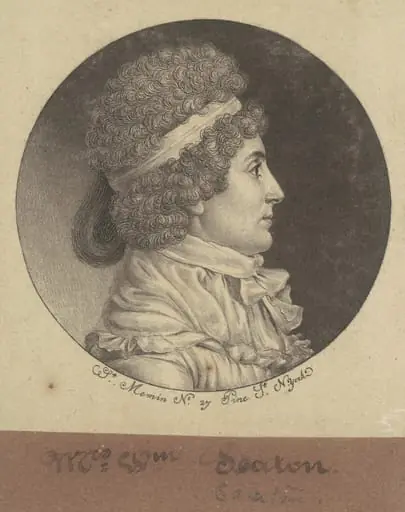
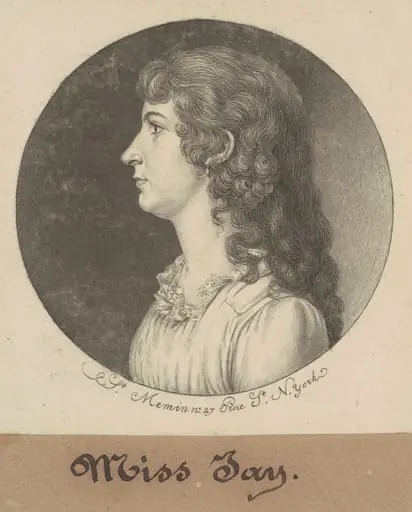
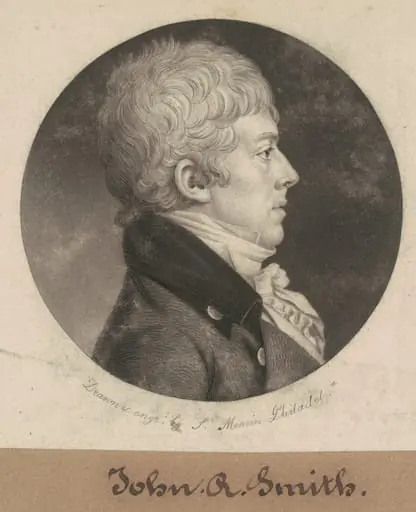
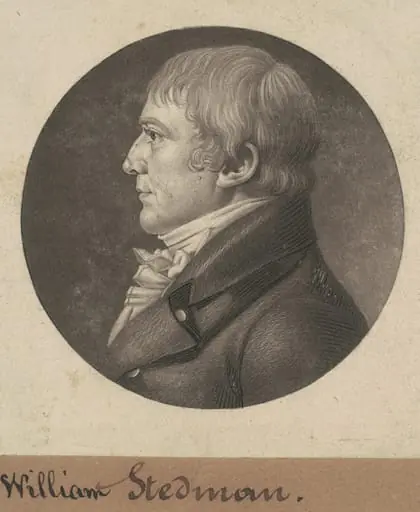
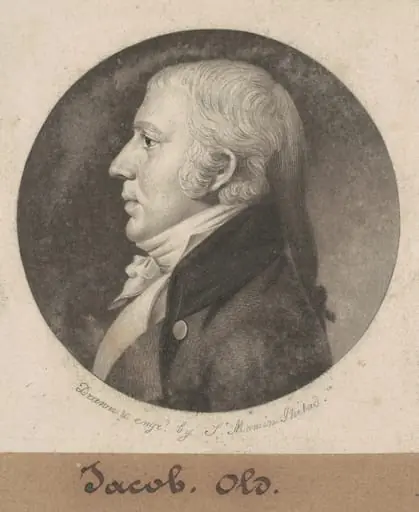
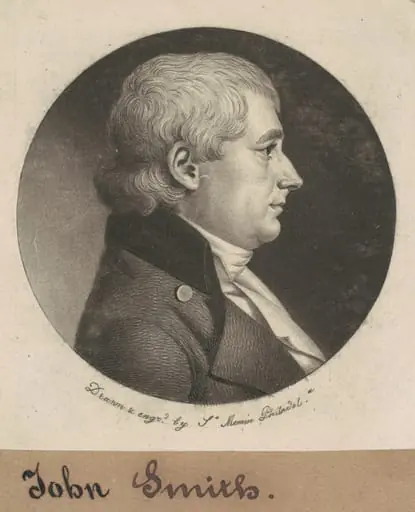
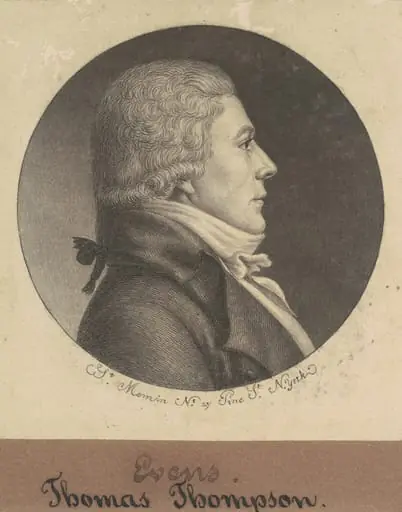
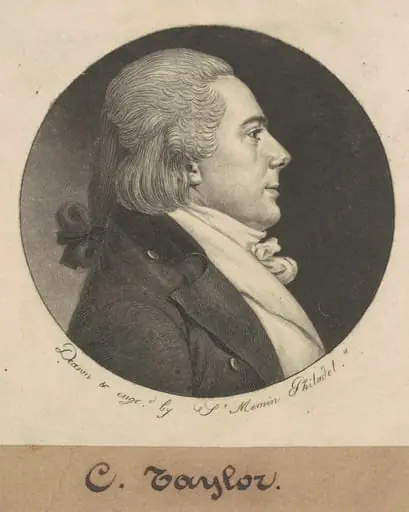
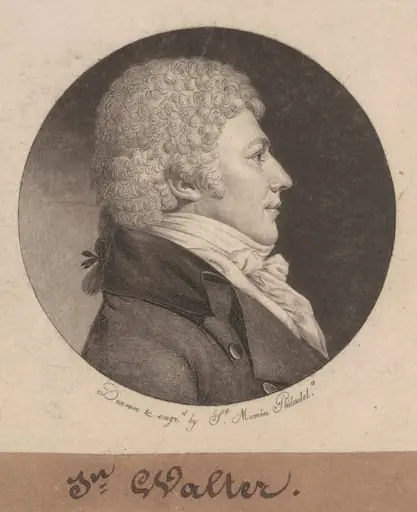
Charles Balthazar Julien Févret de Saint-Mémin employed mezzotint to achieve subtle gradations of tone, particularly in the modeling of Bassett’s face and neck. Engraved lines define finer details such as the collar and hair, adding clarity against the velvety darks. The combination allowed for a lifelike texture and depth uncommon in earlier print methods. The result is a portrait that balances atmospheric softness with precise delineation, characteristic of Saint-Mémin’s approach to American portraiture.
History & Provenance
Created in 1802, the print was part of Saint-Mémin’s broader project to document prominent Americans through portraiture. It entered the Corcoran Collection in the 19th century and remained there until the collection’s dissolution. The work has since been preserved in institutional holdings, with reproductions available for public access. Its survival reflects the value placed on early American portraiture as historical documentation.
Context
During the early 1800s, mezzotint was one of the few techniques capable of reproducing the tonal subtleties of oil portraits in print. Saint-Mémin, a French émigré, became a leading practitioner in the United States, producing hundreds of portraits of political and cultural figures. This work aligns with a national effort to visually define leadership during a formative era, when photography did not yet exist.
Legacy
Saint-Mémin’s portraits, including this one of Bassett, remain key references for understanding the visual culture of early American leadership. The technical skill demonstrated in this print influenced subsequent generations of printmakers. While not widely exhibited today, the work continues to serve as an archival resource, offering insight into how identity and authority were rendered in pre-photographic America.
Artist & collection

Artist
Charles Balthazar Julien Févret de Saint-Mémin
Charles Balthazar Julien Févret de Saint-Mémin (French pronunciation: ; 1770–1852) was a French portrait painter and museum director.