Artwork
Pinara
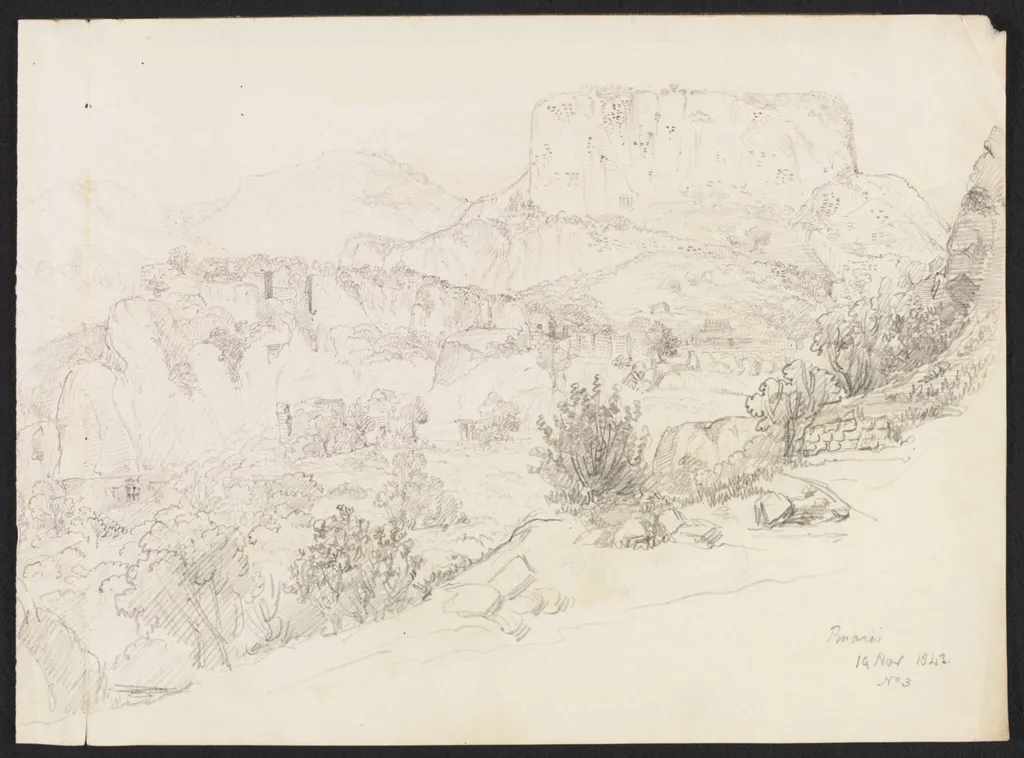
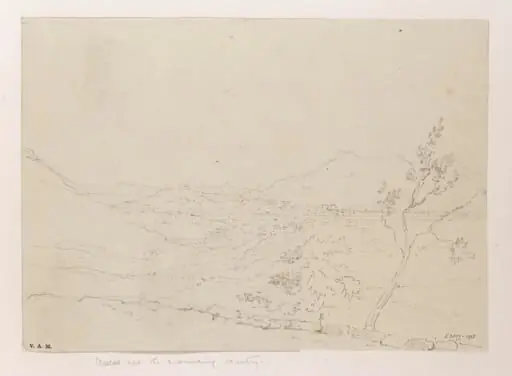
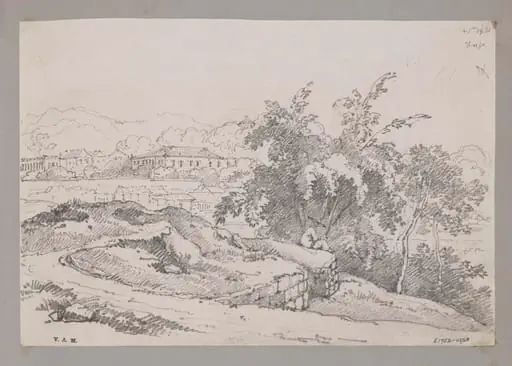
Pinara is a drawing by the Romanticist artist George Scharf. It dates from 1843 and is held in the collection of the Victoria and Albert Museum.
About this work
This drawing feels more like a quick study than a finished work—like the artist was capturing ideas fast.
This sketch shows a hilly landscape with scattered trees, buildings, and a winding road. The artist used quick, light pencil strokes to suggest rocks, bushes, and distant hills. Some areas are left almost blank, while others have dense lines to show shadows or texture.
The date "19 Nov 1843" is written in the corner, along with the artist’s name. This drawing feels more like a quick study than a finished work—like the artist was capturing ideas fast.
If you like this style, check out cross-hatching to see how artists build depth with lines.
Overview
Created in November 1843, this pencil drawing by George Scharf records the ancient Lycian site of Pinara during a field expedition. Executed with swift, light strokes, it reflects the immediacy of on-site observation rather than polished presentation. The date and artist’s signature are inscribed in the corner, anchoring the work to a specific moment in his travels through southwestern Anatolia.
Subject & Meaning
The drawing captures the ruins of Pinara nestled in a rugged, tree-dotted landscape, with a winding path suggesting human movement through the terrain. Rather than emphasizing monumental architecture, Scharf focuses on the integration of ancient remains within the natural environment, conveying a sense of quiet decay and enduring topography rather than heroic antiquity.
Technique & Style
Scharf employed minimal pencil lines to suggest form, using varying density to indicate shadow and texture. Areas of the paper remain untouched to imply distance or light, while clustered strokes define foliage and rocky outcrops. The absence of ink or white heightening distinguishes this as a preliminary study, prioritizing rapid notation over finish.
History & Provenance
This sketch is part of a group of field studies Scharf made during his 1843 tour of Lycian sites, including Xanthus. Related pencil drawings are held in the British Museum’s Greek and Roman collection and the National Portrait Gallery’s archive, suggesting these were kept as working materials rather than finished artworks.
Context
Scharf’s drawings emerged during a period of growing European interest in Anatolian antiquities, often tied to archaeological surveys and imperial documentation efforts. His approach—unembellished and observational—aligned with emerging scientific recording practices, contrasting with more romanticized depictions of ruins common in earlier art.
Legacy
These sketches contribute to the visual record of Lycian sites before extensive modern excavation. Their unpolished quality offers insight into the methods of 19th-century antiquarians, preserving the landscape as it appeared in real time, not as idealized reconstruction.
Artist & collection


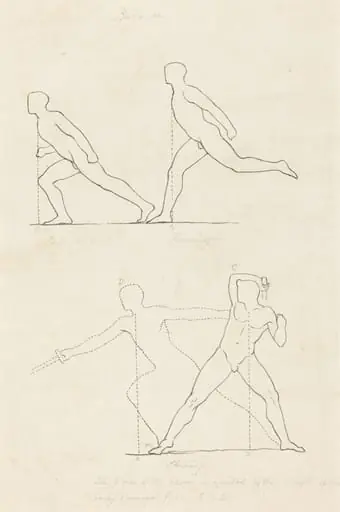 Preparing to Run; Running; Striking
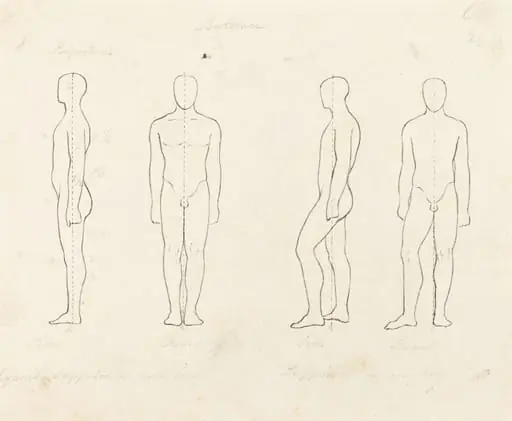 Extent of Motion, Front and Side View Equipoised, Supported on One Leg
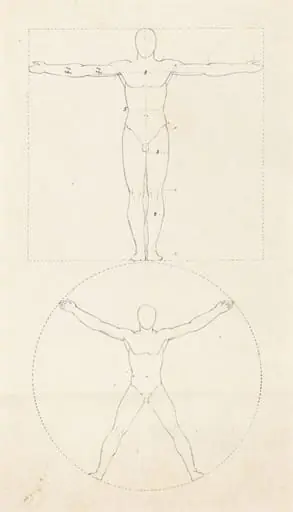 Circle and Square of the Human Figure
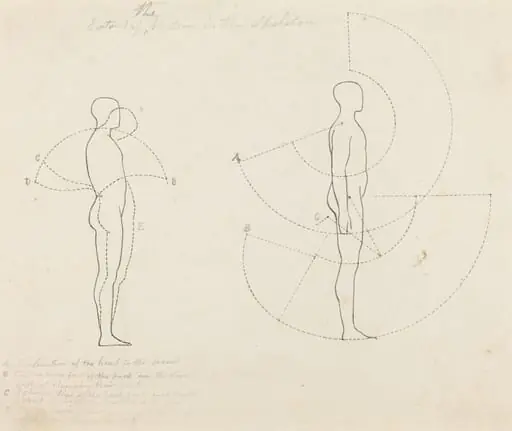 Extent of Motion Shown in Two Figures
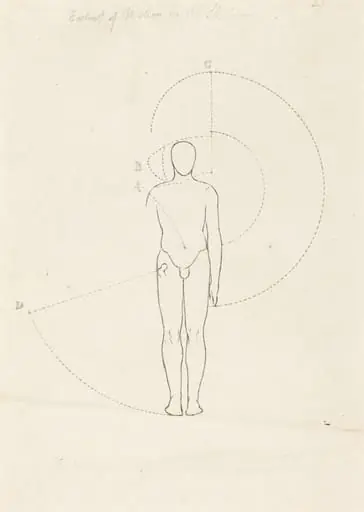 Extent of Motion, One Figure
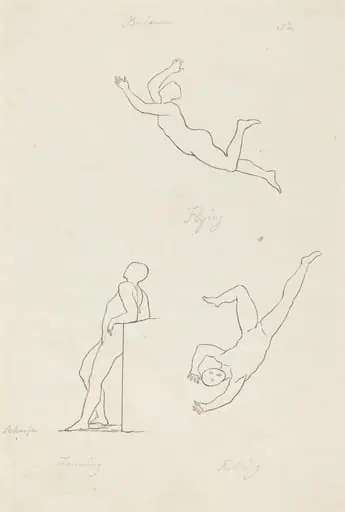 Leaning, Flying and Falling
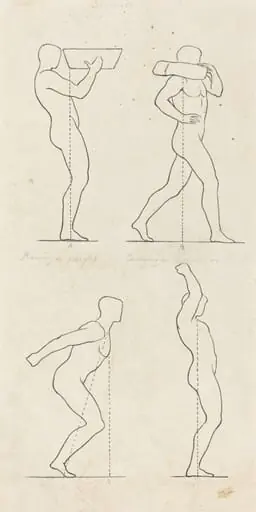 Bearing a Weight; Preparing to Jump, and Alighting
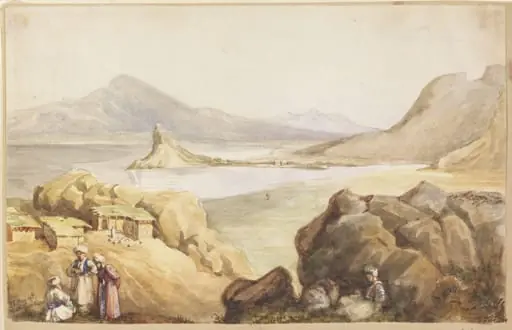 Gule-Hissa Ovassy in the Northern part of Lycia
 Macau, looking south-west along the peninsula
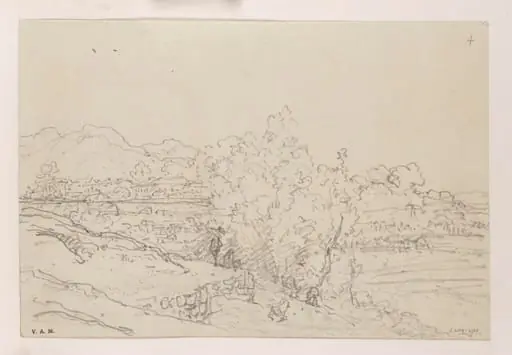 Fields and trees, with the city of Macau in the distance
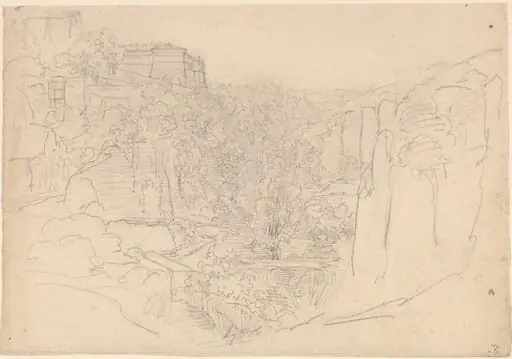 Fortified Castle Above a Narrow Valley
 Glacial Boulders at the Edge of a Mountain
 Panorama on a Mountain Lake
 A View from Bald Mountain, Orange County, N.Y.
 Hilly Landscape with Landsberg Castle
 Königstein, Saxony
 Sketch on Apache Trail, Arizona
 Milianah Algeria
 Bridge & Bath. Gerash -
 The Casa, Macao, in the gardens of which is Camoens' Cave (the residence of Lady Pereira), Macao