Artwork
Hindu Funeral
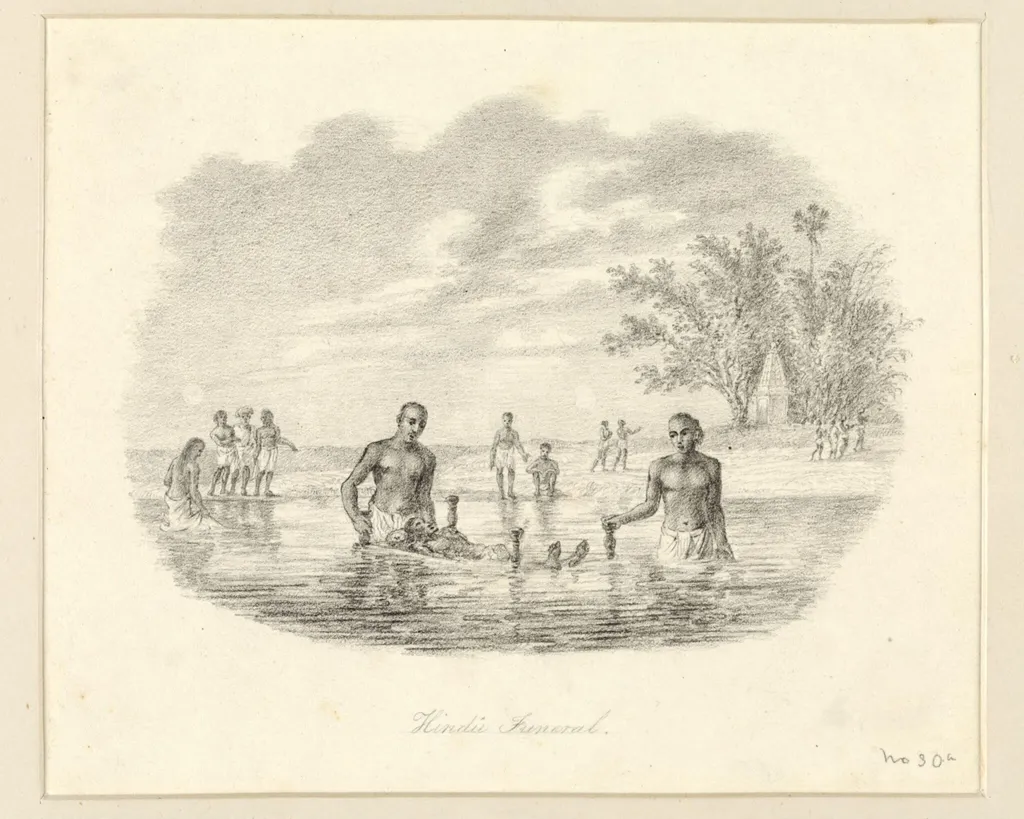
Hindu Funeral is a drawing by the Romanticist artist Robert Captain Smith. It dates from 1830 and is held in the collection of the Victoria and Albert Museum.
About this work
Overview
This pencil drawing records a Hindu funeral taking place in a shallow river. A small group of figures—some standing, others bending—are shown in the water, with two central men holding containers or implements. The scene is set against a lightly rendered backdrop of trees and a cloudy sky, the whole composition rendered in simple, gestural lines.
Subject & Meaning
The work captures a ritual of death observed along the Ganges, illustrating how the community engages with the river as a conduit for the deceased. The presence of naked or minimally clothed bodies reflects the customary exposure of the body during cremation rites, emphasizing the natural cycle of life and death within Hindu practice.
Technique & Style
Executed in pencil, the drawing relies on cross‑hatching and varied line weight to suggest water movement, shadow, and the texture of foliage. The artist’s economy of line conveys motion and atmosphere without elaborate detail, while the light, sketch‑like quality suggests a rapid field observation rather than a finished studio piece.
History & Provenance
It is one of sixty‑five detached, mounted pencil drawings from an unpublished manuscript that Smith continued to refine until 1845.
Created by Captain Robert Smith during his travels in Hindustan between 1828 and 1833, the image forms part of a larger illustrated journal documenting his 1828–29 voyage up the Ganges from Calcutta to Cawnpore and subsequent visits to Delhi, Agra and Lucknow. It is one of sixty‑five detached, mounted pencil drawings from an unpublished manuscript that Smith continued to refine until 1845. The museum acquired the piece in 1915 from the collector W. M. Biden of Hampton‑on‑Thames.
Context
Smith’s drawings were produced at a time when British officers often recorded observations of Indian life for both personal curiosity and official reports. The depiction of a funeral ritual provides a rare visual account of everyday religious practice, complementing textual descriptions in contemporary travel literature and contributing to early Western understandings of Hindu customs.
Artist & collection

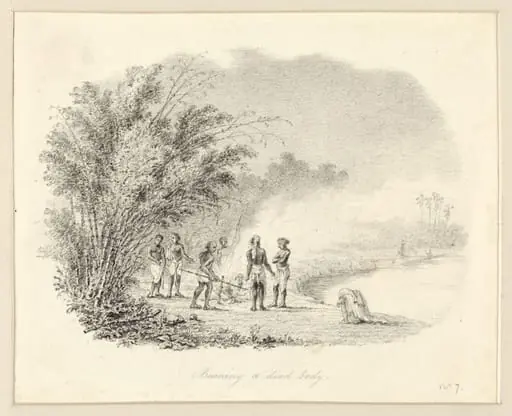 Burning a dead body
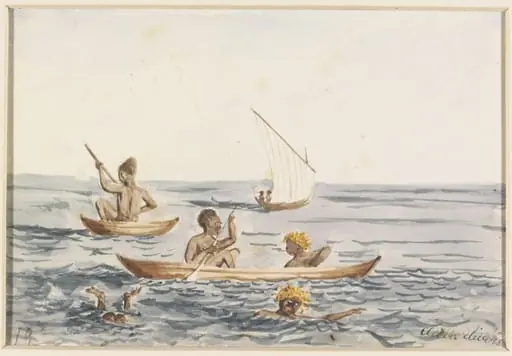 Aden divers
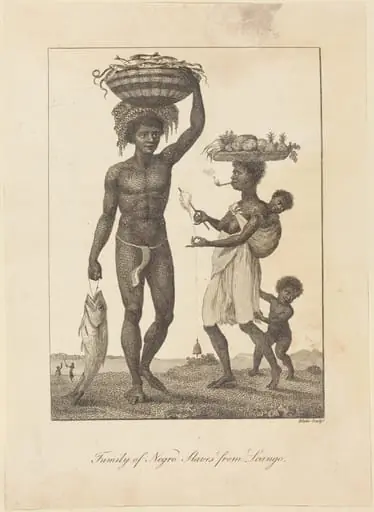 Family of Negro Slaves from Loango
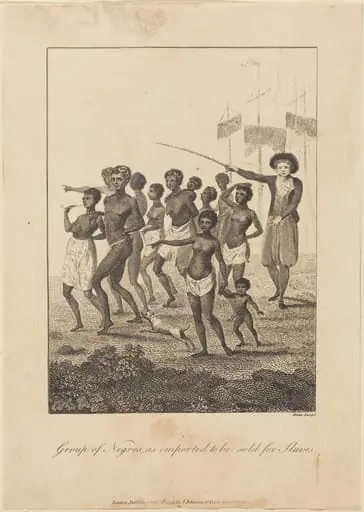 Group of Negros, as imported to be sold for Slaves
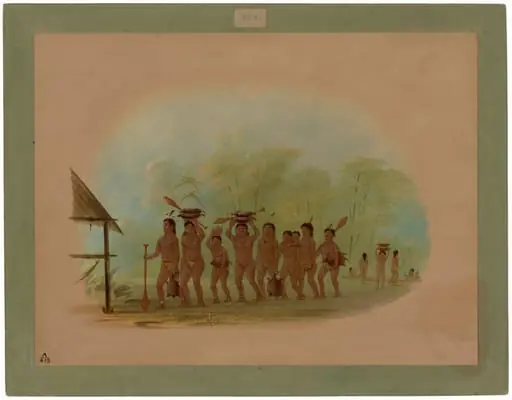 Return from a Turtle Hunt - Connibo
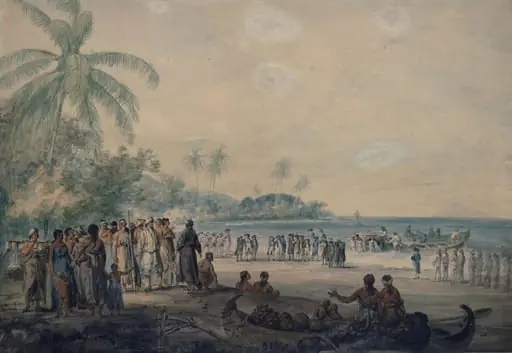 The Landing of the Remains of the Honourable Col. Cathcart for interment at Anger(e) Point in the Island of Java
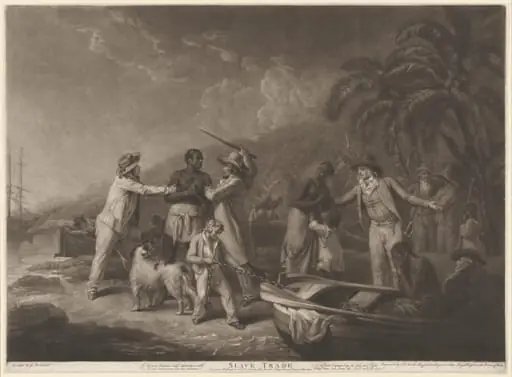 Slave Trade
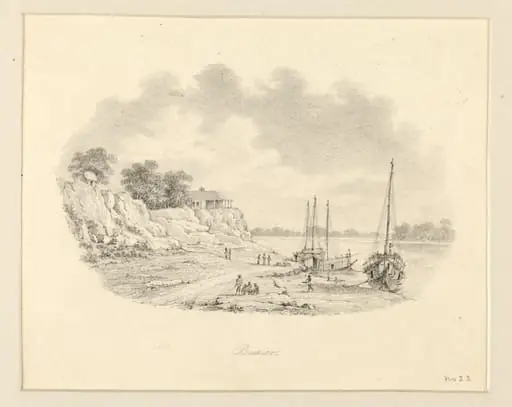 Buxar
Buxar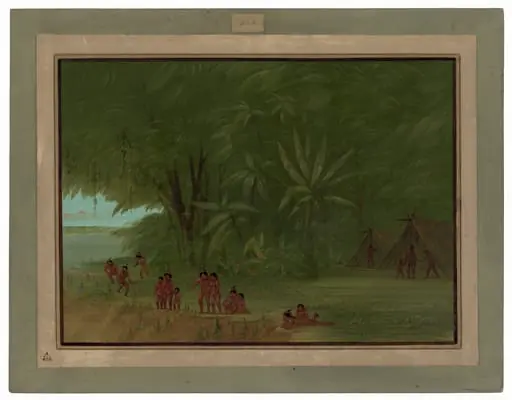 Mauhees Encampment
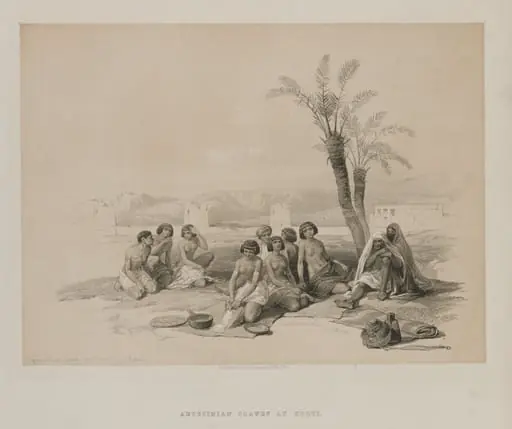 Egypt and Nubia, Volume I: Abyssinian Slaves Resting at Korti-Nubia
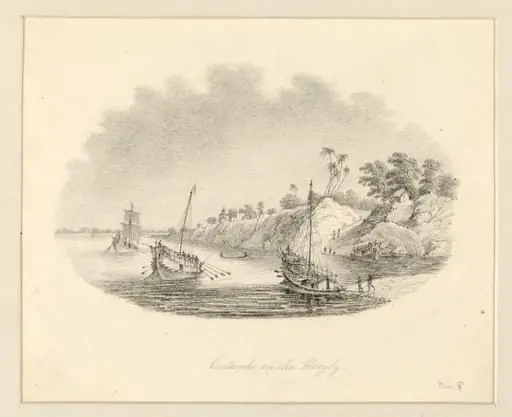 Cutwah on the Hoogly
 Oceanie