Artwork
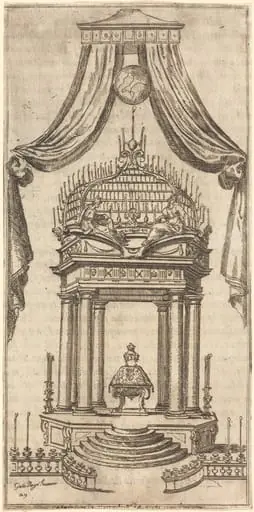
Catafalque for an Unknown Woman Named Maria
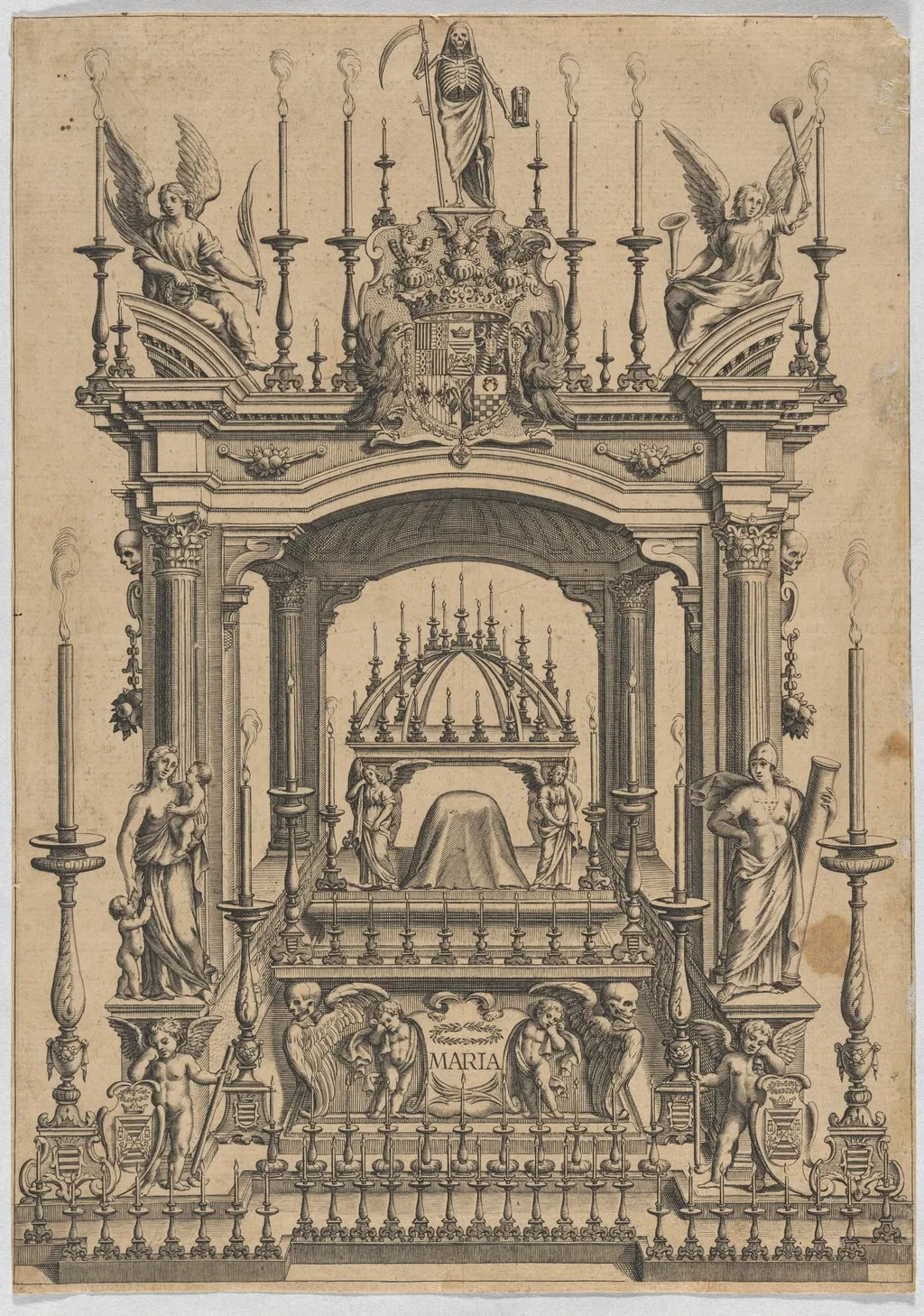
Catafalque for an Unknown Woman Named Maria is an ink print by the Baroque artist Spanish 17th Century. It dates from 1650 and is held in the collection of the National Gallery of Art.
About this work
Overview
Catafalque for an Unknown Woman Named Maria is an engraving on laid paper depicting an elaborate funeral arrangement. The composition centers on a draped coffin under a candle-lit canopy, surrounded by symbolic figures and ornaments.
Subject & Meaning
The engraving honors an unknown woman named Maria with a Baroque-themed catafalque. The juxtaposition of skeletons (mortality) and angels (eternity), alongside hourglasses and trumpets, conveys the interplay between life and death, a prevalent Baroque motif.
Technique & Style
The engraving showcases meticulous craftsmanship with intricate details, such as cherubs, skulls, and cross-hatched shadows, creating a dense yet precise visual landscape. The style aligns with Baroque sensibilities, emphasizing drama and symbolism.
Context
The work reflects Baroque artistic and philosophical themes of the 17th century, where death and the afterlife were common subjects. The use of engraving as a medium was popular for disseminating complex, detailed artworks during this period.
Legacy
While the engraving's impact on subsequent art movements is not explicitly documented, it contributes to the broader understanding of Baroque printmaking and its exploration of mortality themes. The piece's anonymity (both subject and artist) underscores the commonality of such themes in the era.
Artist & collection

Artist
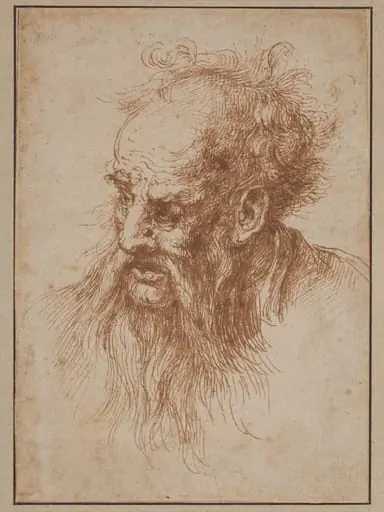
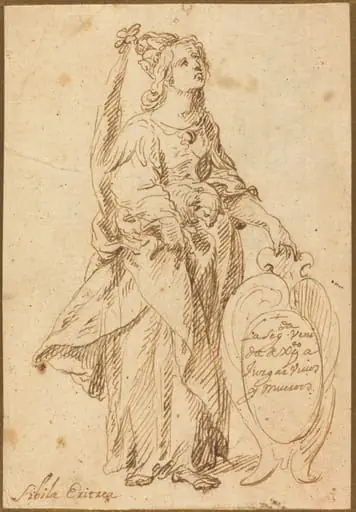
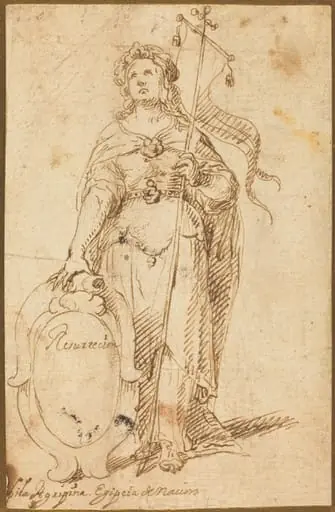
This artist worked in Spain in the early 1600s, making delicate pen and ink drawings.

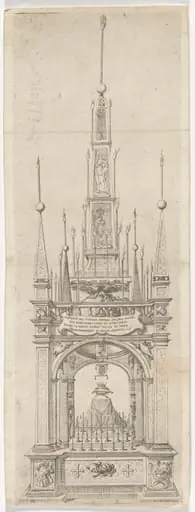 Catafalque for the Funeral of Giulio Thieni, Marquis of Scandiano
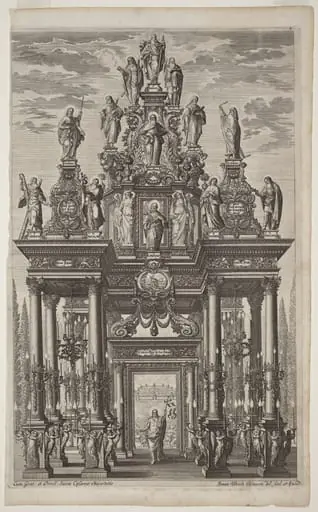 Frontispiece with Triumphal Arch with Christ and the Apostles
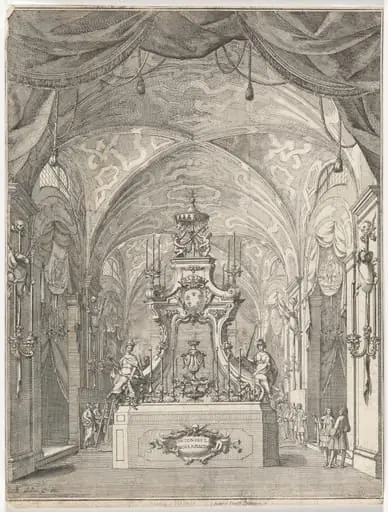 Catafalque for the Funeral of the Duke of Parma Antonio I in the Church of S. Maria Maddalena in Bologna
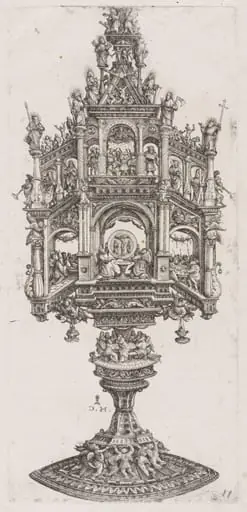 A Monstrance
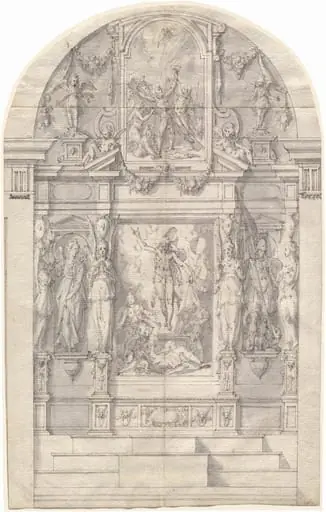 An Elaborate Altar with the Resurrection of Christ and the Martyrdom of Saint Andrew
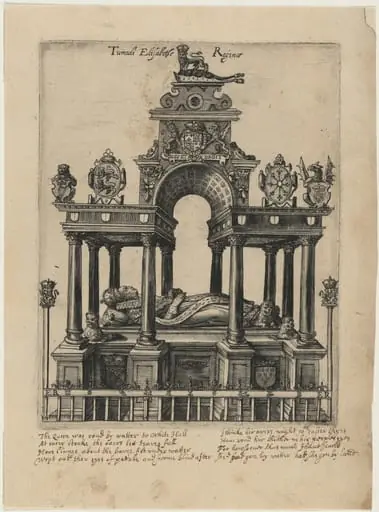 The Tomb of Elizabeth I
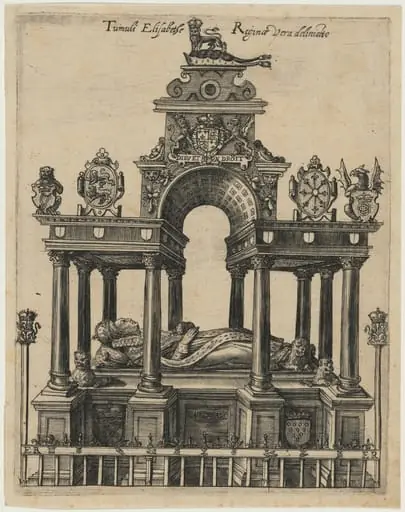 Elizabeth's Tomb
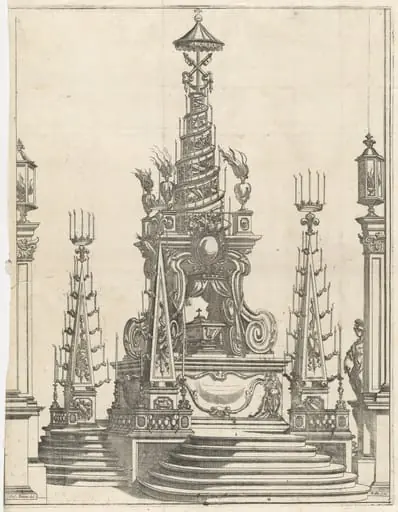 Catafalque for Ranuccio II in the Church of the Steccata
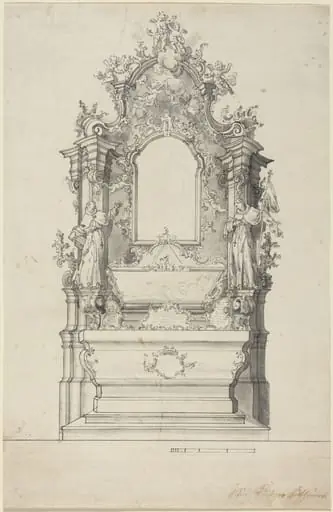 Rococo Altar with a Reliquary Tomb
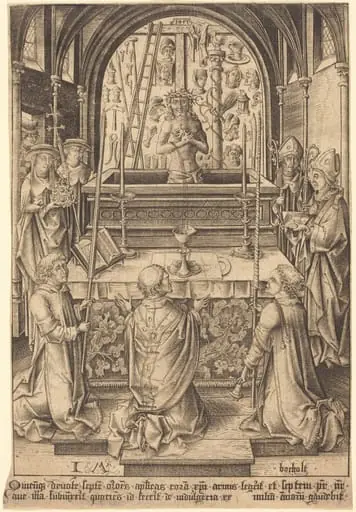 The Mass of Saint Gregory
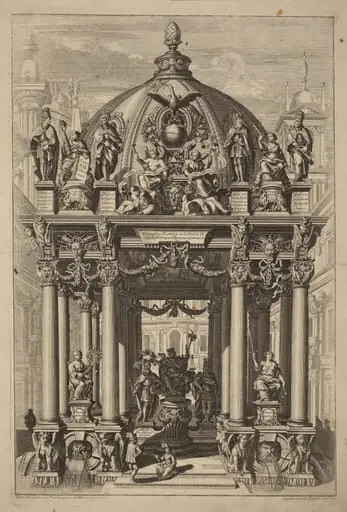 Triumphal Arch for Lotharius II
 The Catafalque