Artwork
Untitled
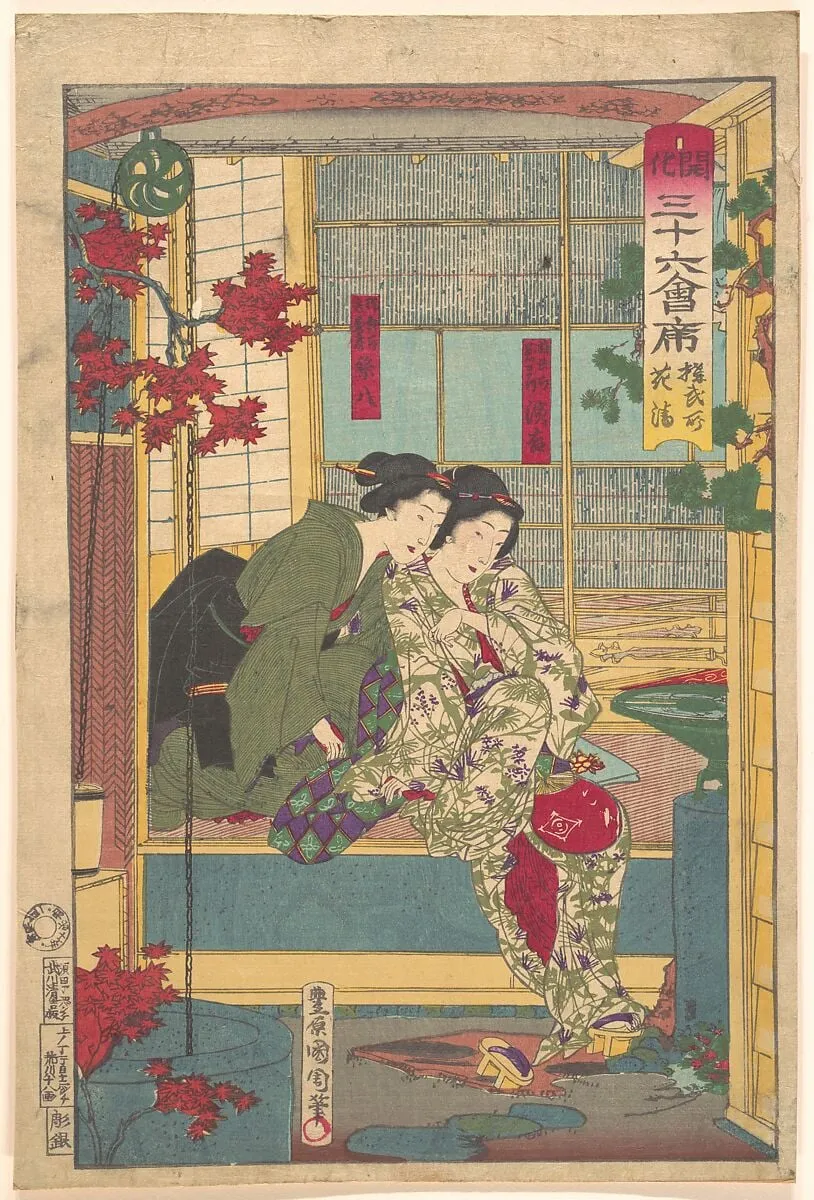
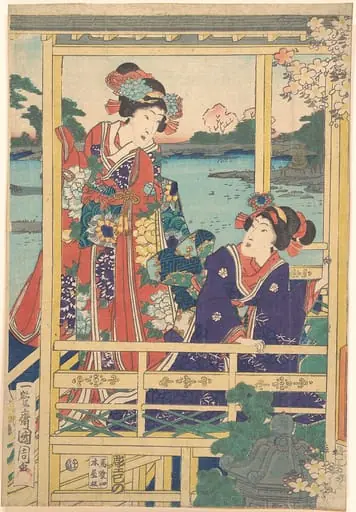
Untitled is an ink print by the Romanticist artist Toyohara Kunichika. It dates from 1852 and is held in the collection of the Metropolitan Museum of Art.
About this work
Overview
This woodblock print, dated 1852, is the work of Toyohara Kunichika, a prominent artist of the Utagawa school. Executed in ink and color on paper, it depicts a quiet domestic scene within a Japanese interior. The print is part of the collection at The Metropolitan Museum of Art, where it represents the genre of ukiyo-e portraiture during the late Edo period.
Subject & Meaning
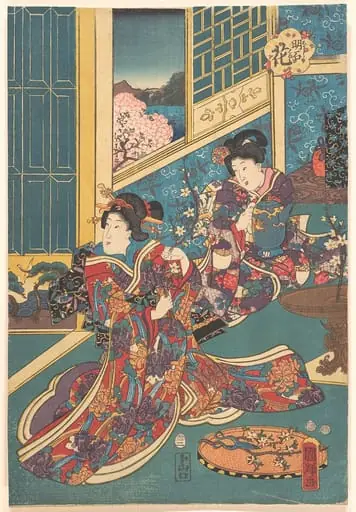
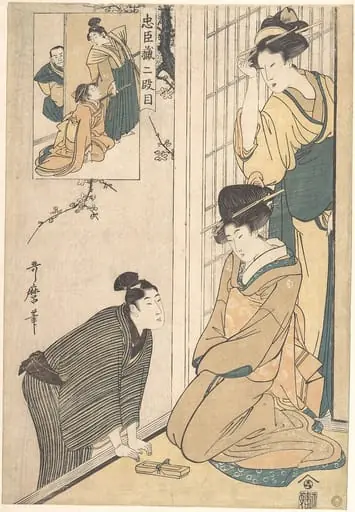
Two women are shown in an intimate setting: one stands leaning over the other, who sits on a low platform cradling an infant.
Two women are shown in an intimate setting: one stands leaning over the other, who sits on a low platform cradling an infant. The composition suggests a moment of care or familial exchange, possibly within a postpartum context. The presence of a lantern and garden beyond sliding doors implies a private, domestic sphere, emphasizing quietude and the rhythms of daily life rather than public spectacle.
Technique & Style
Kunichika employed bold outlines and vivid, contrasting colors to define forms and textures. The standing woman’s kimono features intricate red and gold patterns, while the seated figure wears a more subdued garment, visually anchoring the scene. Delicate rendering of maple leaves and foliage around the edges frames the interior, and the use of cross-hatching adds depth to shadows and fabric folds without overwhelming the composition.
History & Provenance
Created in 1852, the print emerged during a period when ukiyo-e flourished as affordable art for the urban middle class. Though its early ownership is undocumented, it entered the collection of The Metropolitan Museum of Art in the 20th century as part of a broader acquisition of Japanese prints. Its preservation reflects growing Western interest in Edo-period visual culture.
Context
This work reflects the Edo period’s fascination with domestic life, particularly scenes of women and children, which were popular subjects in ukiyo-e. The inclusion of seasonal elements like maple leaves and the architectural detail of sliding doors align with contemporary aesthetic values that prized harmony between interior spaces and the natural world.
Legacy
Kunichika’s prints, including this one, contributed to the evolution of portraiture in woodblock printing by blending emotional nuance with decorative precision. Though less widely known than some of his contemporaries, his focus on intimate, everyday moments influenced later generations of printmakers who sought to capture private life with authenticity rather than grandeur.
Artist & collection


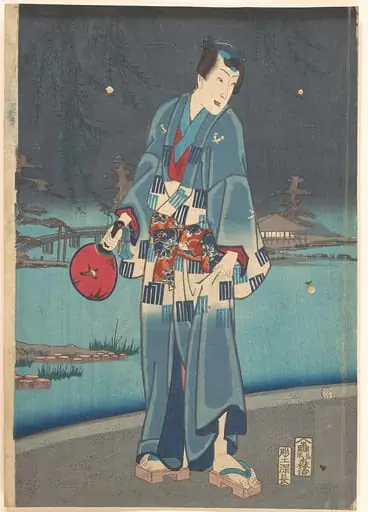 今様源氏紫絹蛍遊び|Modern Genji – Firefly Viewing (Imayō genji shiken hotaru asobi)
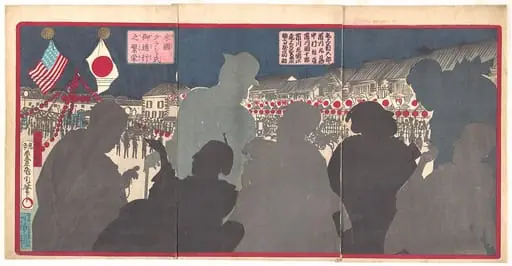 米国グラント氏御通行之繁栄|Splendor of the Procession of General Grant from America (Beikoku Guranto-shi go tsūkō no han'ei)
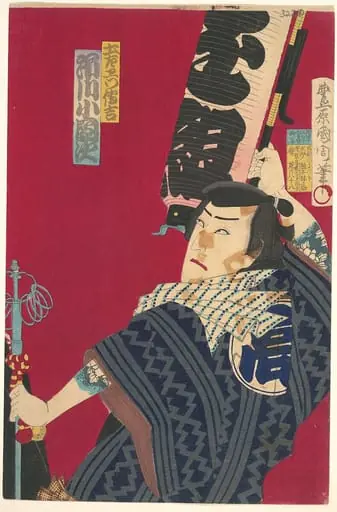 市川左小治 土左衛門伝吉|Ichikawa Sadanji as Dozaemon Denkichi in a Kabuki Play
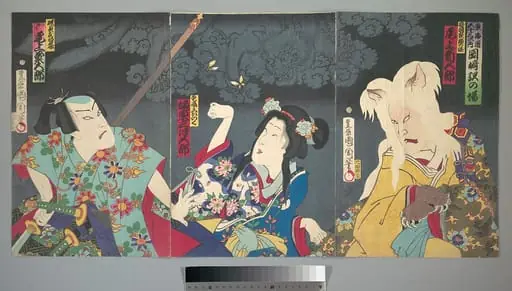 東海寄談音児館|Onoe Kikugorō V as Otowake Neko no ke (Right), Bandō Mitsugorō IV as Aishō Michinoku (Center), Onoe Kikugorō V as Isogai Mibunosuke (Left) in the Kabuki play Tōkai Kidan Nekomata Yashiki
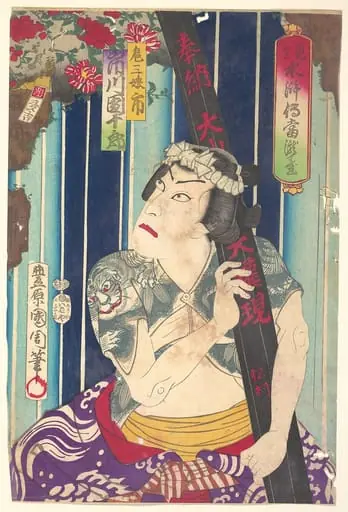 Untitled
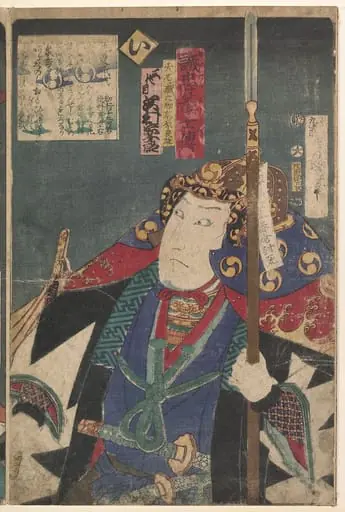 Untitled
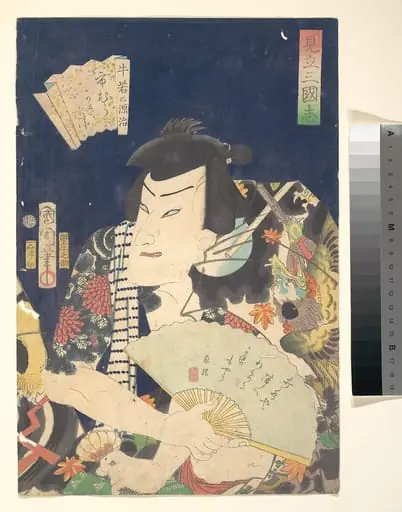 見立三国志 牛若の源治|Ichimura Kakitsu IV as Ushiwaka no Genji in the Kabuki play A Parody of the Romance of the Three Kingdoms (Mitate Sangokushi-Ushiwaka no Genji)
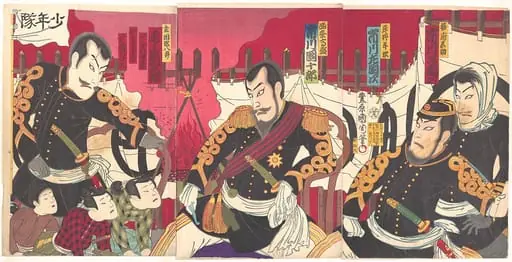 「摂府真助」「市川子團次」「岸野年秋 市川左團次」 「西条高盛 市川團十郎」 「倉田進八郎 尾上菊五郎」「正太郎 中村仲太郎」「孫市 尾上菊之介」「徳丸 市川幸作」西南雲晴朝東風|Ichikawa Kodanji as Seppu Shinsuke, Ichikawa Sadanji as Kishino Toshiaki, Ichikawa Danjūrō as Saijō Takamori, Onoe Kikugorō as Kurata Shinpachirō, Nakamura Chūtarō as Shōtarō, Onoe Kikunosuke as Magoichi, and Ichikawa Kōsaku as Tokumaru in the play Okige no kumo harau asa gochi
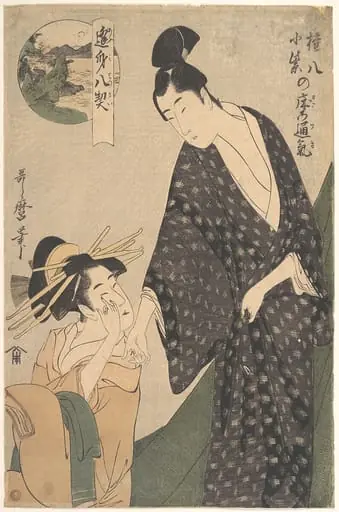 逢身八契 権八小紫の床の通気|Gonpachi ni Komurasaki no Toko no Tsuki
 Untitled
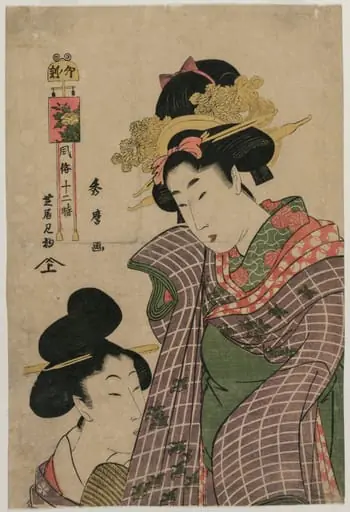 Going to the Kabuki Theater in the Hour of the Hare (From the Series The Twelve Hours with Daily Events)
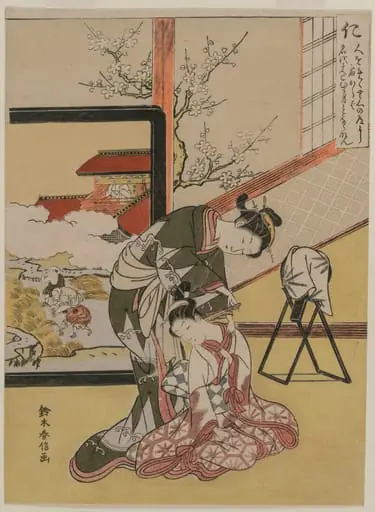 Benevolence, from The Five Virtues
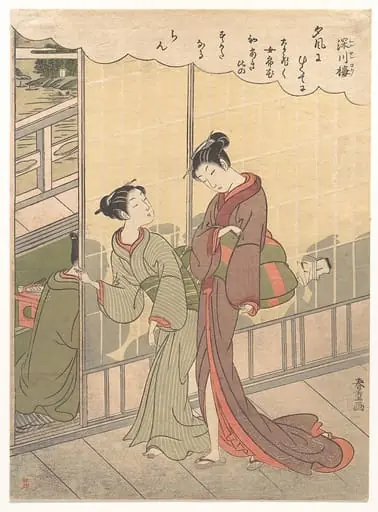 Untitled
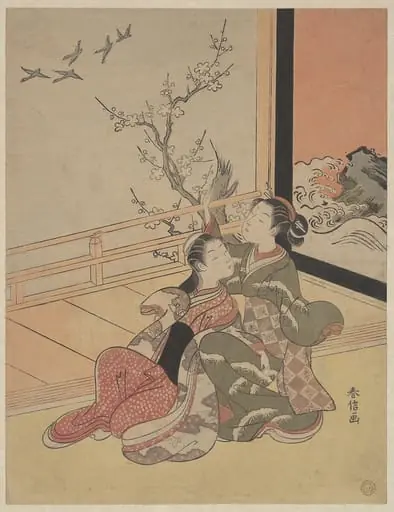 Untitled
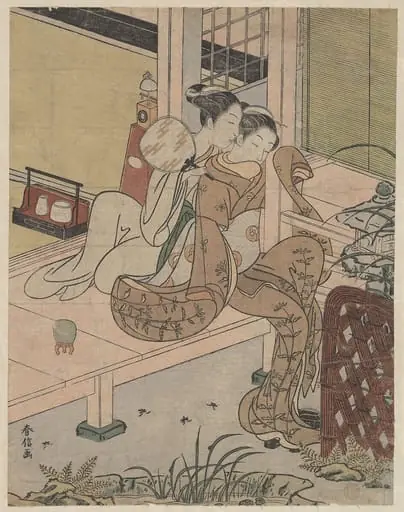 Untitled
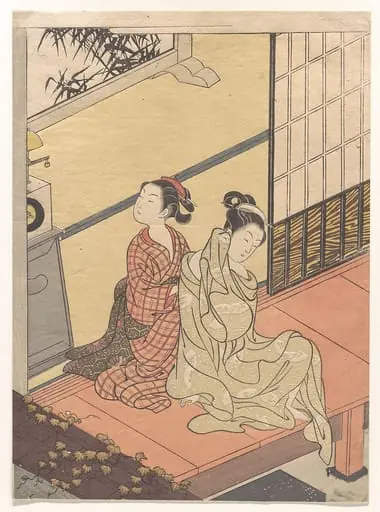 鈴木春信画 坐鋪八景 とけひの晩鐘|Evening Chime of the Clock (Tokei no banshō), from the series “Eight Parlor Views” (Zashiki hakkei)
 Untitled
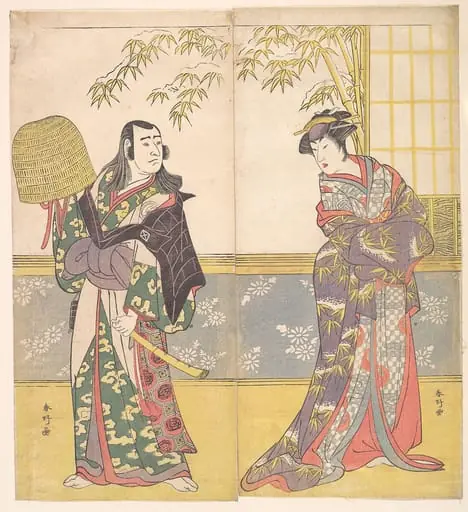 勝川春好画 三代目澤村宗十郎 三代目佐野川市松 |Kabuki Actors Sawamura Sōjūrō III and Sanogawa Ichimatsu III in "A Courtesan’s Mirror for the Eastern Provinces" (Keisei Azuma kagami)
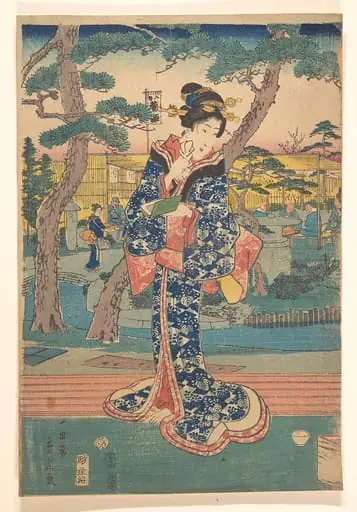 Untitled
 忠臣蔵二段目|A Young Man at the Side of a House