Artwork
Pugahm Myo. Figures in Damayangyee Pagoda
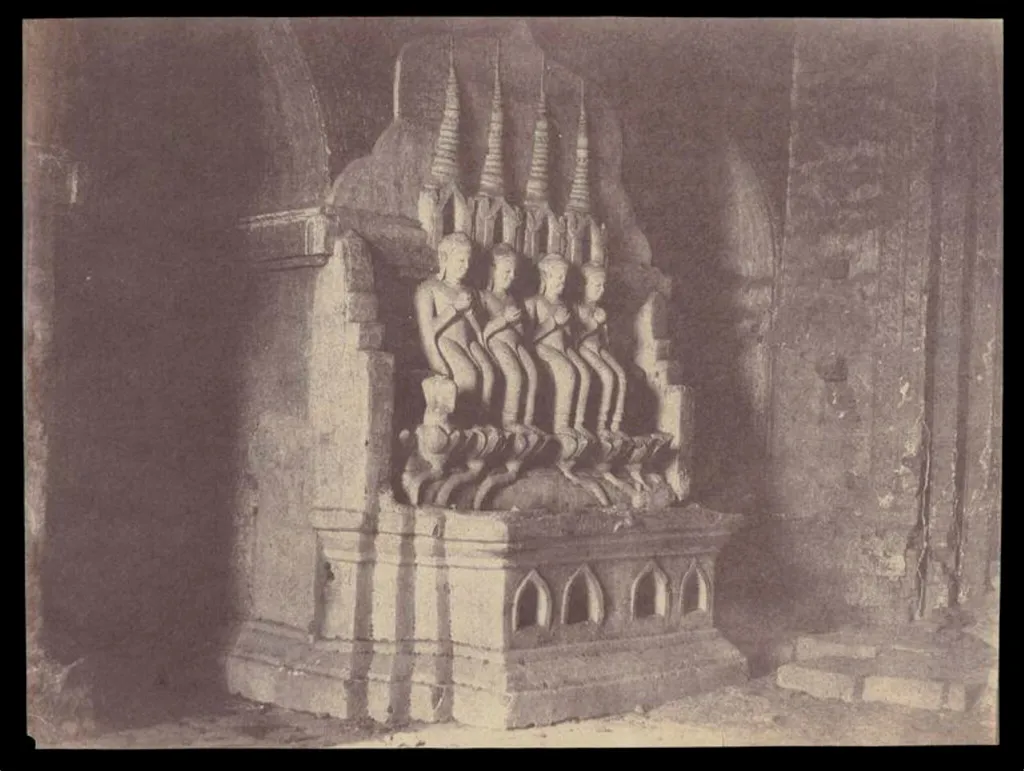
Pugahm Myo. Figures in Damayangyee Pagoda is a photographic photography by the Impressionist artist Linnaeus Tripe. It dates from 1855 and is held in the collection of the Victoria and Albert Museum.
About this work
Overview
Pugahm Myo is an albumen print photograph capturing a temple carving of four key disciples of Gautama Buddha seated on Buddhist thrones, their feet bare and hands joined in reverence.
Subject & Meaning
The depicted sculpture illustrates a moment of serene devotion, with the disciples' calm faces and simple, lined robes conveying a sense of humility and spiritual focus. Their posture, with bare feet and joined hands, emphasizes reverence and contemplation.
Technique & Style
The photograph documents a worn stone carving integrated into a temple wall, characterized by simple yet expressive lines for the figures' robes. The carving's age and wear are evident, suggesting a piece of considerable antiquity.
Context
This carving, as part of the Damayangyee Pagoda, reflects Buddhist artistic traditions. Comparisons with Jainism's sculptural practices highlight shared South Asian religious art motifs, despite denominational differences.
History & Provenance
Limited information is provided on the photograph's and carving's exact dates. However, the carving's worn state indicates an age likely spanning centuries, while the albumen print technique suggests the photograph was taken in the 19th or early 20th century.
Legacy
Pugahm Myo contributes to the visual record of Southeast Asian Buddhist art, preserving the image of a potentially ancient carving. Its legacy lies in documenting religious art and architecture, offering insights into the region's cultural and spiritual heritage.
Artist & collection
Artist
Linnaeus Tripe made early photographs of Burma for the British government between 1855 and 1858.

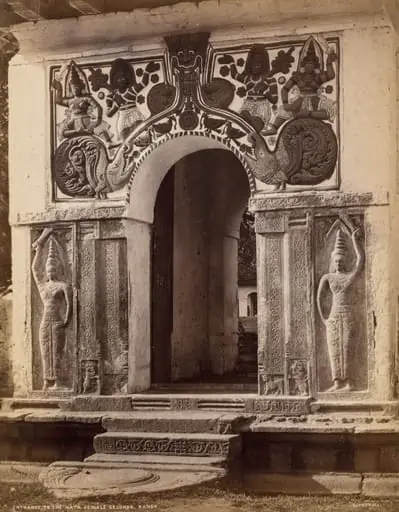 Entrance to the Nata Dewale Grounds, Kandy
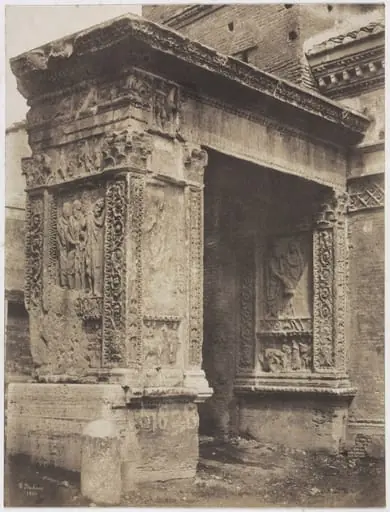 Goldsmith's Arch, Rome
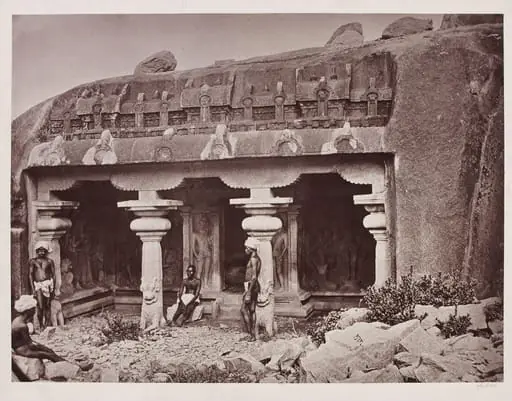 Cave sanctuary at Mahabalipuram
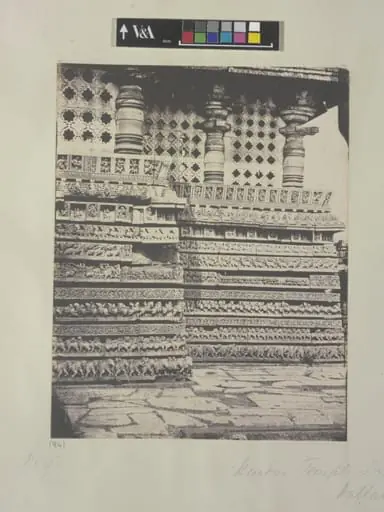 Hindoo Temple Sculpture, Southern India, Hullabeed
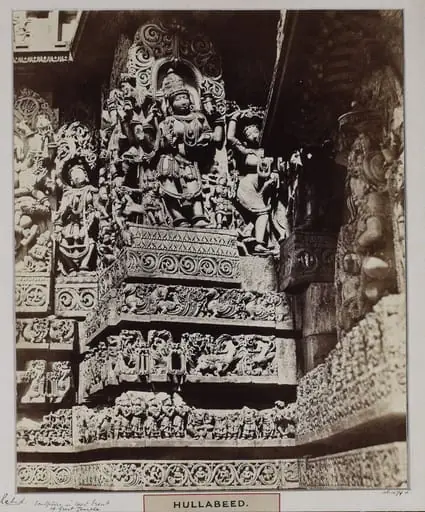 Western terraced front of the great temple at Halebid
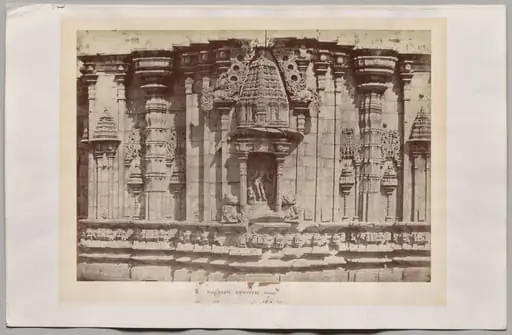 Kirwuttee, A Temple, India
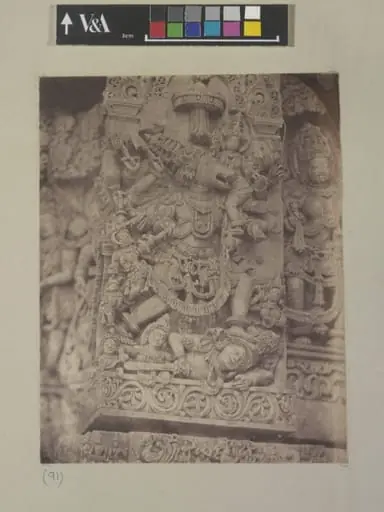 Hindoo Temple Sculptures, Southern India, Hullabeed
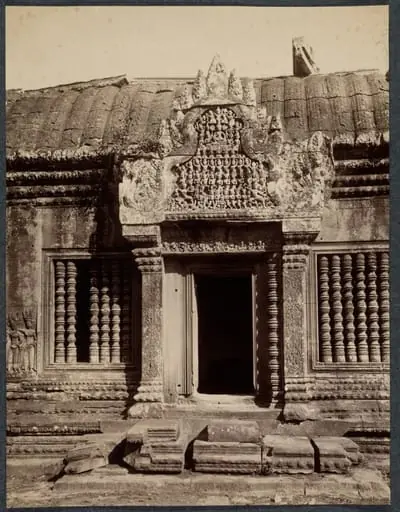 Doorway Through an Inner Enclosure, Angkor Wat, Cambodia
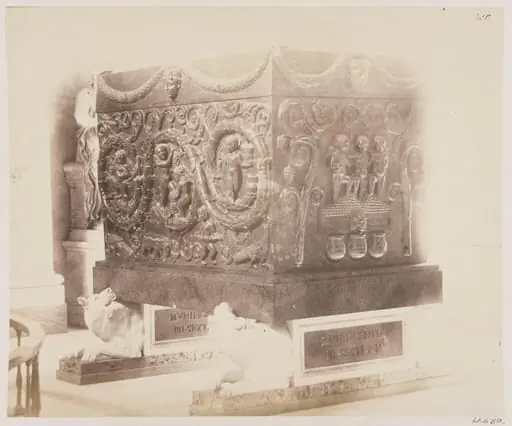 Sculpture - Sarcophagus of Porphyry of S. Constantia, A.D. 350
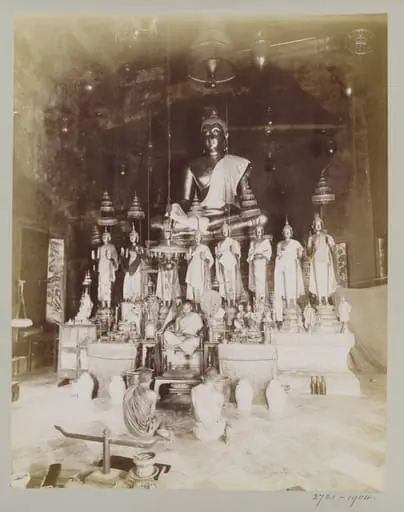 Buddha in Temple of Wat Mahan, Bangkok
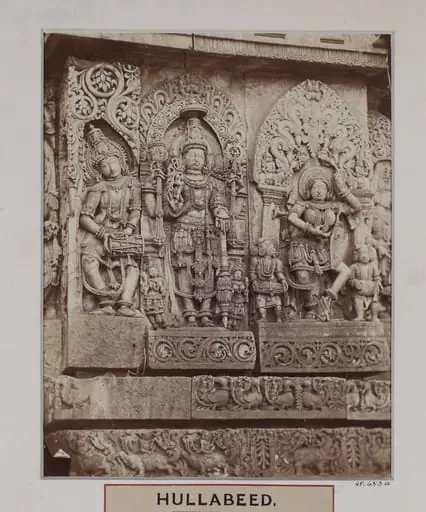 Relief sculpture of the great temple at Halebid
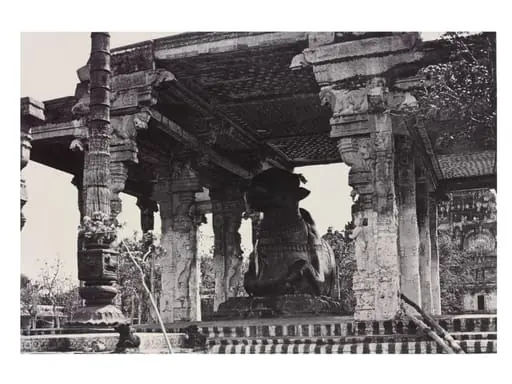
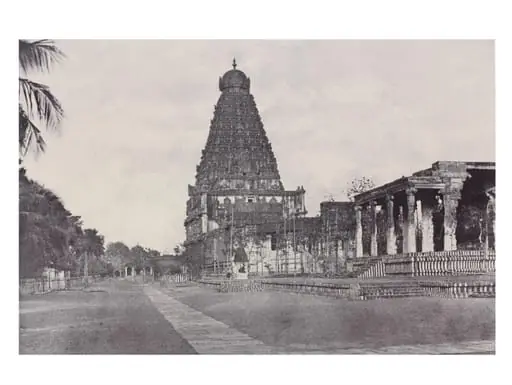
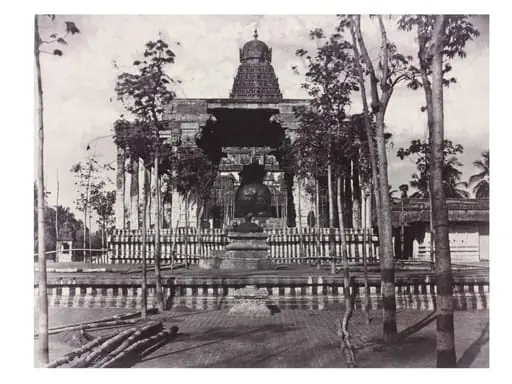
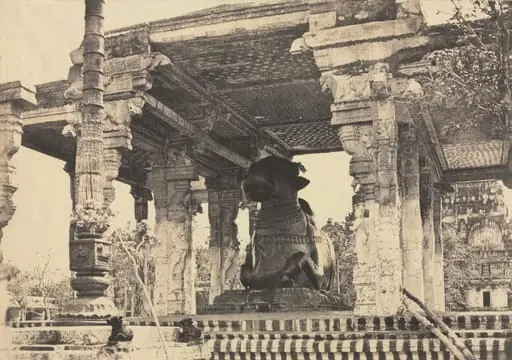 Great Pagoda, Great Bull, Front View, Tanjore, India (Rajarajeshvara Temple), plate 12 from Photographic Views of Tanjore and Trivady (Madras: Madras Presidency)