Artwork
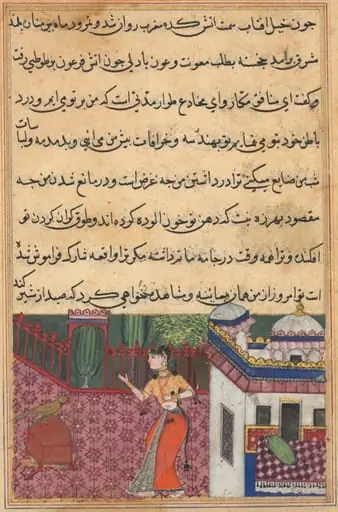
The Parrot Addresses Khujasta at the Beginning of the Twenty-sixth Night, from a Tuti-nama (Tales of a Parrot)
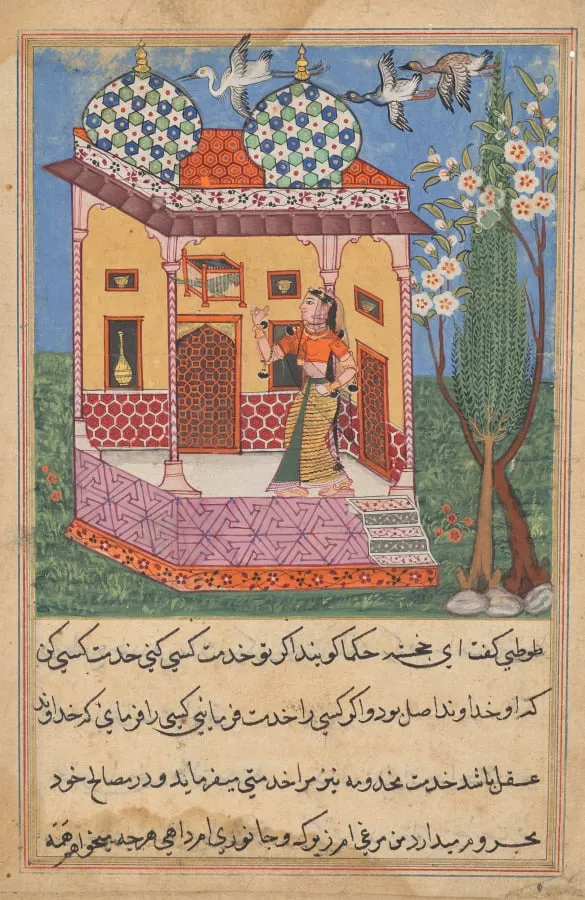
The Parrot Addresses Khujasta at the Beginning of the Twenty-sixth Night, from a Tuti-nama (Tales of a Parrot) is an unspecified painting by the Mughal Painting artist Unknown. It dates from 1560 and is held in the collection of the Cleveland Museum of Art. The work illustrates a scene from a Tuti‑nama, a collection of parrot stories used to stall a wife’s clandestine rendezvous.
About this work
You see a woman in jewels standing under a domed porch, talking to a parrot in a cage that seems to float in the air.
You see a woman in jewels standing under a domed porch, talking to a parrot in a cage that seems to float in the air. A flowering tree twists around a cypress behind them.
This painting comes from a book of parrot tales told to delay a wife’s secret meeting. The bird’s cage isn’t tied down—it feels like a dream. The story was made for Emperor Akbar’s court, where artists mixed Persian and Indian styles.
To see more paintings like this, look up Mughal India, court of Akbar (reigned 1556–1605).
Overview
The work illustrates a scene from a Tuti‑nama, a collection of parrot stories used to stall a wife’s clandestine rendezvous. A jewel‑adorned woman, Khujasta, stands beneath a domed pavilion while a floating parrot in an unattached cage begins to recount a tale involving the frog king Shapur.
Subject & Meaning
Khujasta, lavishly decked in gold and silver ornaments, seeks the parrot’s permission to depart, suggesting a moment of negotiation or farewell. The entwining flowering tree and cypress behind them symbolises her yearning to unite with a lover, while the bird’s narrative function serves as a narrative device to delay her secret meeting.
Technique & Style
The painting combines Persian miniature conventions with Indian Mughal influences typical of Emperor Akbar’s court. Delicate brushwork renders the floating cage and the ethereal quality of the scene, while the vivid saffron and turquoise palette highlights the contrast between the western sunset and eastern moon motifs.
History & Provenance
Created for the Mughal court during Akbar’s reign (1556–1605), the piece belongs to a manuscript of parrot tales that blended literary entertainment with visual art. The manuscript was produced by court artists trained in both Persian and indigenous Indian artistic traditions.
Context
Mughal patronage under Akbar encouraged synthesis of artistic styles, resulting in works that merged Persian courtly aesthetics with local Indian elements. The Tuti‑nama itself reflects the era’s fascination with storytelling, moral instruction, and the decorative luxury of illuminated manuscripts.
Artist & collection

 Domestic Scene
 Giacomo and Cardinal Marco, investing Andrea, Abbot of San Zeno, with his Benefice
 The Nymph of Fontainebleau
 Portrait of a Woman
 Madonna and Child with Saints in the Enclosed Garden
 Venus and Minerva
 Family Group of Four on Sofa
 Wall painting from Room H of the Villa of P. Fannius Synistor at Boscoreale
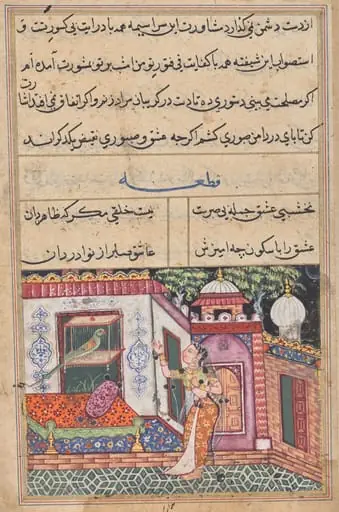 The Parrot Addresses Khujasta at the Beginning of the Eleventh Night, from a Tuti-nama (Tales of a Parrot)
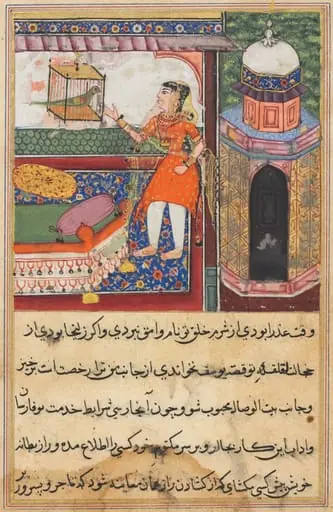 The Parrot Addresses Khujasta at the Beginning of the Tenth Night, from a Tuti-nama (Tales of a Parrot)
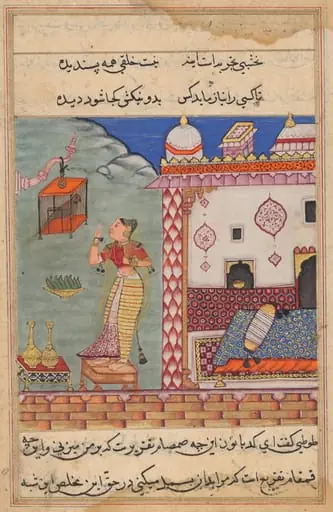 The Parrot Addresses Khujasta at the Beginning of the Twenty-seventh Night, form a Tuti-nama (Tales of a Parrot)
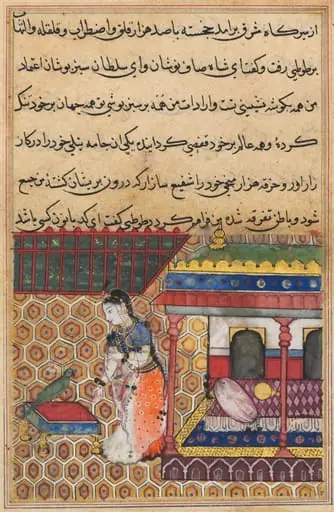 The parrot addresses Khujasta at the beginning of the thirty-eighth night, from a Tuti-nama (Tales of a Parrot)
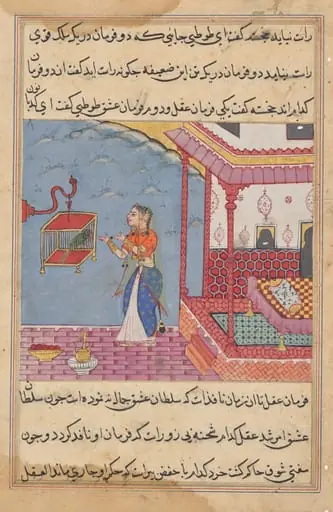 The Parrot Addresses Khujasta at the Beginning of the Twenty-Fourth Night, from a Tuti-nama (Tales of a Parrot)
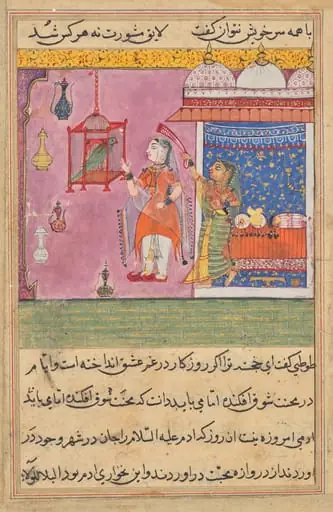 The Parrot Addresses Khujasta at the Beginning of the Nineteenth Night, from a Tuti-nama (Tales of a Parrot)
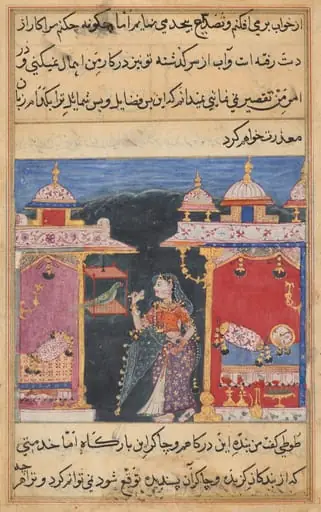 The Parrot Addresses Khujasta at the Beginning of the Seventh Night, from a Tuti-nama (Tales of a Parrot)
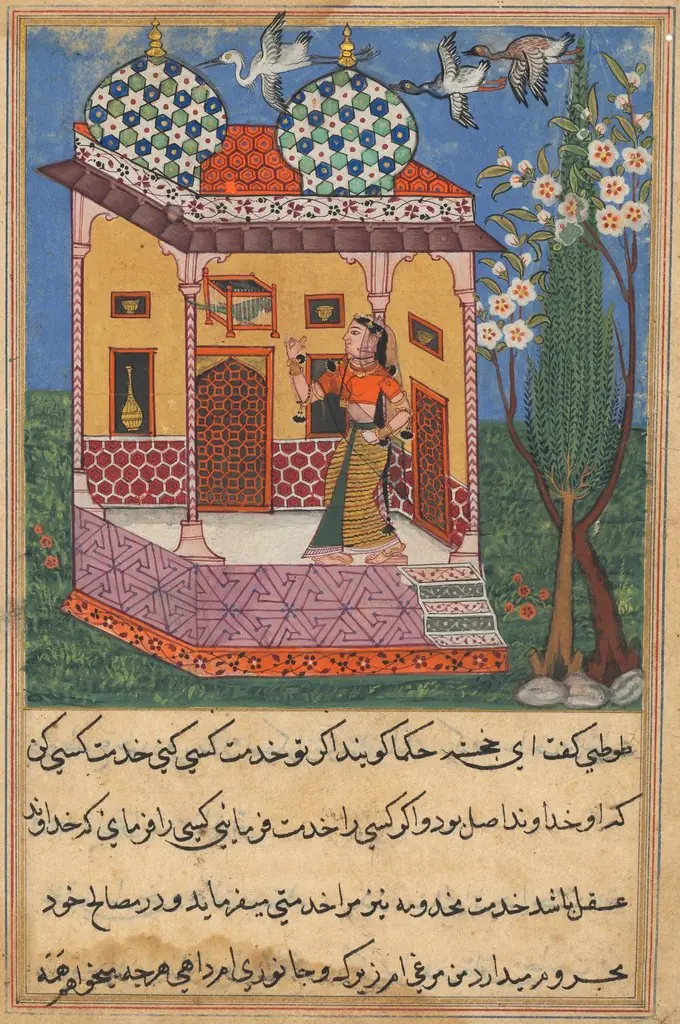 The Parrot Addresses Khujasta at the Beginning of the Twenty-sixth Night, from a Tuti-nama (Tales of a Parrot)
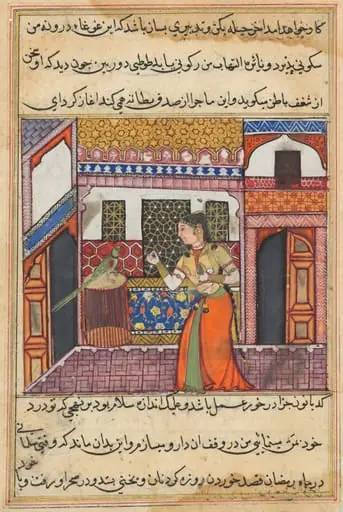 The parrot addresses Khujasta at the beginning of the forty-third night, from a Tuti-nama (Tales of a Parrot)
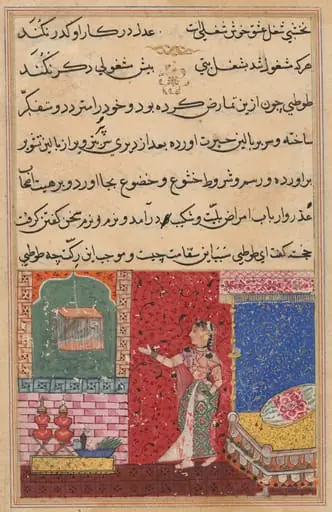 The Parrot Addresses Khujasta at the Beginning of the Fifteenth Night, from a Tuti-nama (Tales of a Parrot)
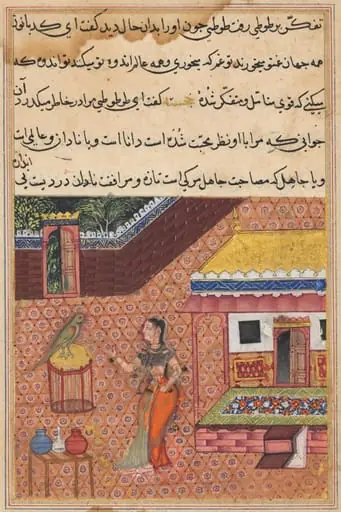 The parrot addresses Khujasta at the beginning of the thirty-fourth night, from a Tuti-nama (Tales of a Parrot)
 The parrot addresses Khujasta at the beginning of the thirty-third night, from a Tuti-nama (Tales of a Parrot)