Artwork
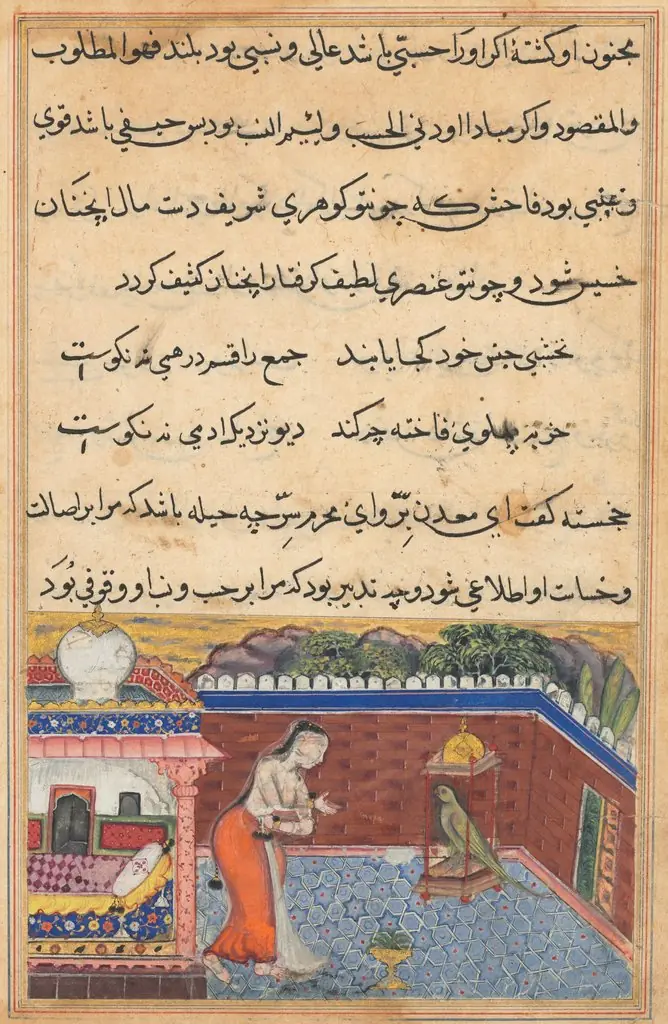
The parrot addresses Khujasta at the beginning of the forty-first night, from a Tuti-nama (Tales of a Parrot): Forty-first Night
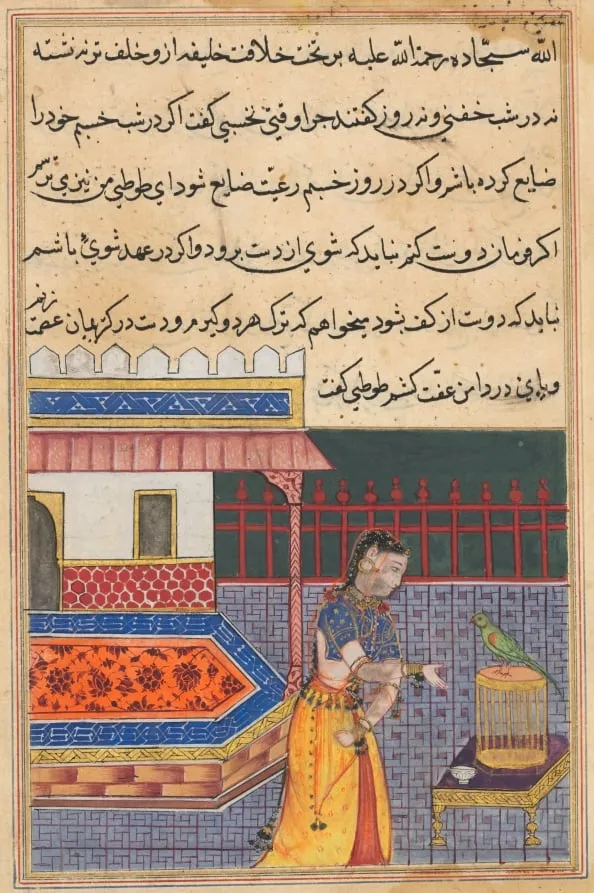
The parrot addresses Khujasta at the beginning of the forty-first night, from a Tuti-nama (Tales of a Parrot): Forty-first Night is an unspecified painting by the Mughal Painting artist Unknown. It dates from 1560 and is held in the collection of the Cleveland Museum of Art. The miniature illustrates the forty-first episode of a series in which a parrot, Tuti, narrates a tale to Khujasta, a solitary wife.
About this work
The tiny details—embroidered slippers, the parrot’s ruffled feathers—show how carefully Mughal artists worked, even on small pages.
A woman in a green dress sits on the floor, listening to a bright green parrot perched on top of a gold cage. Behind them, a servant fans the air with a long-handled screen.
This painting comes from a book of stories told by a parrot to a lonely wife. Each night, the parrot delays her from meeting her lover by spinning a new tale. The tiny details—embroidered slippers, the parrot’s ruffled feathers—show how carefully Mughal artists worked, even on small pages.
To see more of these delicate miniatures, look up Mughal India, court of Akbar (reigned 1556–1605).
Overview
The miniature illustrates the forty-first episode of a series in which a parrot, Tuti, narrates a tale to Khujasta, a solitary wife. In this scene she is seated in a green garment, listening to the bird perched atop a gilded cage while a servant fans the room with a long-handled screen.
Subject & Meaning
Khujasta seeks counsel on reconciling her lover's desires with the obligations of marriage. Tuti answers by recounting a story of a donkey punished for singing too boldly, a moral allegory meant to temper her romantic impulses.
Technique & Style
The work exemplifies Mughal miniature painting, noted for its meticulous detailing: the embroidered slippers, the iridescent feathers of the parrot, and the luminous gold of the cage are rendered with fine brushwork on a small page, reflecting the courtly aesthetic of Akbar's era.
History & Provenance
The image originates from a Tuti‑nama, a collection of fifty‑two nightly stories told by the parrot to a lonely wife. Such manuscripts were produced in the Mughal court during the late 16th century, under Emperor Akbar (1556–1605).
Context
Mughal miniatures often served as visual companions to literary works, merging Persian narrative traditions with Indian artistic sensibilities. The scene’s domestic interior, with its fan and modest furnishings, situates the tale within the private sphere of courtly life.
Artist & collection

 Domestic Scene
 Giacomo and Cardinal Marco, investing Andrea, Abbot of San Zeno, with his Benefice
 The Nymph of Fontainebleau
 Portrait of a Woman
 Madonna and Child with Saints in the Enclosed Garden
 Venus and Minerva
 Family Group of Four on Sofa
 Wall painting from Room H of the Villa of P. Fannius Synistor at Boscoreale
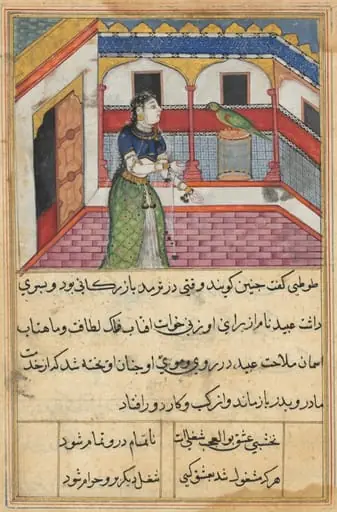 The parrot addresses Khujasta at the beginning of the forty-second night, from a Tuti-nama (Tales of a Parrot)
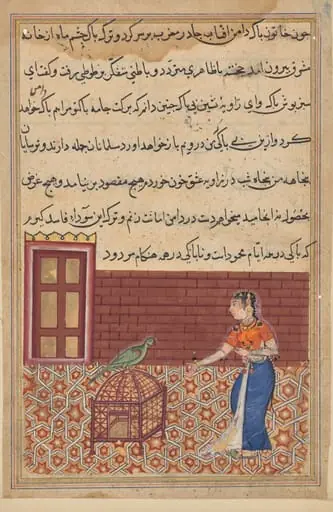 The parrot addresses Khujasta at the beginning of the fifty-first night, from a Tuti-nama (Tales of a Parrot): Fifty-first Night
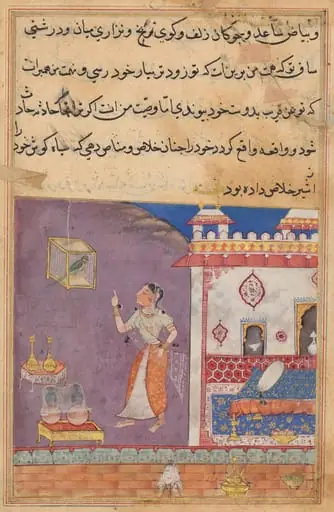 The Parrot Addresses Khujasta at the Beginning of the Twenty-ninth Night, from a Tuti-nama (Tales of a Parrot)
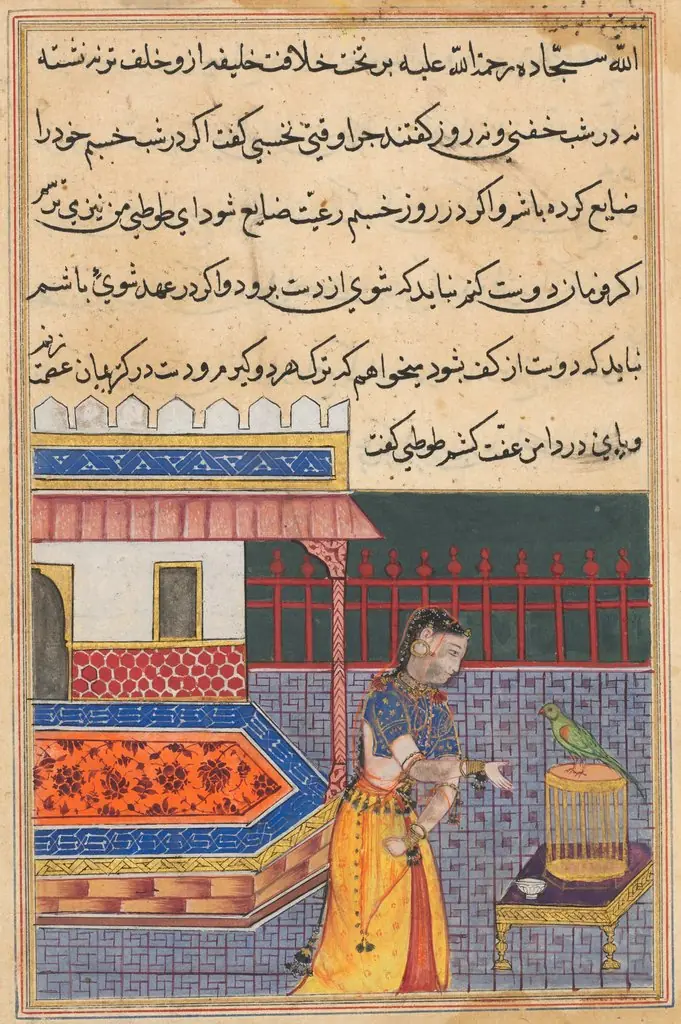 The parrot addresses Khujasta at the beginning of the forty-first night, from a Tuti-nama (Tales of a Parrot): Forty-first Night
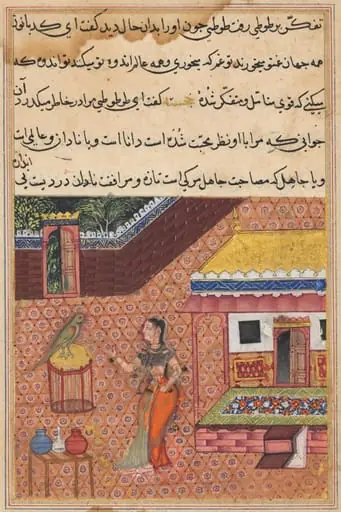 The parrot addresses Khujasta at the beginning of the thirty-fourth night, from a Tuti-nama (Tales of a Parrot)
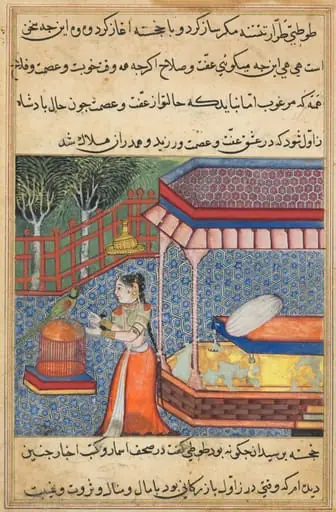 The parrot addresses Khujasta at the beginning of the thirty-sixth night, from a Tuti-nama (Tales of a Parrot)
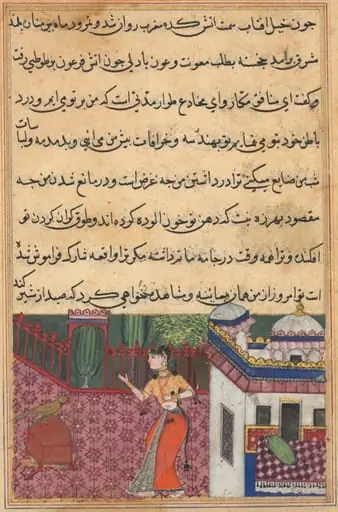 The parrot addresses Khujasta at the beginning of the thirty-third night, from a Tuti-nama (Tales of a Parrot)
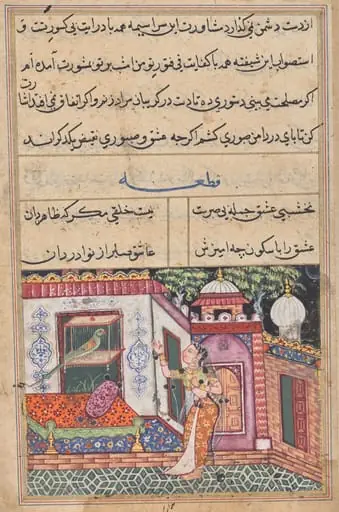 The Parrot Addresses Khujasta at the Beginning of the Eleventh Night, from a Tuti-nama (Tales of a Parrot)
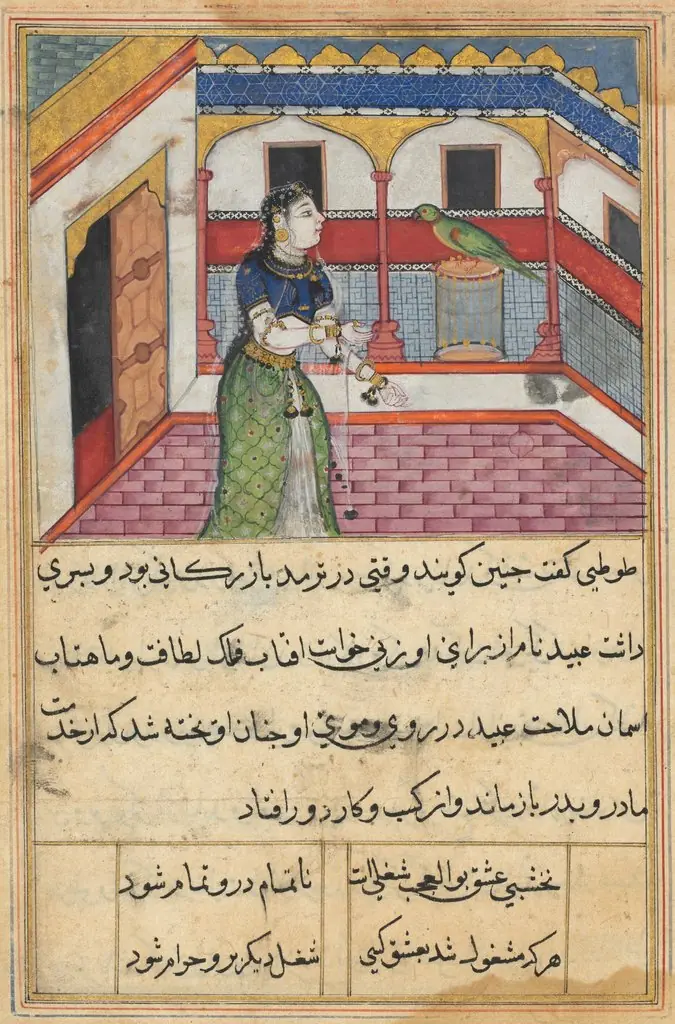 The parrot addresses Khujasta at the beginning of the forty-second night, from a Tuti-nama (Tales of a Parrot)
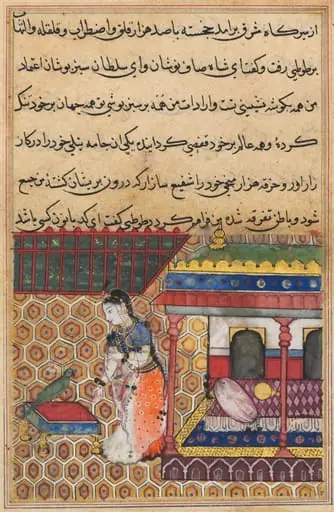 The parrot addresses Khujasta at the beginning of the thirty-eighth night, from a Tuti-nama (Tales of a Parrot)
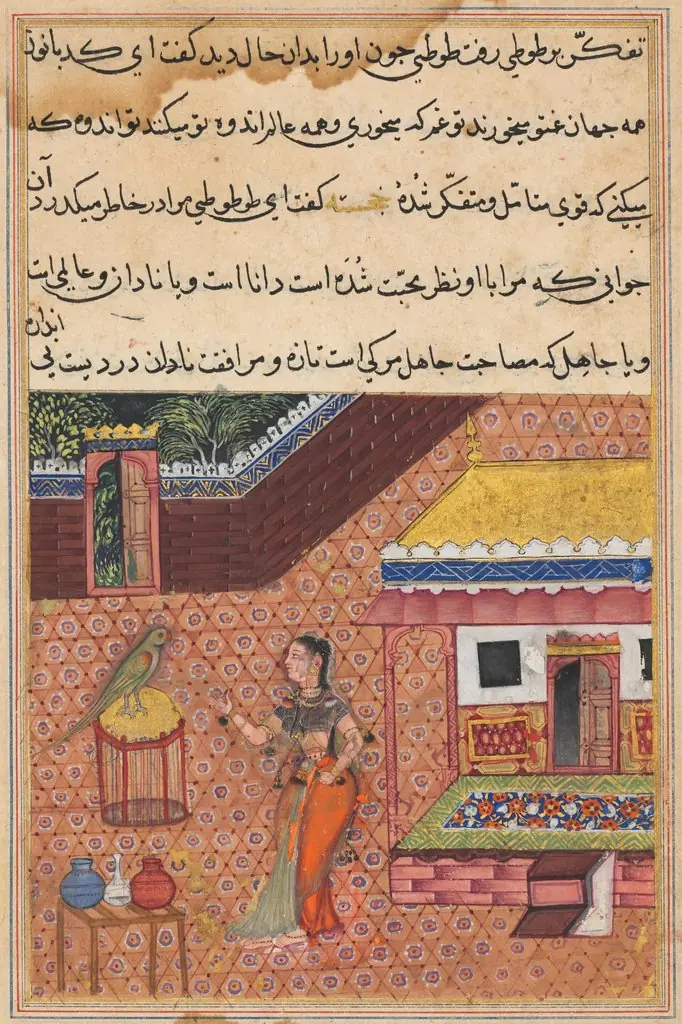 The parrot addresses Khujasta at the beginning of the thirty-fourth night, from a Tuti-nama (Tales of a Parrot)
 The parrot addresses Khujasta at the beginning of the thirty-first night, from a Tuti-nama (Tales of a Parrot)