Artwork
歌川五雲亭貞秀画 『神名川横浜新開港圖』|The Newly Opened Port of Yokohama in Kanagawa Prefecture (Kanagawa Yokohama shinkaikōzu)
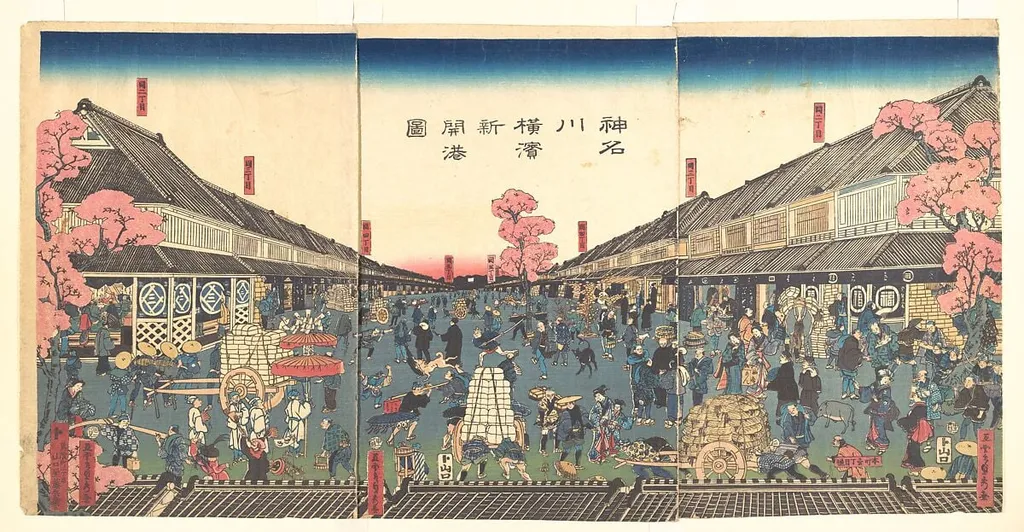
歌川五雲亭貞秀画 『神名川横浜新開港圖』|The Newly Opened Port of Yokohama in Kanagawa Prefecture (Kanagawa Yokohama shinkaikōzu) is an ink print by the Impressionist artist Utagawa (Gountei) Sadahide. It dates from 2 and is held in the collection of the Metropolitan Museum of Art.
About this work
Overview
Executed in nishiki-e style with ink and color on paper, it captures the bustling transformation of the area following Japan’s opening to foreign trade.
This triptych woodblock print, created by Utagawa Sadahide in the early 1860s, depicts the newly opened port of Yokohama in Kanagawa Prefecture. Executed in nishiki-e style with ink and color on paper, it captures the bustling transformation of the area following Japan’s opening to foreign trade. The work is part of The Metropolitan Museum of Art’s collection and represents a rare moment in ukiyo-e history: a detailed, large-scale portrayal of modern urban life rather than traditional subjects like actors or landscapes.
Subject & Meaning
The scene portrays Yokohama’s commercial district shortly after its designation as a treaty port in 1859. Crowded streets are filled with Japanese merchants, foreign traders, and laborers, alongside carts, stalls, and imported goods. Cherry blossoms and rooftops frame the composition, suggesting seasonal time and local identity. The presence of dogs and varied human postures underscores the chaotic vitality of a society adjusting to sudden international contact, reflecting both curiosity and cultural friction.
Technique & Style
Sadahide employed fine linework and layered color to render intricate details across three panels. Cross-hatching and subtle tonal gradations model architectural surfaces and fabric folds, enhancing spatial depth. The composition avoids traditional perspective, instead using overlapping figures and elevated viewpoints to convey density. Each individual is rendered with distinct gestures, a departure from the stylized figures common in earlier ukiyo-e. The soft blue sky and delicate pink blossoms balance the scene’s kinetic energy.
History & Provenance
Produced around 1860–1861, the print emerged during a period of rapid change as Yokohama became Japan’s primary point of contact with Western nations. Sadahide, known for documenting modern life, created this work to satisfy public interest in the foreign presence. The print was widely distributed and later entered the Metropolitan Museum of Art’s collection through early 20th-century acquisitions of Japanese prints, preserving its significance as a visual record of Japan’s transition.
Context
The print reflects Japan’s abrupt shift from isolation to international engagement following the 1853 Perry Expedition and subsequent treaties. Yokohama, once a fishing village, became a hub for foreign merchants and diplomats, drawing curiosity and anxiety. Ukiyo-e artists like Sadahide responded by documenting these changes, blending traditional aesthetics with new subject matter. This work stands among the earliest woodblock prints to treat contemporary urban life as worthy of artistic attention.
Legacy
Sadahide’s triptych influenced later depictions of modern Japanese cities and contributed to the genre of 'modern life' prints. Its detailed observation of cross-cultural interaction provided both domestic and foreign audiences with a tangible image of Yokohama’s transformation. While not widely imitated in technique, its commitment to realism and social documentation expanded the thematic boundaries of ukiyo-e, leaving a lasting mark on how Japan’s modernization was visually recorded.
Artist & collection

Artist
Utagawa Sadahide , also known as Gountei Sadahide, was a Japanese artist best known for his prints in the ukiyo-e style as a member of the Utagawa school.

 Untitled
 Untitled
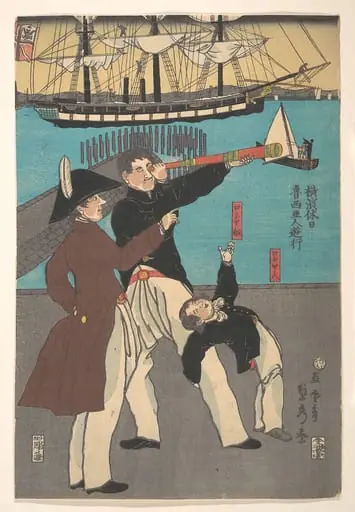 歌川五雲亭貞秀画 『横浜休日 魯西亜人遊行』|Russians Enjoying a Holiday in Yokohama (Yokohama kyūjitsu Roshiajin yūkō)
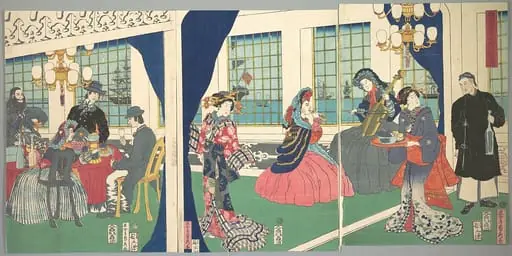
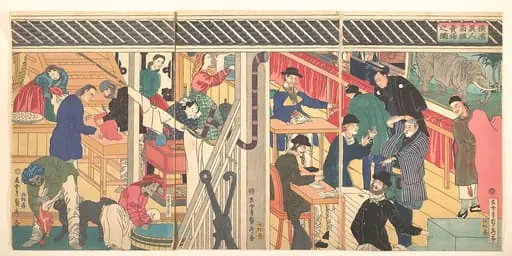 「横浜異人商館買場之圖」|Foreign Business Establishment in Yokohama (Yokohama ijin shōkan uriba no zu)
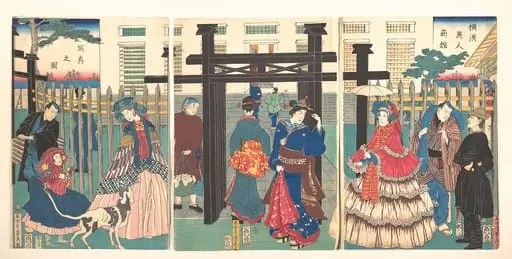 歌川五雲亭貞秀画 『横浜異人商館 写真之図』|Foreign Business Establishment in Yokohama (Yokohama ijin shōkan shashin no zu)
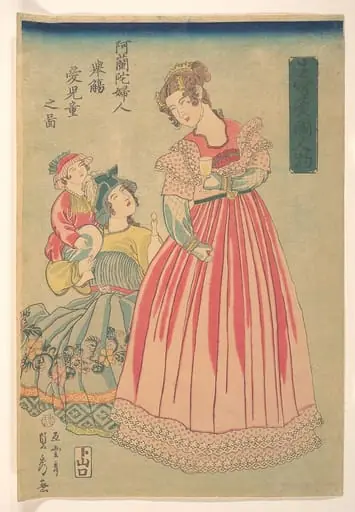 歌川五雲亭貞秀画 『生写異国人物 阿蘭陀婦人舉觴 愛児童之図』|Dutch Woman and Child (Seisha ikoku jinbutsu Oranda fujin aijidō no zu)
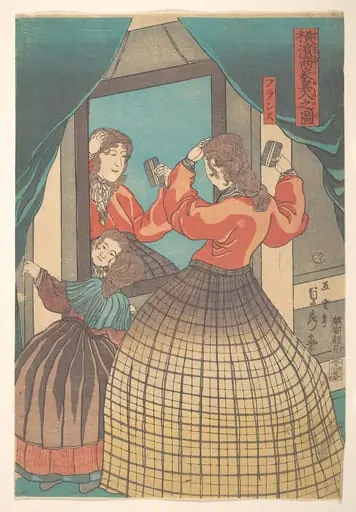 歌川五雲亭貞秀画 『横浜商家異人之図』|French Woman and Girl, from the series Foreign Merchants in Yokohama (Yokohama shōka ijin no zu)
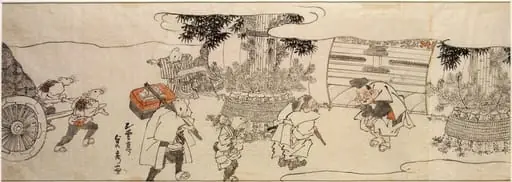 Daikoku and rats bringing rice bales to Ebisu
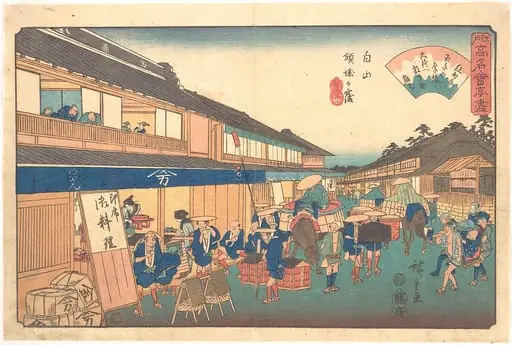 Hakusan Keiseiga Kubo (Daisen)|江戸高名会亭尽 白山傾城ヶ窪|Tea house in Hakusen district
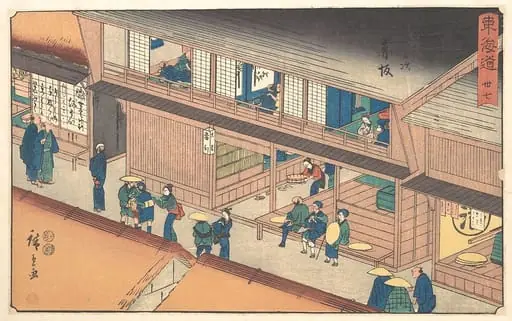 東海道五十三次 赤阪|Akasaka
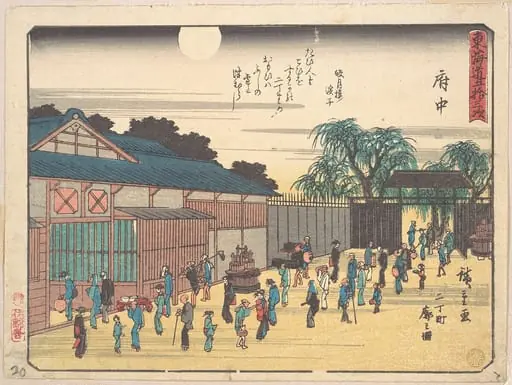 東海道五十三次 府中|Fuchu
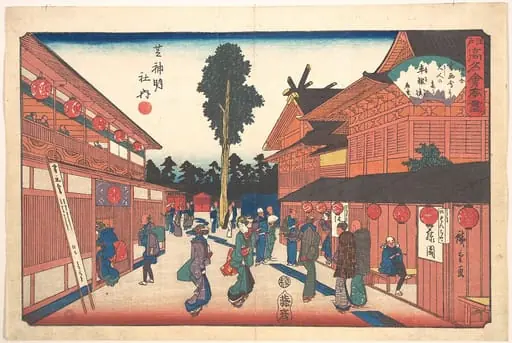 江戸高名会亭尽 芝神明社内 車轍楼|Shiba Shinmeisha Uchi (Shatetsu-ro)
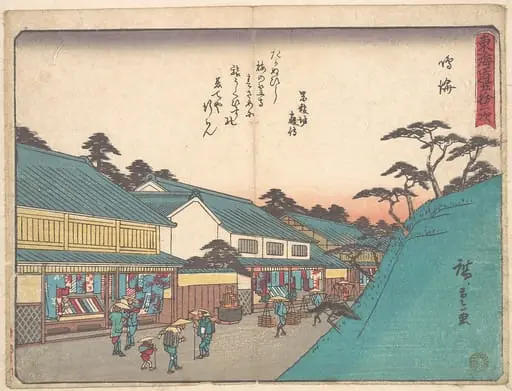 東海道五十三次 鳴海|Narumi
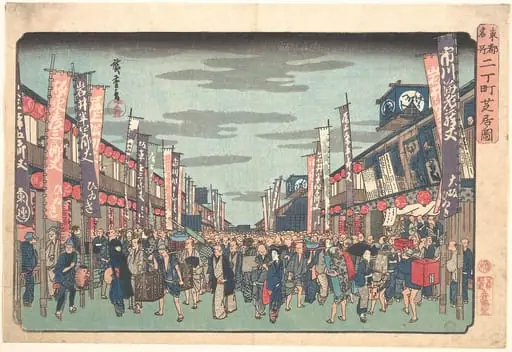 東都名所 二丁町芝居の図|View of the Kabuki Theaters at Sakai-cho on Opening Day of the New Season (Sakai-cho Shibai no Zu), from the series, "Toto Meisho"
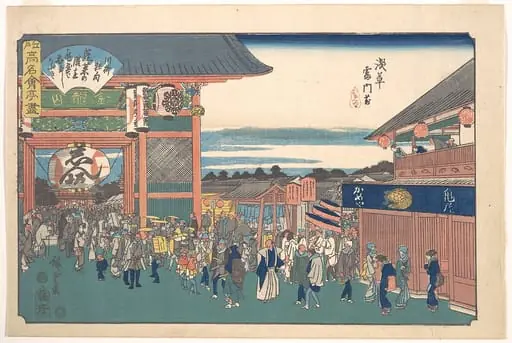 江戸高名会亭尽 浅草雷門前 かめや|Asakusa Kaminarimon Mae (Kameya)
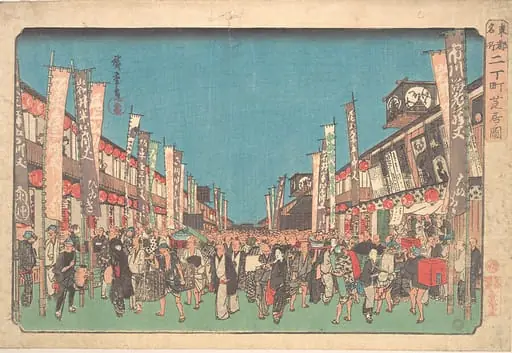 東都名所 二丁町芝居の図|Sakai Cho Shibai no Zu
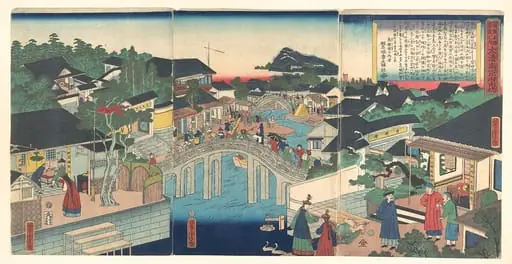 Daishin Nankin fu no shiō|Nankin in China