Artwork
James I
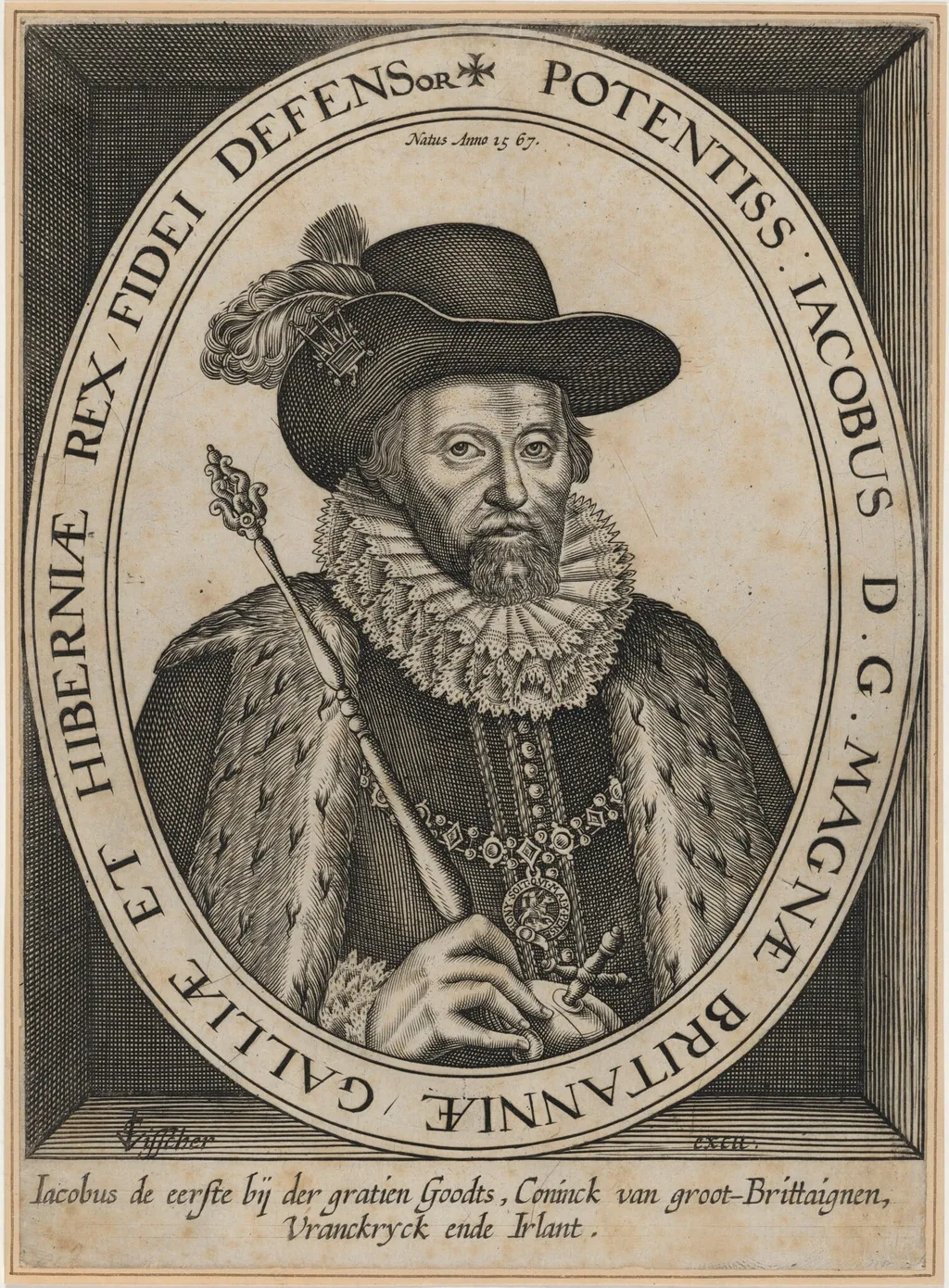
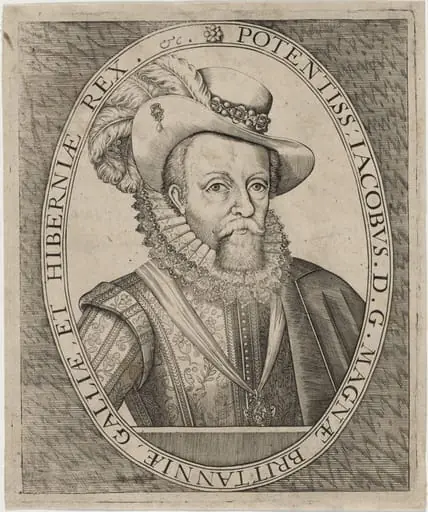
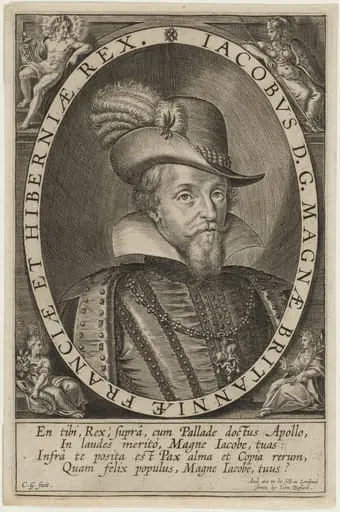
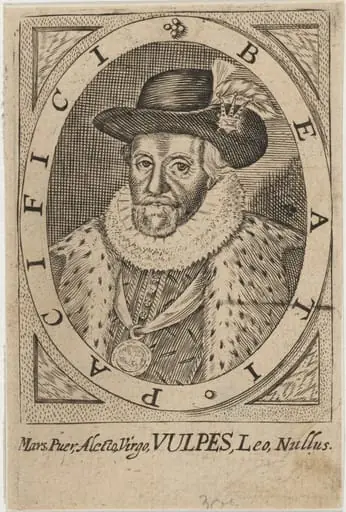
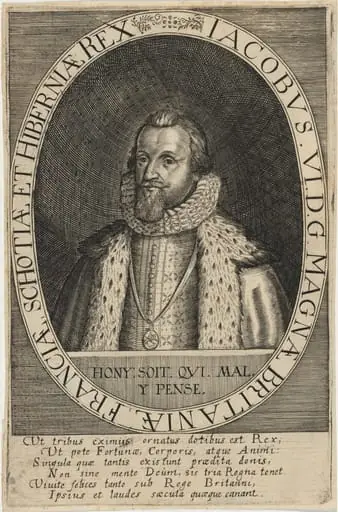
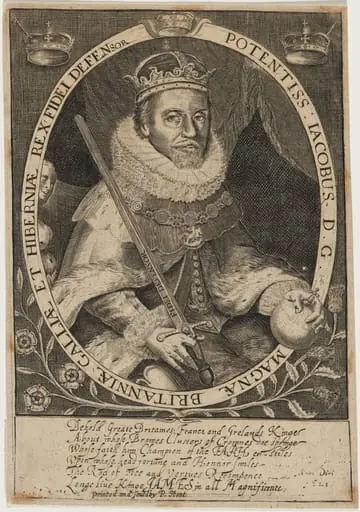
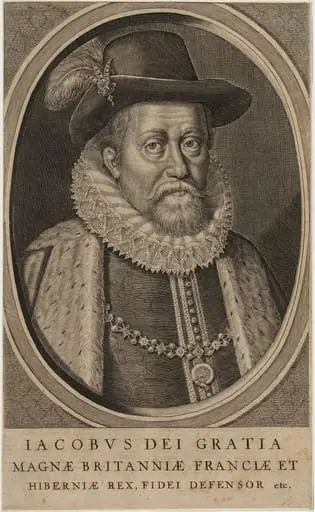
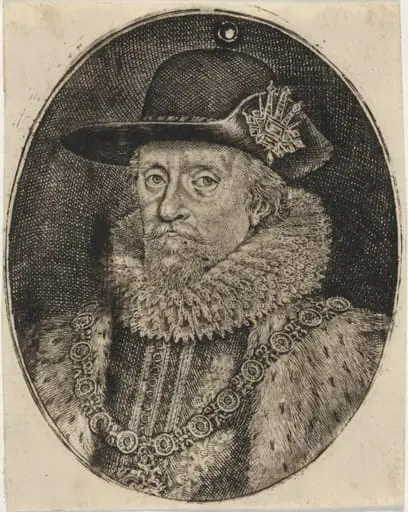
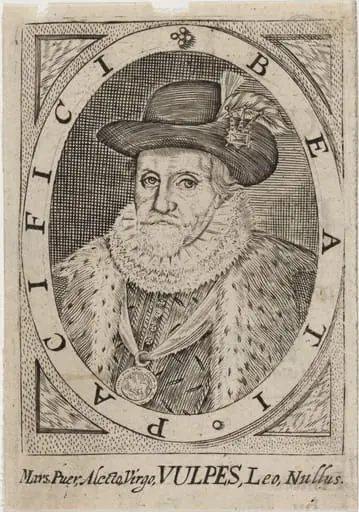
James I is an ink print by the Renaissance artist Claes Jansz Visscher. It dates from 1619 and is held in the collection of the National Gallery of Art.
About this work
Overview
The 1619 engraving titled *James I* was produced by Claes Janszoon Visscher, a Dutch artist active during the Golden Age. Known for his work as a draughtsman, engraver, and mapmaker, Visscher created this portrait of the English monarch, presenting the king in a formal, authoritative pose.
Subject & Meaning
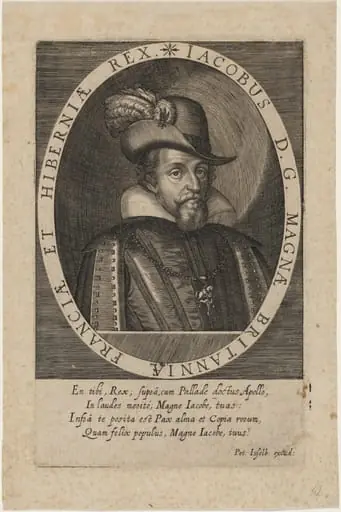
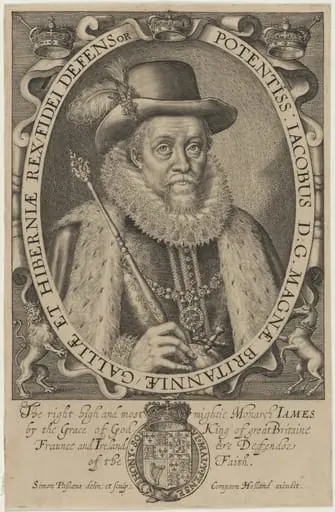
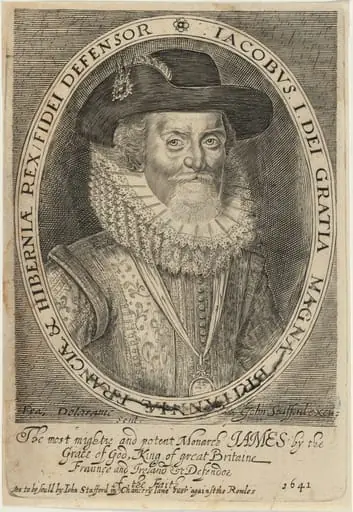
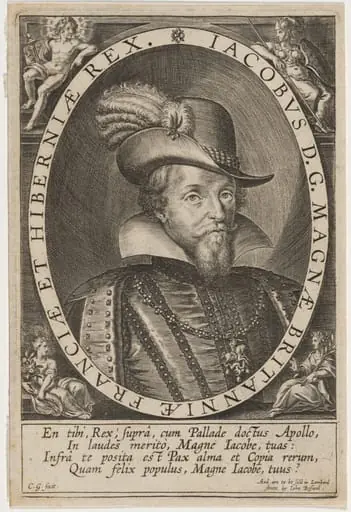
The image shows King James I of England wearing a hat, a ruffled collar, and a fur‑trimmed coat, with a large medallion at his throat. He holds a scepter in his right hand, his gaze directed outward, conveying the regal dignity and sovereign power associated with his reign.
Technique & Style
Executed as an engraving, the work relies on fine lines and cross‑hatching to render texture, from the sheen of the coat to the delicate rendering of the hair and facial features. The light background provides contrast, allowing the figure’s details to stand out without distraction.
History & Provenance
Visscher founded a notable mapmaking and publishing house in Amsterdam, which remained under family control for several generations. The *James I* print was produced within this commercial context, reflecting the period’s demand for portrait prints of European rulers.
Context
During the early seventeenth century, portrait engravings served both as political propaganda and as collectible items for a growing market of educated patrons. Vissburg’s depiction of James I aligns with contemporary Dutch interest in foreign courts and the circulation of royal iconography across Europe.
Artist & collection

Artist
Claes Janszoon Visscher (1587 – 19 June 1652) was a Dutch Golden Age draughtsman, engraver, mapmaker, and publisher.