Artwork
Italian Peasant Woman with a Broom
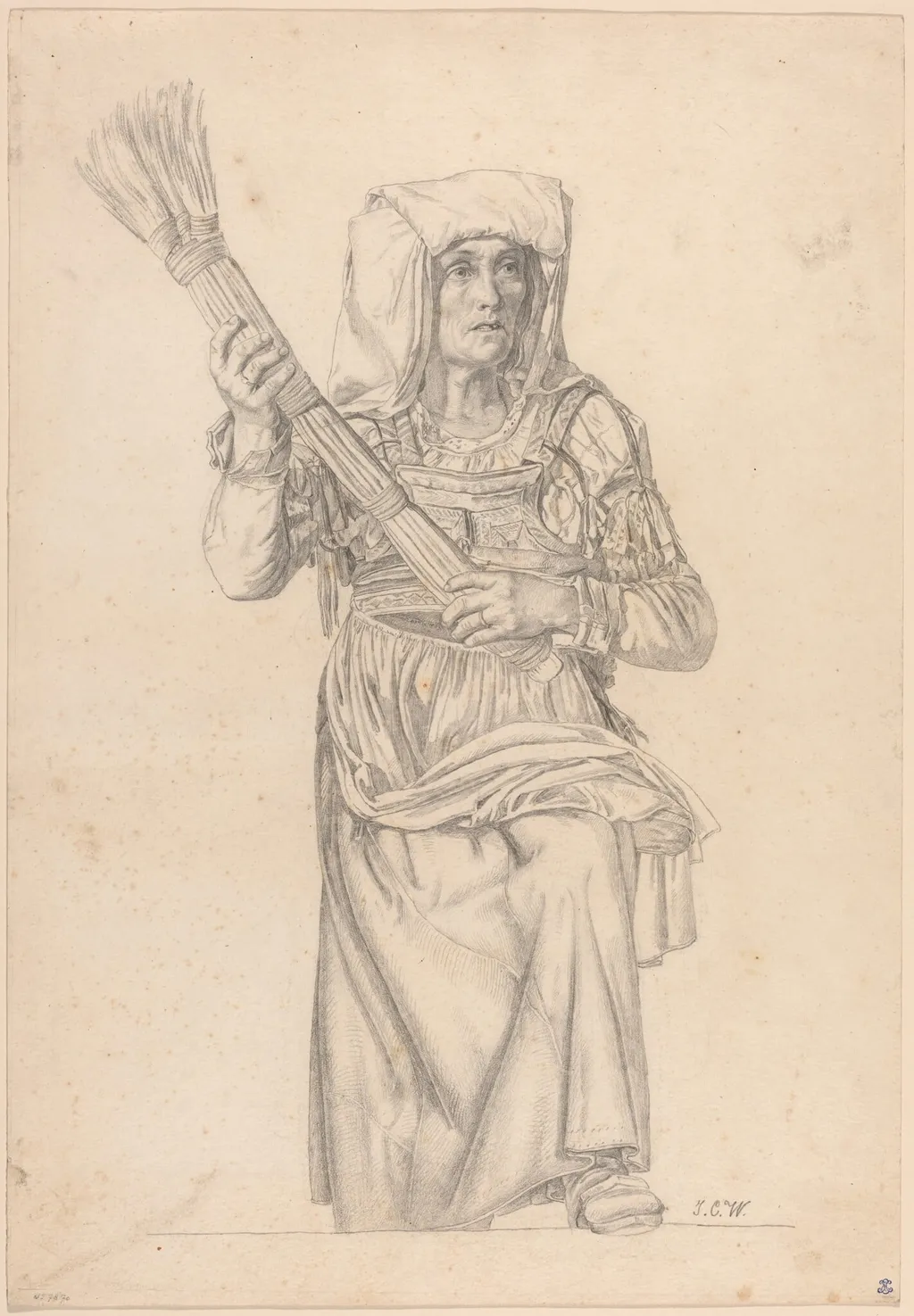
Italian Peasant Woman with a Broom is a graphite drawing by the Romanticist artist Johann Caspar Weidenmann. It dates from 1828 and is held in the collection of the National Gallery of Art.
About this work
Overview
Created in 1828, this graphite drawing by Swiss artist Johann Caspar Weidenmann captures a rural Italian woman engaged in domestic labor. Executed on wove paper, the work belongs to a series of observational sketches Weidenmann produced during his travels in Italy. Its modest scale and material reflect a focus on quiet, unidealized moments rather than grand narrative.
Subject & Meaning
The figure is a peasant woman, depicted mid-task with a broom in hand. Her posture and simple attire suggest daily routine rather than performance. Weidenmann avoids romanticization; the subject’s identity is grounded in labor, not symbolism. The broom, a utilitarian object, anchors the image in the physical reality of rural life, emphasizing dignity in ordinary work.
Technique & Style
Weidenmann employed graphite with precision, using varied pressure to define form and texture. Soft shading models the woman’s clothing and face, while crisp lines outline the broom’s handle and bristles. The wove paper’s subtle grain enhances the tactile quality of the drawing, supporting a restrained, observational approach characteristic of early 19th-century draftsmanship.
History & Provenance
The drawing was made during Weidenmann’s formative years in Italy, a period when he studied local life and architecture. It remained in private hands for much of the 19th century before entering a public collection. Its survival as a single sheet, unbound and undated beyond its creation year, reflects its status as a study rather than a finished exhibition piece.
Context
In the 1820s, European artists increasingly turned to everyday subjects as part of a broader shift away from classical idealism. Weidenmann’s sketch aligns with this trend, echoing the ethnographic interest in regional life seen in contemporaneous German and Swiss drawings. Unlike grand historical scenes, this work values quiet authenticity over theatricality.
Legacy
Though not widely exhibited, the drawing exemplifies Weidenmann’s commitment to direct observation. It contributes to a body of work that documented rural Europe before industrialization transformed its landscapes. Today, it serves as a record of labor and attire in early 19th-century southern Italy, valued for its unembellished clarity.
Artist & collection
Artist
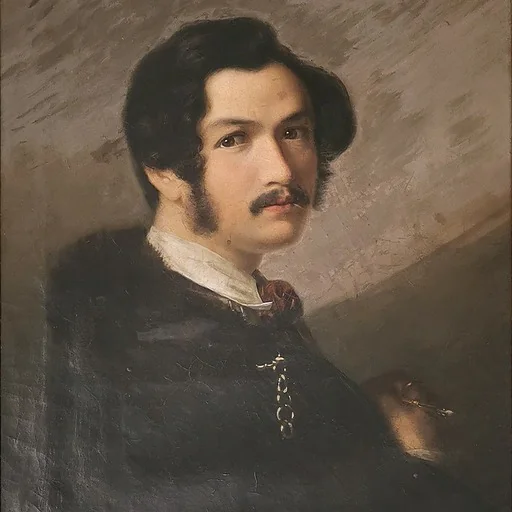
Johann Caspar Weidenmann (13 October 1805 – 6 June 1850) was a Swiss painter and draughtsman. He was one of the first European artists to travel across Algeria, in 1838 and 1839.

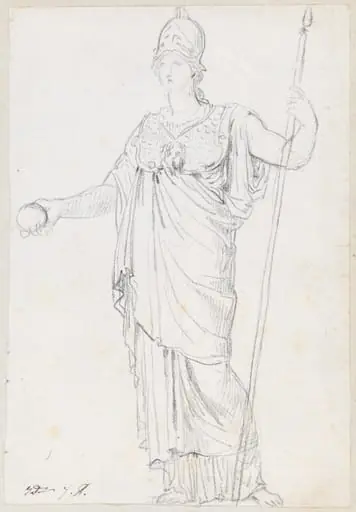 Statue of Minerva
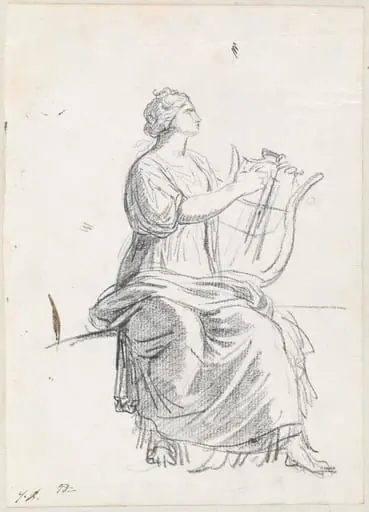 Woman with a Lyre
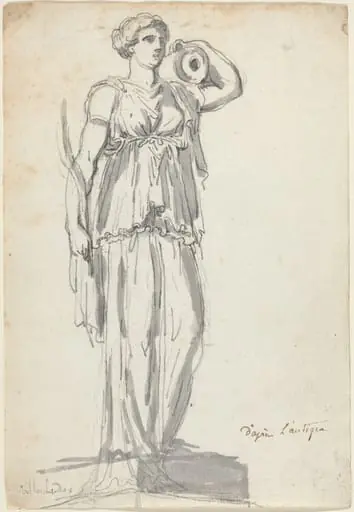 The Ludovisi Water Carrier
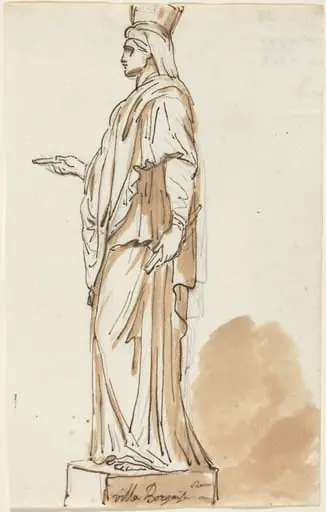 The Borghese Cybele
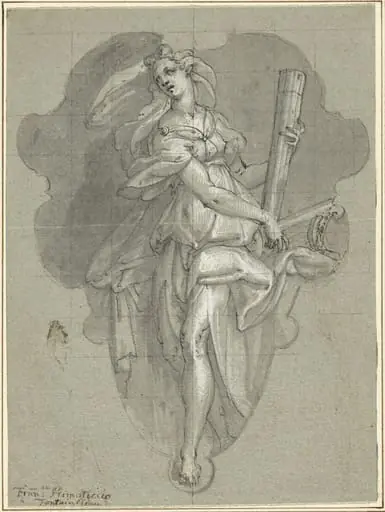 Euterpe (Personification of Music)
![Statue of Abundance [recto], by Hubert Robert](https://artifactworldgallery.com/img/hubert-robert--statue-of-abundance-recto--af10c767ab97b269-w320.webp) Statue of Abundance [recto]
Statue of Abundance [recto]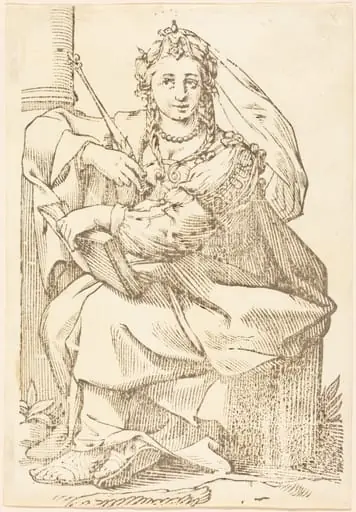 Sibylla Phrygia
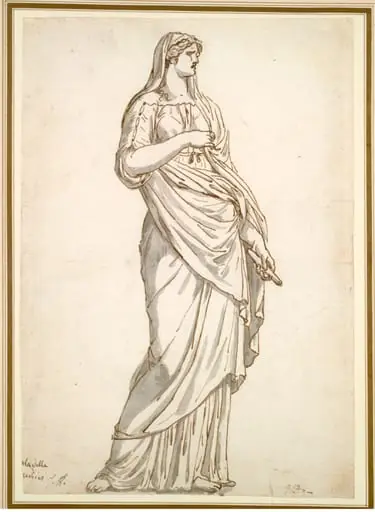 Study of the Sabine Statue from the Villa Medici
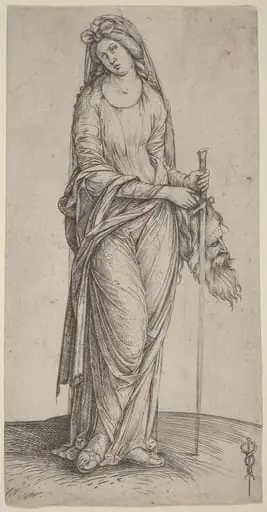 Judith Holding the Head of Holofernes
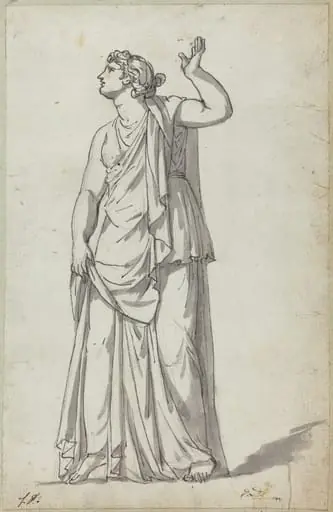 Roman Statue of a Muse (Anchyrrhoe)
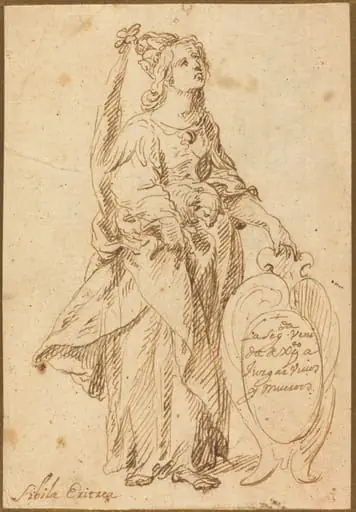 Eritrean Sibyl
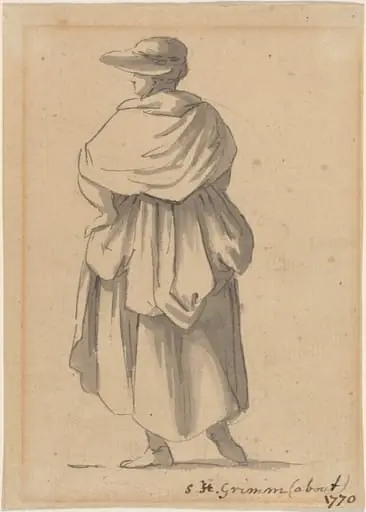 A Peasant Woman