Artwork
Dance of Death IV
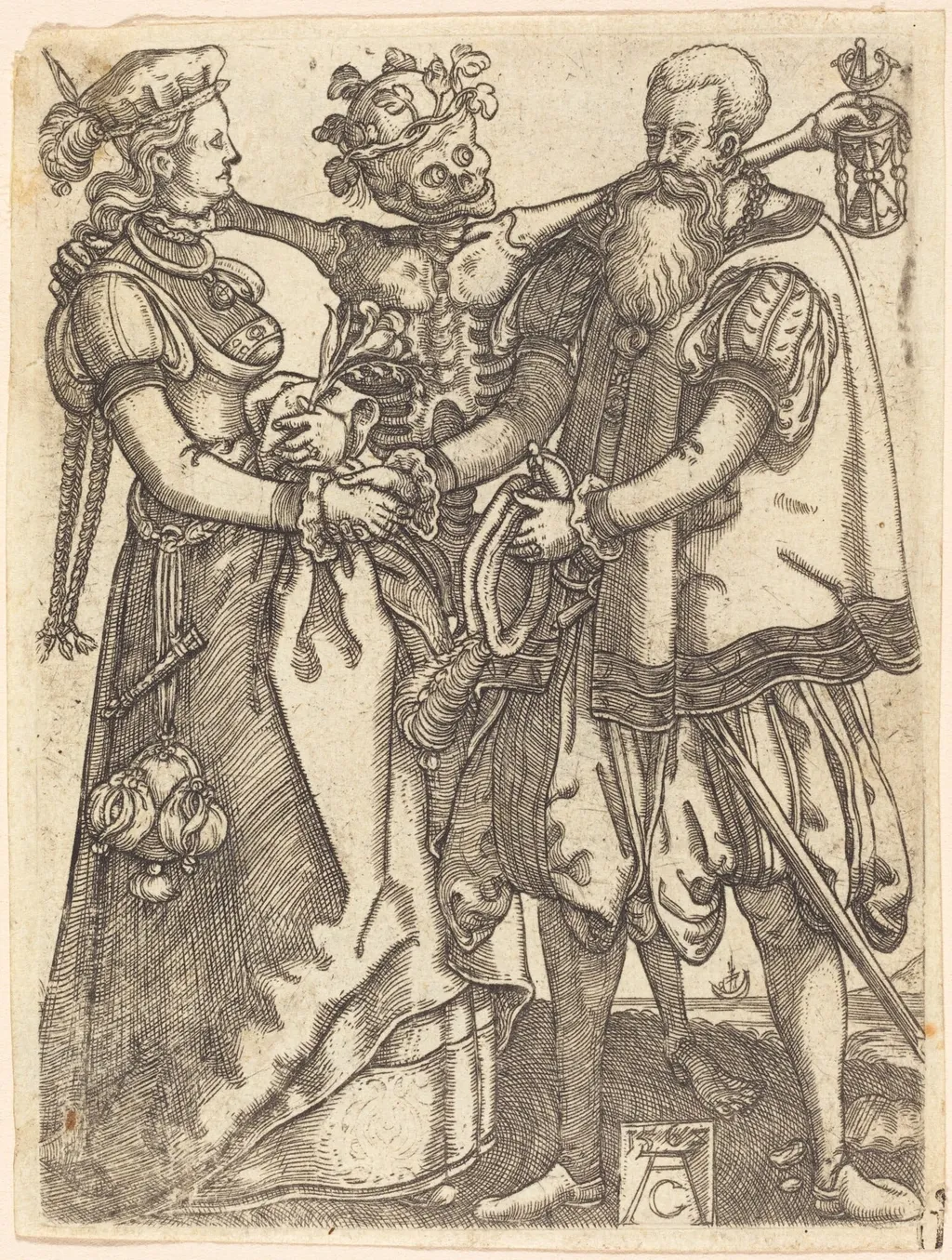
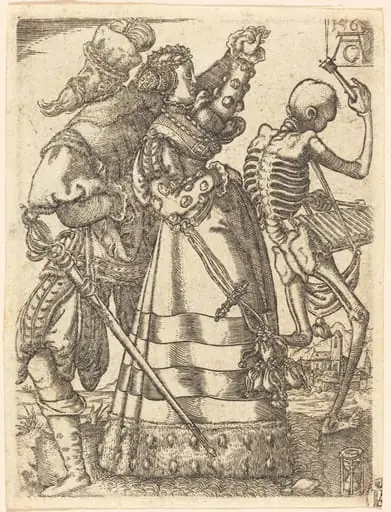
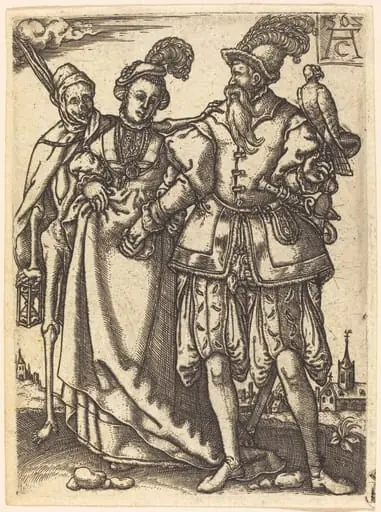
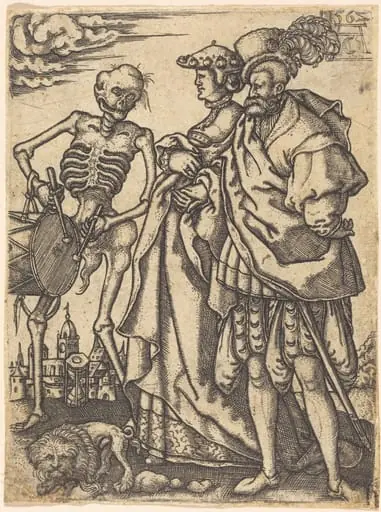
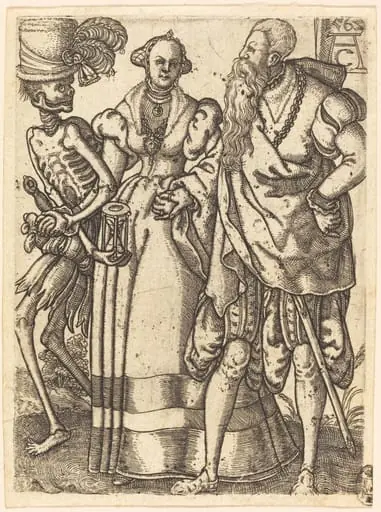
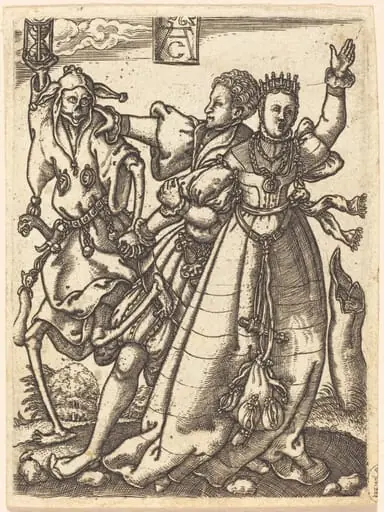
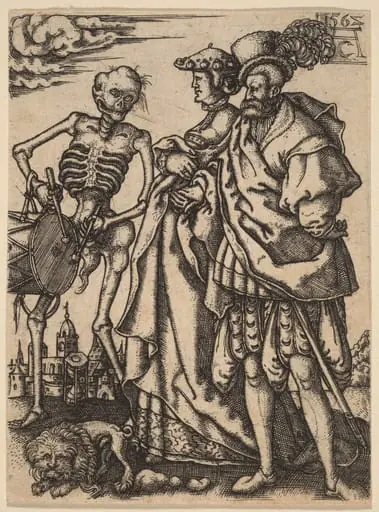
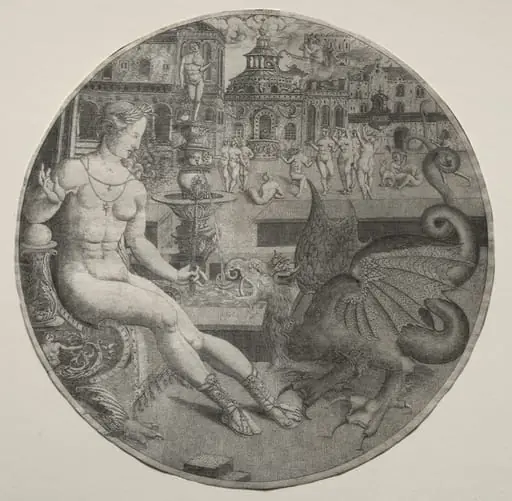
Dance of Death IV is an ink print by the Renaissance artist Allaert Claesz. It is held in the collection of the National Gallery of Art.
About this work
Overview
The work belongs to the Northern Renaissance tradition of moral allegory, using visual metaphor to confront viewers with themes of life, death, and human folly.
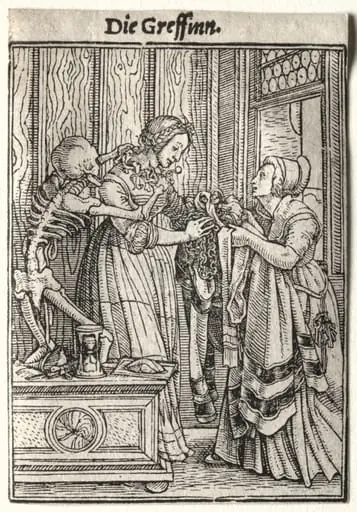
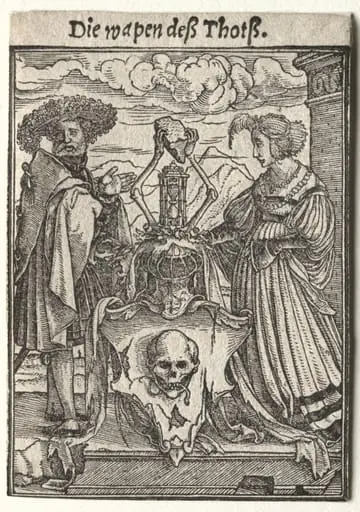
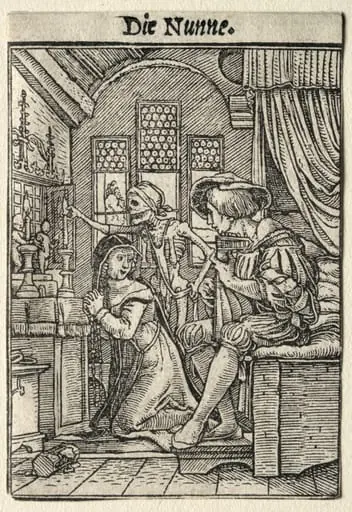
Dance of Death IV is a 1562 engraving by Allaert Claesz, part of a series exploring mortality through symbolic imagery. Unlike traditional depictions of the Dance of Death, this print introduces surreal elements, including a figure with a fish-like head, disrupting conventional iconography. The work belongs to the Northern Renaissance tradition of moral allegory, using visual metaphor to confront viewers with themes of life, death, and human folly.
Subject & Meaning
The composition features a woman holding a sword, a man with a cup, and a hybrid figure with a fish-like head between them. The sword and cup may symbolize violence and indulgence, while the anomalous figure suggests an otherworldly or subconscious force. Together, they form a cryptic allegory on the inevitability of death, possibly critiquing earthly pursuits through unsettling, dreamlike juxtapositions that defy literal interpretation.
Technique & Style
Executed in fine-line engraving, the work displays the precision typical of 16th-century Northern printmaking. Delicate cross-hatching defines textures and shadows, while the compact, crowded composition reflects Renaissance interest in layered symbolism. The stylized figures and unnatural proportions enhance the allegorical tone, prioritizing conceptual clarity over naturalism, a hallmark of moralizing prints of the period.
History & Provenance
Created in 1562, the engraving emerged during a time of religious upheaval and widespread fascination with mortality in the Low Countries. While its early ownership is undocumented, it likely circulated among educated urban audiences familiar with vanitas themes. As part of a larger series, it was reproduced and disseminated through print networks, contributing to the spread of allegorical imagery across Europe.
Context
This print responds to the broader European tradition of the Dance of Death, which emerged after the Black Death and flourished in the late Middle Ages and Renaissance. Claesz’s version diverges by incorporating fantastical elements, possibly influenced by emerging humanist skepticism and the rise of print culture. The fish-headed figure may allude to contemporary folklore or alchemical symbolism, reflecting a period of intellectual experimentation.
Legacy
Though not widely exhibited today, Dance of Death IV remains a notable example of Northern Renaissance printmaking’s capacity for psychological and symbolic complexity. Its surreal imagery anticipates later explorations of the subconscious in art. Scholars continue to reference it in studies of allegory, mortality, and the intersection of visual culture with religious and philosophical thought in early modern Europe.
Artist & collection