Artwork
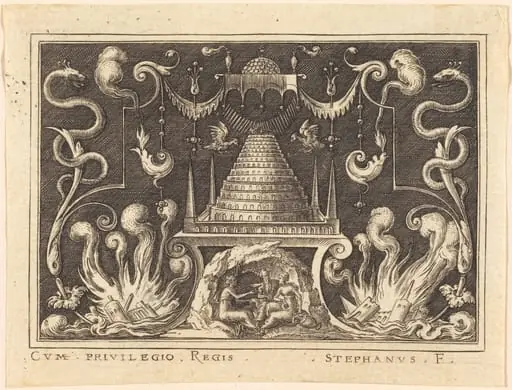
Incest of Loth
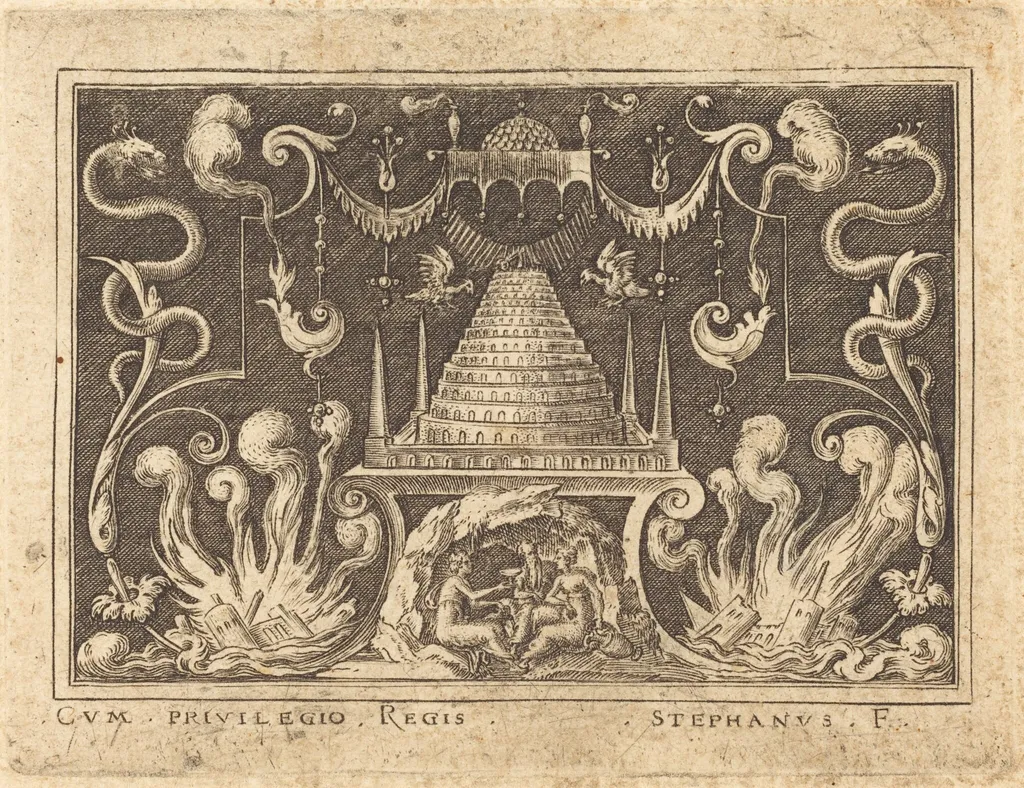
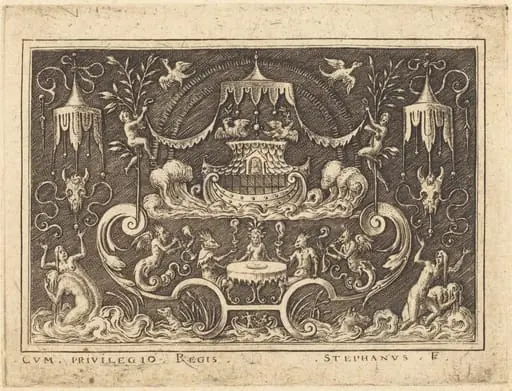
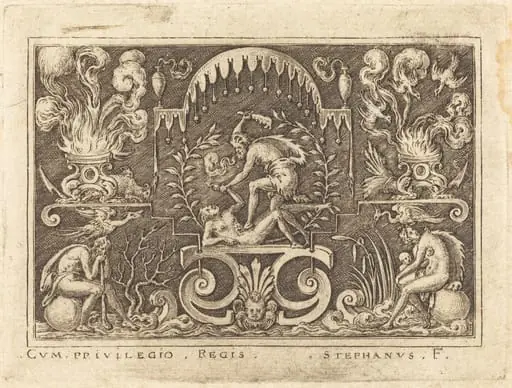
Incest of Loth is an ink print by the Renaissance artist Etienne Delaune. It dates from 1551 and is held in the collection of the National Gallery of Art.
About this work
Overview
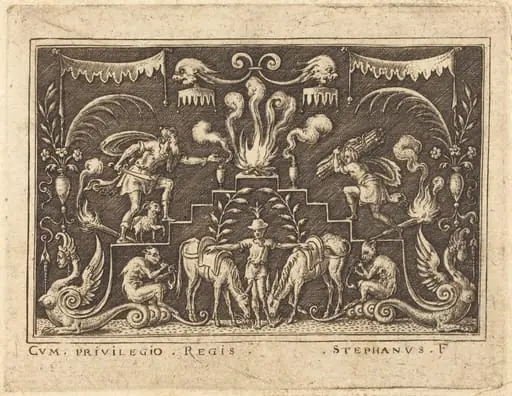
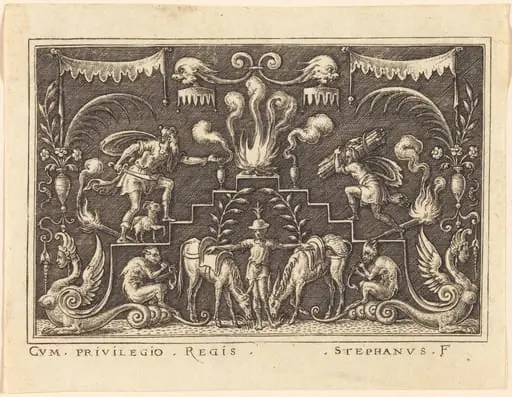
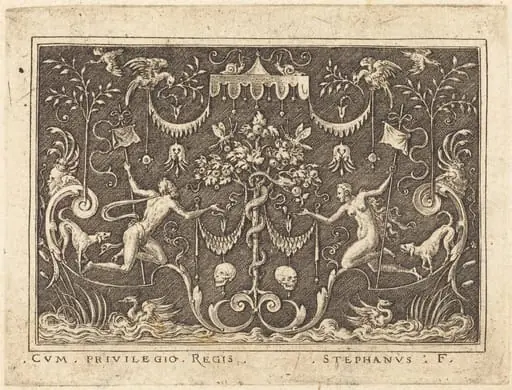
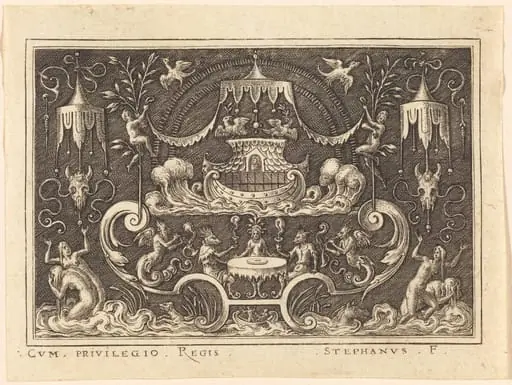
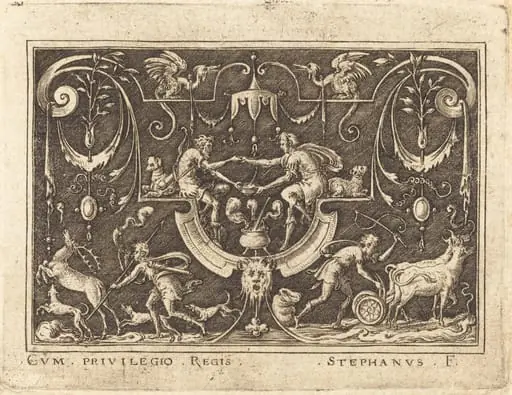
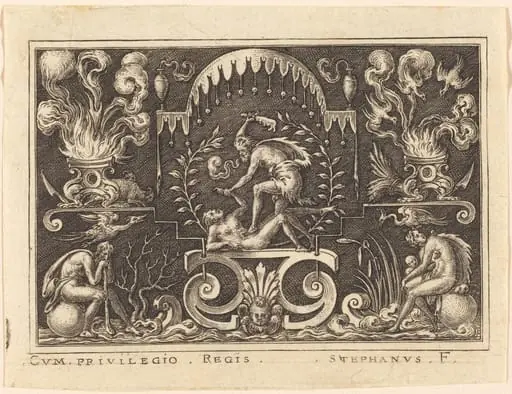
Incest of Loth, a 1551 engraving by Etienne Delaune, presents a complex, allegorical scene in black and white. Central to the composition is a prominent tower, surrounded by clouds and swirling motifs, above a chaotic group of figures. The print's borders are adorned with ornate scrollwork and decorative shapes.
Subject & Meaning
The engraving depicts a morally transgressive family scene, specifically illustrating the biblical story of Lot's incestuous relationship with his daughters. This subject serves as an allegory, conveying a broader moral or philosophical message beyond the literal narrative.
Technique & Style
Delaune employed meticulous line work to achieve depth and shading in the engraving. The use of fine lines and varying textures creates a sense of volume and atmosphere, characteristic of 16th-century engraving techniques.
History & Provenance
Created in 1551, the provenance of Incest of Loth is not detailed here, though it is attributed with certainty to Etienne Delaune, a figure of the Renaissance printmaking scene.
Context
This work reflects the Renaissance interest in biblical themes and allegorical representations. The choice of subject and the decorative elements also speak to the era's aesthetic and moral preoccupations.
Legacy
While specific details on the work's direct influence are not provided, Incest of Loth contributes to the broader legacy of 16th-century engraving, showcasing the medium's capacity for nuanced, morally charged storytelling.
Artist & collection