Artwork
Turkish sultans, sultanas and other historical figures
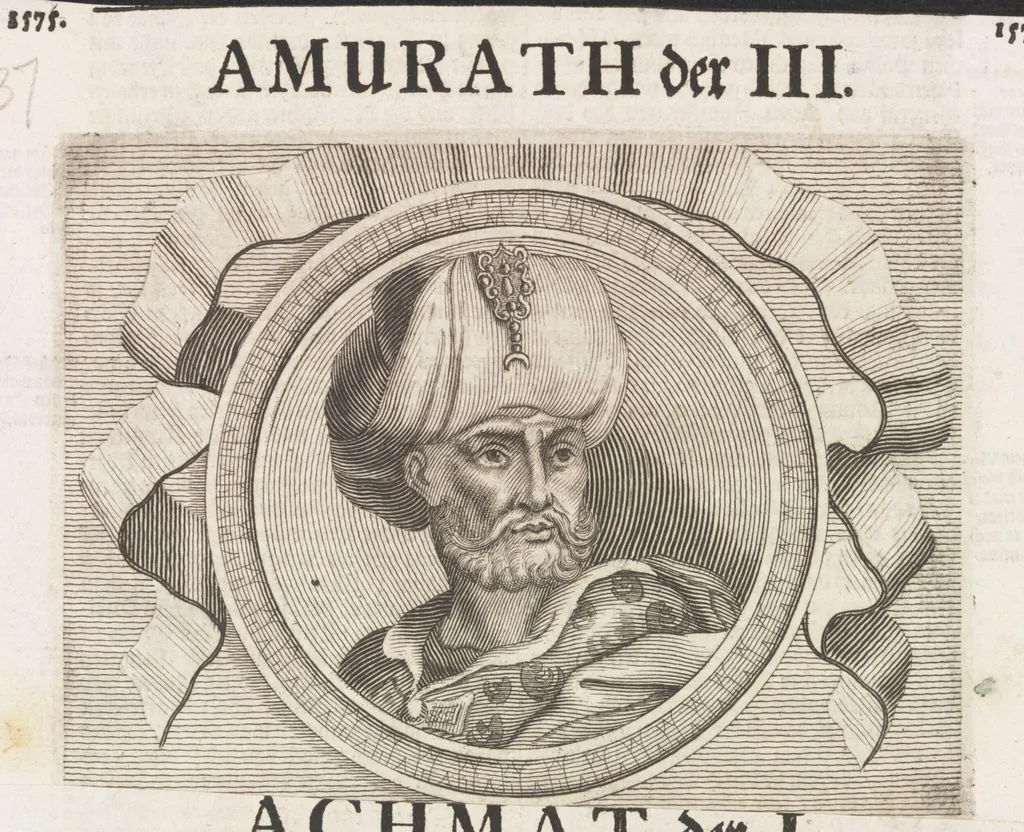
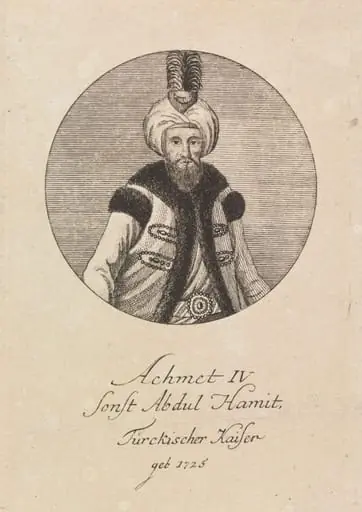
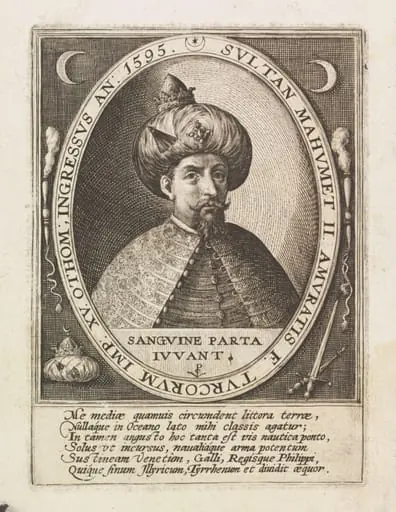
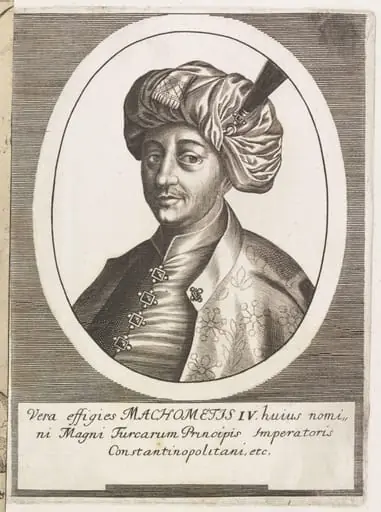
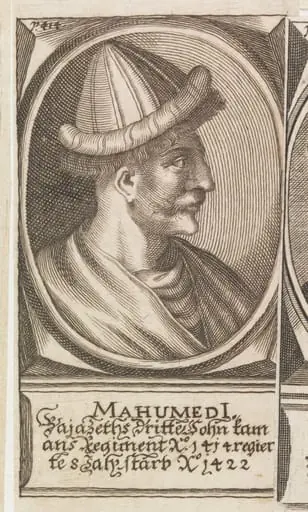
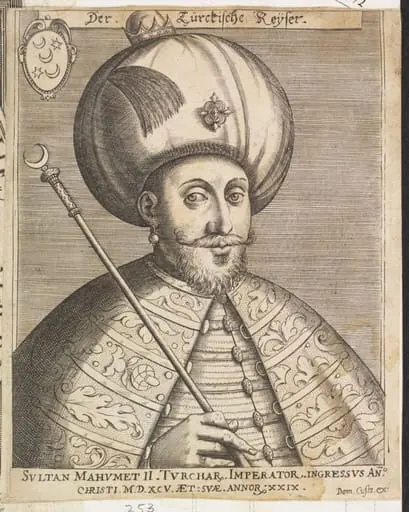
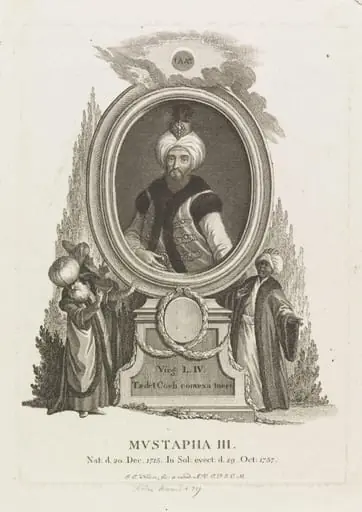
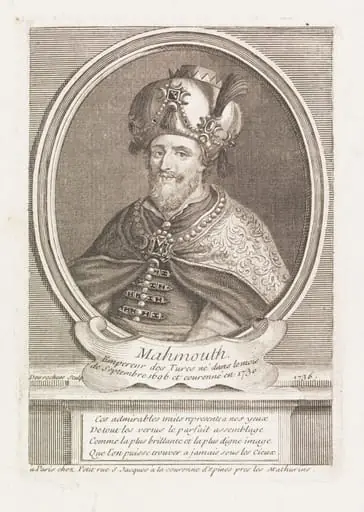
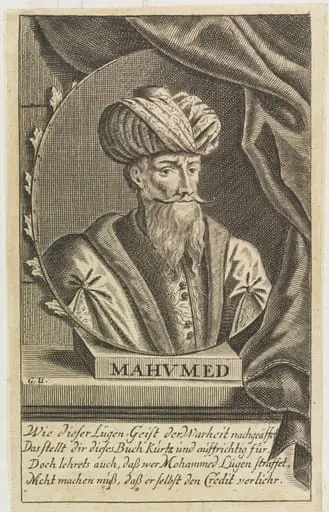
Turkish sultans, sultanas and other historical figures is a print by the Renaissance artist Dominicus Custos. It dates from 1575 and is held in the collection of the Victoria and Albert Museum.
About this work
Overview
The print includes inscriptions: 'Amurath der III' above the figure and 'Anthony' below, indicating a blend of historical and religious subjects.
This 1575 print by Dominicus Custos presents a portrait of Murad III, a Turkish sultan, within a circular frame. The image is rendered in black and white, with the sultan depicted wearing a distinctive tall hat adorned with a feather or tassel. The background is minimalist, featuring curved lines encircling his head. The print includes inscriptions: 'Amurath der III' above the figure and 'Anthony' below, indicating a blend of historical and religious subjects.
Subject & Meaning
The primary subject is Murad III, a Turkish sultan, identified by the inscription 'Amurath der III'. The inclusion of 'Anthony' (likely Anthony the Great, a Christian saint) alongside the sultan suggests the print combines historical and religious figures, a common practice during the Renaissance that reflected the era's intersection of secular and sacred themes.
Technique & Style
Executed as a black-and-white print, the work showcases Custos's use of line work and simple compositional elements. The circular frame and curved background lines create a sense of depth and focus attention on the subject. The style is characteristic of Renaissance printmaking, emphasizing clarity and detail.
History & Provenance
Created in 1575 by Dominicus Custos, a printmaker active during the Renaissance. Specific details about the print's provenance (ownership history) are not provided in the available information.
Context
This print reflects the Renaissance tendency to juxtapose historical figures with religious icons, highlighting the period's complex interplay between secular power and religious influence. The choice of Murad III, a prominent Ottoman ruler, may also indicate European fascination with Turkish culture during this time.
Legacy
As a work by Dominicus Custos, it contributes to the broader legacy of Renaissance printmaking, which played a crucial role in disseminating images and ideas across Europe. The print's blend of subjects also exemplifies the era's thematic diversity in art.
Artist & collection
Artist
Dominicus Custos (1560–1612) was a Flemish artist, printer and copperplate engraver, who worked in the service of Emperor Rudolph II in Prague.

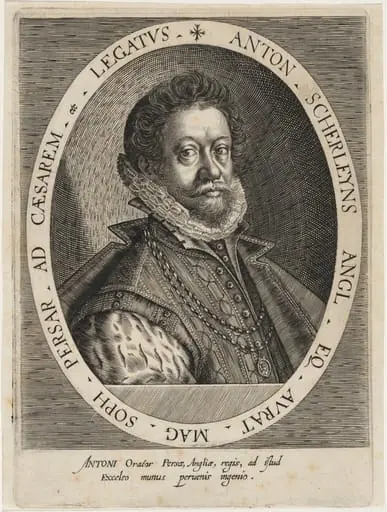
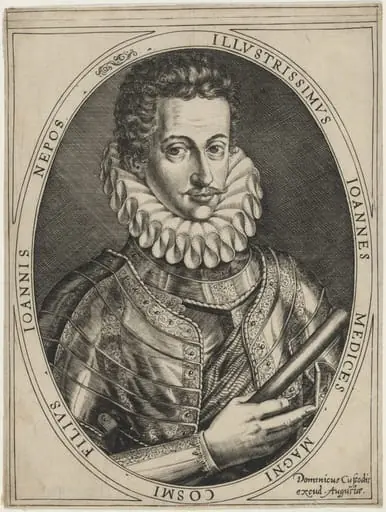
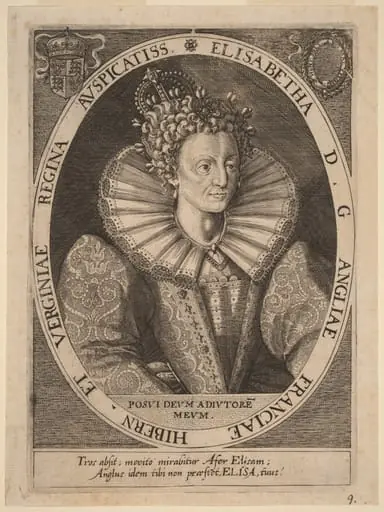
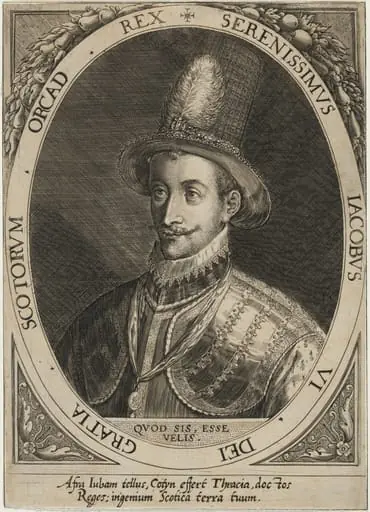
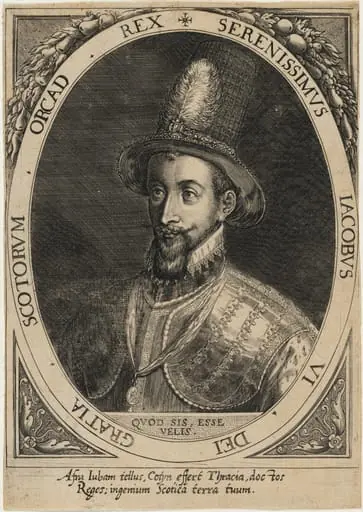
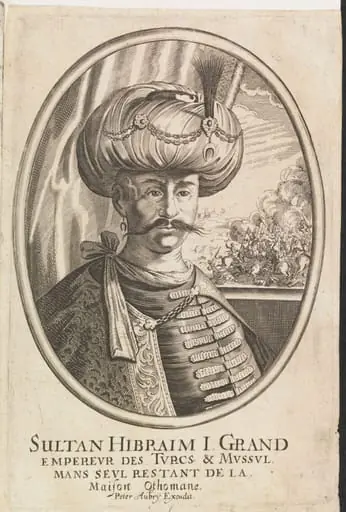 Turkish sultans, sultanas and other historical figures
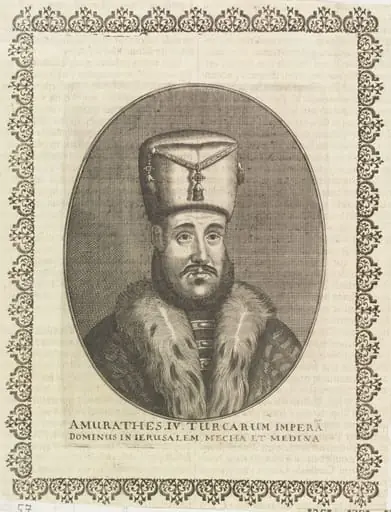 Turkish sultans, sultanas and other historical figures
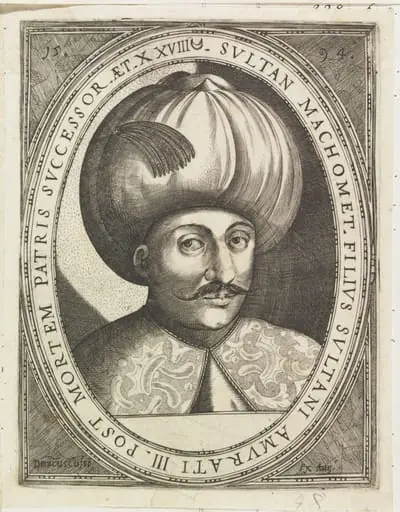 Turkish sultans, sultanas and other historical figures
 Turkish sultans, sultanas and other historical figures
 Turkish sultans, sultanas and other historical figures
 Turkish sultans, sultanas and other historical figures
 Turkish sultans, sultanas and other historical figures
 Turkish sultans, sultanas and other historical figures
 Turkish sultans, sultanas and other historical figures
 Turkish sultans, sultanas and other historical figures
 Turkish sultans, sultanas and other historical figures