Artwork
Pyrotechnia
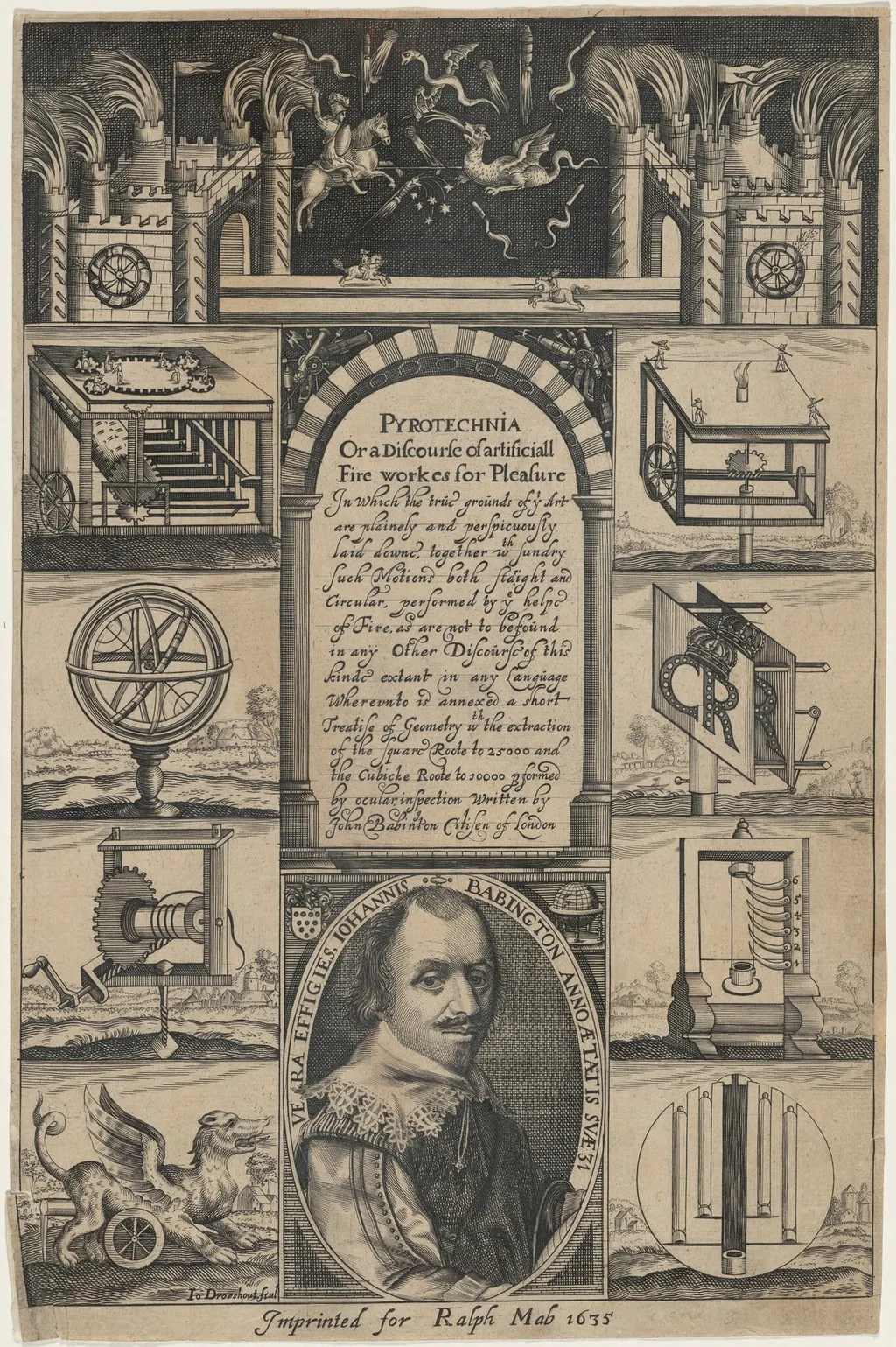
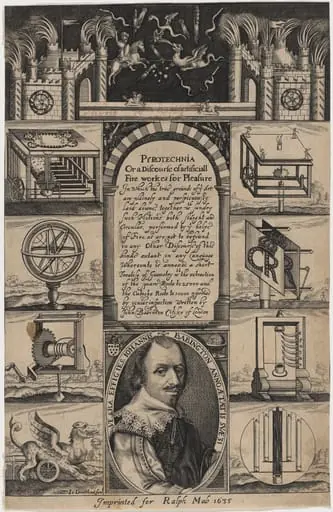
Pyrotechnia is an ink print by the Baroque artist John Droeshout. It dates from 1635 and is held in the collection of the National Gallery of Art.
About this work
Overview
John Droeshout’s 1635 engraving titled *Pyrotechnia* presents a densely populated scene of early modern pyrotechnic devices.
John Droeshout’s 1635 engraving titled *Pyrotechnia* presents a densely populated scene of early modern pyrotechnic devices. Central to the composition is a formally dressed figure, identified as the author John Babington, surrounded by an array of mechanical contraptions—wheels, cages, and rocket‑like sparks—illustrating the construction and operation of fireworks. The upper register depicts a dramatic fireworks display over a fortified structure, while the margins are filled with gears, cannons and fantastical fire‑spitting creatures.
Subject & Meaning
The print functions as a visual companion to Babington’s treatise on fireworks, aiming to demystify the chemistry and engineering behind aerial displays. By placing the scholar‑author at the heart of the image, Droeshout emphasizes the intellectual rigor of the subject, while the surrounding apparatuses convey both the practical mechanics and the spectacle’s theatrical allure.
Technique & Style
Executed in fine line engraving, the work showcases Droeshout’s skill in rendering intricate mechanical detail and dynamic motion. Cross‑hatching creates depth in the metallic surfaces of gears and cannons, while stippled bursts suggest the fleeting nature of sparks. The composition balances dense marginalia with a clear central figure, reflecting the period’s penchant for didactic illustration.
History & Provenance
Created in 1635, the engraving was likely produced to accompany the first edition of Babington’s *Pyrotechnia*, a pioneering English manual on fireworks. Though the original print’s ownership trail is sparse, copies have appeared in several 17th‑century collections of scientific literature and are now held by major European libraries and museums.
Context
*Pyrotechnia* emerges at a time when scientific inquiry and public spectacle intersected in England, with fireworks becoming popular at courtly celebrations and military displays. The engraving reflects contemporary fascination with mechanization and the burgeoning field of chemistry, situating fireworks within a broader discourse on invention and entertainment.
Artist & collection

 Frontispiece
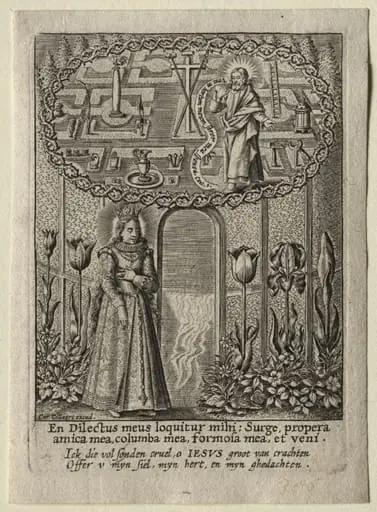 Come into my garden, my sister, my wife
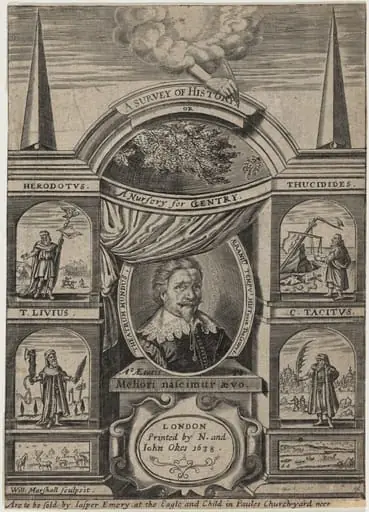 Title page to R. Brathwait, A Survey of History
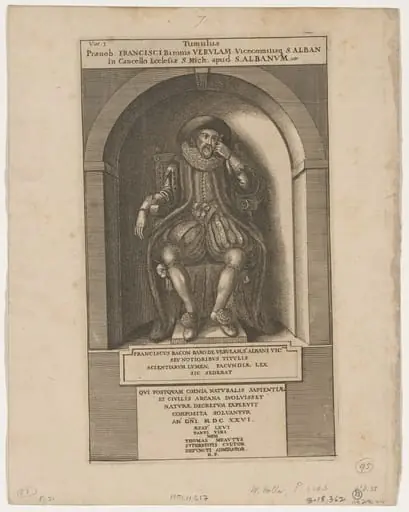 Francis Bacon in a Niche
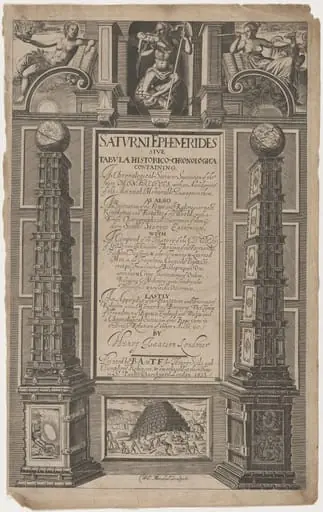 Title Page to Saturne Ephemerides by Henry Isaacson
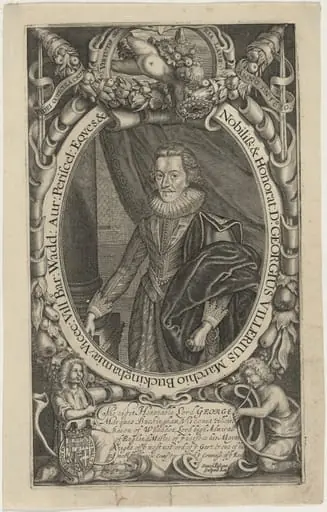 George Villiers, First Duke of Buckingham
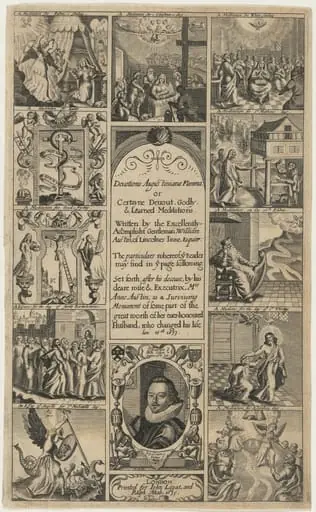 Title Page for Devotionis Augustinianae Flamma, by William Austin
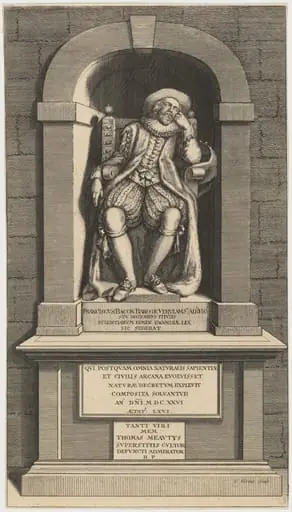 Francis Bacon
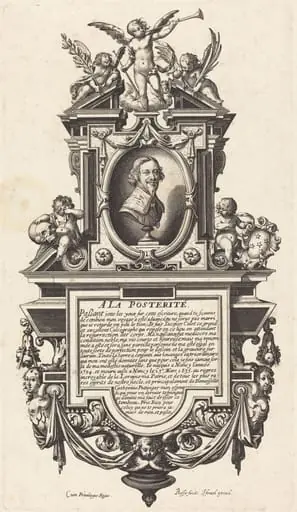 Jacques Callot
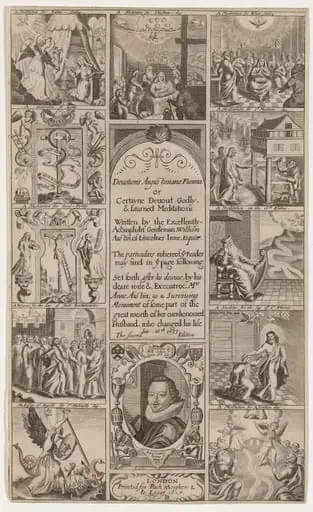 Title Page for Devotionis Augustinianae Flamma, by William Austin
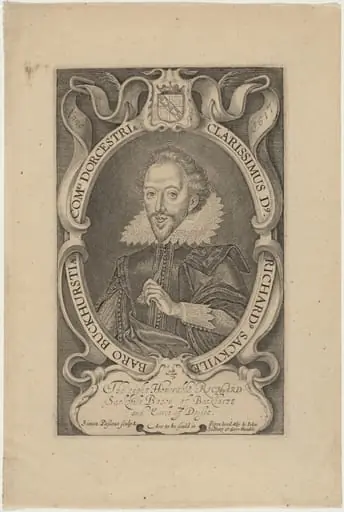 Richard Sackville, Third Earl of Dorset