Artwork
John Babington, Pyrotechnia
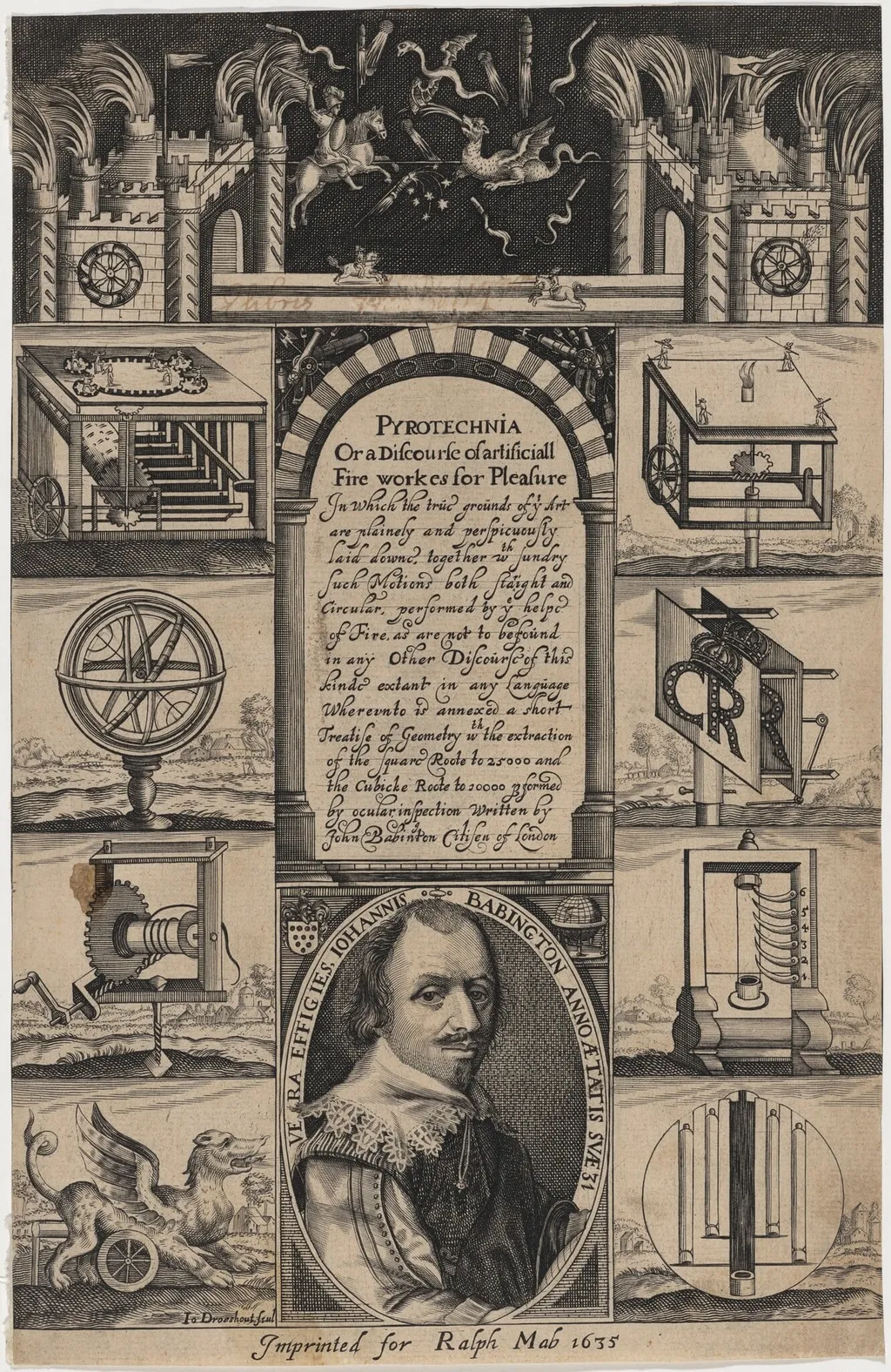
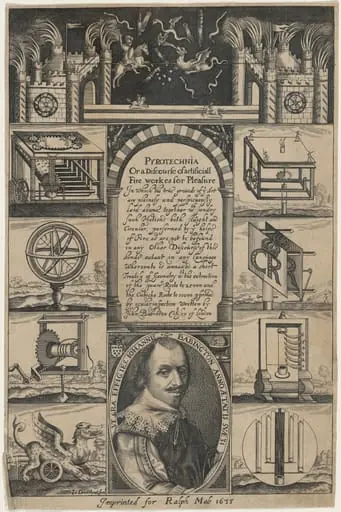
John Babington, Pyrotechnia is an ink print by the Baroque artist John Droeshout. It dates from 1635 and is held in the collection of the National Gallery of Art.
About this work
Overview
Rendered in fine black lines, the image presents a formal portrait of Babington surrounded by intricate pyrotechnic devices.
An engraving by John Droeshout, published in 1635, serves as the frontispiece to John Babington’s treatise on fireworks. Rendered in fine black lines, the image presents a formal portrait of Babington surrounded by intricate pyrotechnic devices. The composition is framed by an ornate arch bearing the title 'Pyrotechnia,' establishing the work as a title page for a technical manual rather than a standalone artwork.
Subject & Meaning
The central figure, John Babington, is depicted with solemn demeanor, embodying the role of an expert in military pyrotechnics. Surrounding him are elaborate machines—rockets, wheels, and launchers—illustrating the technical scope of his manual. The imagery conveys precision and control, aligning the art of fireworks with scientific inquiry and disciplined craftsmanship rather than mere spectacle.
Technique & Style
Executed through meticulous metal engraving, the print features fine, controlled lines that define complex mechanical forms and delicate flame patterns. The high contrast of ink on paper emphasizes texture and depth, with each gear, fuse, and spark rendered in minute detail. The style reflects the precision demanded by technical illustration of the period, prioritizing clarity over decorative flourish.
History & Provenance
Created for Babington’s 1635 publication, the engraving was produced by John Droeshout, known for his work on Shakespeare’s First Folio. As a frontispiece, it was intended to lend authority to Babington’s manual, which detailed fireworks for military and ceremonial use. The print likely circulated among engineers, artillery officers, and courtly patrons interested in early modern explosives technology.
Context
In early 17th-century Europe, fireworks were both military tools and symbols of state power, often used in royal celebrations and sieges. Babington’s manual emerged during a period of increasing interest in applied science and artillery innovation. The engraving’s technical precision reflects broader trends in illustrated scientific texts, where visual accuracy supported practical instruction.
Legacy
Though Babington’s treatise is now obscure, the engraving remains a rare visual record of early modern pyrotechnic engineering. Its detailed depictions offer insight into the design and deployment of fireworks before the advent of photography. As a specimen of technical illustration, it exemplifies the fusion of art and science in pre-Enlightenment Europe.
Artist & collection

 Samuel David
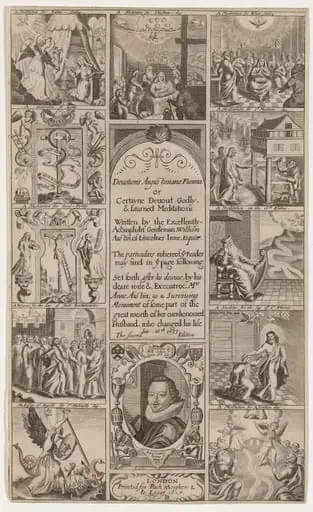 Title Page for Devotionis Augustinianae Flamma, by William Austin
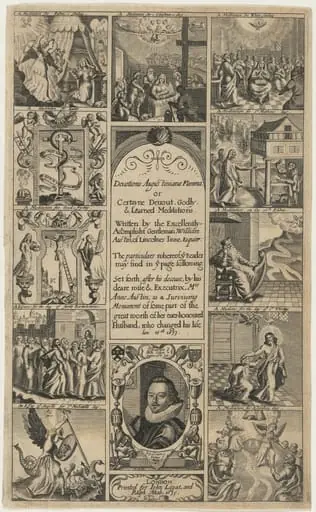 Title Page for Devotionis Augustinianae Flamma, by William Austin
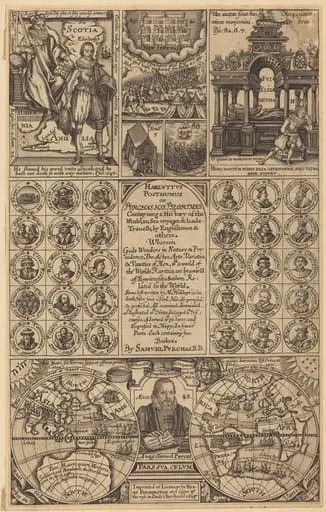 Frontispiece
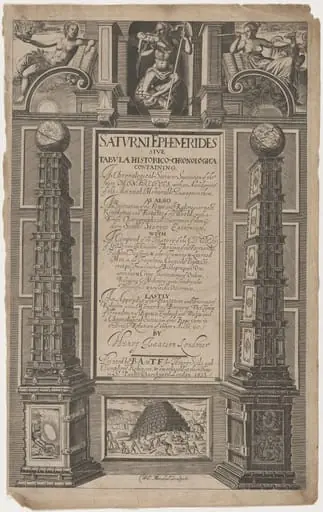 Title Page to Saturne Ephemerides by Henry Isaacson
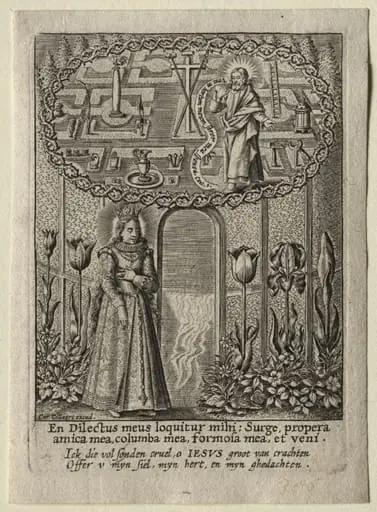 Come into my garden, my sister, my wife
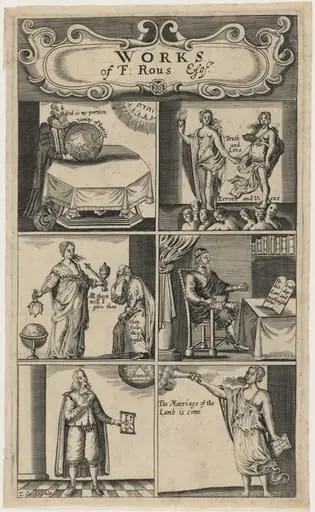 Title Page to F. Rous' Works
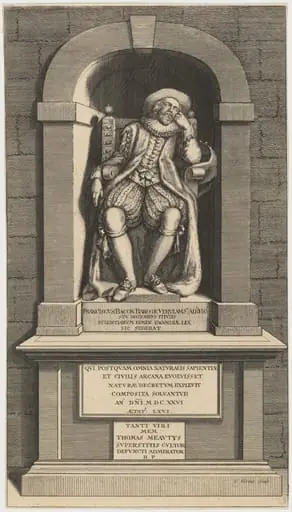 Francis Bacon
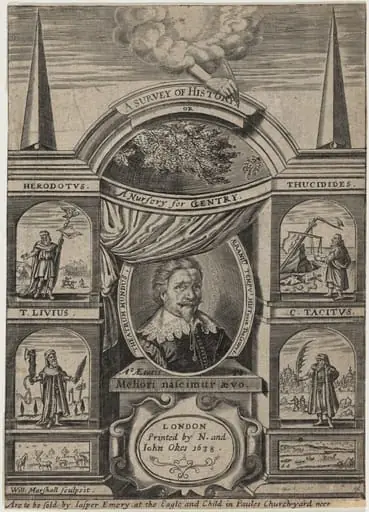 Title page to R. Brathwait, A Survey of History
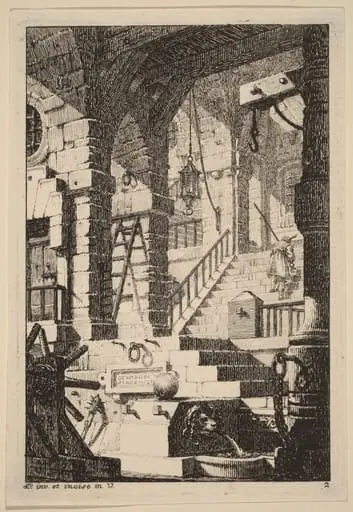 Fantasy of an Antique Prison
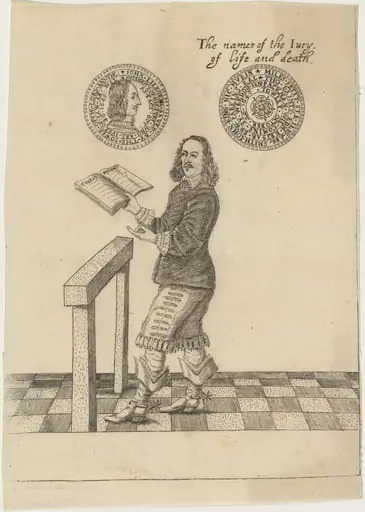 Colonel John Lilburne