Artwork
Piramides Aegypti (The Pyramids of Egypt)
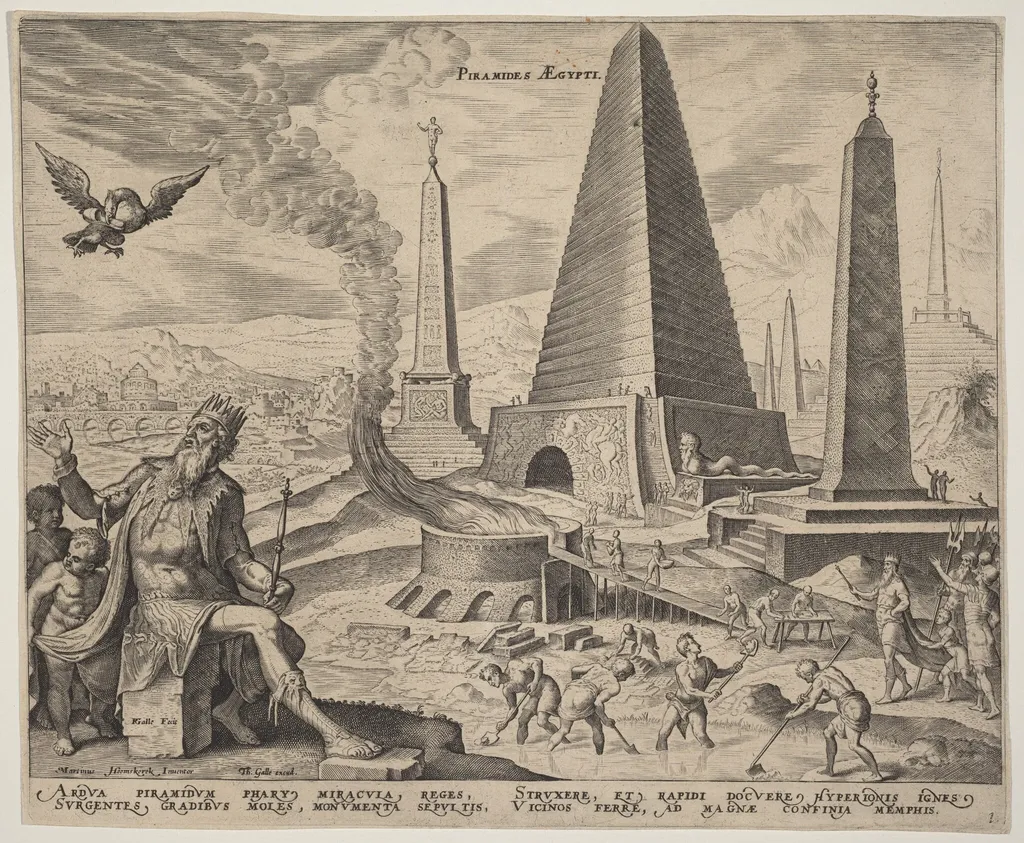
Piramides Aegypti (The Pyramids of Egypt) is an ink print by the Renaissance artist Philip Galle. It dates from 1572 and is held in the collection of the National Gallery of Art.
About this work
Overview
Produced during the Northern Renaissance, the work reflects the period’s emphasis on detailed graphic reproduction and the circulation of classical themes.
Philip Galle’s 1572 engraving *Piramides Aegypti* is a reproductive print based on an earlier design, illustrating his role as a publisher and engraver in Antwerp. Produced during the Northern Renaissance, the work reflects the period’s emphasis on detailed graphic reproduction and the circulation of classical themes. Galle’s workshop helped disseminate such imagery across Europe, making historical and architectural subjects accessible beyond original paintings or manuscripts.
Subject & Meaning
The scene depicts the Egyptian pyramids surrounded by laborers transporting stone, climbers ascending the structures, and a winged figure pointing skyward—an allegorical presence possibly symbolizing divine inspiration or ancient knowledge. An eagle hovers above, reinforcing themes of elevation and observation. The inclusion of obelisks and a distant city situates the pyramids within a broader, imagined ancient landscape, blending historical reference with Renaissance interpretations of antiquity.
Technique & Style
Galle employed fine, controlled lines typical of Northern Renaissance engraving to model form and depth. Shadows are rendered through dense hatching, giving volume to the pyramids and figures. The composition is densely packed, with meticulous attention to architectural detail and human activity. The Latin inscription at the base provides a scholarly framing, aligning the image with humanist traditions that valued textual authority alongside visual representation.
History & Provenance
Created in Antwerp, a major center for print production, the engraving was part of a broader market for illustrated historical subjects. Galle reproduced works by others, often adapting them for wider audiences. While the original design’s author remains uncertain, Galle’s version was widely distributed, appearing in collections and scholarly texts. Its survival in multiple institutional holdings suggests its use as an educational or reference image in early modern Europe.
Context
In the late 16th century, European interest in ancient Egypt grew alongside Renaissance humanism and the rise of antiquarian studies. Though direct knowledge of Egypt was limited, artists and publishers like Galle relied on classical texts and traveler accounts to reconstruct imagined ancient scenes. This engraving reflects a blend of myth, speculation, and emerging archaeological curiosity, shaped more by European ideals than empirical observation.
Legacy
Galle’s *Piramides Aegypti* contributed to the visual vocabulary of Egypt in Western art, influencing later depictions of ancient monuments. Its detailed style became a model for reproductive prints, and its combination of imagery and text set a precedent for illustrated scholarly works. Though not a firsthand record, it remains a significant artifact of how Renaissance Europe interpreted and transmitted knowledge of the ancient world.
Artist & collection
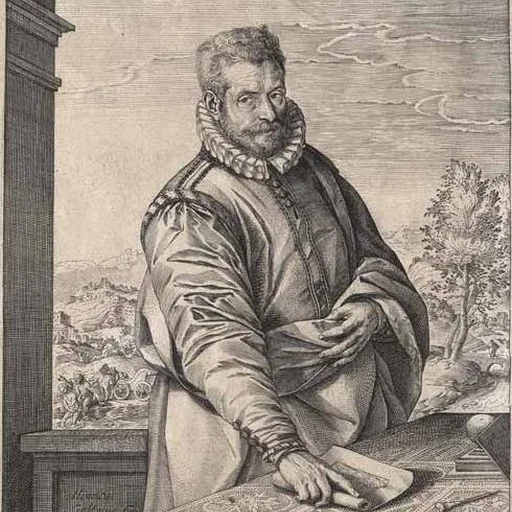
Artist
Philip (or Philips) Galle (1537 – March 1612) was a Dutch publisher, best known for publishing old master prints, which he also produced as designer and engraver. He is especially known for his reproductive engravings of paintings.

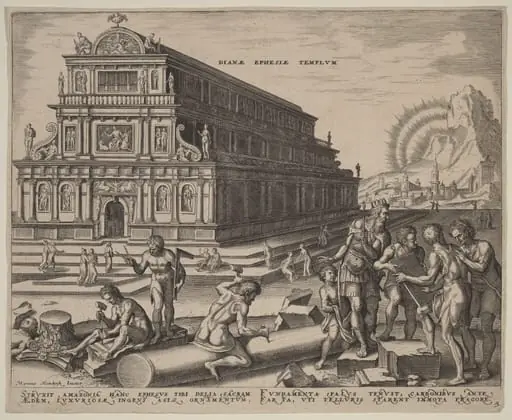 Dianae Ephesiae Templum (The Temple of Diana at Ephesus)
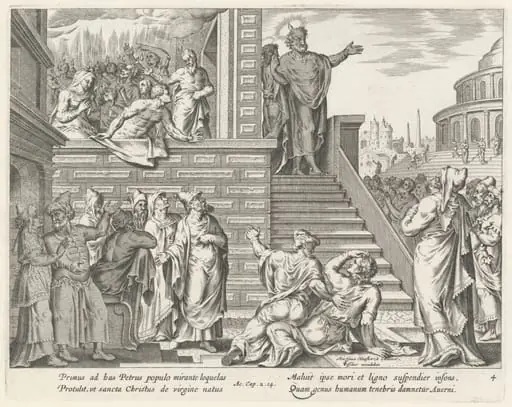 Saint Peter Speaks to the People about Christ
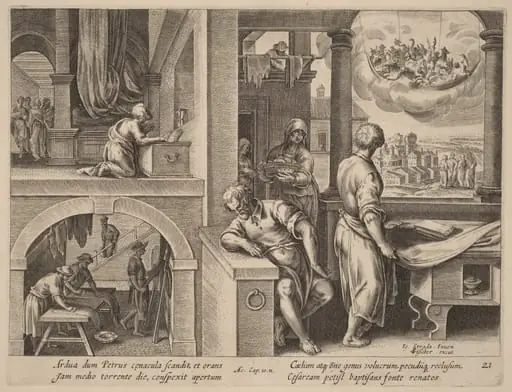 The Vision of Saint Peter
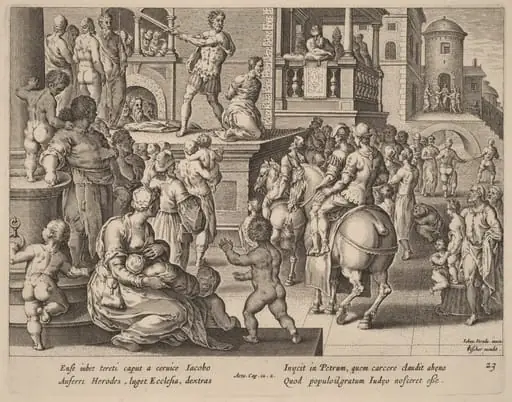 Beheading of Saint James
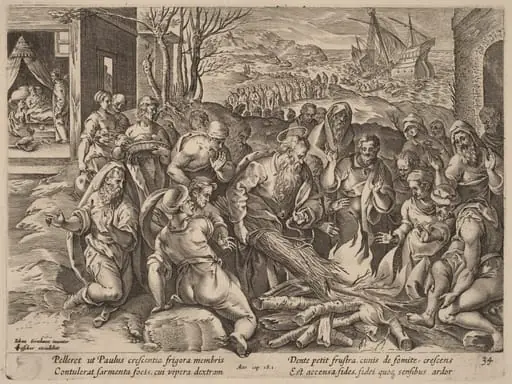 Saint Paul Shipwrecked on the Island of Melita
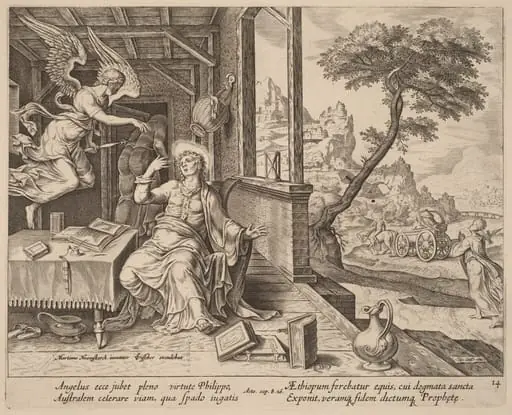 The Angel Orders Saint Philip to Accompany the Ethiopian Eunuch
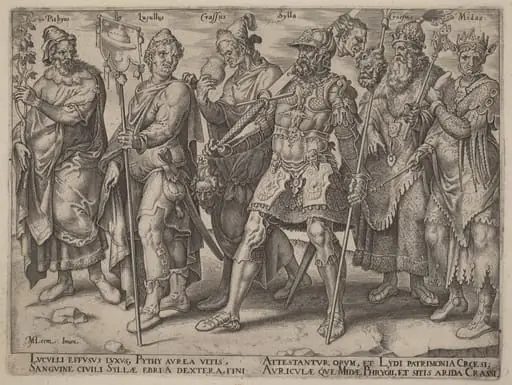 Notorious Examples of Wealth from Antiquity
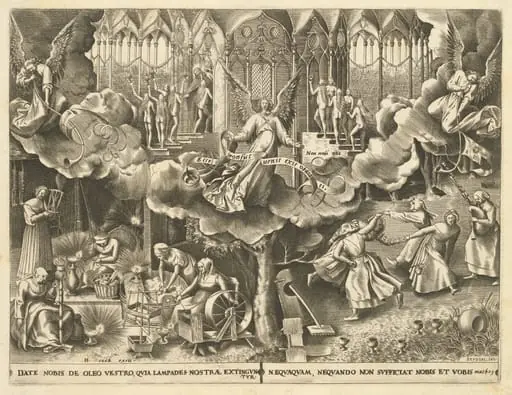 The Parable of the Wise and Foolish Virgins
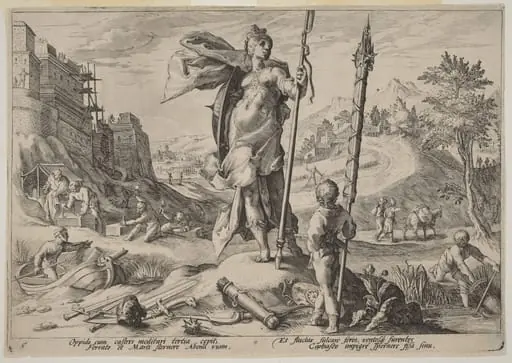 The Age of Bronze
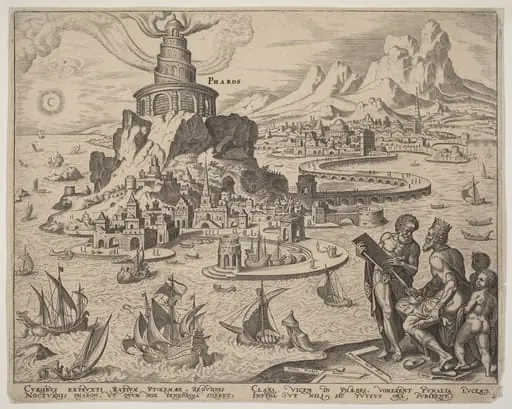 Pharos (The Lighthouse at Alexandria)
 St. Andrew
 Fantastic Townscape with Ruins
 The Destruction of the Temple of Baal and the Slaughter of His Priests
 The Triumph of Fame
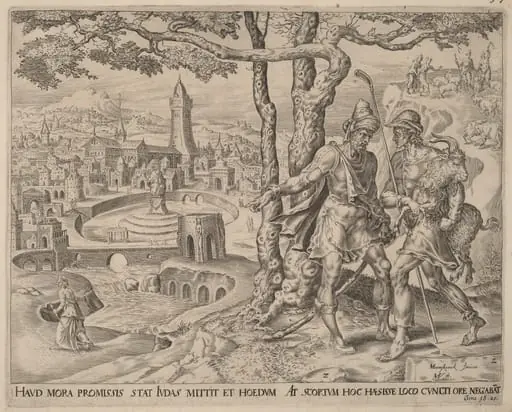 Hirah the Adullamite with the Kid
![The Dioscuri [Frontal View], by Italian 16th Century](https://artifactworldgallery.com/img/italian-16th-century--the-dioscuri-frontal-view--240168a96b76ef0b-w320.webp) The Dioscuri [Frontal View]
The Dioscuri [Frontal View]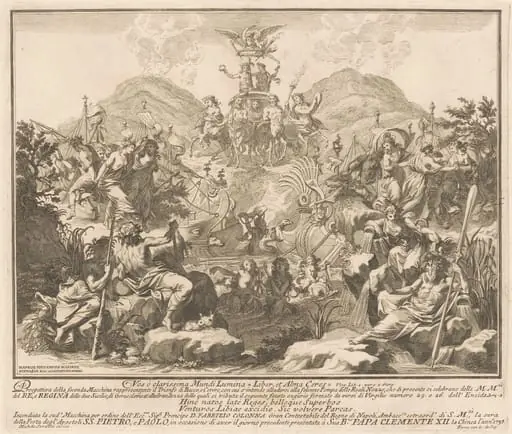 The Seconda Macchina for the Chinea of 1738: The Triumph of Bacchus and Ceres
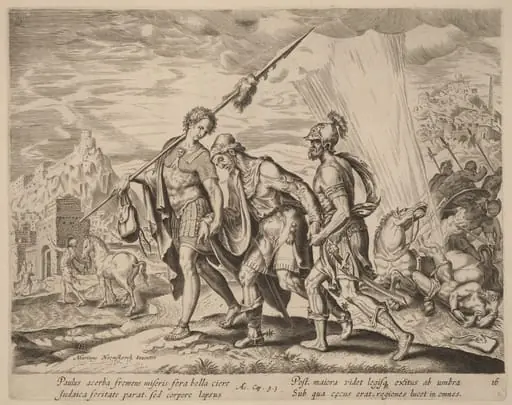 The Conversion of Saint Paul
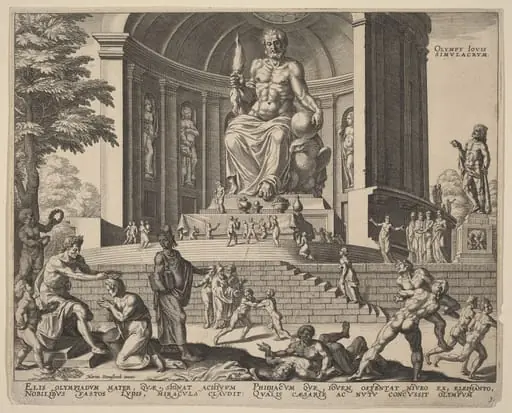 Olympy Iovis Simulacrum (The Statue of Jupiter at Olympia)
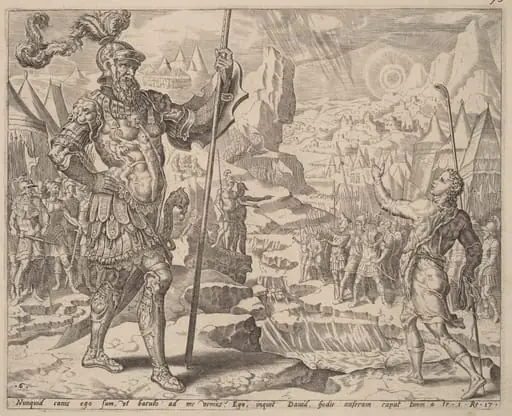 David Meeting Goliath