Artwork
Black-throated Blue Warbler
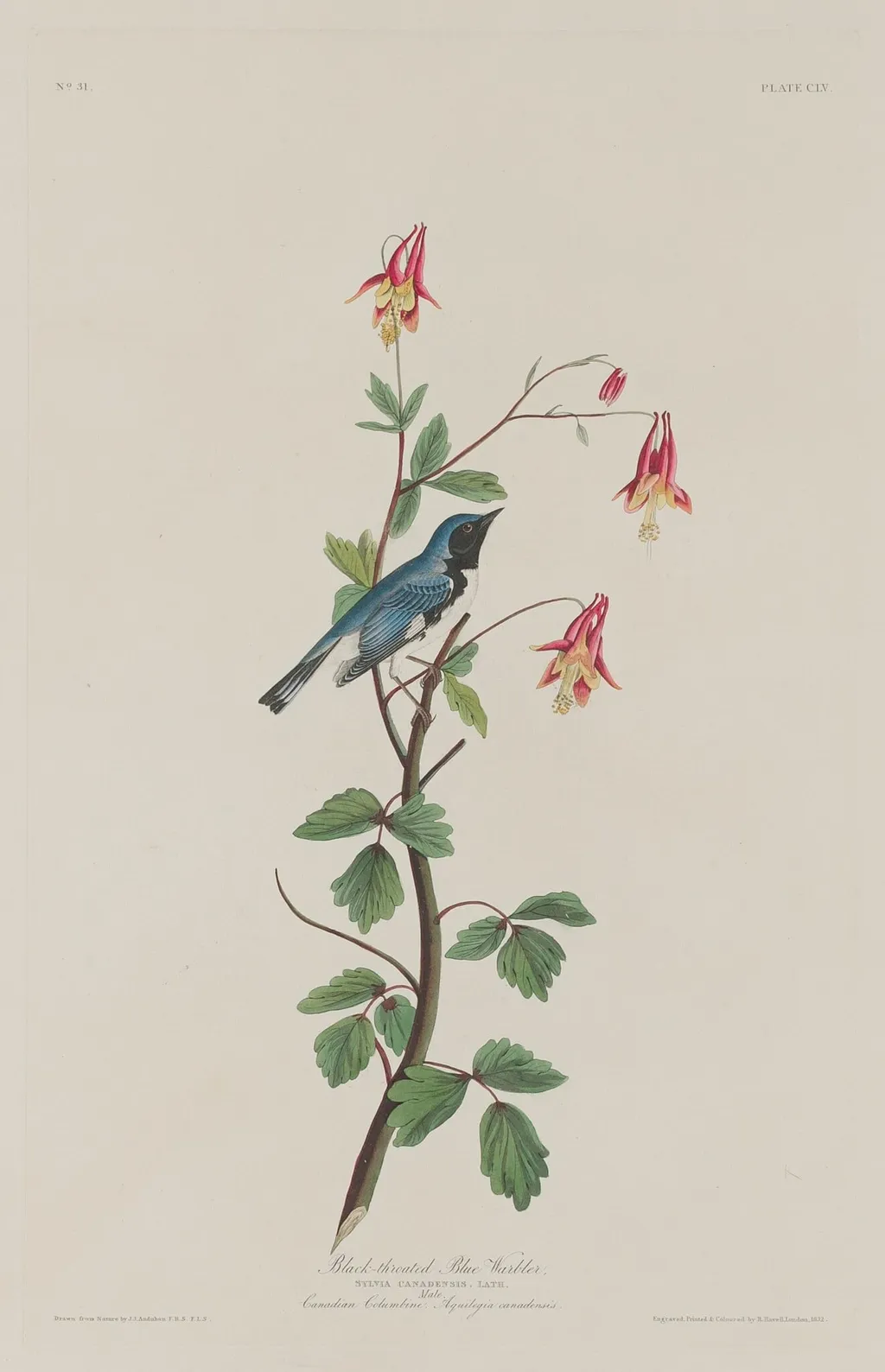
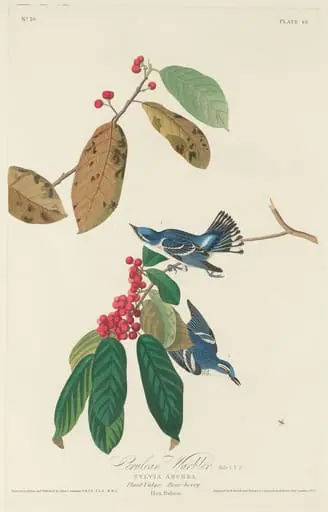
Black-throated Blue Warbler is an ink print by the Romanticist artist Robert Havell Jr.. It dates from 1832 and is held in the collection of the National Gallery of Art.
About this work
Overview
was part of a family of printmakers known for their technical precision and collaboration on major natural history publications.
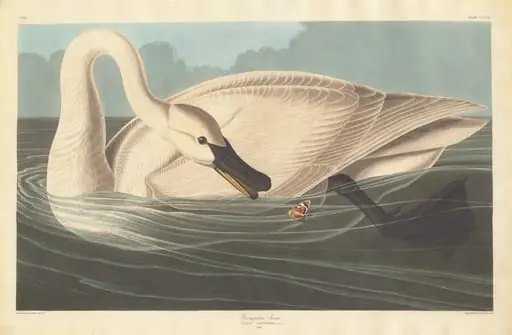
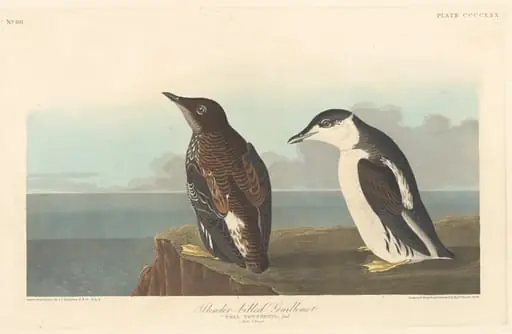
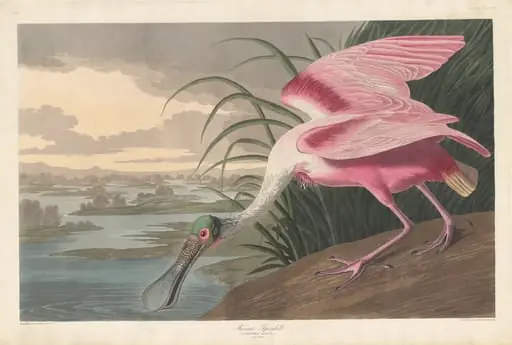
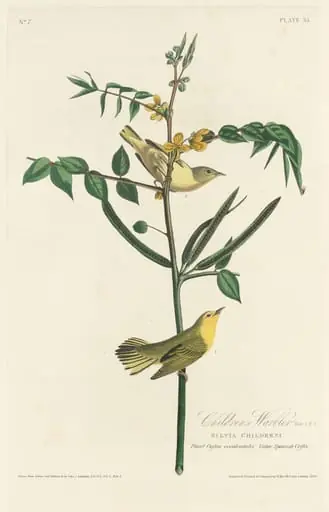
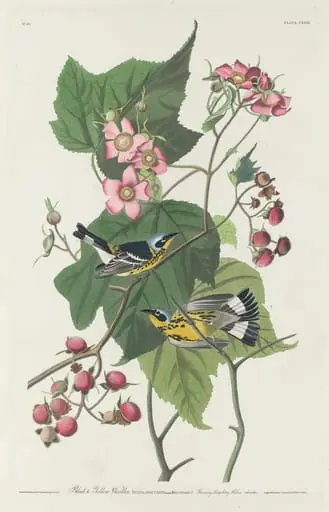
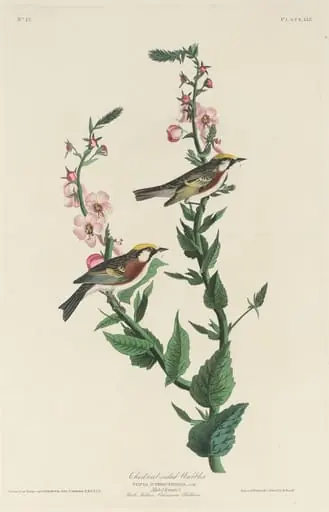
Created in 1832 by Robert Havell Jr., this print is a hand-colored engraving and aquatint on Whatman wove paper. It belongs to a series of ornithological illustrations produced during the early 19th century, when detailed natural history imagery was in demand among scientists and collectors. Havell Jr. was part of a family of printmakers known for their technical precision and collaboration on major natural history publications.
Subject & Meaning
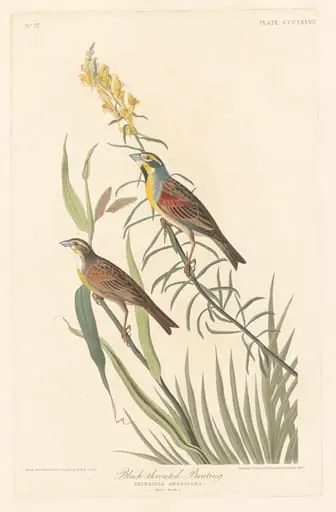
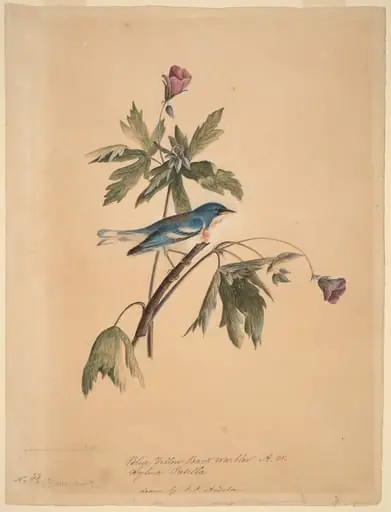
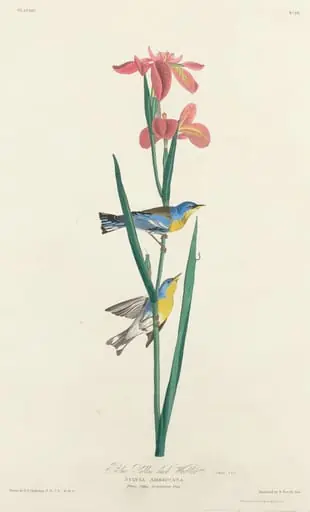
The image portrays a male black-throated blue warbler perched on a branch, its vivid blue plumage contrasting with a dark throat and head. White wing bars and delicate feathers are rendered with care, while red flowers with yellow centers frame the bird. The composition reflects a scientific interest in documenting North American bird species, emphasizing accuracy and naturalistic detail over idealization.
Technique & Style
The bird and foliage were etched into copper plates using engraving and aquatint methods, allowing for fine lines and tonal gradations. Each print was individually hand-colored with water-based pigments, a labor-intensive process that gave each copy unique subtle variations. The precision of feather textures and floral elements reveals a commitment to botanical and zoological fidelity, typical of naturalist illustration of the period.
History & Provenance
Robert Havell Jr. produced this print as part of John James Audubon’s 'The Birds of America,' a landmark project published in parts between 1827 and 1838. Havell Jr. took over engraving duties from his father and uncle, ensuring continuity in quality. The prints were distributed to subscribers across Europe and North America, making them among the most widely circulated natural history images of their time.
Context
In the early 1800s, natural history illustration bridged science and art, as explorers and naturalists sought to catalog the biodiversity of the New World. Audubon’s project, supported by European printmakers like the Havells, combined artistic skill with empirical observation. This print reflects a broader cultural moment when detailed visual records were essential to scientific understanding before photography.
Legacy
Havell Jr.’s prints remain valued for their technical mastery and historical significance in ornithological documentation. Though later replaced by photographic methods, these hand-colored engravings set a standard for accuracy and artistry in natural history imagery. Institutions and collectors continue to preserve them as key artifacts of 19th-century scientific communication.
Artist & collection

Artist
The Havell family of Reading, Berkshire, England, included a number of notable engravers, etchers and painters, as well as writers, publishers, educators, and musicians.