Artwork
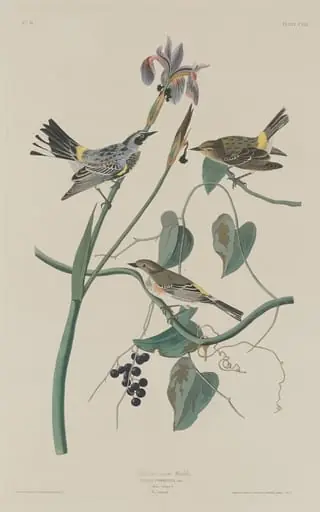
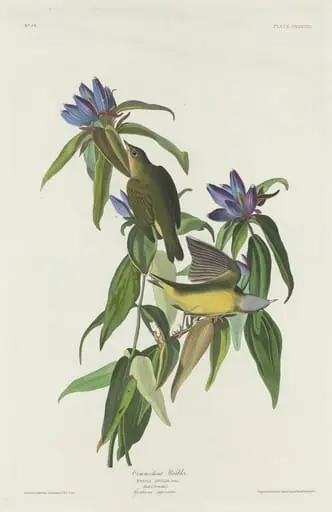
Blue Yellow-backed Warbler
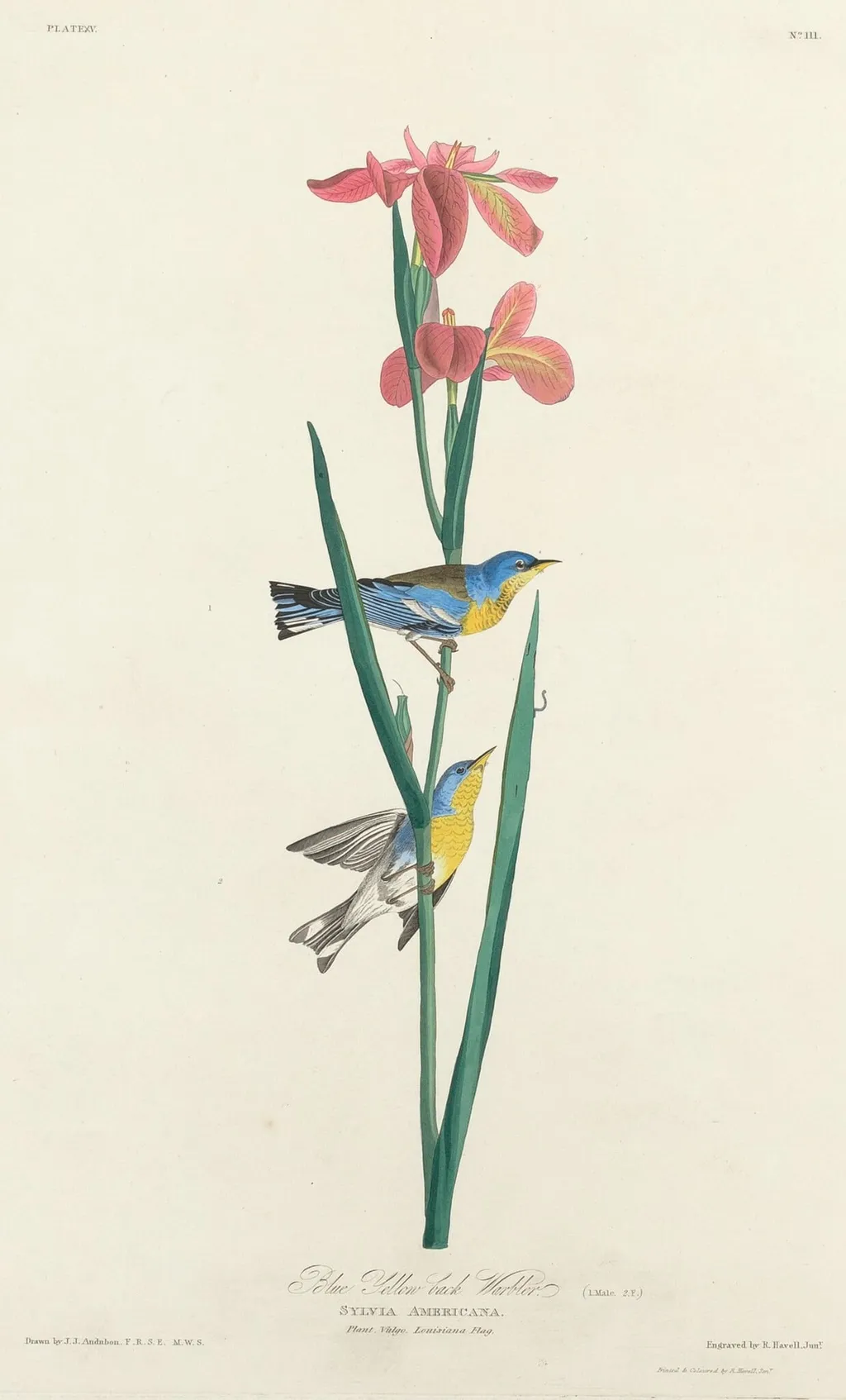
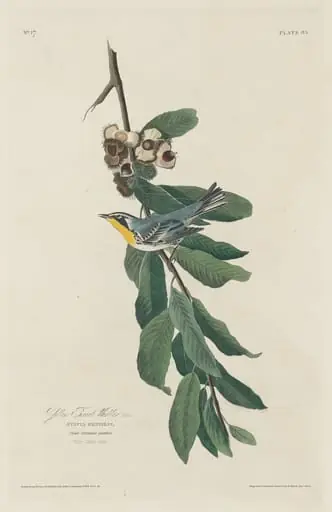
Blue Yellow-backed Warbler is an ink print by the Romanticist artist Robert Havell Jr.. It dates from 1827 and is held in the collection of the National Gallery of Art.
About this work
Overview
Blue Yellow-backed Warbler is a hand-colored engraving and aquatint print created by Robert Havell Jr. in 1827 on Whatman wove paper. It belongs to the ornithological illustration genre.
Subject & Meaning
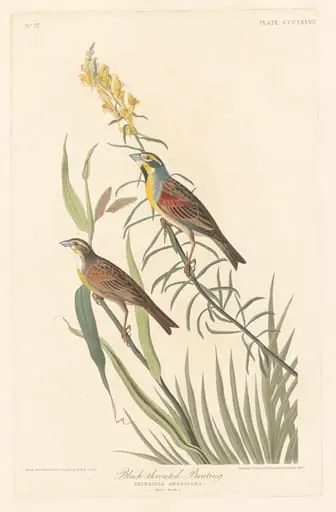
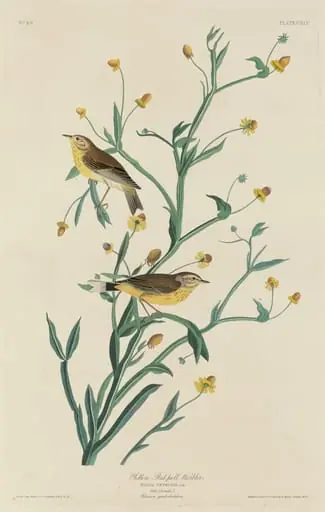
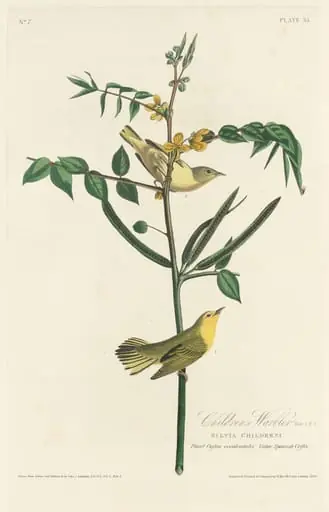
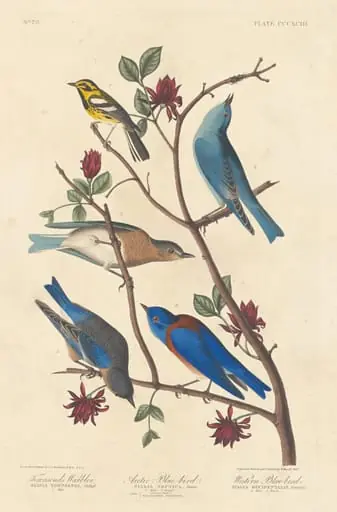
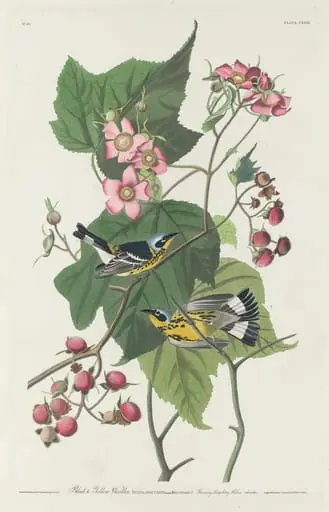
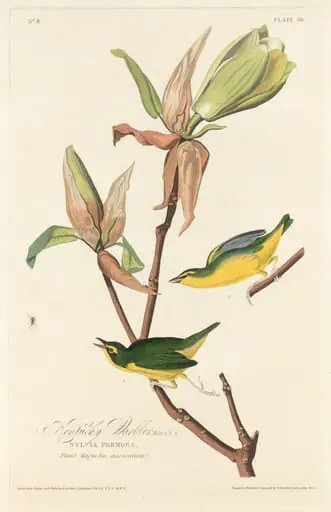
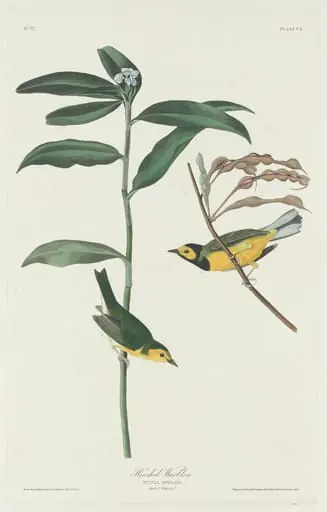
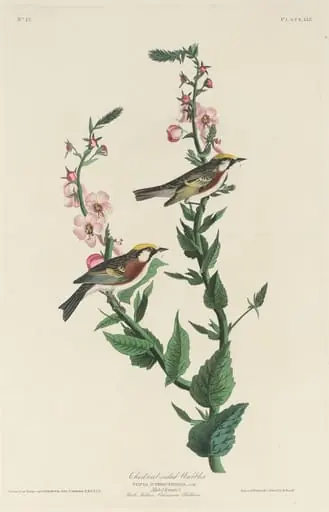
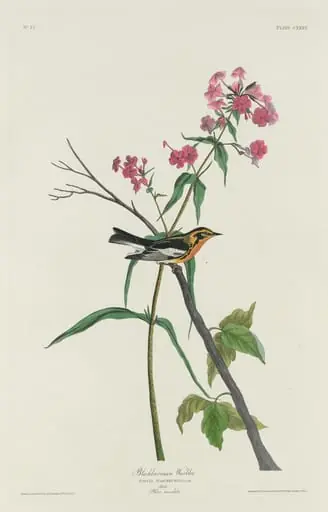
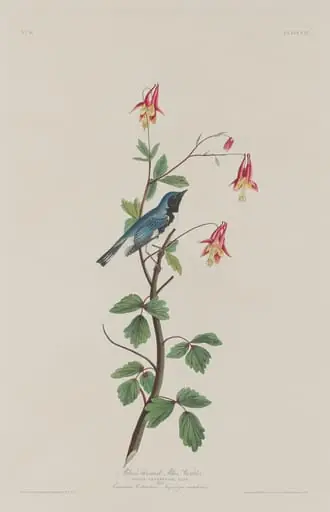
The print depicts two Blue Yellow-backed Warblers in a natural setting, highlighting their distinctive yellow and blue plumage. One bird is stationary, while the other is in flight, showcasing their physical characteristics. The accompanying Louisiana flag iris adds contextual detail.
Technique & Style
Havell Jr. utilized hand-coloring techniques in conjunction with engraving and aquatint to achieve vivid, detailed representations of the birds and flowers against a plain background, emphasizing the subjects' visual appeal.
History & Provenance
Robert Havell Jr., son of Robert Havell the Elder, created this work in 1827. His family was renowned for their engraving and aquatint expertise, with ties to Indian art, though the direct influence of these connections on this piece is not explicitly evident.
Context
This ornithological illustration reflects the early 19th-century interest in natural history and the precise artistic techniques of the time, such as aquatint for subtle color gradations.
Legacy
While specific lasting impacts of *Blue Yellow-backed Warbler* on broader art historical movements are not well-documented, it exemplifies the detailed, colorful nature illustrations characteristic of its era, potentially inspiring later naturalist artists.
Artist & collection

Artist
The Havell family of Reading, Berkshire, England, included a number of notable engravers, etchers and painters, as well as writers, publishers, educators, and musicians.