Artwork
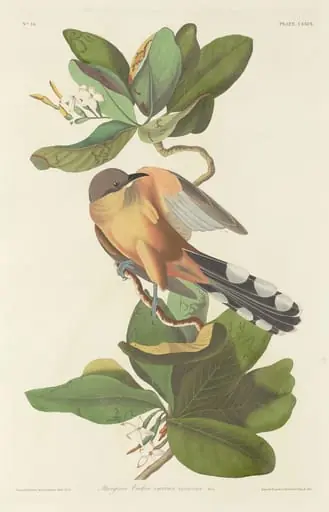
Cedar Bird
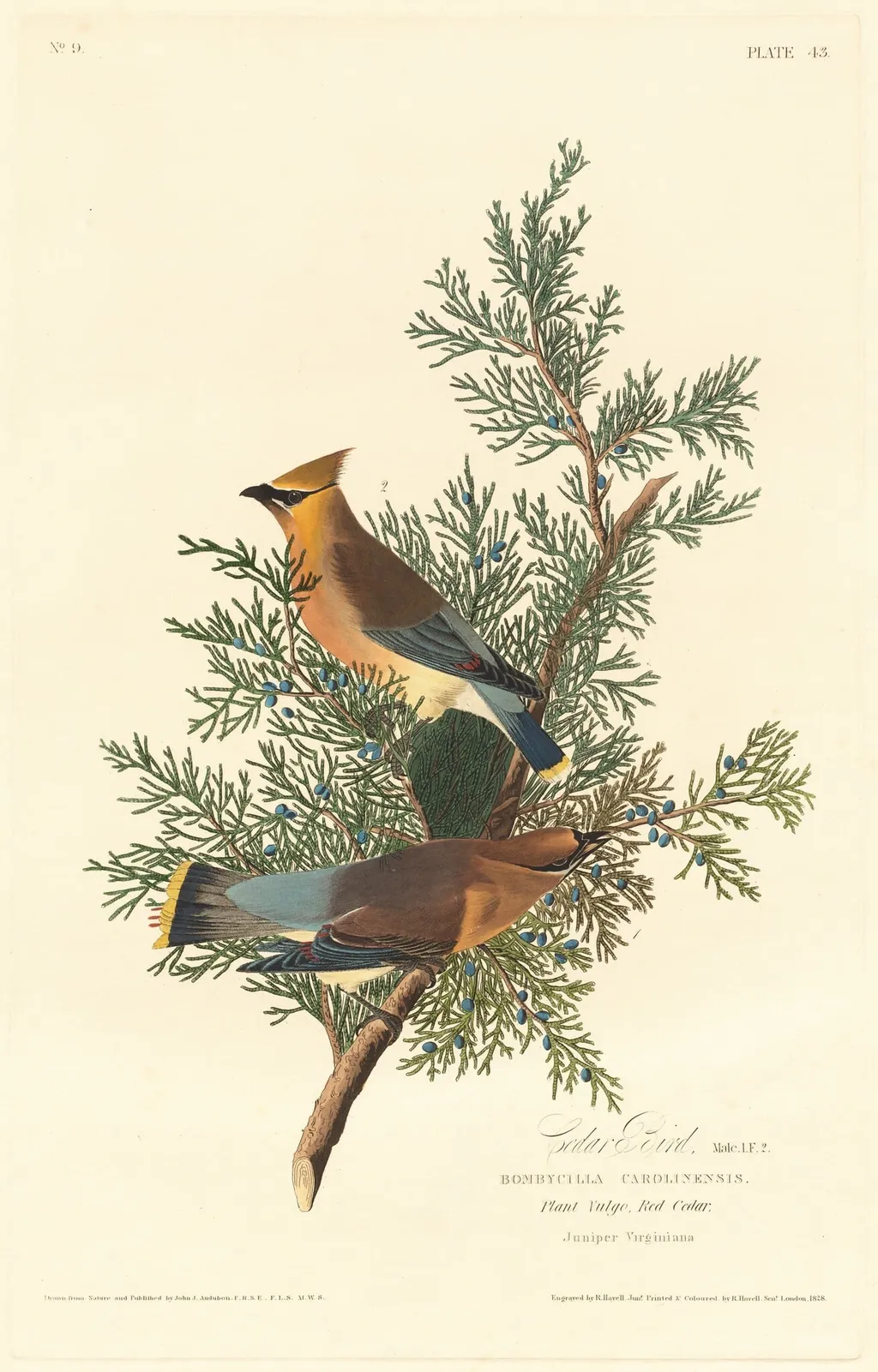
Cedar Bird is an ink print by the Romanticist artist Robert Havell Jr.. It dates from 1828 and is held in the collection of the National Gallery of Art.
About this work
Overview
Cedar Bird is a hand‑colored engraving and aquatint produced in 1828 by Robert Havell Jr. The image is printed on Whatman wove paper, a smooth, high‑quality support favored by printmakers of the period. It presents a quiet natural scene in which two small birds rest on a cedar branch, their vivid plumage set against a muted background.
Subject & Meaning
The composition shows a pair of birds, one yellow‑brown and the other similarly colored, each with black beaks and bluish‑gray wings, positioned opposite one another on a branch laden with leaves and berries. The tranquil setting and balanced arrangement suggest a study of harmony in nature rather than a narrative episode, inviting quiet observation.
Technique & Style
Havell employed a combination of engraving and aquatint, the latter allowing broad, tonal washes that convey the softness of foliage and sky. Hand‑coloring was applied after printing, enhancing the birds’ bright feathers while preserving the delicate tonal gradations characteristic of the Havell workshop’s refined reproductive approach.
History & Provenance
Robert Havell Jr. belonged to a prominent family of engravers from Reading, Berkshire, working alongside his father, Robert Havell the Elder, and his uncle, Luke Havell, both respected for their instructional drawing manuals and print work. The Havells were noted for their expertise in aquatint and for producing images that engaged with Indian artistic motifs, reflecting broader cultural interests of early‑19th‑century Britain.
Artist & collection

Artist
The Havell family of Reading, Berkshire, England, included a number of notable engravers, etchers and painters, as well as writers, publishers, educators, and musicians.

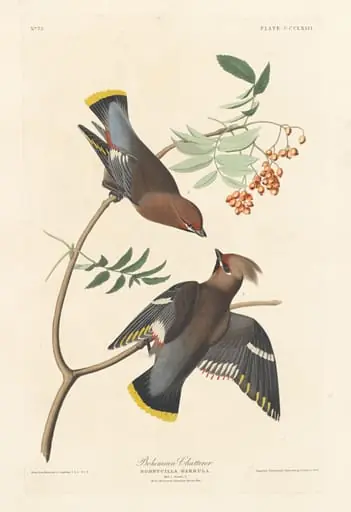 Bohemian Chatterer
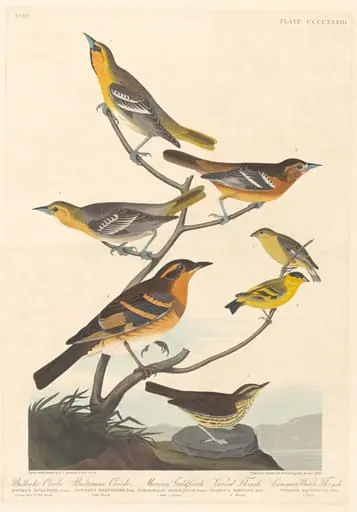 Bullock's Oriole, Baltimore Oriole, Mexican Goldfinch and Varied Thrush
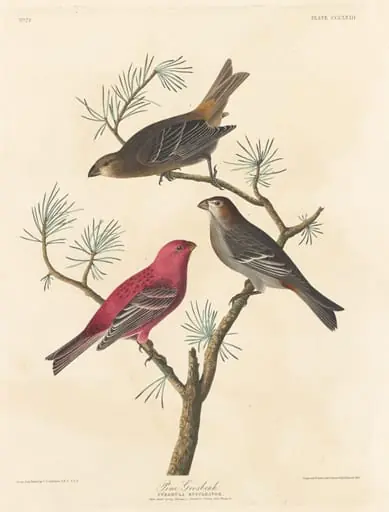 Pine Grosbeak
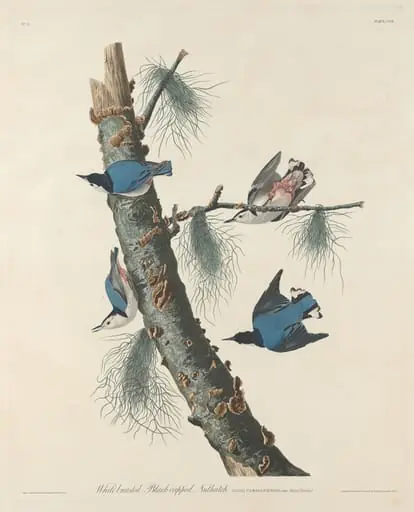 White-breasted Black-capped Nuthatch
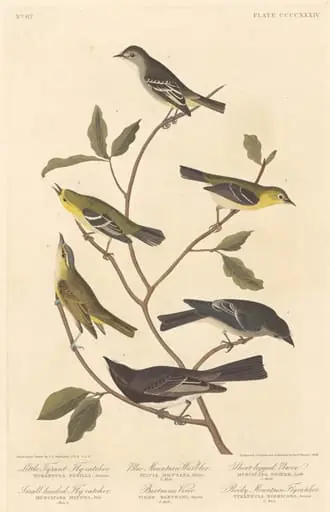 Little Tyrant Flycatcher, Small-Headed Flycatcher, Blue Mountain Warbler, Bartram's Vireo, Short-Legged Pewee, and Rocky Mountain Flycatcher
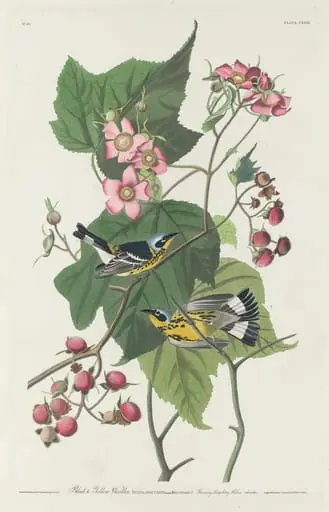 Black and Yellow Warbler
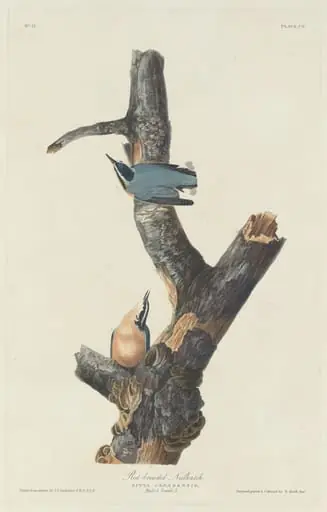 Red-breasted Nuthatch
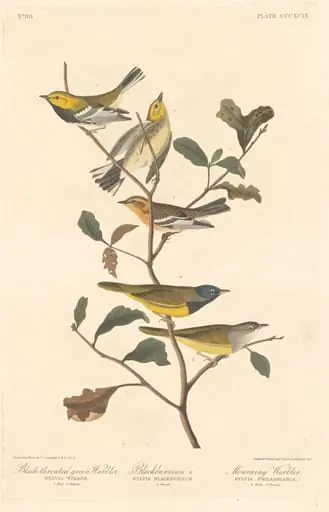 Black-throated Green Warbler, Blackburnian Warbler and Mourning Warbler
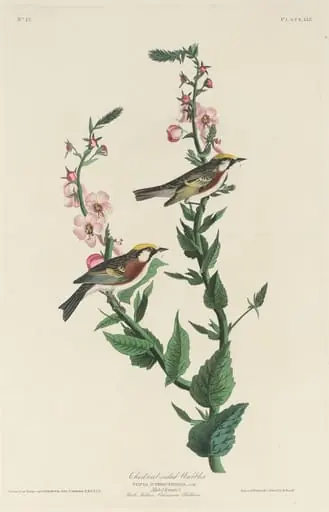 Chestnut-sided Warbler
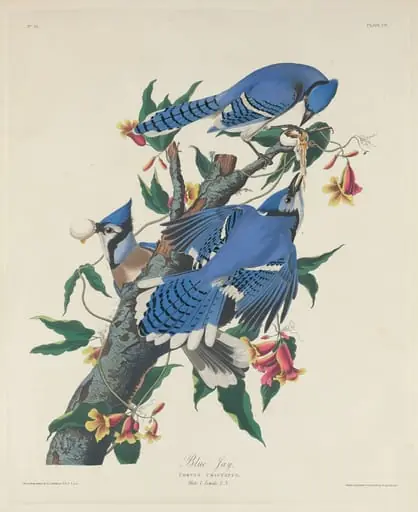 Blue Jay
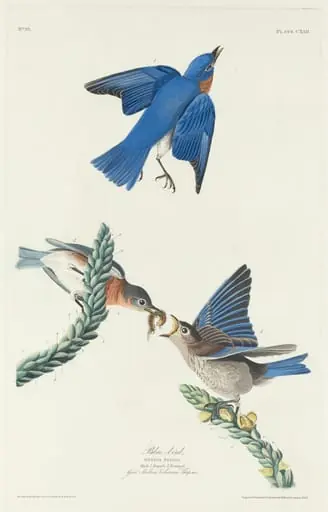 Blue-Bird
 Mangrove Cuckoo