Artwork
Columbian Water Ouzel and Arctic Water Ouzel
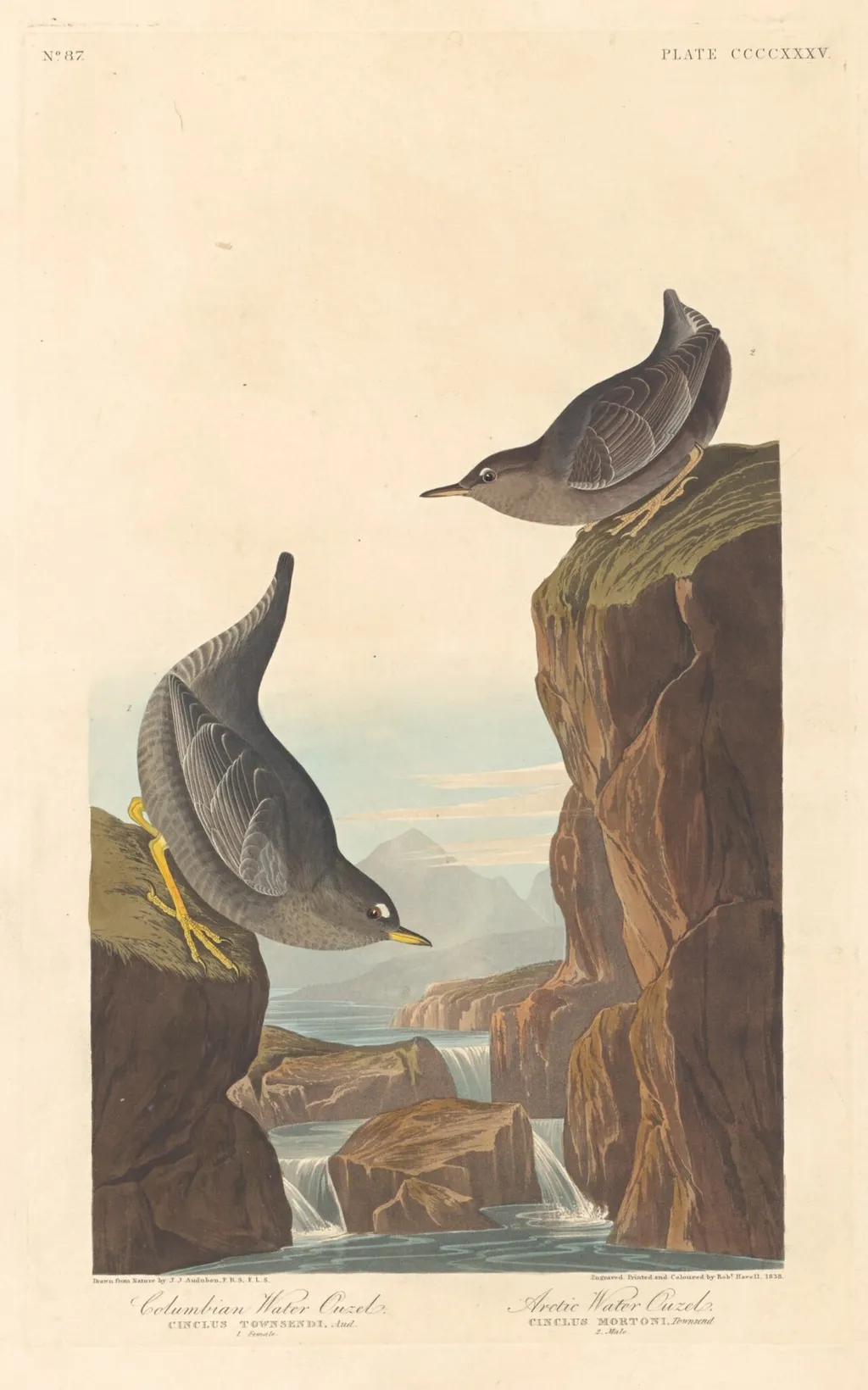
Columbian Water Ouzel and Arctic Water Ouzel is an ink print by the Romanticist artist Robert Havell Jr.. It dates from 1838 and is held in the collection of the National Gallery of Art.
About this work
Overview
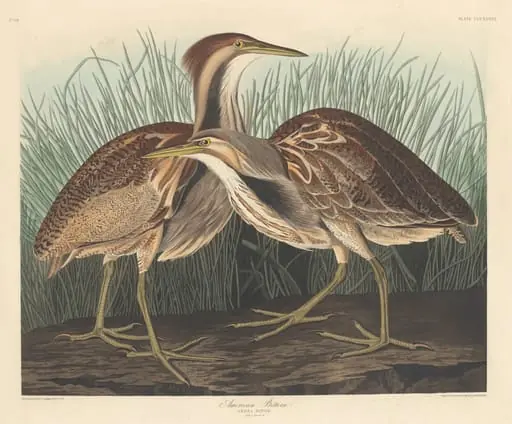
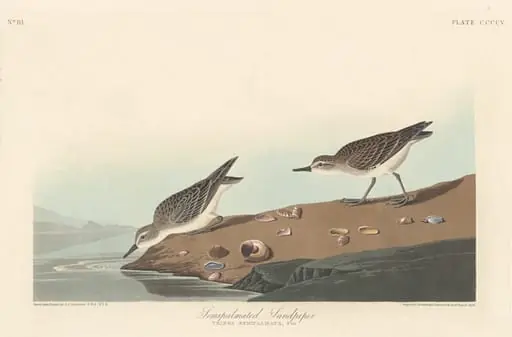
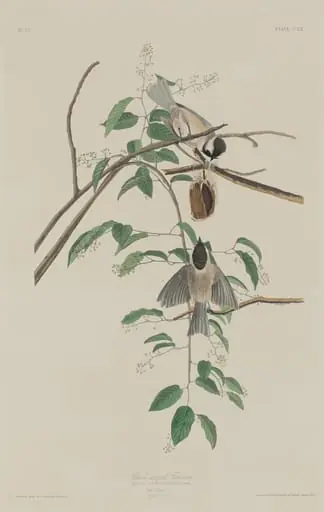
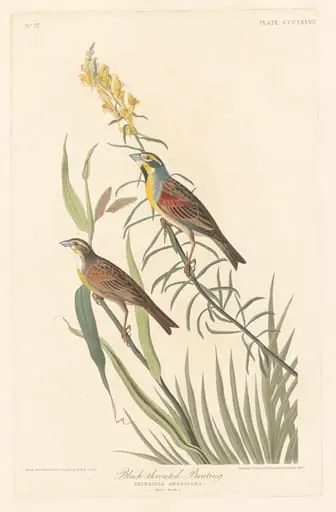
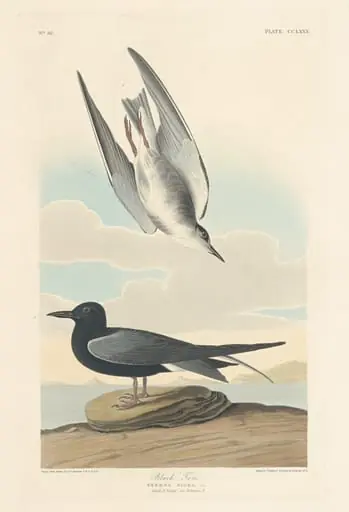
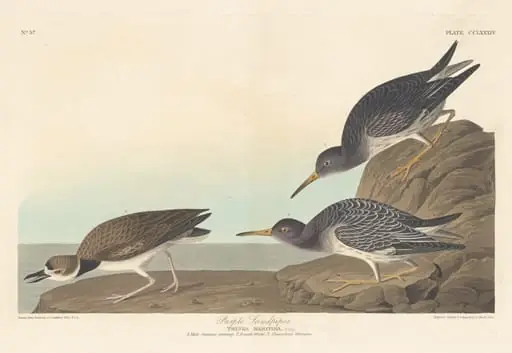
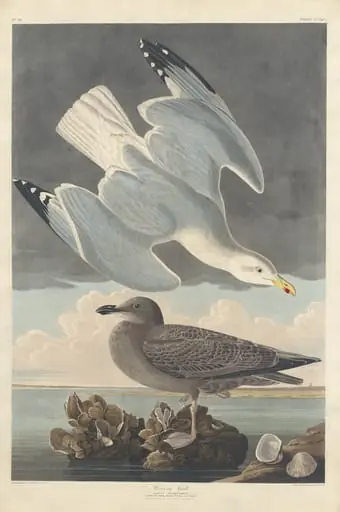
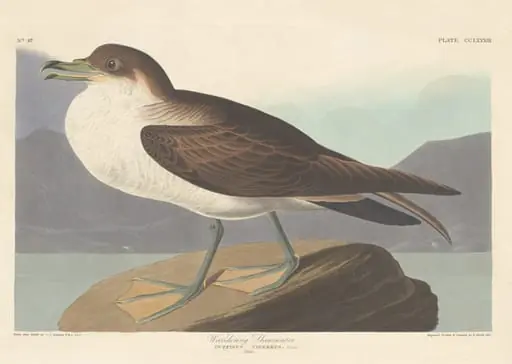
It is part of a broader project documenting North American birds, produced under the auspices of John James Audubon’s ornithological studies.
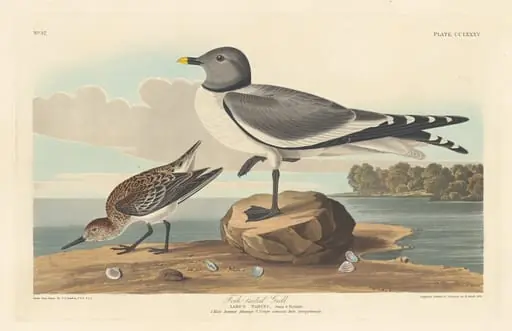
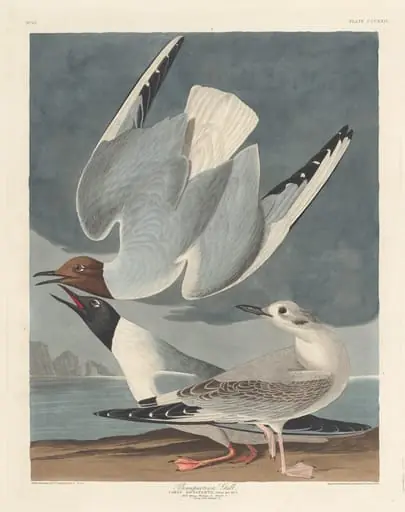
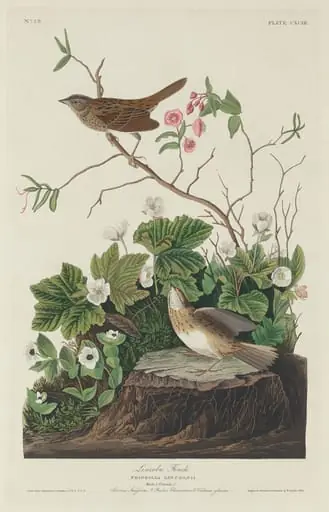
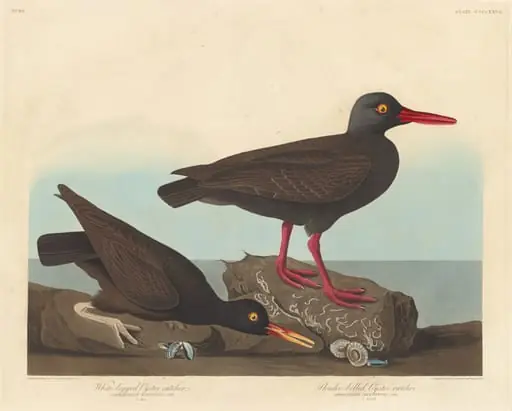
Created in 1838 by Robert Havell Jr., this print depicts two species of water ouzel using hand-colored engraving and aquatint on Whatman wove paper. It is part of a broader project documenting North American birds, produced under the auspices of John James Audubon’s ornithological studies. The Havell family, known for their technical precision in printmaking, handled the engraving and coloring, continuing a multi-generational legacy in British print culture.
Subject & Meaning
The print presents the Columbian and Arctic water ouzels—small, aquatic songbirds—captured in distinct behaviors: one perched on a rock, the other mid-dive. The contrast in posture suggests the bird’s adaptation to its environment, emphasizing movement and survival. The inclusion of both species reflects a scientific interest in regional variation, aligning with early 19th-century natural history efforts to classify and document wildlife with accuracy.
Technique & Style
Havell employed aquatint to achieve subtle tonal gradations in the landscape and engraving for fine linear detail in the birds’ plumage. Hand-coloring, applied with care, enhances the contrast between the birds’ dark upper feathers and pale underparts. The background merges soft washes of watercolor with precise ink lines, creating depth without sacrificing clarity. The composition directs attention to the diving bird through dynamic lines and spatial layering.
History & Provenance
The print originated as part of Audubon’s *Birds of America*, published in London between 1827 and 1838. Robert Havell Jr. oversaw its production after his father, Robert Havell Sr., and uncle Luke Havell, both established engravers, laid the groundwork for the family’s reputation. The work was printed on Whatman paper, prized for its durability and absorbency, and distributed to subscribers across Europe and America.
Context
Produced during a period of expanding natural science and colonial exploration, the image reflects the era’s drive to catalog biodiversity. While Audubon provided the field sketches, Havell’s technical execution transformed them into publishable plates. The Havells’ prior experience with Indian miniature painting influenced their attention to detail and delicate color application, bridging European and South Asian artistic traditions in printmaking.
Legacy
The print endures as a benchmark in ornithological illustration for its fidelity to natural form and technical refinement. Though later photographic methods replaced hand-colored engravings, Havell’s work remains valued for its synthesis of scientific observation and artisanal skill. Copies are held in major museum collections, where they continue to inform studies of both natural history and 19th-century print culture.
Artist & collection

Artist
The Havell family of Reading, Berkshire, England, included a number of notable engravers, etchers and painters, as well as writers, publishers, educators, and musicians.