Artwork
King Duck
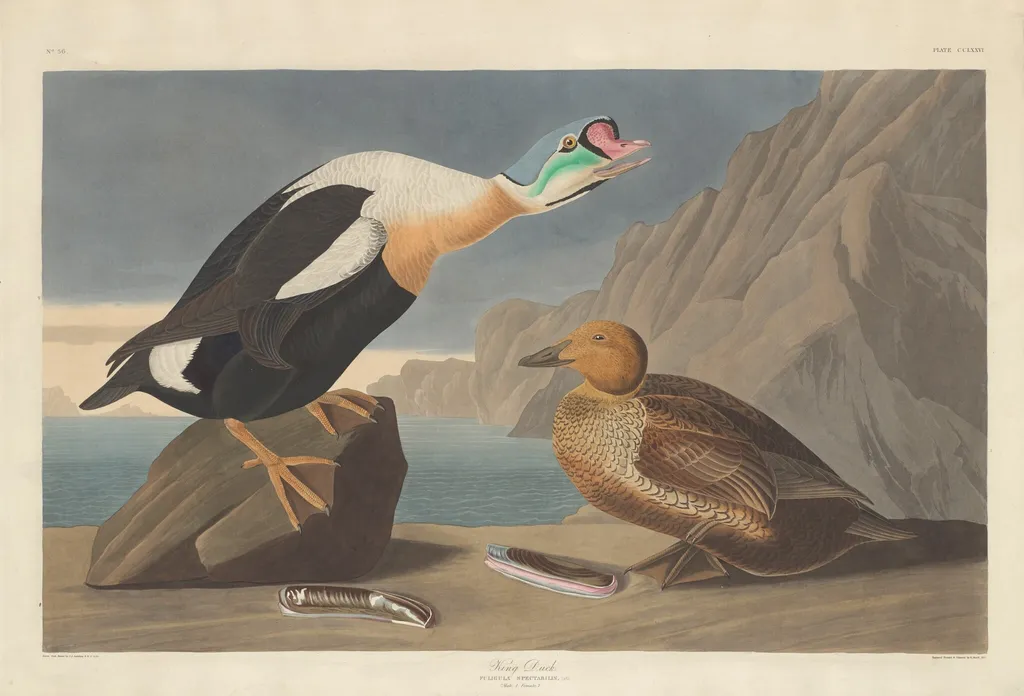
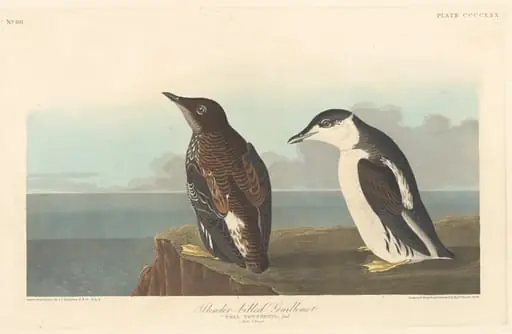
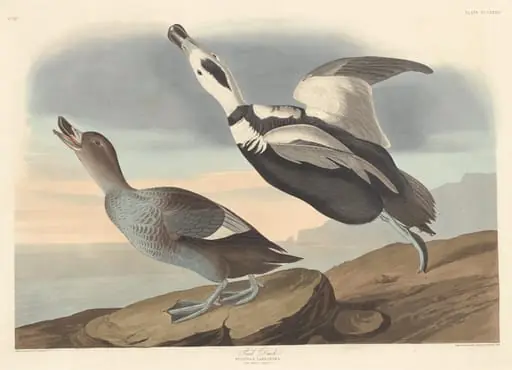
King Duck is an ink print by the Romanticist artist Robert Havell Jr.. It dates from 1835 and is held in the collection of the National Gallery of Art.
About this work
Overview
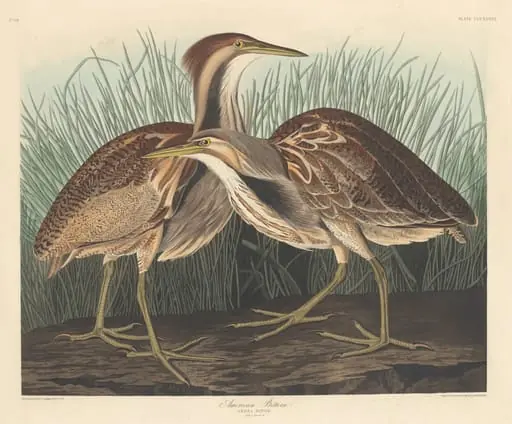
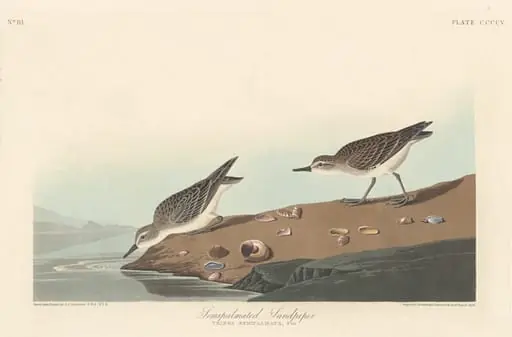
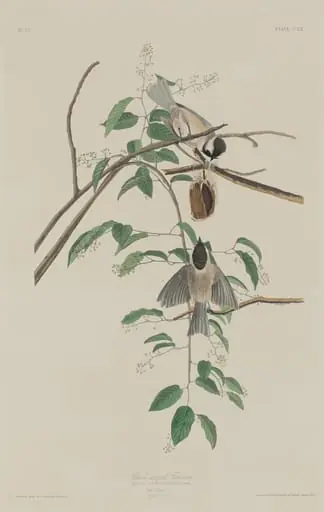
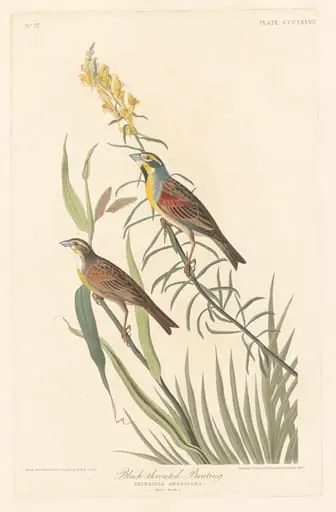
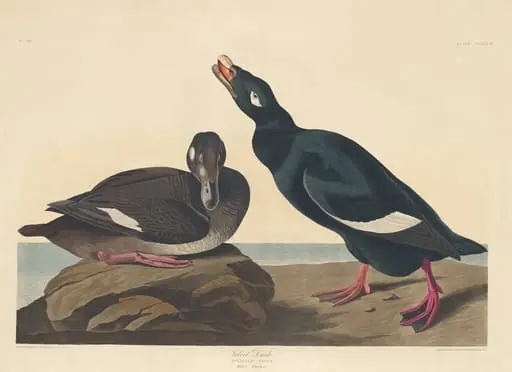
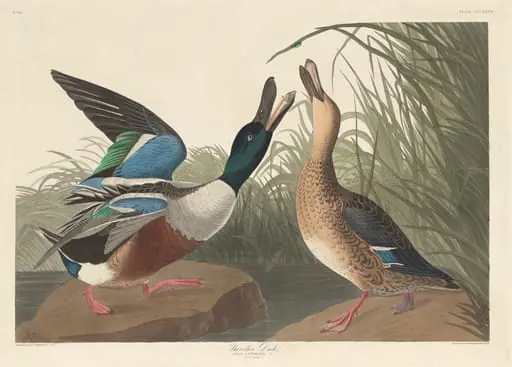
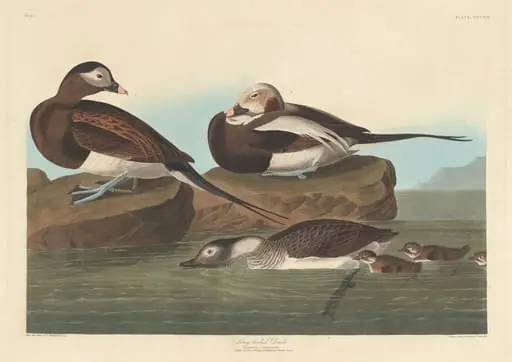
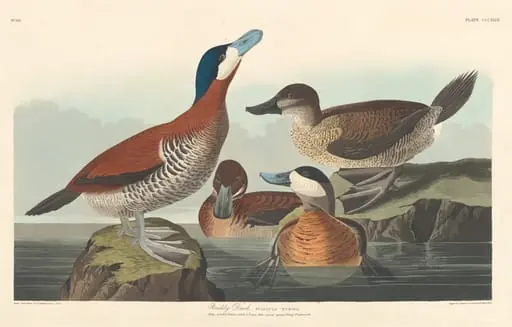
King Duck is a hand-colored engraving and aquatint print created by Robert Havell Jr. in 1835 on Whatman wove paper, featuring two ducks in a naturalistic setting.
Subject & Meaning
The print depicts two ducks in contrasting poses and plumage (one white and black standing on a rock, the other brown sitting on the ground) against a backdrop of water and rocky cliffs, emphasizing detailed realism.
Technique & Style
Havell Jr. employed hand-coloring over aquatint and engraving to achieve intricate feather details and a sense of depth, characteristic of his family's tradition of aquatint specialization.
History & Provenance
Part of a multi-generational family of engravers and artists from Reading, Berkshire, with ties to Indian art and culture, though the specific provenance of King Duck is not detailed here.
Context
Created within a broader family practice spanning several disciplines and generations, reflecting the Havell family's engagement with various artistic techniques and potentially Indian influences.
Legacy
No specific legacy or impact of King Duck is noted in the provided information, focusing instead on its representation of the artist's and family's technical prowess.
Artist & collection

Artist
The Havell family of Reading, Berkshire, England, included a number of notable engravers, etchers and painters, as well as writers, publishers, educators, and musicians.