Artwork
Western Duck
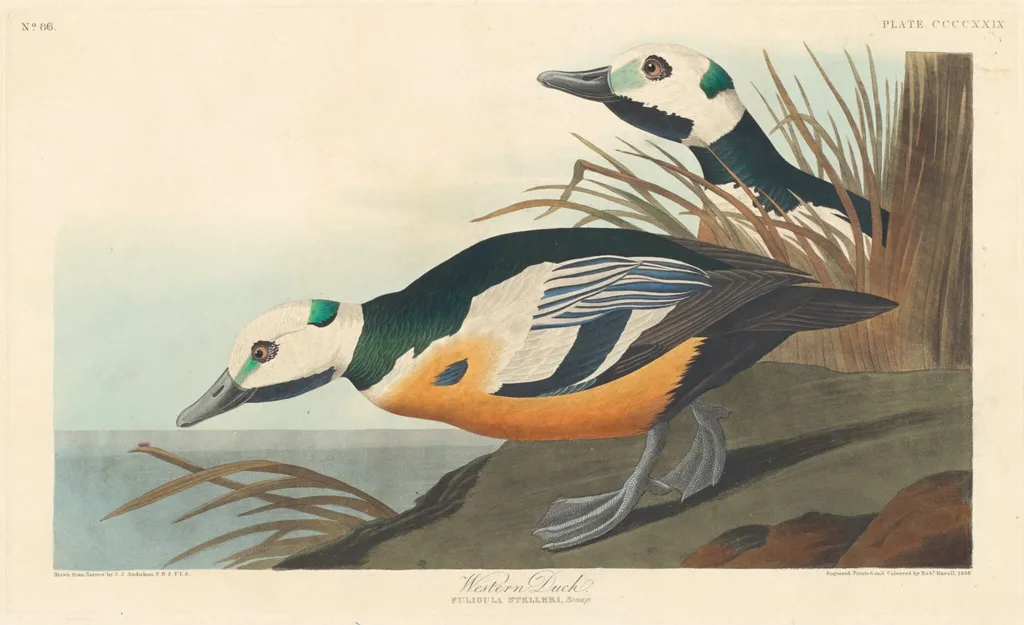
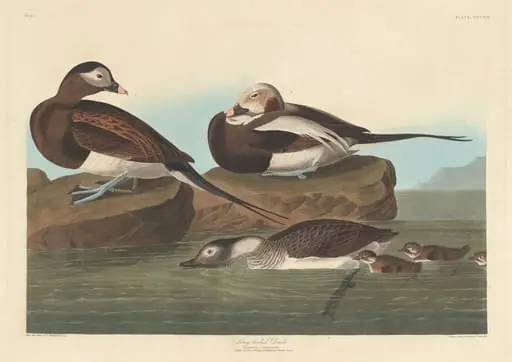
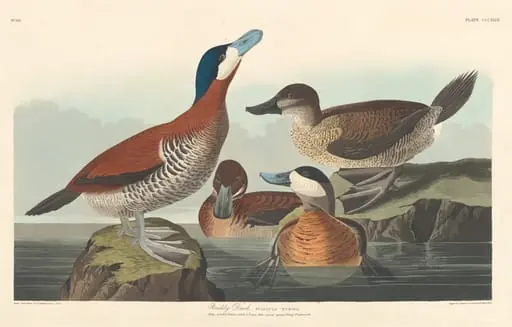
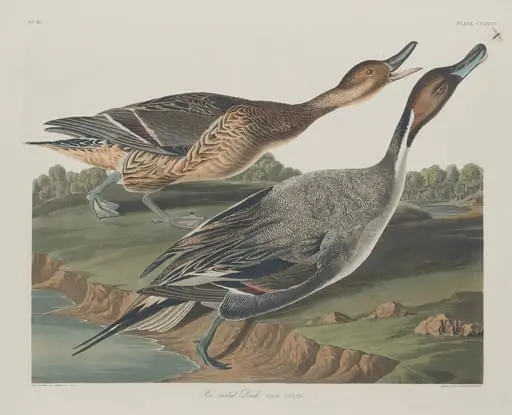
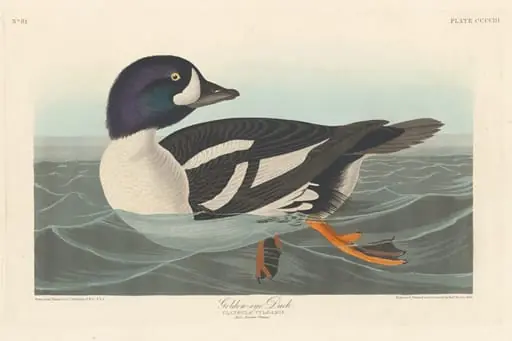
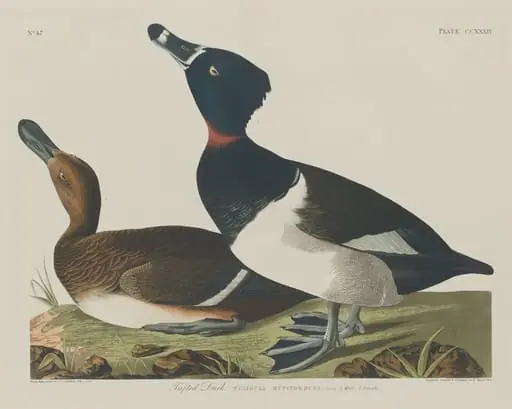
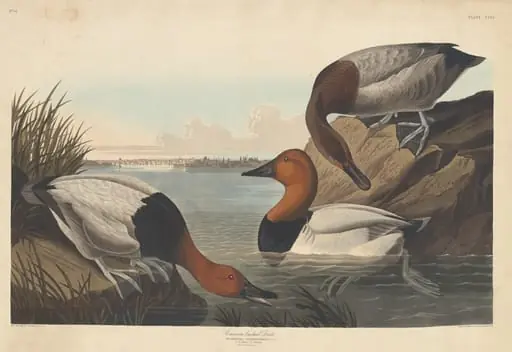
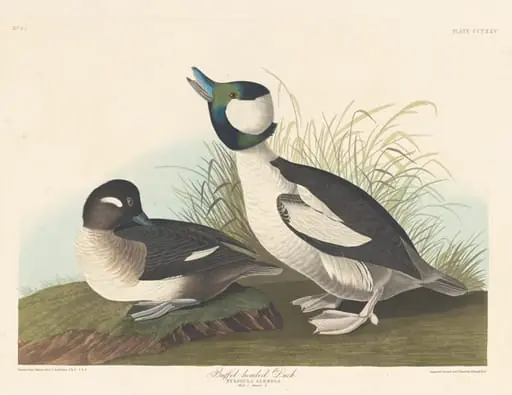
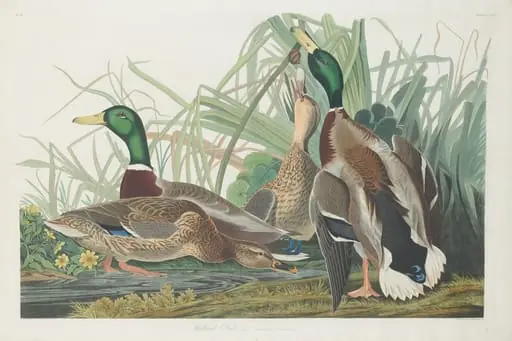
Western Duck is an ink print by the Romanticist artist Robert Havell Jr.. It dates from 1838 and is held in the collection of the National Gallery of Art.
About this work
Overview
, 'Western Duck' is a hand-colored engraving and aquatint on Whatman wove paper.
Created in 1838 by Robert Havell Jr., 'Western Duck' is a hand-colored engraving and aquatint on Whatman wove paper. It belongs to a series of ornithological illustrations produced during the early 19th century, reflecting the period’s scientific interest in North American bird species. The Havell family, known for their technical skill in printmaking, specialized in translating naturalist observations into detailed printed images for scholarly and public audiences.
Subject & Meaning
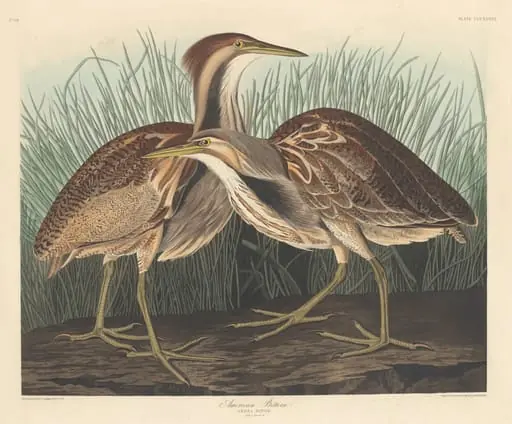
The print depicts two mallard ducks in a quiet wetland setting—one male with vivid plumage, the other a female in more subdued tones. Their placement suggests a moment of stillness, emphasizing observation over action. The composition avoids narrative drama, aligning with the era’s naturalist goals: to document species accurately for classification and study. The background elements—reeds, water, and a single tree trunk—frame the birds without distraction.
Technique & Style
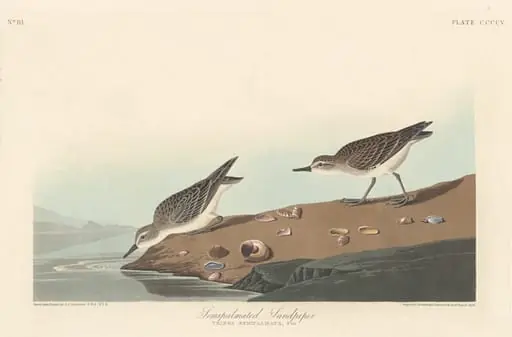
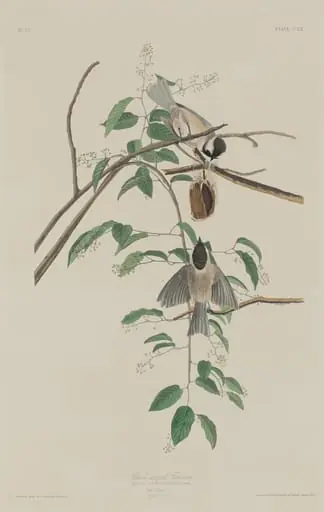
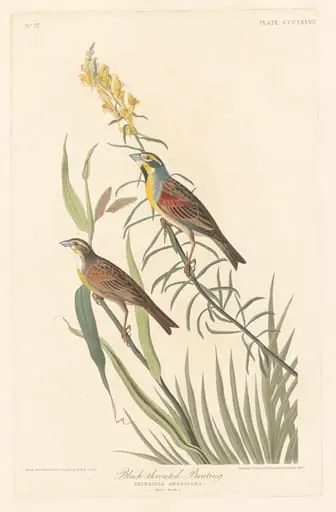
Havell employed engraving and aquatint to achieve fine detail and tonal gradation. Engraved lines define individual feathers with precision, mimicking the texture of plumage through controlled, parallel strokes. Aquatint added subtle shading to the water and foliage, enhancing depth without overwhelming the subject. Hand-coloring, applied meticulously after printing, brought lifelike hues to the ducks’ feathers, bridging scientific accuracy with aesthetic refinement.
History & Provenance
The work emerged from the Havell family’s long-standing involvement in natural history illustration, particularly through their collaboration with John James Audubon. Robert Havell Jr. was responsible for engraving and coloring many plates in Audubon’s 'Birds of America.' 'Western Duck' reflects this lineage, though it stands as an independent work. Its paper, Whatman wove, was a high-quality stock favored by fine printmakers of the time.
Context
In the 1830s, natural history illustration was a vital bridge between science and public curiosity. With photography still in its infancy, printed images were the primary means of disseminating visual knowledge of wildlife. Artists like Havell worked under the patronage of scientific societies and wealthy collectors, producing works that served both educational and cultural purposes, often commissioned for multi-volume publications.
Legacy
Havell’s prints, including 'Western Duck,' helped establish a visual standard for American ornithology. Their technical precision and attention to anatomical detail influenced later generations of wildlife illustrators. Though overshadowed by Audubon’s fame, the Havells’ contributions to printmaking techniques and naturalist documentation remain foundational to the history of scientific imagery in the United States.
Artist & collection

Artist
The Havell family of Reading, Berkshire, England, included a number of notable engravers, etchers and painters, as well as writers, publishers, educators, and musicians.